
Choosing the right building material for your space is a bit like picking a lifelong companion—you want something that looks good and keeps up with your life. Whether you're revamping a kitchen backsplash, cladding an accent wall, or designing a commercial lobby, the material you pick shapes not just the room's vibe, but how easy it is to live with. Today, let's dive into two contenders that often end up on homeowners' shortlists: the warm, textured Muretto Stone (Beige) and the sleek, durable porcelain slabs. We'll break down their aesthetics (because beauty matters) and practicality (because life gets messy), so you can decide which one deserves a spot in your next project.
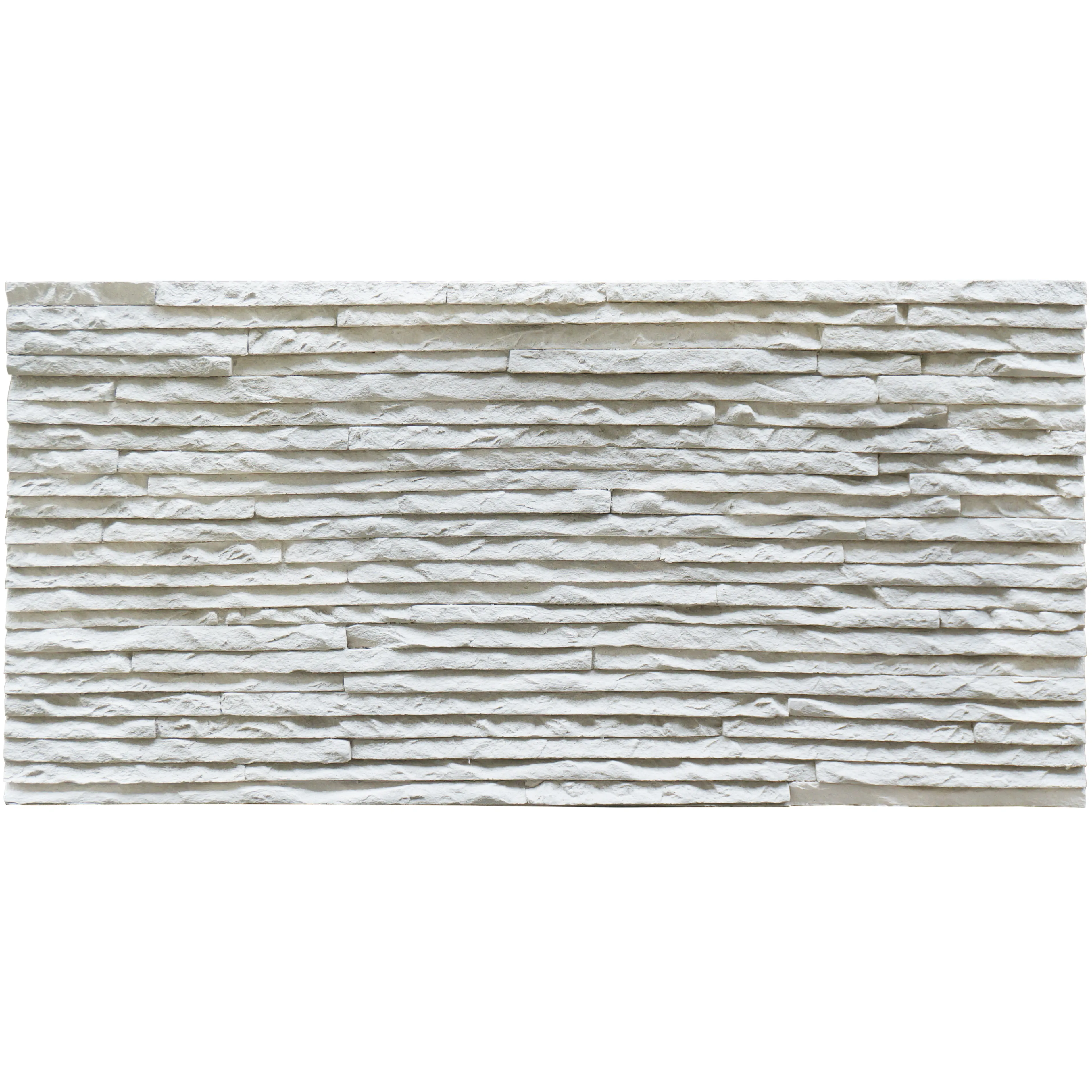
Let's start with the fun part: how these materials feel in a space. Aesthetics aren't just about color—they're about texture, depth, and the story a material tells. Muretto Stone (Beige) walks into the room like a well-loved leather journal: unassuming, but full of character. Part of the historical pathfinders stone collection, this beige beauty carries the warmth of aged terracotta with hints of soft cream, like sunlight filtering through old Mediterranean shutters. Run your hand over it, and you'll notice subtle variations—tiny pits, faint brushstrokes, and a matte finish that avoids the "plastic sheen" some synthetic materials have. It's not trying to be perfect; it's trying to feel lived-in , like it's been part of the walls for decades.
Porcelain slabs, on the other hand, are the minimalist artists of the material world. They're all about clean lines, uniformity, and that "just out of the box" crispness. Most porcelain slabs come in a consistent beige (or whatever color you choose), with a smooth, often glossy or semi-glossy surface that reflects light. Think of it like a high-end smartphone: sleek, modern, and designed to look the same from every angle. There's a time and place for that—if you're going for a contemporary kitchen with flat-panel cabinets and stainless steel appliances, porcelain's uniformity can feel fresh and intentional. But if you're craving a space that feels like it has a history, like a rustic dining room or a boutique hotel lobby with old-world charm, Muretto's texture might pull you in more.
Versatility is another piece of the aesthetics puzzle. Muretto Stone (Beige) plays well with both traditional and modern styles. Pair it with wooden beams and terracotta tiles, and it leans into Tuscan villa vibes; team it with black metal fixtures and concrete floors, and suddenly it's industrial chic with a soft edge. Porcelain slabs, while versatile, tend to shine brightest in contemporary or minimalist settings. They're great for large, seamless surfaces—think a floor-to-ceiling fireplace or a kitchen backsplash that stretches across the wall—where their lack of texture keeps the focus on clean geometry.
And let's talk about color depth. Muretto's beige isn't a flat, one-note shade. It shifts subtly throughout the day: warmer in morning light, softer at dusk, with undertones that complement other earthy materials like travertine (beige) or even fair-faced concrete. Porcelain, while vibrant, can sometimes feel a touch "static" in comparison—its color stays consistent, which is great if you want zero surprises, but less exciting if you crave that "lived-in" glow.
Okay, so Muretto might make your heart skip a beat, and porcelain might make your inner designer do a happy dance—but how do they hold up when life happens? Let's get into the nitty-gritty: durability, maintenance, installation, and cost.
Durability: Here's where things get interesting. Muretto Stone (Beige) is a modified composite material, part of the flexible stone family, which means it's lighter and more resilient than natural stone like travertine (beige). It resists cracks from temperature swings (good news if you live in a place with harsh winters or sweltering summers) and doesn't chip easily if you accidentally bump a chair into the wall. Porcelain slabs, though? They're the tank of the material world. Made from compressed clay fired at high temperatures, they're stain-resistant, scratch-proof (even against rogue keys or pet claws), and practically impervious to water. Spill red wine on porcelain? Wipe it up, no trace. Do the same on Muretto? You'll want to blot quickly and maybe seal it annually to prevent stains from setting in.
Maintenance: Let's keep it real: no one wants to spend weekends scrubbing walls. Muretto Stone (Beige) asks for a little TLC. Because of its textured surface, dust can settle in those tiny crevices, so a quick wipe with a damp cloth (avoid harsh chemicals!) every week keeps it looking fresh. And as mentioned, sealing it once a year (especially in high-moisture areas like bathrooms) will keep stains at bay. Porcelain slabs? They're basically self-sufficient. A quick wipe with soap and water is all it takes—no sealing, no special cleaners, no fuss. If you're the type who'd rather spend weekends hiking than cleaning, porcelain might win here.
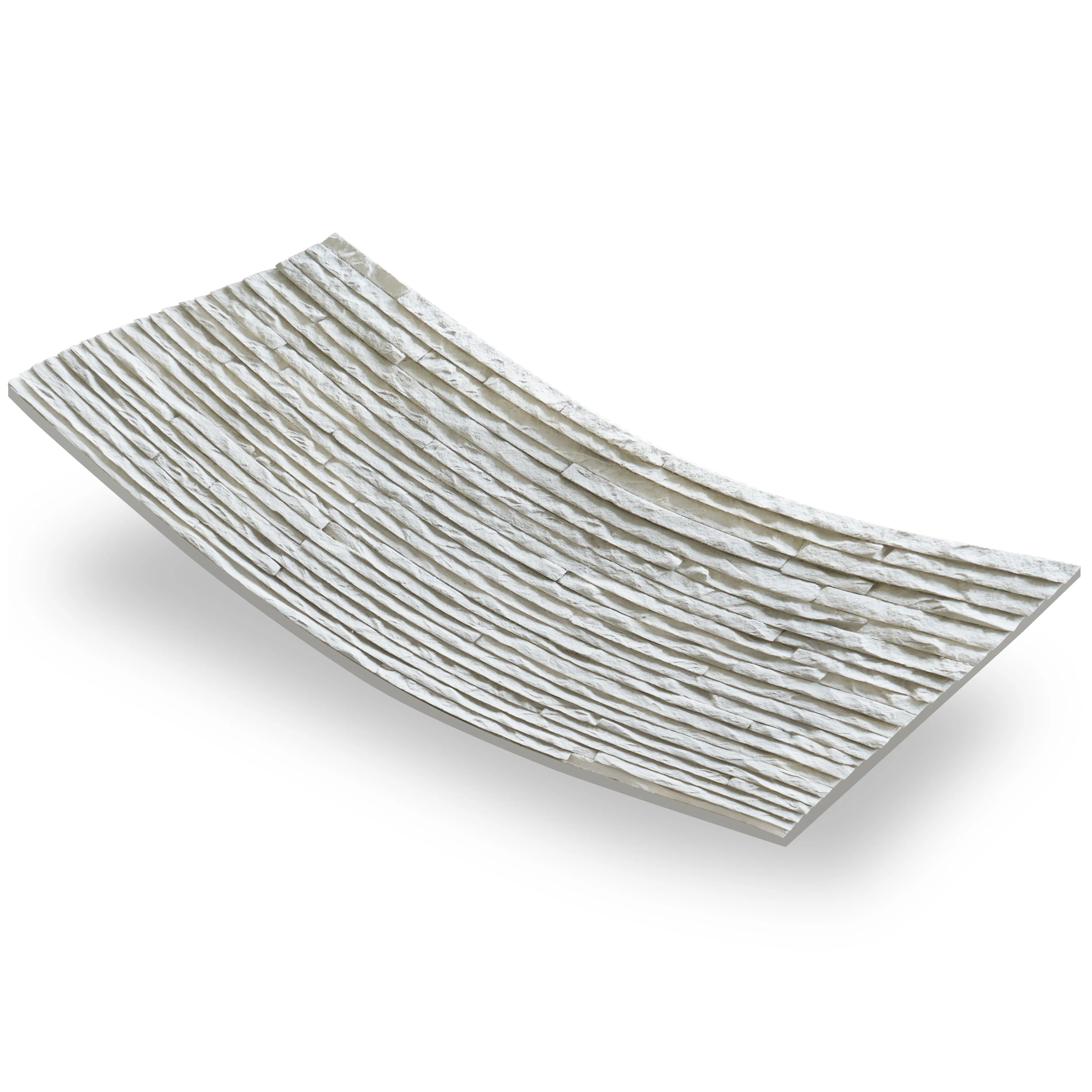
Installation: Ever tried hanging a heavy mirror by yourself? Yeah, not fun. Installation difficulty matters, especially if you're working with a tight budget or a tricky space. Muretto's flexibility is a game-changer here. Since it's lighter and can bend slightly, it's easier to install on curved walls, backsplashes with uneven surfaces, or even ceilings (hello, statement ceiling!). Contractors often love it because it cuts down on labor time—no need for heavy-duty tools or extra support. Porcelain slabs, though, are thick and heavy. Installing them on walls? You'll need strong adhesive and maybe even extra structural support, especially for large slabs. That can hike up labor costs, and if you're renting or planning to move, forget about taking them with you—they're not going anywhere once installed.
Cost: Let's talk numbers. Muretto Stone (Beige) lands in the mid-range for building materials. You'll pay more than basic drywall or paint, but less than high-end natural stone like marble or even some porcelain slabs. Porcelain, on the other hand, tends to be pricier upfront—think 20-30% more than Muretto, depending on the brand and slab size. But here's the trade-off: porcelain's low maintenance and long lifespan (we're talking decades) might save you money in the long run. Muretto, with its occasional sealing and slightly higher risk of damage, could cost more over time if you're not careful. It's like choosing between a reliable sedan (Muretto) and a luxury SUV (porcelain)—both get the job done, but one comes with a bigger upfront bill and more perks.
| Feature | Muretto Stone (Beige) | Porcelain Slabs |
|---|---|---|
| Color & Texture | Warm beige with subtle, organic texture; part of historical pathfinders stone collection | Consistent, uniform color; smooth, glossy or matte finish with minimal texture |
| Durability | Flexible stone; resists cracks and temperature changes; moderate stain resistance (needs sealing) | Extremely durable; scratch, stain, and water-resistant; fired clay construction |
| Maintenance | Weekly damp cloth wipe; annual sealing recommended | Low maintenance; soap and water cleaning only; no sealing needed |
| Installation | Lighter, flexible; easy to install on curved surfaces; lower labor costs | Heavy, rigid; requires structural support; higher labor costs |
| Cost | Mid-range (material + installation) | Higher upfront cost (material + installation) |
| Best For | Traditional, rustic, or industrial-chic spaces; accent walls, backsplashes | Modern, minimalist spaces; high-traffic areas, countertops, large seamless surfaces |
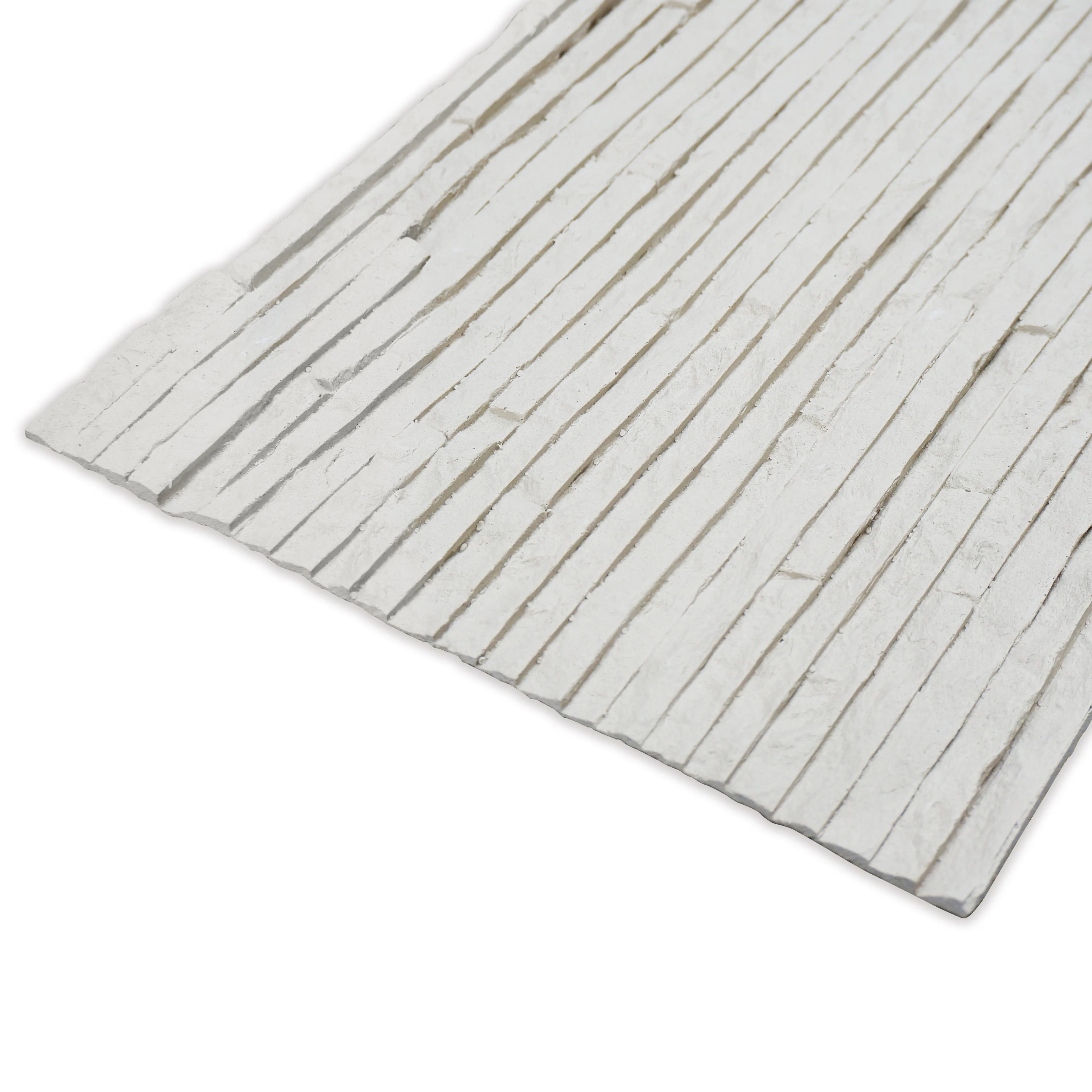
At the end of the day, there's no "winner"—only what works best for you . Muretto Stone (Beige) is for the dreamers who want their home to feel like a story. It's for the person who walks into a room and notices the way light plays on textured walls, who loves the idea of a material that ages gracefully, getting more charming with every scratch and scuff. It's perfect for accent walls, bedroom headboards, or boutique cafes that want to feel cozy and inviting.
Porcelain slabs, though, are for the realists with a taste for sleekness. They're for the busy parent who needs a kitchen backsplash that can handle spaghetti sauce spills and toddler handprints, the designer who craves clean lines, or the homeowner who wants a material that looks brand-new 10 years down the line. They shine in kitchens, bathrooms, and high-traffic living areas where durability and low maintenance are non-negotiable.
And hey, who says you have to choose? Mixing materials is where magic happens. Imagine a kitchen with Muretto Stone (Beige) on the backsplash (adding warmth) and porcelain slabs on the countertops (standing up to daily chaos). Or a living room with a Muretto accent wall and porcelain floors—texture and practicality, living in harmony.
At the end of the day, both Muretto Stone (Beige) and porcelain slabs have their superpowers. It all comes down to what matters most to you: the character of a material that feels like it's been around for years, or the reliability of one that's built to last for decades. Whichever you pick, remember: the best materials aren't just about building walls—they're about building spaces that feel like home.
Recommend Products












