
When you're designing a space—whether it's a cozy kitchen backsplash, a grand living room feature wall, or a high-traffic commercial lobby—there's one enemy that haunts every homeowner and designer alike: scratches. A single stray key, a playful pet's claw, or even the drag of a heavy chair can leave a permanent mark, turning a once-pristine surface into a canvas of wear and tear. That's why scratch resistance isn't just a "nice-to-have" in building materials; it's a make-or-break factor. Today, we're diving deep into two contenders that often top the list for durability and style: muretto stone (beige) —a rising star in the world of engineered materials—and natural quartzite, a timeless favorite. Let's explore which one truly stands up to the test of daily life.
Before we pit them against each other, let's get to know these materials up close. They might both end up on your wall or floor, but their origins, compositions, and personalities are worlds apart.
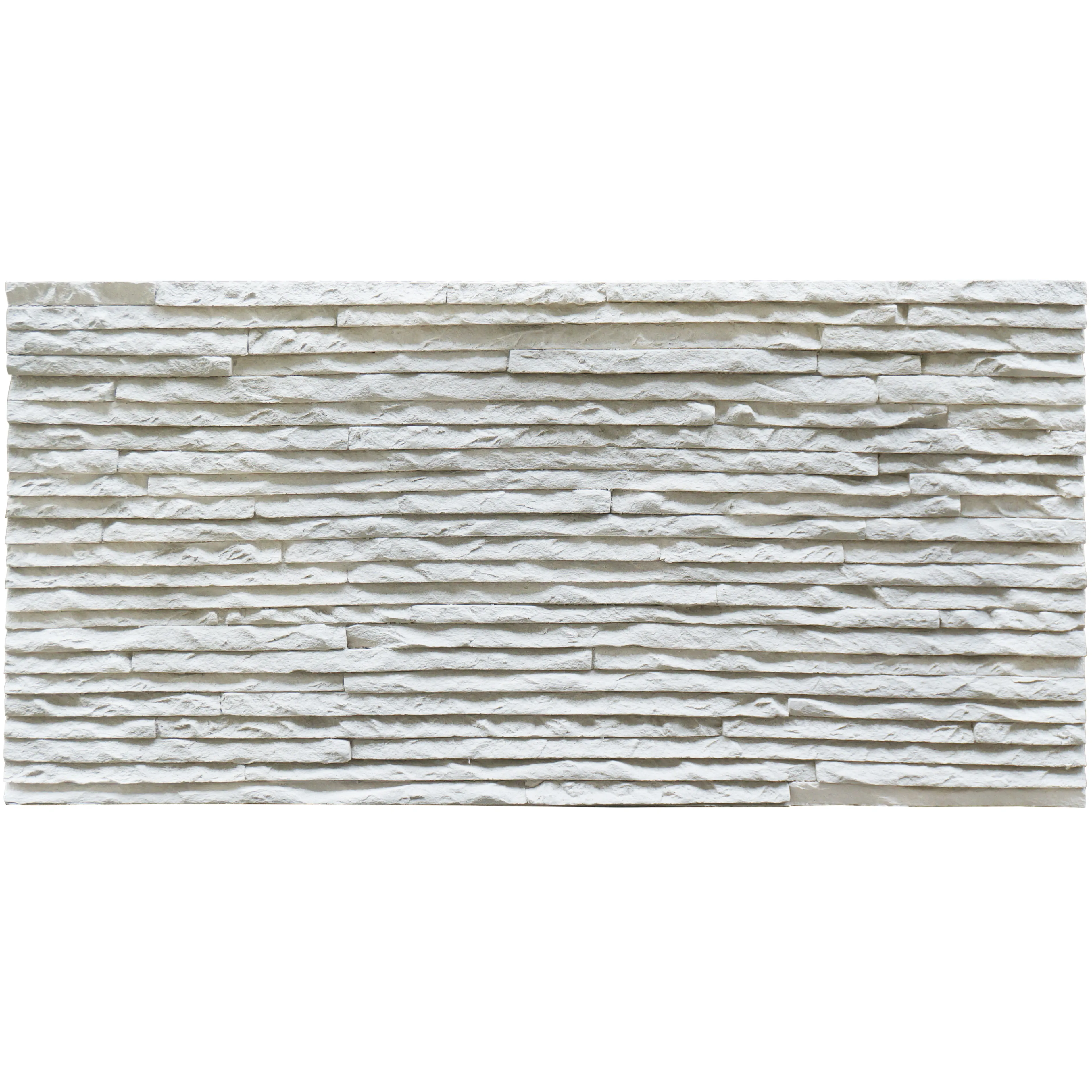
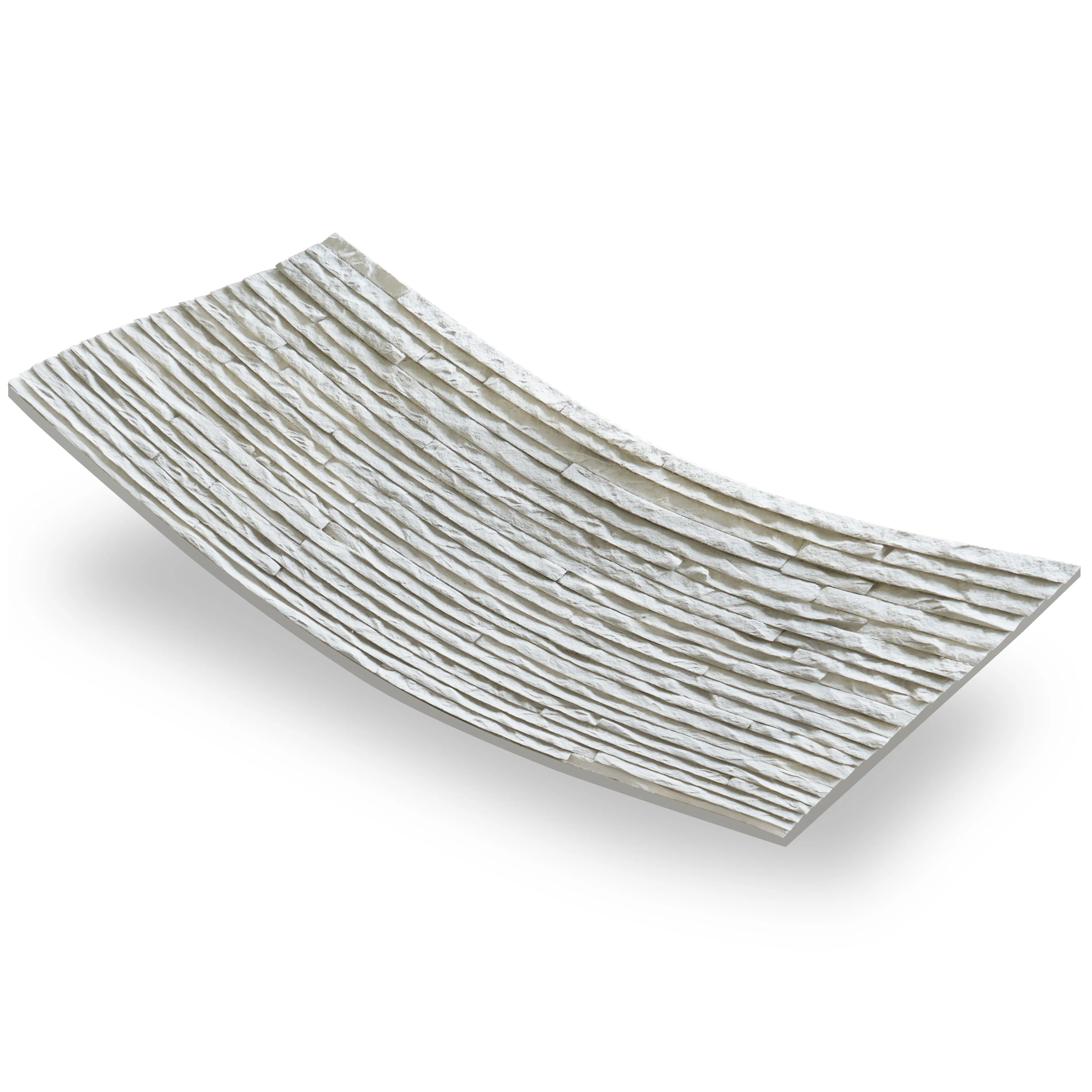
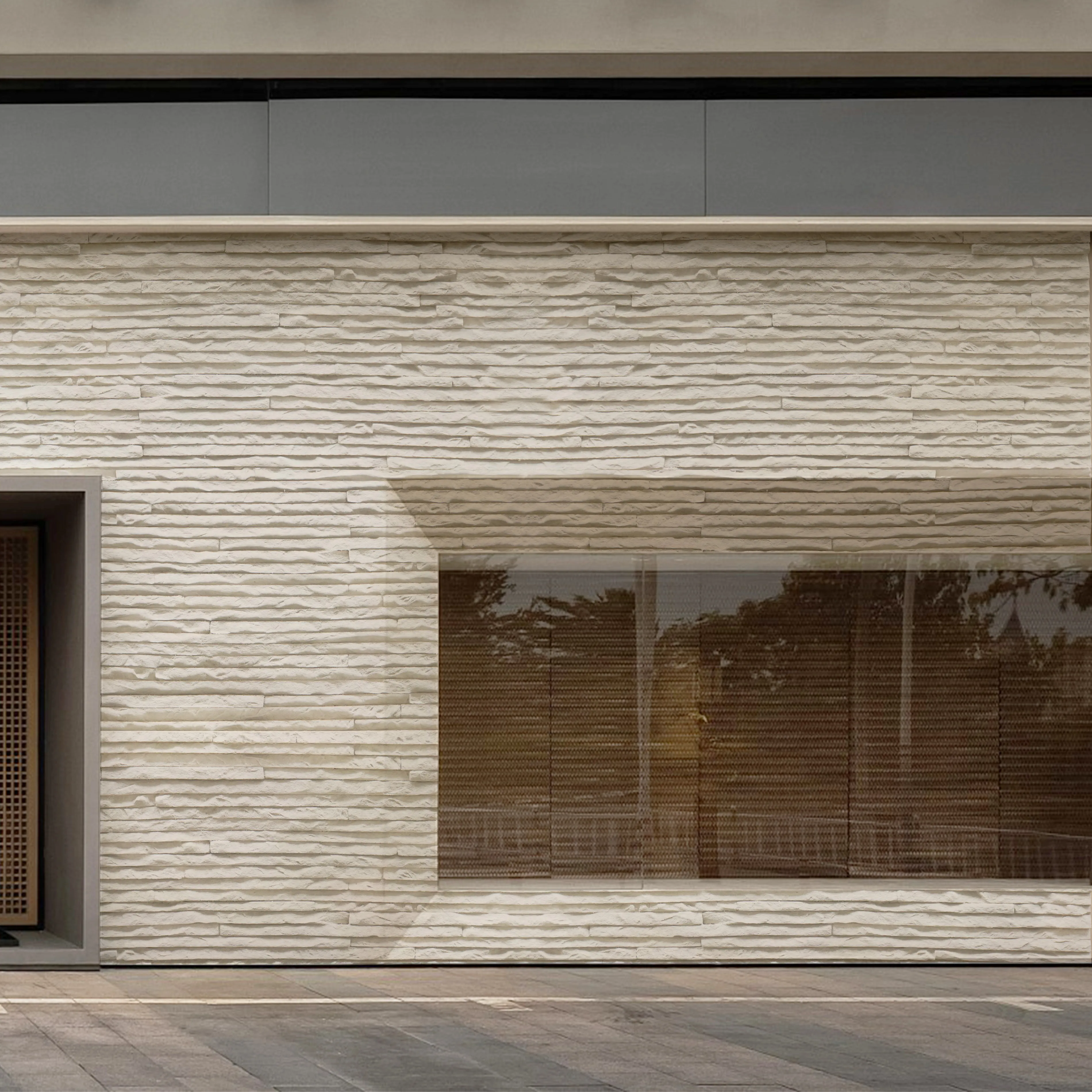
If you've ever marveled at a wall that looks like it's been carved from ancient stone but feels surprisingly lightweight, you might have encountered mcm flexible stone —and muretto stone (beige) is a standout in this family. Born from modern material science, muretto stone (beige) is part of the MCM (Modified Composite Material) lineup, a category known for blending the best of natural aesthetics with engineered durability. Unlike raw stone hacked from a quarry, this material starts with a base of minerals, resins, and fibers, then undergoes a precision manufacturing process to mimic the texture and color of traditional muretto—a type of rough-hewn, mortar-jointed stonework that's been used in Mediterranean architecture for centuries.
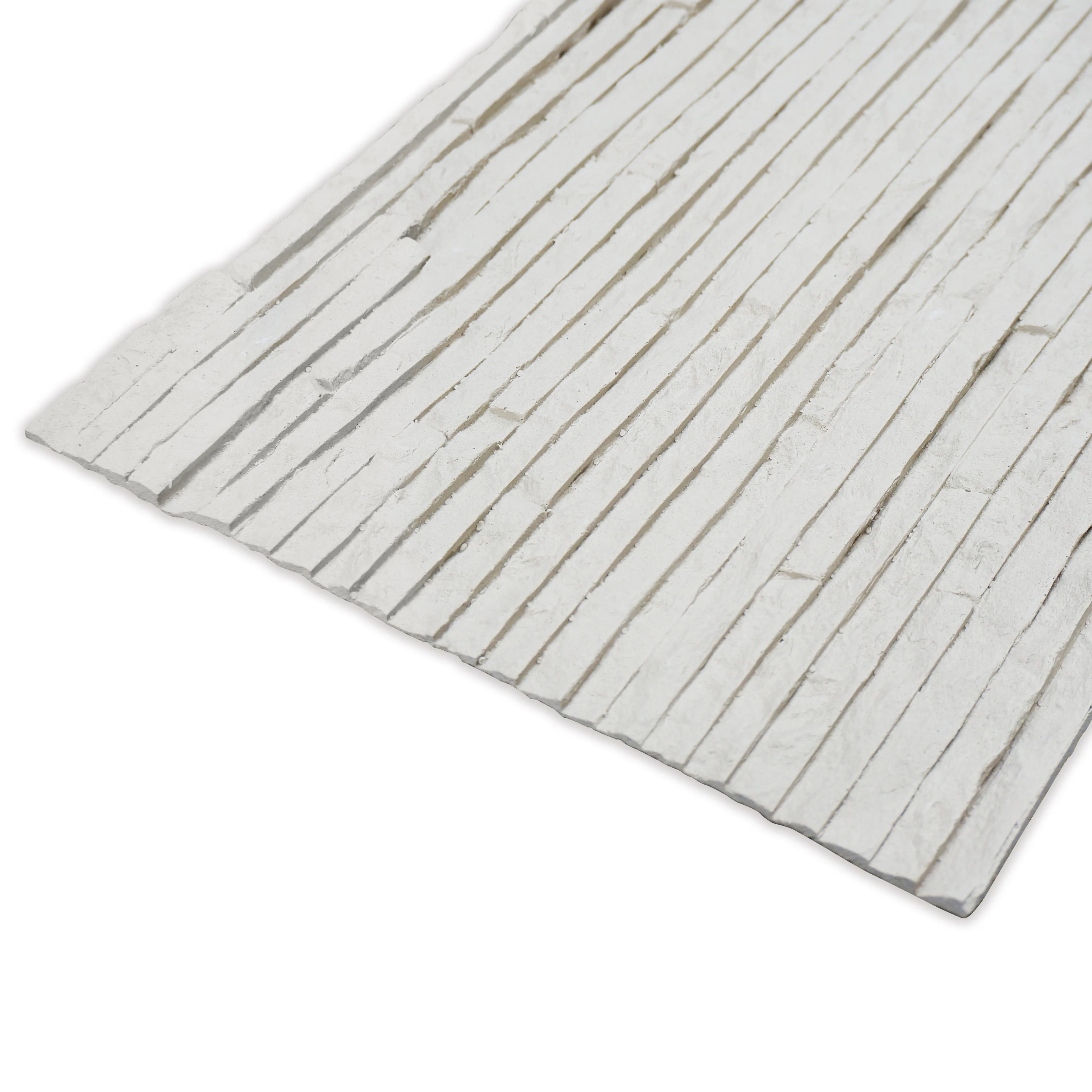
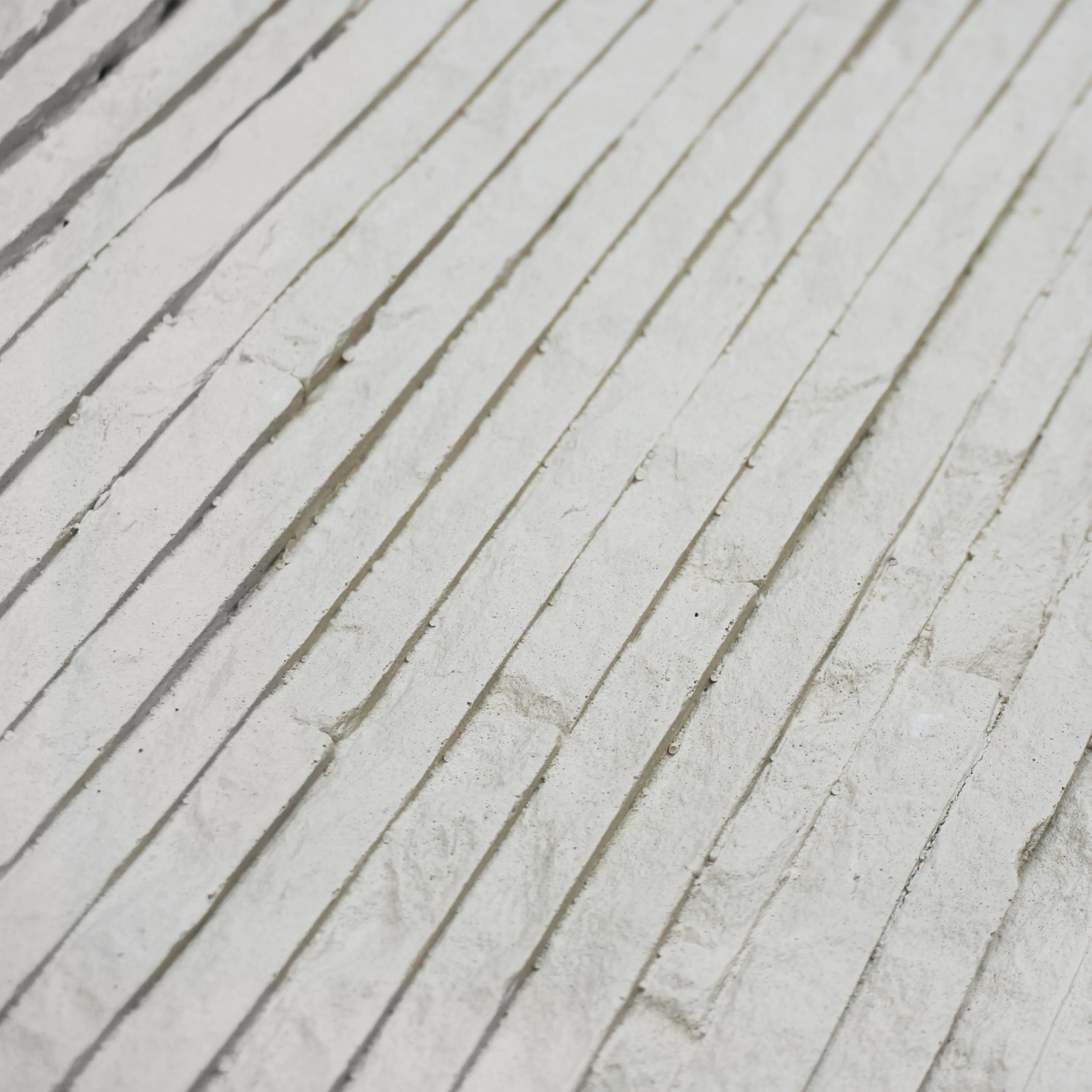
What sets muretto stone (beige) apart? Its flexibility (hence the "flexible stone" label) means it can be applied to curved surfaces or uneven walls without cracking, a feat natural stone often struggles with. Visually, it leans into warmth: think soft beige tones with subtle variations, like sunlight filtering through old bricks, with a gently textured surface that invites touch. It's the kind of material that adds character without overwhelming a space—perfect for both rustic farmhouses and sleek urban lofts.
Quartzite, on the other hand, is a rock star in the truest sense—it's born from nature's most intense pressures. Formed when sandstone (rich in quartz grains) is subjected to extreme heat and pressure deep within the Earth, quartzite transforms into a dense, crystalline stone. This metamorphosis is what gives it its legendary strength. Unlike engineered materials, quartzite is 100% natural, with each slab boasting unique patterns—swirls of cream, gold, and taupe, or bold veins of gray that look like brushstrokes on a canvas.
Walk into any high-end kitchen or luxury hotel, and you're likely to spot quartzite countertops or feature walls. Its appeal lies in that rare combo: it's tough as nails but looks like a piece of art. Homeowners love it for its "natural luxury" vibe—you're not just installing a surface; you're bringing a piece of the planet's history into your home. But here's the catch: that natural beauty comes with natural unpredictability. Slabs can vary wildly in color and texture, and their hardness means they're heavy and less forgiving to install than engineered alternatives.
Now, the moment we've been waiting for: how do these two stack up when it comes to scratches? To answer this, we need to talk about the Mohs Hardness Scale—a tool geologists use to measure a material's resistance to scratching. It ranges from 1 (talc, which scratches with a fingernail) to 10 (diamond, the hardest known substance). The higher the number, the more scratch-resistant the material.
Muretto stone (beige) typically lands between 5 and 6 on the Mohs scale. That puts it in the "moderately hard" category. To put that in perspective: it can resist scratches from everyday items like keys (which are around 3-4), coins (copper is 3, nickel is 4), or even a pocket knife (5.5). But if you drag a harder material across it—say, a steel file (6.5) or a piece of granite (6-7)—you might see a mark. Its engineered composition helps here: the resin binders fill in tiny gaps between particles, creating a smoother, more scratch-resistant surface than some natural stones of similar hardness, like limestone.
Real-world scenario: If you have kids who leave toy cars on the floor or a dog that races through the house with muddy paws, muretto stone (beige) will hold up well to accidental scrapes. But if you're installing it in a commercial space with heavy machinery or constant foot traffic with metal-tipped shoes, you might want to consider extra sealing or a harder material.
Quartzite is a heavyweight here, clocking in at 7 on the Mohs scale. That's right—7. For context, that's harder than glass (5.5), steel (5-6), and even most types of granite (6-6.5). What does that mean for scratches? A key won't leave a mark. A pet's claws? Not a chance. Even a kitchen knife dragged across the surface (though we don't recommend testing this!) is unlikely to scratch it. Its crystalline structure is so dense that scratches usually only occur from materials harder than 7, like topaz (8) or diamond (10)—which, let's be honest, aren't lying around most homes.
But here's the caveat: quartzite's surface can still be damaged if it's struck with force (think dropping a heavy pot on a countertop), which might chip the edge rather than scratch. And while it's scratch-resistant, it's not entirely maintenance-free—like all natural stones, it needs periodic sealing to prevent stains, which can sometimes make the surface more prone to showing scratches if the sealant wears thin.
On paper, quartzite is harder and more scratch-resistant than muretto stone (beige). But scratch resistance isn't the only factor that matters. Let's break down how they compare in other critical areas that affect your day-to-day life.
| Feature | Muretto Stone (Beige) | Quartzite |
|---|---|---|
| Scratch Resistance (Mohs Scale) | 5-6 (Resists keys, coins, light scrapes) | 7 (Resists most household items, including knives) |
| Stain Resistance | High (Engineered resins repel liquids; minimal sealing needed) | Moderate to High (Porous; requires annual sealing to prevent stains from oils/wine) |
| Heat Resistance | Good (Withstands up to 150°C/300°F; avoid direct contact with hot pans) | Excellent (Can handle high heat without burning or discoloring) |
| Installation & Flexibility | Easy (Lightweight, flexible; can be cut to size and applied to curves) | Challenging (Heavy, rigid; requires professional installation and support) |
| Maintenance | Low (Wipe with soap and water; occasional resealing every 3-5 years) | Moderate (Seal yearly; avoid acidic cleaners like vinegar) |
| Cost | Mid-range ($30-$50 per sq. ft. installed) | High ($60-$100+ per sq. ft. installed, depending on rarity) |
| Aesthetic Variety | Consistent (Controlled color and texture; subtle variations) | Unique (Each slab is one-of-a-kind; bold veins and patterns) |
Muretto stone (beige) isn't trying to out-muscle quartzite in raw hardness—and that's okay. It shines in scenarios where practicality, versatility, and budget matter most. Here are the top cases where it might be the better pick:
If your project involves curved walls, archways, or uneven surfaces (like a fireplace with a rounded edge), muretto stone (beige) is a game-changer. Its flexibility means it can conform to shapes that would crack natural quartzite. For example, a wine cellar with barrel-vaulted ceilings? Muretto stone (beige) can wrap around those curves seamlessly, while quartzite would require expensive, custom-cut pieces that still might not fit perfectly.
Natural quartzite is stunning, but its variability can be a double-edged sword. If you're designing a space where you need matching panels—say, a long accent wall in a hallway—muretto stone (beige) delivers uniform color and texture. No more stressing over whether the second slab will clash with the first; every piece looks like it belongs together, which is a huge win for minimalist or cohesive design schemes.
Let's talk numbers: quartzite can cost twice as much as muretto stone (beige), especially if you opt for rare or imported slabs. For a 100 sq. ft. kitchen backsplash, that could mean a difference of $3,000 or more. If you love the look of stone but don't want to break the bank, muretto stone (beige) gives you that high-end aesthetic at a fraction of the price—without sacrificing daily durability.
Not everyone has the time (or inclination) to seal their stone surfaces every year. Muretto stone (beige) requires minimal upkeep: a quick wipe with soap and water keeps it clean, and resealing every 3-5 years is more than enough. Compare that to quartzite, which needs annual sealing to protect against stains from coffee, wine, or cooking oils. If you're a busy parent, a frequent traveler, or just someone who hates home maintenance chores, muretto stone (beige) is the "set it and forget it" option.
Quartzite isn't just a material—it's an investment. Here's when it's worth every penny:
If you're designing a commercial space like a restaurant lobby, a hotel hallway, or a retail store with thousands of visitors daily, quartzite's 7/10 hardness is a lifesaver. It will stand up to years of foot traffic, rolling luggage, and dropped items without showing signs of wear. In residential settings, it's ideal for kitchen countertops (where knives and pots are daily companions) or entryway floors (where shoes track in dirt and gravel).
There's something irreplaceable about natural stone's uniqueness. Each quartzite slab tells a story—of the rivers that carried its sand grains, the mountains that pressed it into shape, the earth that colored it over millennia. If you want a feature wall that guests will stop and admire, or a countertop that feels like a piece of art, quartzite delivers that "wow" factor. It's the material for homeowners who want their space to feel personal and rare, not mass-produced.
Love cooking? Quartzite can handle a hot pot straight from the stove without scorching or warping. Unlike muretto stone (beige), which can be damaged by extreme heat, quartzite laughs off temperatures that would ruin other materials. It's also a great choice for outdoor spaces like patios or fire pits, where it won't fade or crack in the sun or cold.
We've talked a lot about durability, but let's not forget the heart of design: aesthetics. Muretto stone (beige) might not have quartzite's natural drama, but it holds its own in the style department—especially when paired with other materials. For example, combining it with wood grain board (another MCM favorite) creates a warm, organic contrast: the rough texture of muretto stone (beige) balancing the smooth grain of wood. Or, use it as a backdrop for fair-faced concrete accents for an industrial-chic vibe that's both modern and timeless.
Its neutral beige tone also makes it a chameleon in color schemes. It pairs beautifully with soft pastels (think sage green or blush pink) for a cottage feel, or with bold blacks and grays for a contemporary edge. Unlike some natural stones that can clash with paint colors, muretto stone (beige) acts as a blank canvas, letting your furniture, art, and decor take center stage.
At the end of the day, the "better" material depends on your priorities. If scratch resistance is your top concern—especially in high-traffic or commercial spaces—quartzite is the clear winner with its Mohs 7 hardness. But if you value flexibility, affordability, and low maintenance without sacrificing style, muretto stone (beige) is a standout choice.
Think of it this way: quartzite is like a luxury sports car—it's fast, flashy, and built to last, but it comes with a higher price tag and needs careful handling. Muretto stone (beige) is the reliable SUV—it's practical, versatile, and gets the job done beautifully without the extra fuss. Both have their place; it just depends on where you're driving (or designing).
Whichever you choose, remember: the best materials aren't just about resisting scratches—they're about making your space feel like home. And whether that home is a cozy cottage or a sleek penthouse, both muretto stone (beige) and quartzite have the power to turn walls and floors into stories.
Recommend Products












