
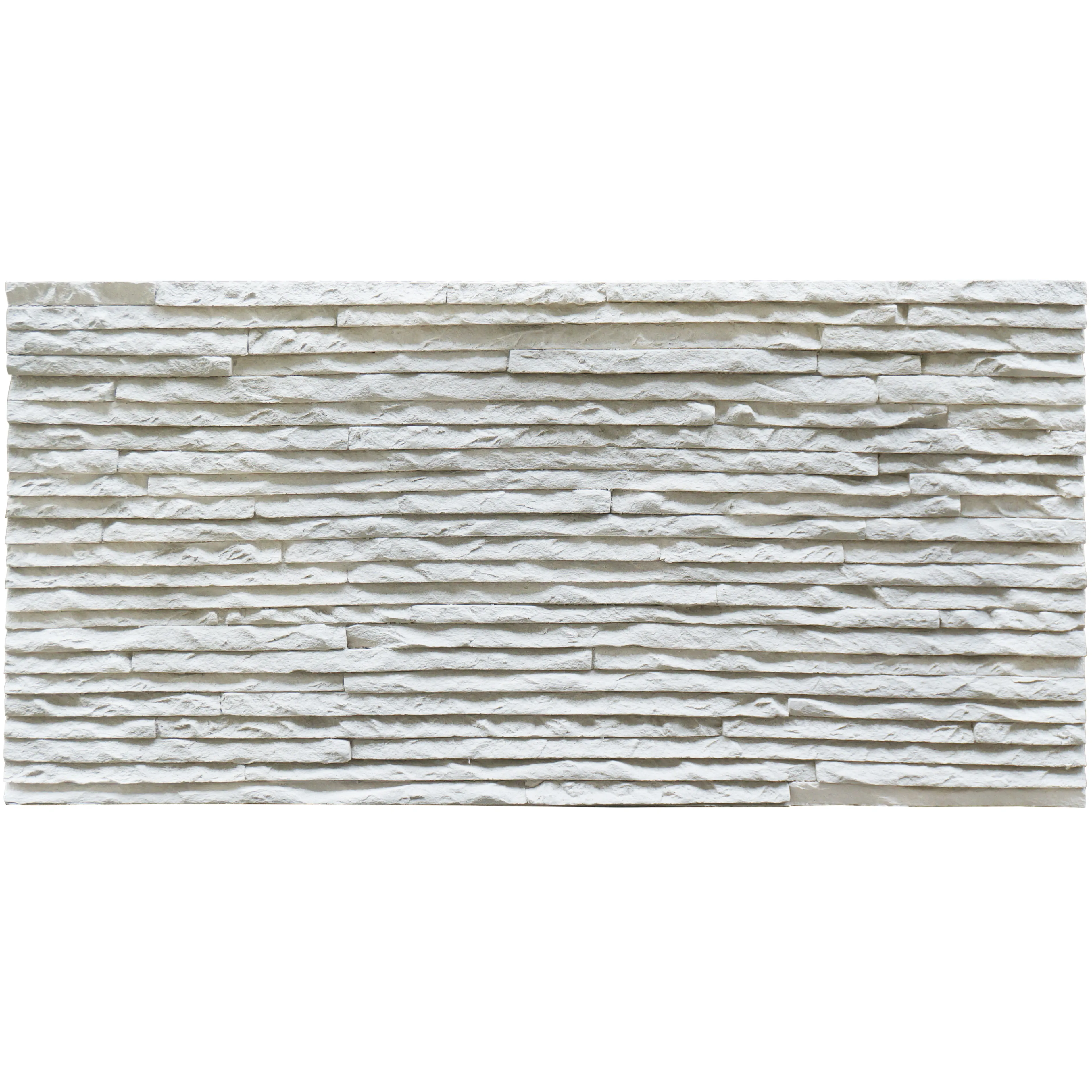
Choosing the right cladding material for a building isn't just about aesthetics—it's about balancing beauty with practicality. Whether you're designing a cozy home exterior, a sleek commercial space, or a heritage-inspired structure, two factors often rise to the top of every architect's and homeowner's list: color consistency (will the material look uniform over time?) and long-term performance (can it stand up to rain, sun, and wear for decades?). Today, we're diving deep into two popular options: Muretto Stone (Beige) and natural Sandstone . Let's break down how they stack up, so you can make a choice that feels both intentional and enduring.
If you've been exploring modern building materials lately, you've probably heard whispers about Muretto Stone . Part of the broader category of flexible stone cladding panels , Muretto Stone (Beige) is an engineered material designed to mimic the warmth of natural stone while addressing some of its biggest pain points. Think of it as nature's beauty, reimagined with a touch of human ingenuity.
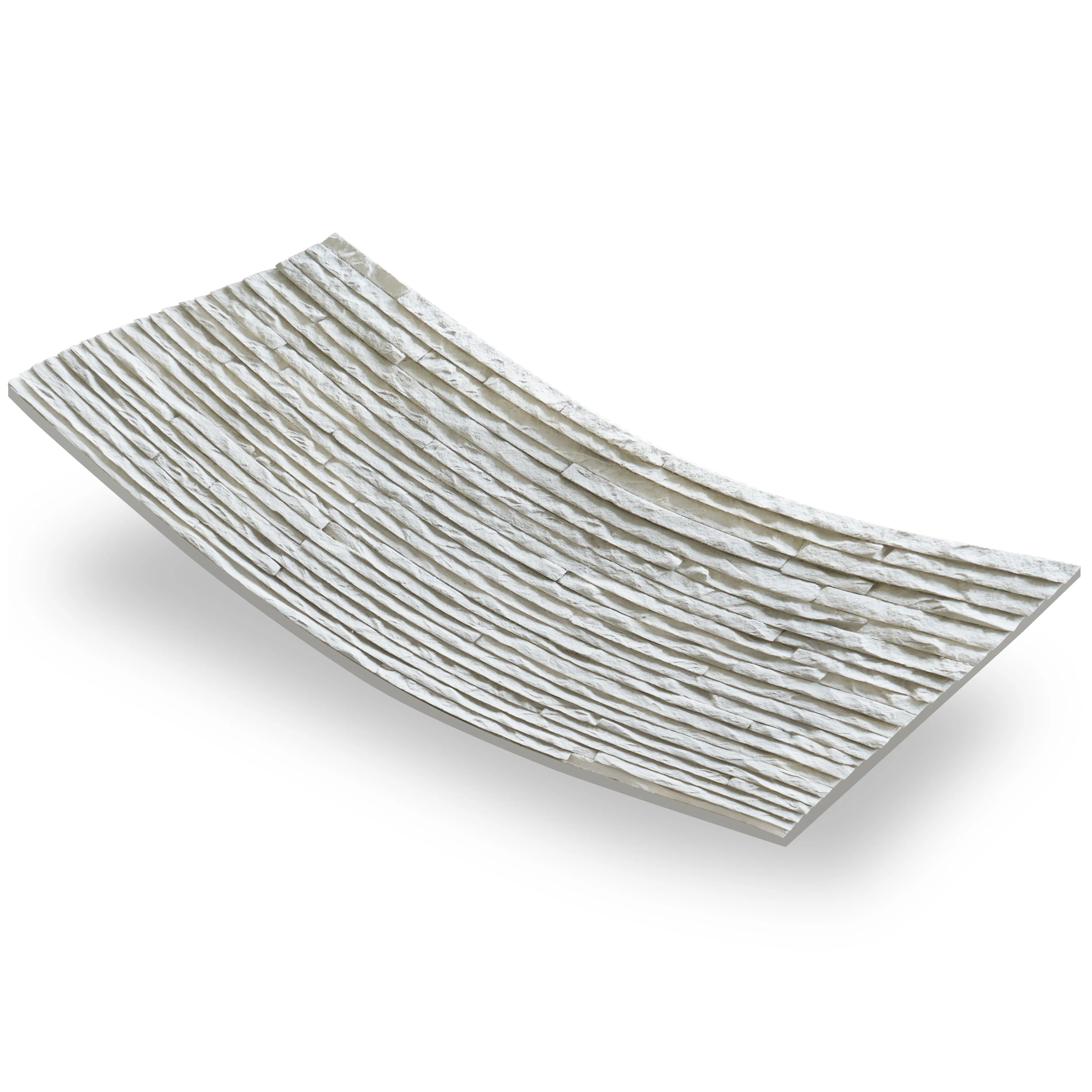
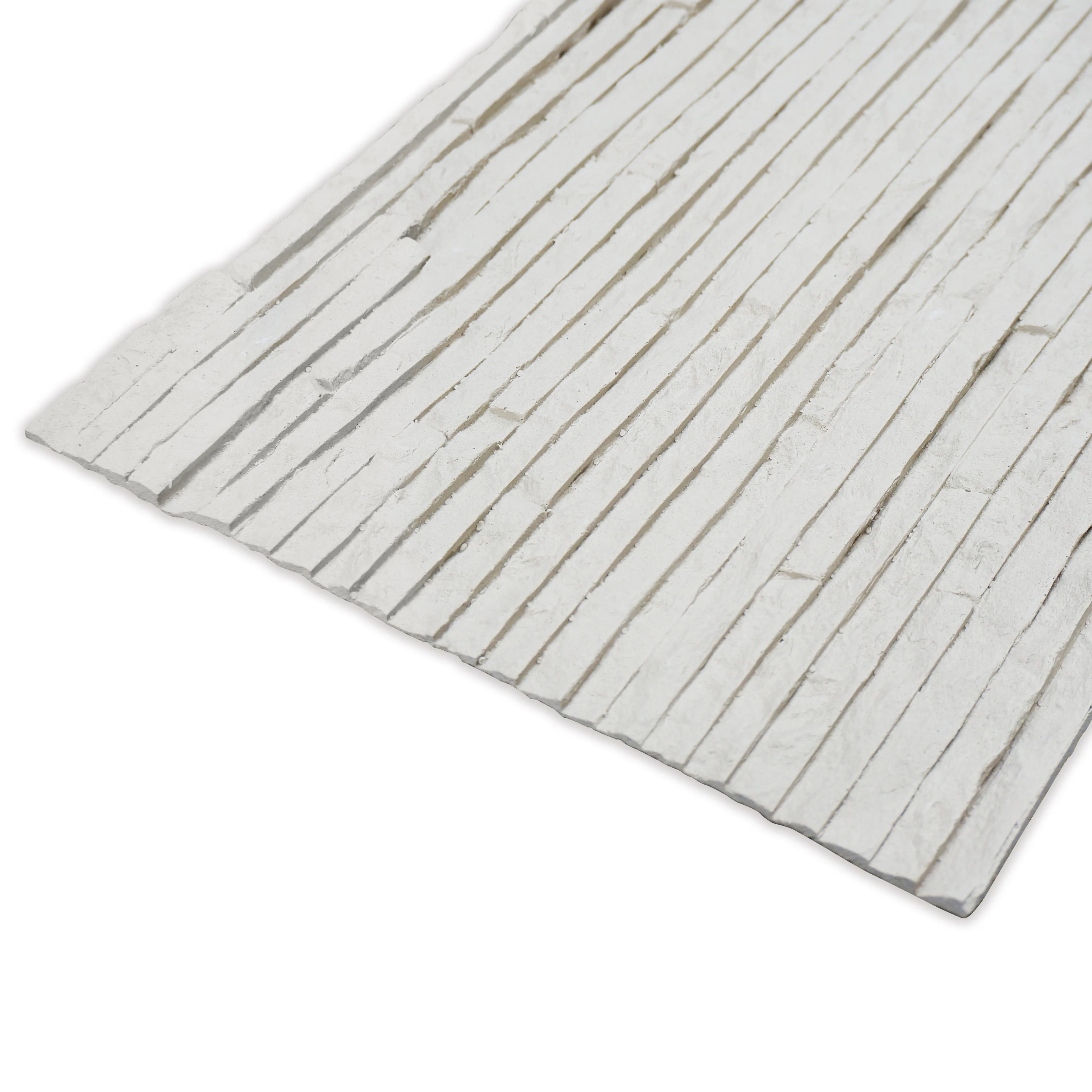
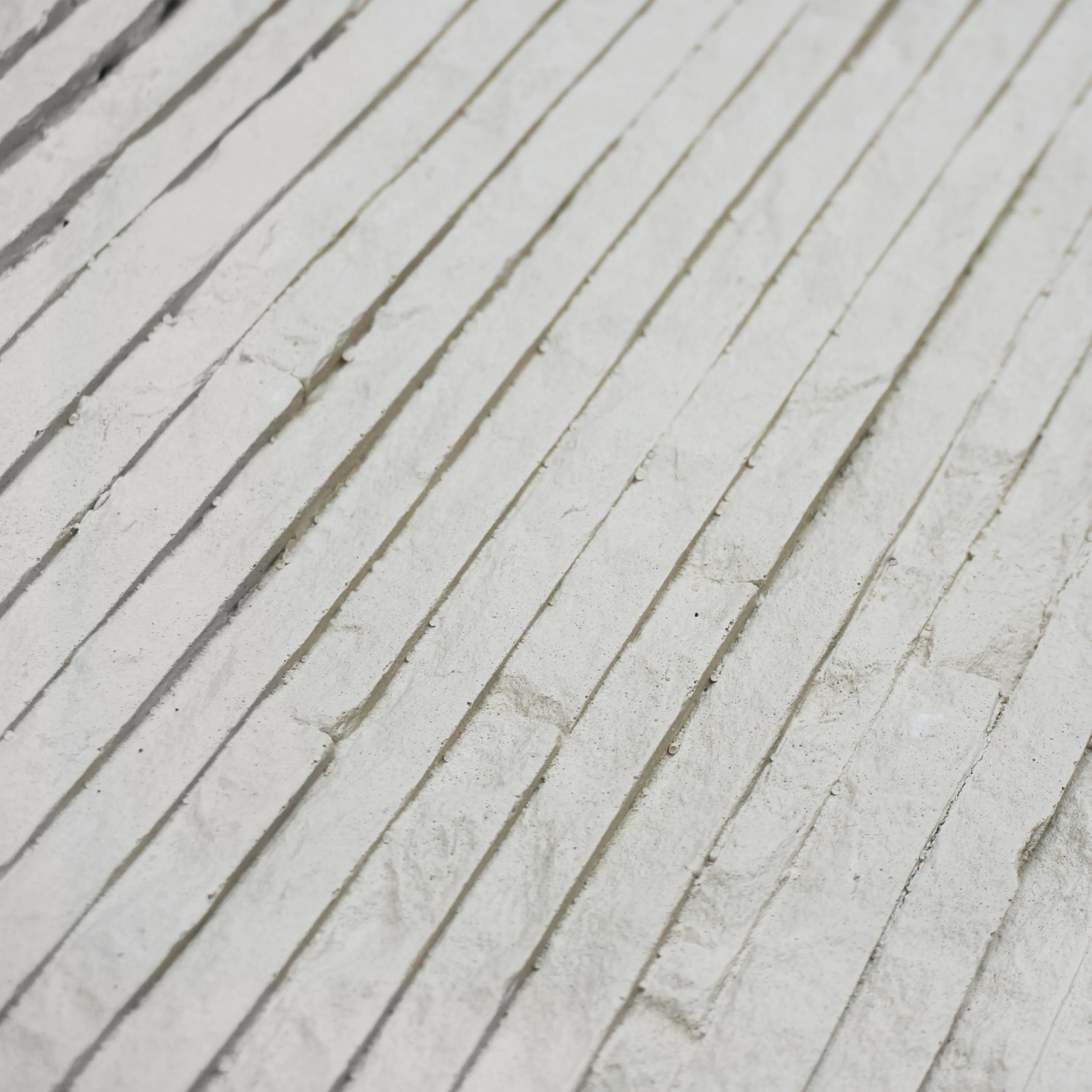
Muretto Stone (Beige) isn't your average synthetic stand-in. It's crafted from a blend of natural minerals—often including crushed stone, resins, and pigments—compressed into thin, flexible panels. Unlike natural sandstone, which is hewn from quarries, Muretto is manufactured in controlled factory settings. This process allows for precise control over its composition, texture, and yes, color .
The "beige" in its name is no accident. Manufacturers use high-quality, UV-stable pigments to achieve a soft, earthy tone that evokes the warmth of traditional lime stone (beige) but with a consistency that natural stone struggles to match. It's designed for projects where uniformity matters—think of a luxury hotel lobby where every wall panel needs to feel cohesive, or a residential development where homeowners want their exteriors to look polished, not patchy.
Let's talk about the elephant in the room: color variation . Anyone who's worked with natural stone knows the drill: you order 50 square feet of "beige sandstone," and when the shipment arrives, half of it leans pink, a quarter has odd gray streaks, and the rest is the shade you actually wanted. Natural stone is beautiful, but its color is a product of millions of years of geological luck—mineral deposits, pressure, and even ancient riverbeds all leave their mark, resulting in one-of-a-kind slabs… which is great for uniqueness, terrible for consistency.
Muretto Stone (Beige) flips the script. Since it's made in batches under controlled conditions, each panel is designed to match the next. No more worrying about "lot variations" or "quarry inconsistencies." Imagine ordering 100 panels for your home's exterior and having them all arrive looking like they were cut from the same stone. That's the Muretto promise.
But here's the kicker: its color doesn't just stay consistent when you first install it —it stays consistent over time . Unlike some natural stones that fade or darken with exposure to sunlight, Muretto's pigments are engineered to resist UV degradation. I recently spoke with a contractor in Arizona who installed Muretto Stone (Beige) on a commercial building five years ago. "We expected some fading, especially with our harsh sun," he told me. "But walk by it today, and it looks like we put it up last month. The beige is still warm, no blotches, no discoloration. That's the engineered difference."
Color consistency is great, but what good is a pretty panel if it cracks, warps, or peels after a few winters? Muretto Stone (Beige) shines here, too, thanks to its flexible nature and composite makeup.
I visited a coastal home in Maine last year where the owner had chosen Muretto Stone (Beige) for the exterior. "We get brutal winters—ice, salt spray, you name it," she said. "After three years, there's not a single crack or stain. My neighbor has sandstone; he's already had to replace two panels because they split. I'm never going back to natural stone for exteriors."
Muretto Stone (Beige) isn't for everyone, but it's a standout choice if you prioritize:
If Muretto is the new kid on the block, Sandstone is the wise elder. For centuries, civilizations have built with sandstone—from ancient temples in India to colonial-era homes in Europe. It's a natural sedimentary rock formed by layers of sand-sized grains (quartz, feldspar, and other minerals) compressed over millions of years. Its appeal? Timeless beauty, unique character, and that unbeatable "natural" feel.
Every slab of sandstone tells a story. Quarried from regions like India, Australia, or the American Southwest, each block carries the marks of its environment: iron oxides might give it warm red or orange hues, while clay minerals add soft beiges and grays. The beige sandstone we're focusing on here is often mined from deposits rich in quartz and feldspar, resulting in a palette that ranges from creamy ivory to deep taupe.
Unlike Muretto, sandstone isn't "made"—it's discovered . Miners extract large blocks from quarries, then slice them into slabs. This natural formation is part of its charm, but it's also why consistency can be a challenge. Two slabs from the same quarry might look drastically different: one could have subtle veining, another might be dotted with fossilized shells, and a third might have a darker streak from a mineral-rich layer in the earth.
Let's be clear: sandstone's lack of color consistency is part of its allure. If you're designing a rustic cabin or a heritage-inspired building, those variations—those "flaws"—are what make the space feel alive. A wall of sandstone isn't just a wall; it's a piece of the earth, with all its quirks and history.
But here's the downside: those quirks can become headaches for projects that need uniformity. I once worked with a designer who specified beige sandstone for a restaurant chain's interiors. The first location looked stunning—warm, earthy, full of character. The second location? The sandstone batch was noticeably darker, with more red undertones. The client was livid; the brand's "cozy beige" aesthetic suddenly felt off. The designer had to scramble to source matching slabs, delaying the project by weeks.
Sunlight adds another layer of complexity. Sandstone's natural pigments can fade over time, especially in areas with intense UV exposure. A bright beige slab might turn a dull gray after a few years, or develop uneven "tan lines" where overhangs protect part of the wall. Sealing can slow this process, but it's not a permanent fix—and it adds to the maintenance workload.
Sandstone is tough—it's been standing in for centuries, after all. But its durability comes with caveats, especially in modern contexts.
That said, when cared for properly, sandstone can last a lifetime. I visited a 100-year-old courthouse in upstate New York with sandstone exteriors. The stone has weathered—there are chips here and there, and the color has mellowed—but it still exudes a grandeur that modern materials can't replicate. "We seal it every spring," the facilities manager told me. "It's a hassle, but look at it. You can't put a price on that kind of character."
Sandstone shines when you want to embrace imperfection and history. It's perfect for:
Still on the fence? Let's break it down with a side-by-side comparison. This table focuses on the two factors we care about most: color consistency and long-term performance.
| Factor | Muretto Stone (Beige) | Natural Sandstone (Beige) |
|---|---|---|
| Color Uniformity | Highly consistent. Factory-controlled pigments ensure minimal batch-to-batch variation. | Inconsistent. Natural mineral variations and quarry location lead to differences in hue, veining, and tone. |
| UV Resistance | Excellent. UV-stable pigments resist fading, even in harsh sunlight. | Moderate. Natural pigments fade over time; requires sealing to slow the process. |
| Water Absorption | Low (≤2%). Repels moisture, reducing risk of freeze-thaw damage. | High (5–15%). Soaks up water, leading to cracks, stains, and erosion. |
| Maintenance Needs | Minimal. Occasional cleaning with water; no sealing required. | High. Requires sealing every 2–3 years; prone to stains that need immediate cleaning. |
| Installation Flexibility | High. Thin, flexible panels can bend around curves and fit on various surfaces (even high-rises). | Low. Heavy, rigid slabs need strong structural support; can't bend or curve. |
| Lifespan | 20–30 years with minimal wear (in ideal conditions). | 50+ years (with proper maintenance); can last centuries in low-stress environments. |
At the end of the day, there's no "perfect" material—only the right material for your project. Let's simplify the decision:
And if you're still torn? Consider mixing them. Some designers use sandstone for accent walls (where its uniqueness is a feature) and Muretto Stone (Beige) for larger, more visible areas (where consistency is key). It's the best of both worlds—history and innovation, side by side.
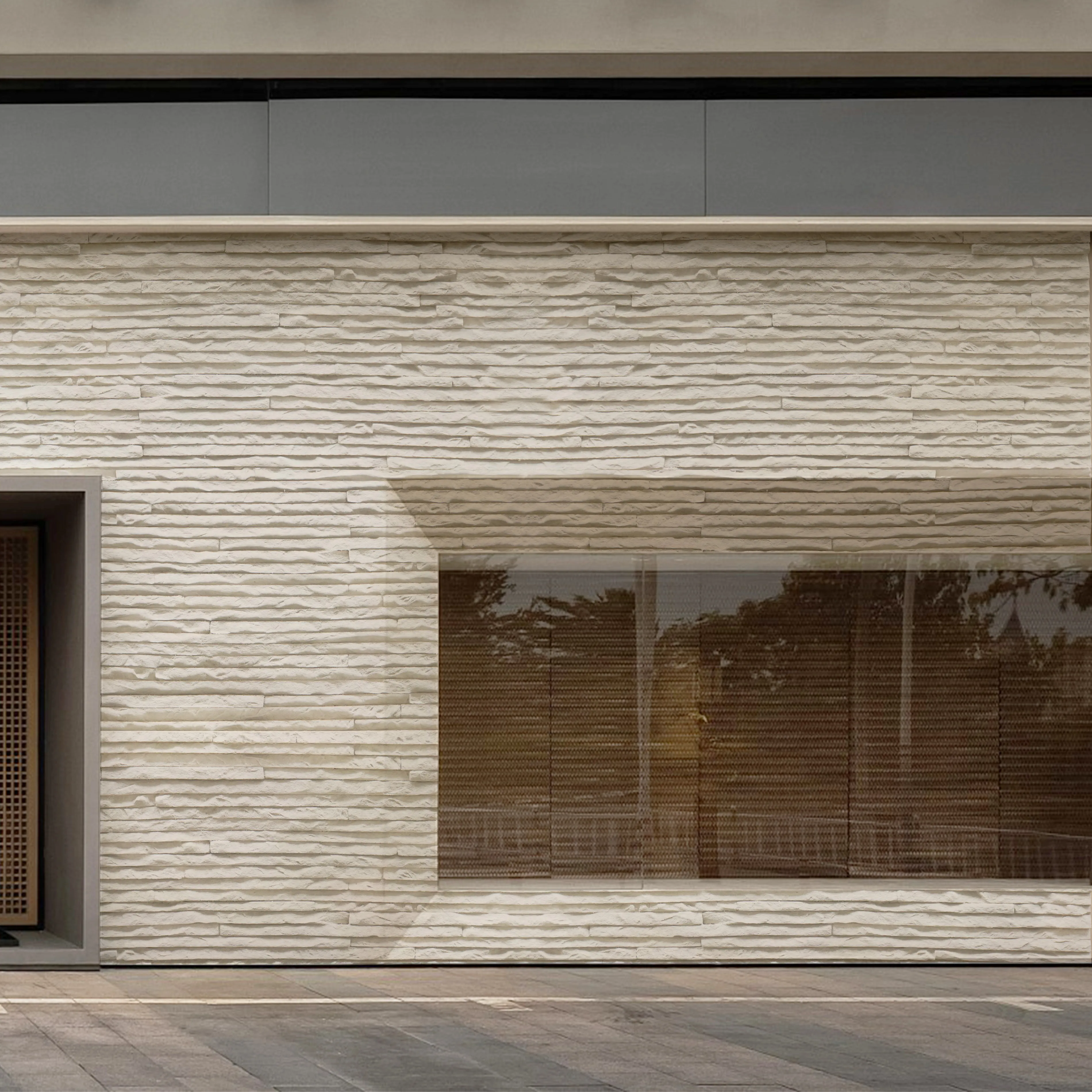
Muretto Stone (Beige) and sandstone both have their place in the world of architecture. Sandstone is a storyteller—it carries the earth's history in every vein and imperfection. Muretto, by contrast, is a problem-solver—it takes the beauty of stone and makes it reliable, consistent, and easy to live with.
If your project demands a "no-fuss" material that looks great year after year, Muretto Stone (Beige) is hard to beat. But if you're willing to nurture a material that ages like fine wine—gaining character with every scratch and fade—sandstone might just steal your heart.
Whichever you choose, remember: the best building materials aren't just about how they look on day one. They're about how they make you feel decades later—whether that's pride in a uniform, low-maintenance facade or joy in the unique, weathered beauty of a material that's truly part of the earth.
Recommend Products












