
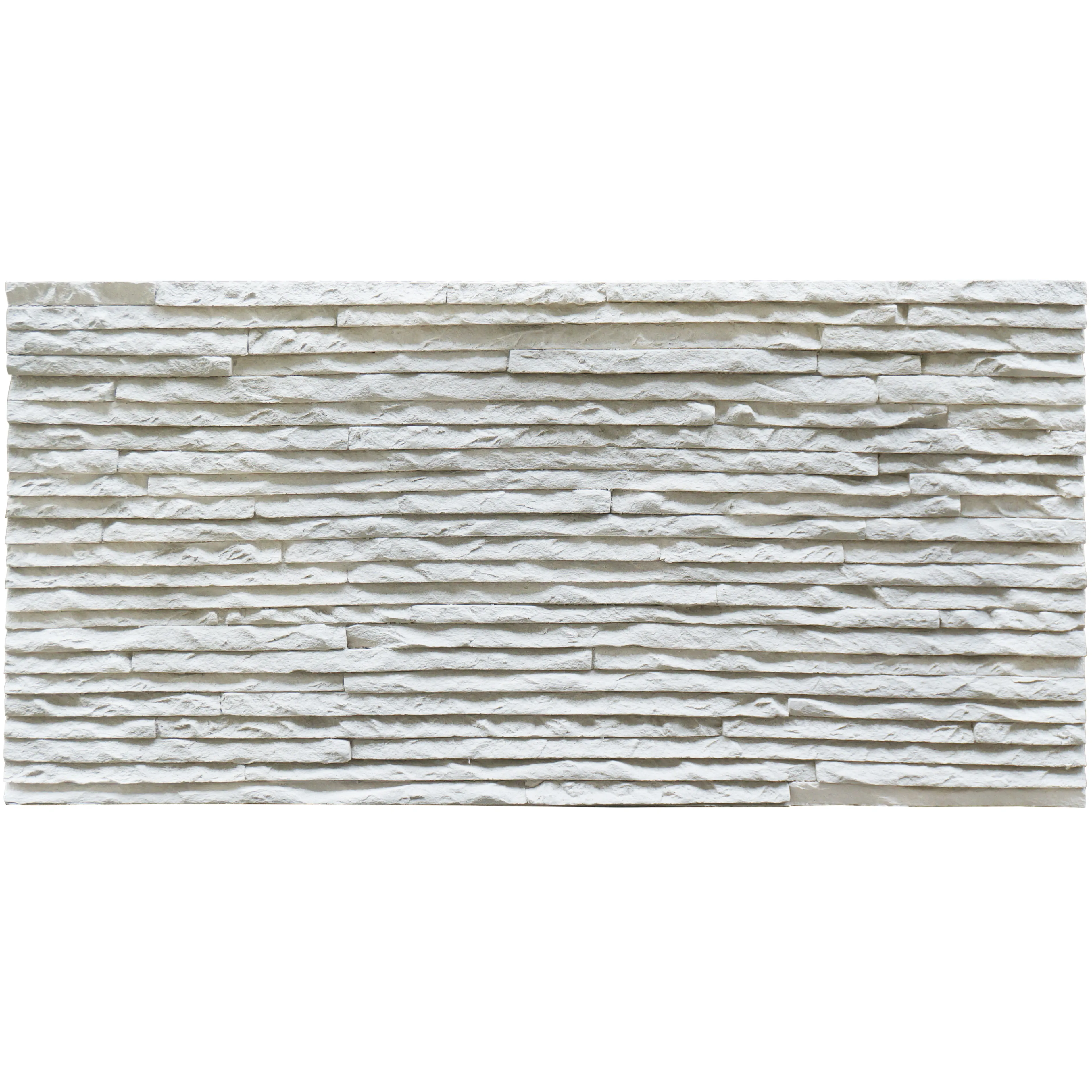
Walk down a street lined with old and new buildings, and you'll notice something subtle but profound: the walls that stand strong aren't just there to look good. They're silently fighting a daily battle against the elements—sunlight that heats them up, cold nights that cool them down, and the endless cycle of expansion and contraction that comes with it. For architects, builders, and even homeowners, choosing the right cladding material isn't just about aesthetics; it's about picking a material that can dance with temperature changes without cracking, warping, or losing its charm. Today, we're putting two popular contenders head-to-head: Muretto Stone (Beige) , a modern composite favorite, and Terracotta , a timeless classic with roots in ancient construction. Let's dive into how they handle thermal stress, and why it matters for the spaces we build.
Before we compare the two materials, let's talk about the star of the show: thermal expansion and contraction. It's a simple concept with big consequences. When a material is exposed to heat—say, direct sunlight on a summer afternoon—it expands. When the sun sets and temperatures drop, it contracts. Over time, this back-and-forth movement can stress the material. If it's rigid or brittle, those tiny movements add up, leading to cracks, gaps, or even structural damage. For exterior cladding, which takes the brunt of weather changes, this isn't just a minor issue—it's a make-or-break factor for durability, maintenance costs, and long-term beauty.
Think about a home with exterior walls that crack after a few years. Not only does it look unsightly, but those cracks can let in moisture, leading to mold, rot, or further structural weakening. For commercial buildings, the stakes are higher: a cracked facade can harm a brand's image and require costly repairs. That's why understanding how materials like Muretto Stone (Beige) and Terracotta handle thermal stress isn't just technical—it's about protecting investments and ensuring spaces last.
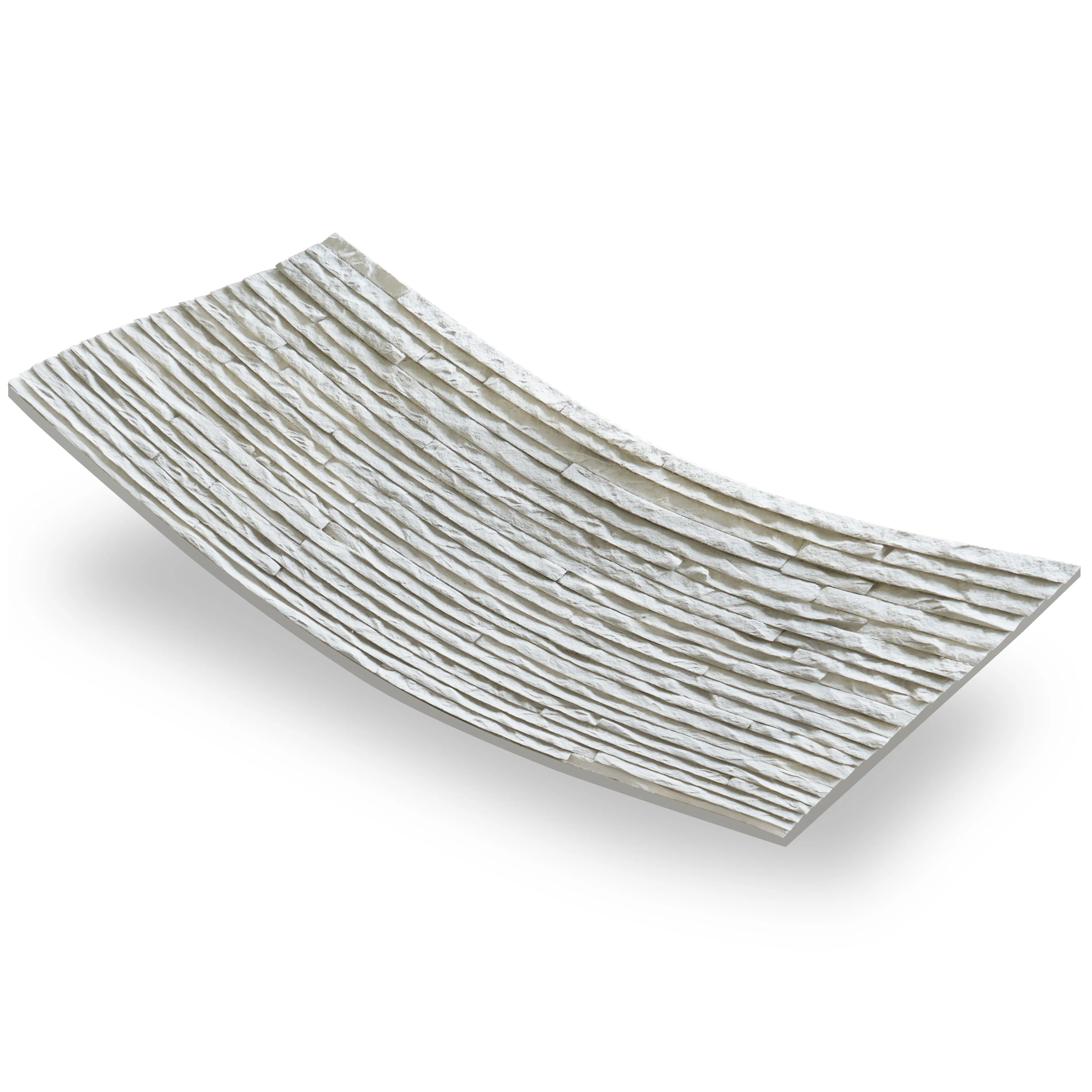
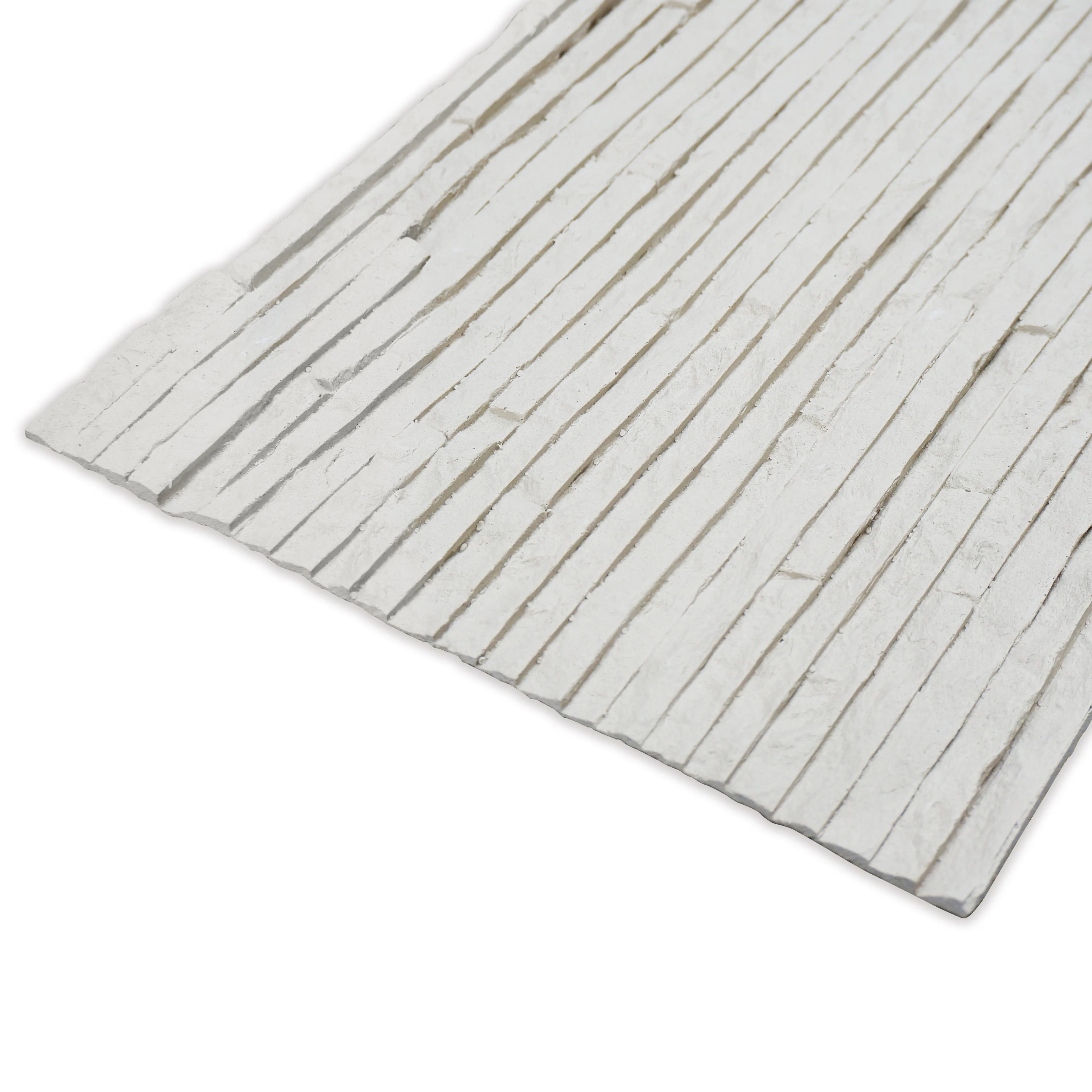
First up: Muretto Stone (Beige) . Part of the broader Muretto Stone series, which includes light grey and dark grey variants, this beige iteration has become a go-to for designers seeking a warm, earthy look with modern durability. What sets it apart? Unlike traditional stone, Muretto Stone is a modified composite material, blending natural minerals with polymers to enhance flexibility and resilience. For those familiar with flexible stone technology, this is where Muretto shines—it's designed to bend, not break, under stress, including thermal movement.
Let's break down its thermal properties. Muretto Stone (Beige) typically has a low coefficient of thermal expansion (CTE), the measure of how much a material expands per degree of temperature change. While exact numbers vary by manufacturer, it often falls in the range of 5–8 x 10⁻⁶ per °C. For context, that's lower than many natural stones, meaning it expands and contracts less with temperature swings. Why? The polymers in its composition act as a buffer, absorbing some of the stress that would otherwise lead to cracking. Add to that its low water absorption rate—thanks to a dense, non-porous surface—and you've got a material that resists freeze-thaw damage too (when water seeps in, freezes, and expands, worsening cracks).
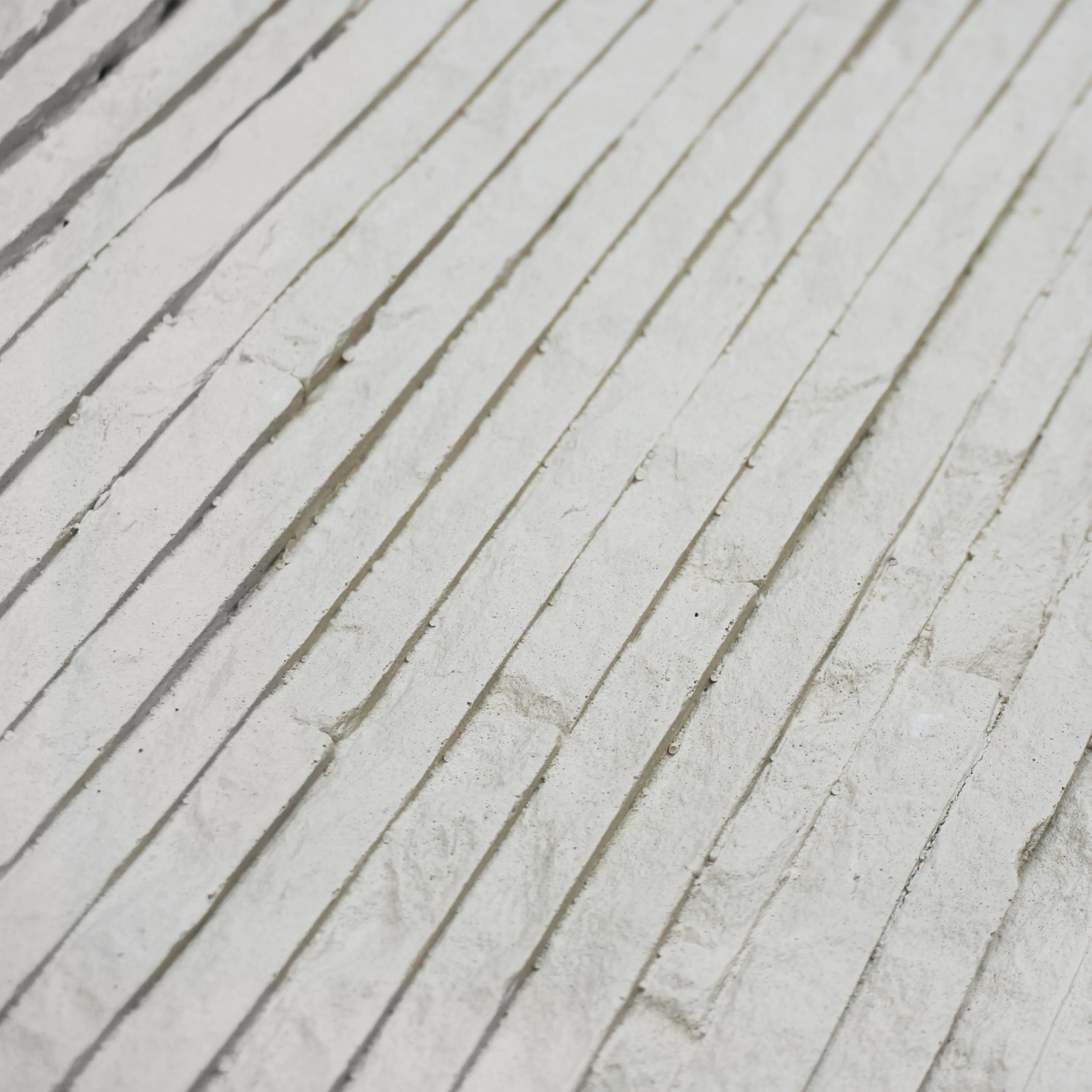
Aesthetically, Muretto Stone (Beige) leans into warmth: soft beige tones with subtle texture, mimicking the look of lime stone(beige) but with a more consistent finish. It's versatile, fitting both modern minimalist homes and traditional-style buildings. And because it's a composite, it's lighter than natural stone, making installation easier and reducing stress on building frames—a bonus for large-scale projects.
Now, let's turn to Terracotta , a material with a resume that spans millennia. From ancient Roman villas to Renaissance palaces, Terracotta (Italian for "baked earth") has stood the test of time, loved for its rich, earthy hues and natural texture. Made by firing clay at high temperatures, it's a ceramic material with a distinct, porous structure. But that porosity, while part of its charm, also influences its thermal behavior.
Terracotta's CTE is generally higher than Muretto Stone (Beige), often ranging from 8–12 x 10⁻⁶ per °C. That means it expands more when heated and contracts more when cooled—a bigger "swing" that puts more stress on the material over time. Its porosity adds another layer: it absorbs water, which can freeze in cold climates, expanding and creating tiny cracks. These cracks, in turn, make the material more vulnerable to future thermal stress. That's not to say Terracotta is weak—historic buildings prove it can last centuries—but it requires more maintenance: sealing to reduce water absorption, periodic repairs to fix small cracks, and careful installation to allow for movement (like leaving expansion joints between panels).
What keeps Terracotta relevant? Its connection to heritage. For restoration projects or buildings aiming for a historical pathfinders stone aesthetic—one that honors traditional craftsmanship—Terracotta is irreplaceable. Its warm, reddish-brown tones and handcrafted look add character that modern materials often struggle to replicate. It's also breathable, allowing moisture to escape from walls, which can be beneficial in humid climates. But when it comes to thermal stability, it's a trade-off: beauty and history for a bit more upkeep.
| Property | Muretto Stone (Beige) | Terracotta |
|---|---|---|
| Coefficient of Thermal Expansion (CTE) | 5–8 x 10⁻⁶ per °C (lower movement) | 8–12 x 10⁻⁶ per °C (higher movement) |
| Water Absorption | Low (≤3%) – resists freeze-thaw damage | Moderate (5–8%) – more prone to freeze-thaw issues |
| Flexural Strength | High – bends without cracking | Moderate – rigid, more likely to crack under stress |
| Maintenance Needs | Low – minimal sealing or repairs | Moderate – periodic sealing, crack repairs |
| Best For | Modern buildings, large exteriors, low-maintenance projects | Historic restoration, heritage-style buildings, breathable walls |
| Aesthetic Vibe | Consistent, warm beige with subtle texture (mimics limestone) | Rustic, earthy red-brown with handcrafted, porous texture |
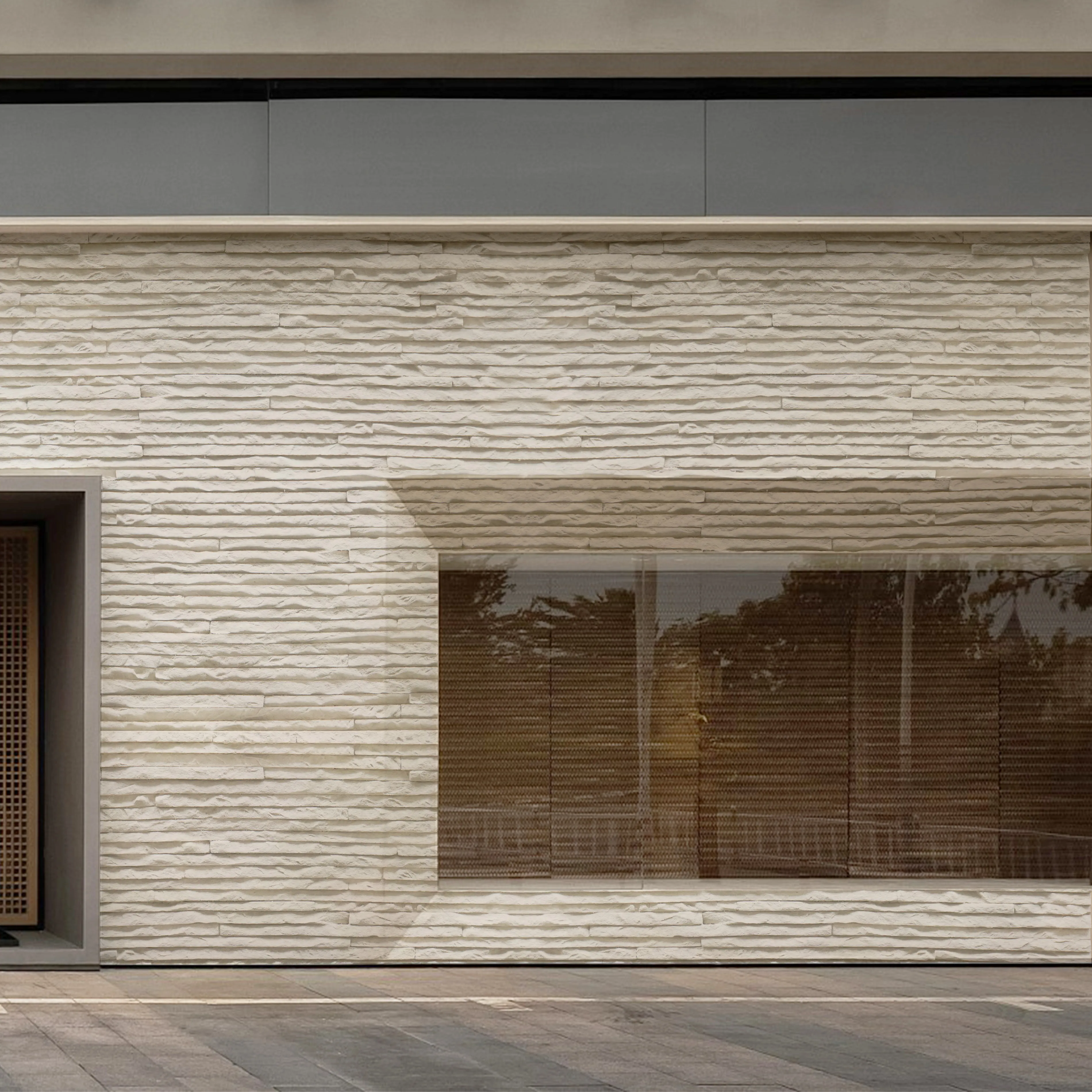
Let's ground this in examples. Imagine two projects: a modern apartment complex in a city with extreme temperature swings (hot summers, cold winters) and a restoration of a 19th-century town hall. For the apartment complex, Muretto Stone (Beige) makes sense. Its low CTE means less risk of cracks from summer heat and winter cold, reducing long-term maintenance costs for the building owner. Its lightweight nature also speeds up installation, getting the building occupied faster. And its consistent beige finish pairs well with modern architecture, giving a clean, polished look.
Now, the town hall restoration. Here, Terracotta is the obvious choice. The goal is to preserve history, and Terracotta's traditional appearance—with its slight variations in color and texture—matches the building's original character. Yes, the maintenance team will need to seal the Terracotta every few years and monitor for cracks, but the payoff is a building that feels authentic, connecting the present to the past. In this case, thermal stability takes a backseat to heritage.
What about a homeowner torn between the two? If they prioritize low upkeep and live in an area with harsh weather, Muretto Stone (Beige) is the practical pick. If they love the look of historic homes and don't mind occasional repairs, Terracotta could be worth the effort. It all comes down to balancing function and feeling.
Muretto Stone (Beige) and Terracotta aren't just materials—they're products of their time. Terracotta emerged from necessity: early civilizations needed durable, locally available building materials, and clay fit the bill. Muretto Stone, on the other hand, is a child of modern material science, engineered to solve the flaws of traditional options like natural stone or even Terracotta. Its flexibility (thanks to flexible stone technology) and low CTE are intentional design choices, born from decades of research into how materials fail under environmental stress.
This evolution matters because buildings today face new challenges: climate change is bringing more extreme weather, from heatwaves to cold snaps, making thermal stability more critical than ever. A material that could handle the weather 50 years ago might struggle now. That's why innovations like Muretto Stone are gaining traction—they're built for the realities of today's climate, not just yesterday's.
At the end of the day, Muretto Stone (Beige) and Terracotta aren't enemies—they're tools, each with its own superpower. Muretto excels in thermal stability, low maintenance, and modern versatility; Terracotta shines in heritage, craftsmanship, and timeless beauty. The "winner" depends on the project: Is it about building for the future, or honoring the past? About function, or feeling?
For architects and builders, the takeaway is clear: never underestimate the silent power of thermal expansion and contraction. It's not as glamorous as a sleek design or a bold color, but it's what keeps walls standing tall for decades. And for homeowners? Next time you admire a building's exterior, take a moment to appreciate the material beneath the surface—it's working harder than you think.
So, whether you lean toward the modern resilience of Muretto Stone (Beige) or the historic charm of Terracotta, remember: the best materials don't just fill space—they stand the test of time, temperature, and everything in between.
Recommend Products












