
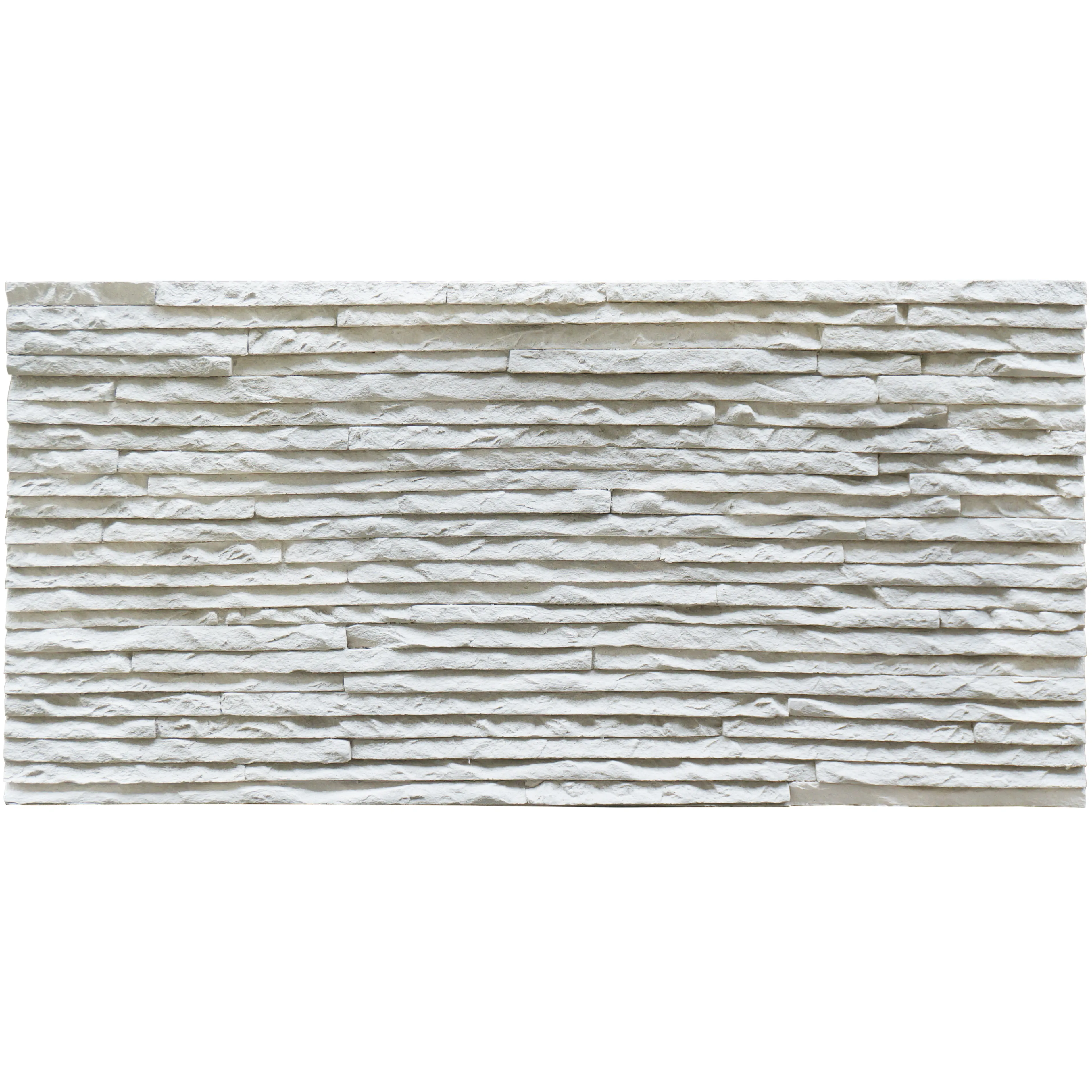
Exterior facades are more than just walls—they're the first hello a building extends to the world. They tell a story, set a mood, and even shape how we feel when we walk up to a home, office, or public space. If you're knee-deep in planning a project, you've probably stared at endless material samples, wondering: Which one will turn my vision into something tangible—something that feels right? Today, let's zoom in on two contenders that often top the list: the warm, earthy Muretto Stone (beige) and the timeless, veined beauty of Travertine. We'll break down their personalities, perks, and pitfalls to help you decide which one deserves a spot on your building's "face."
Let's start with the obvious: how they look. After all, a facade's job is to make a statement—whether it's "cozy cottage" or "sophisticated urban retreat."
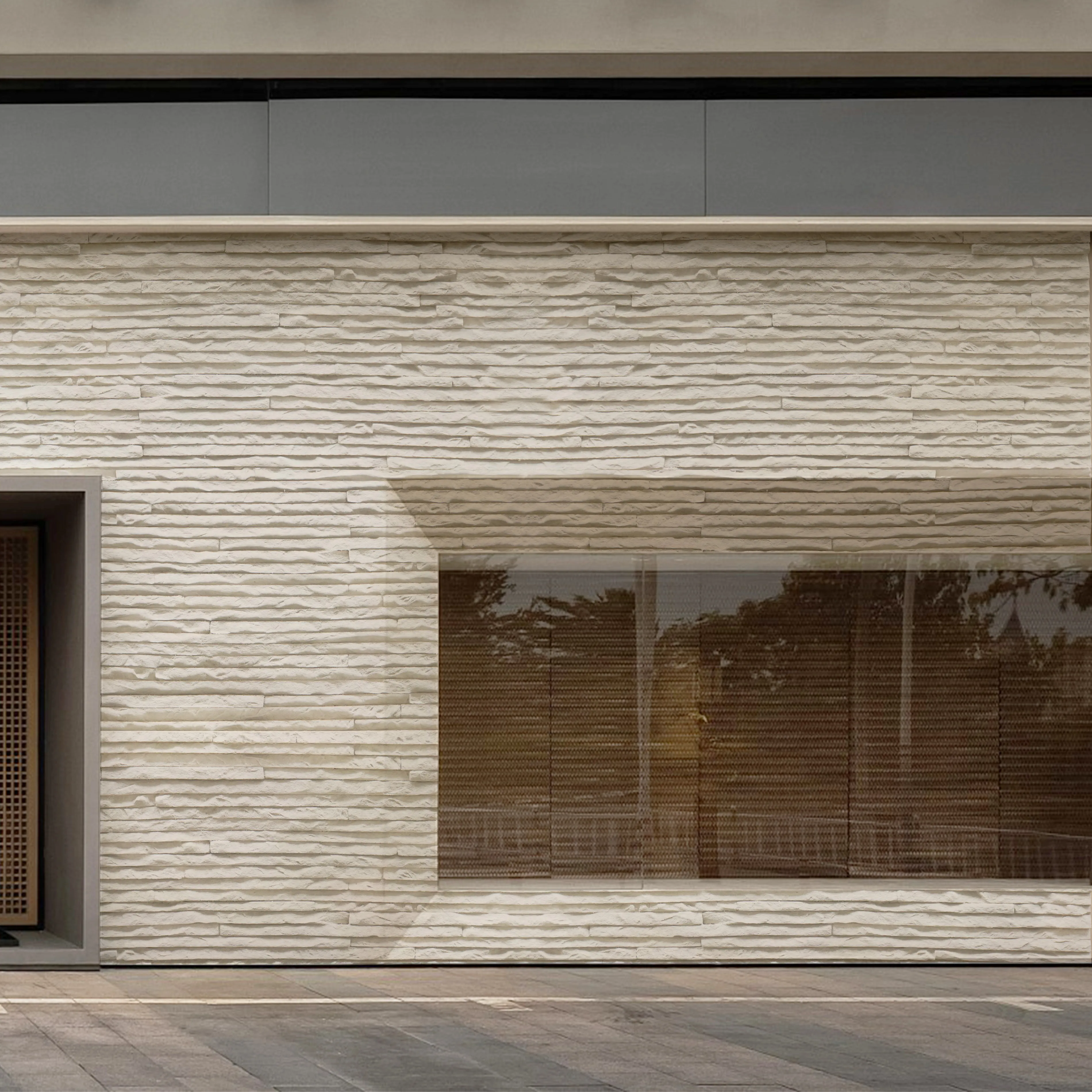
Muretto Stone (beige) feels like a hug from the earth. Its color is soft, like a cup of warm tea on a cool morning—think gentle beige with subtle variations that mimic the look of aged, sun-kissed stone. The texture is inviting, not too rough, with a matte finish that catches light softly, avoiding the harsh glare some shiny materials can have. It's the kind of material that makes a building feel rooted, like it's been part of the landscape for years, even if it's brand new. If your project leans into rustic charm, Mediterranean vibes, or a "lived-in luxury" aesthetic, Muretto Stone (beige) fits like a well-worn pair of boots—comfortable, familiar, and full of character.
Travertine , on the other hand, is the classic beauty of the stone world. Picture natural, cream-colored stone swirled with delicate veins in ivory, gold, or even soft gray—each slab is one-of-a-kind, like a fingerprint from the earth. Depending on the variant (hello, travertine (starry green) or travertine (starry red) for a bold twist), you might get subtle sparkles or deeper, richer tones that add drama. Travertine screams "timeless elegance"—it's the material of ancient Roman baths and grand European villas. It's not just a facade; it's a legacy. If you want your building to feel regal, refined, and slightly untouchable (in the best way), Travertine delivers that "I've arrived" energy.
Quick side note: If you're torn between "warm and cozy" and "bold and modern," don't sleep on the Lunar Peak series (think Lunar Peak silvery or golden)—but today, we're keeping the focus on our two main stars.
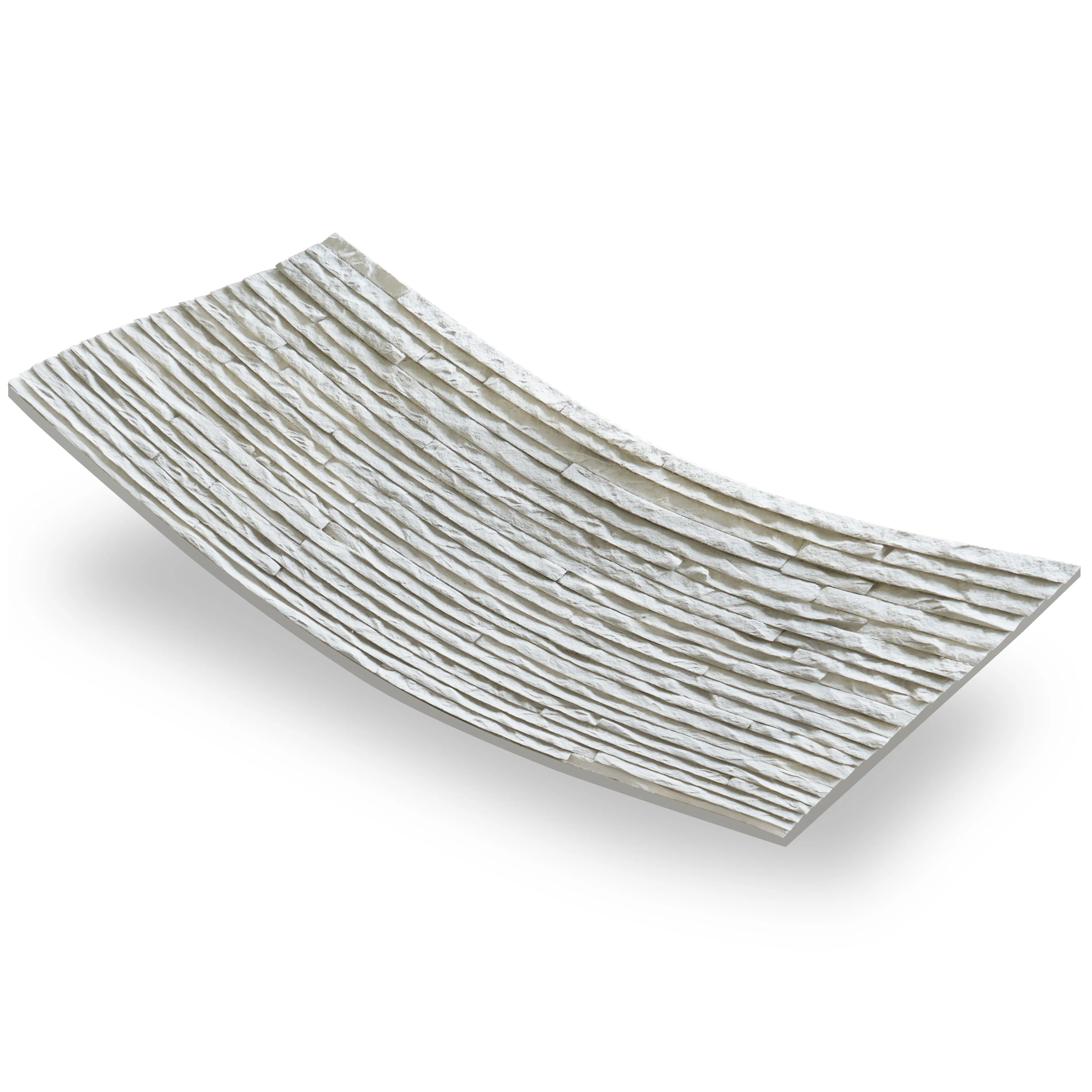
A pretty facade is great, but what happens when the rain pours, the sun blazes, or the wind howls? Let's talk toughness.
Muretto Stone (beige) is often engineered to be a workhorse. Many variants are made with a blend of natural stone aggregates and binders, which means they're less porous than pure natural stone. That translates to better resistance to water, stains, and even chipping. Imagine a material that laughs off a summer downpour or a winter freeze-thaw cycle—no need to panic about cracks or discoloration. It's not indestructible, but it's built to keep looking good with minimal fuss, even in harsh climates.
Travertine , being a natural stone, has been around for millennia (hello, Colosseum!), so it's no lightweight. But here's the catch: it's porous. Think of it like a sponge with tiny holes—if you don't seal it regularly, water, dirt, and even pollution can seep in, leading to stains or erosion over time. In dry, sunny climates, it holds up beautifully, but in areas with heavy rain or humidity? You'll need to stay on top of maintenance (more on that later). It's durable, yes, but it demands a little TLC to stay camera-ready.
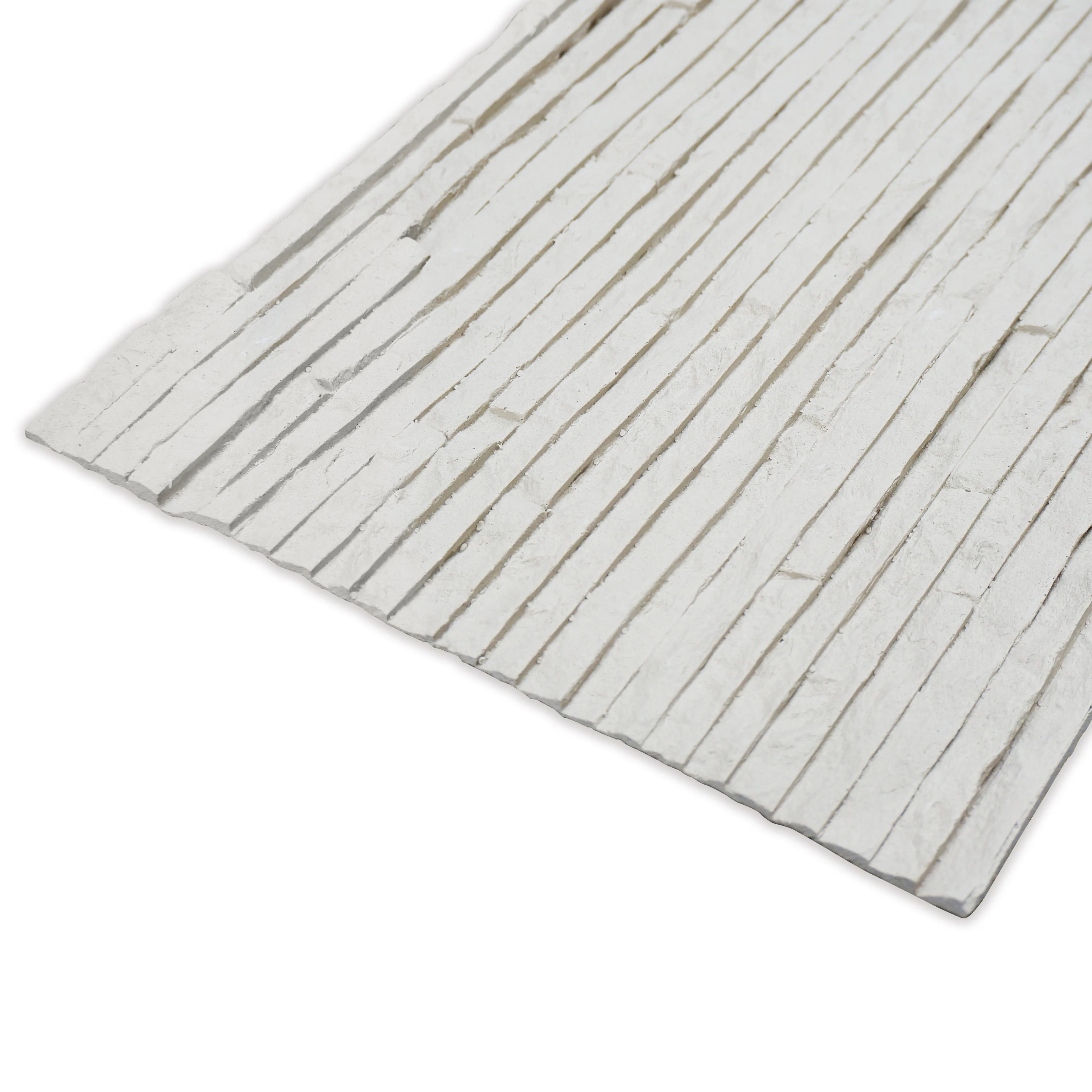
Let's be real: no one wants a facade that turns into a second job. Maintenance matters—especially if you're not the type to fuss over stone sealers or power washers.
Muretto Stone (beige) is the low-maintenance friend we all need. A quick hose-down with water now and then to rinse off dust? That's usually enough. Because it's less porous, you won't have to worry about oil stains from a leaky gutter or bird droppings leaving permanent marks. Even if it gets a little dirty, a soft brush and mild soap will do the trick. It's the "set it and forget it" option for busy homeowners or commercial projects where time is money.
Travertine is a bit high-maintenance, but in a "worth it for the glow-up" way. To keep its veins popping and color vibrant, you'll need to seal it every 1–3 years (depending on climate). Spills? Wipe them up fast—especially acidic stuff like lemon juice or vinegar, which can etch the surface. And while power washing is possible, you'll need to use low pressure to avoid damaging the stone's natural texture. It's not a dealbreaker, but it's a commitment—like owning a luxury car that needs premium fuel and regular detailing.
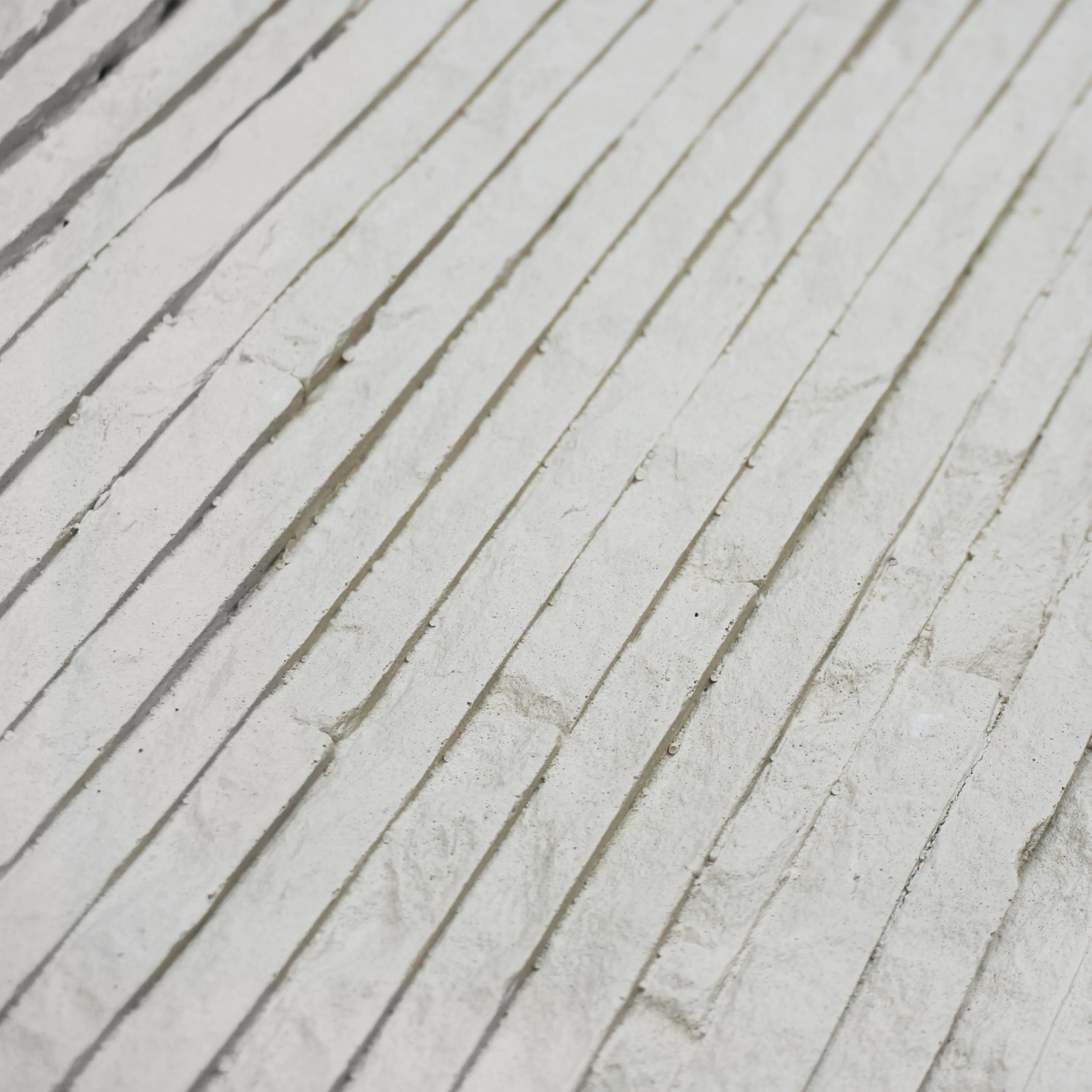
Ever tried moving a slab of stone? It's not for the faint of heart. Installation ease can make or break a project timeline (and your contractor's sanity).
Muretto Stone (beige) often comes in lighter, more manageable panels. Thanks to its engineered composition, it's not as dense as solid natural stone, which means installers can handle it without specialized equipment or extra labor. This can cut down on installation time and costs—no need for reinforced framing or crane rentals for smaller projects. It's like building with giant, beautiful puzzle pieces that actually fit together without breaking a sweat.
Travertine slabs, by contrast, are heavy. Natural stone is dense, so even a medium-sized slab can weigh 100+ pounds. That means you'll need a team of installers, maybe a crane for upper floors, and extra structural support to ensure the facade doesn't strain the building's frame. It's doable, but it adds complexity (and cost) to the process. Think of it as building with marble blocks—impressive, but not exactly a weekend DIY project.
Let's talk numbers. Money isn't everything, but it's definitely something—especially if you're working with a tight budget.
Muretto Stone (beige) tends to be the more budget-friendly option. Engineered materials often cost less than premium natural stone, and the lower installation costs (thanks to lighter weight) sweeten the deal. It's a practical choice if you want high-end looks without the high-end price tag—great for residential projects or commercial builds where aesthetics matter but so does staying under budget.
Travertine is an investment. Natural stone, especially high-quality Travertine with unique veining, comes with a premium price tag. Add in the cost of sealing, specialized installation, and long-term maintenance, and it can stretch a budget. But here's the upside: Travertine holds value. It's a timeless material that never goes out of style, so if you're building something meant to last (like a family home or a landmark building), it might just be worth the splurge. Think of it as buying a vintage watch—it costs more upfront, but it appreciates in both value and charm.
| Feature | Muretto Stone (Beige) | Travertine |
|---|---|---|
| Aesthetics | Warm, earthy beige with a cozy, rustic vibe; subtle texture | Classic cream with natural veining; elegant, timeless look |
| Durability | Engineered for weather resistance; low porosity; handles harsh climates well | Natural durability but porous; needs sealing to resist stains/weather |
| Maintenance | Low; occasional rinsing or gentle cleaning | Moderate; regular sealing and careful stain prevention |
| Installation | Lighter panels; easier handling; lower labor costs | Heavy slabs; requires specialized labor/equipment |
| Cost | Budget-friendly; lower upfront and installation costs | Premium; higher upfront, maintenance, and labor costs |
| Best For | Rustic homes, Mediterranean-style builds, budget-conscious projects | Luxury homes, historic restorations, projects prioritizing timeless elegance |
At the end of the day, there's no "perfect" material—only the perfect material for your project. If you crave warmth, practicality, and a material that works as hard as you do, Muretto Stone (beige) is your ride-or-die. It's the friend who shows up, looks great, and never asks for too much in return.
But if you're building something that's meant to turn heads, stand the test of time, and whisper "legacy" with every vein and curve, Travertine is worth the investment. It's not just a facade—it's a story you'll tell for years.
And hey, if you're still on the fence? Mix and match! Pair Muretto Stone (beige) with accents of Wood Grain Board for a cozy-rustic combo, or use Travertine alongside Fair-faced Concrete for a modern-classic fusion. The best facades are the ones that feel true to your vision—so trust your gut, and let your building's personality shine.
Recommend Products












