
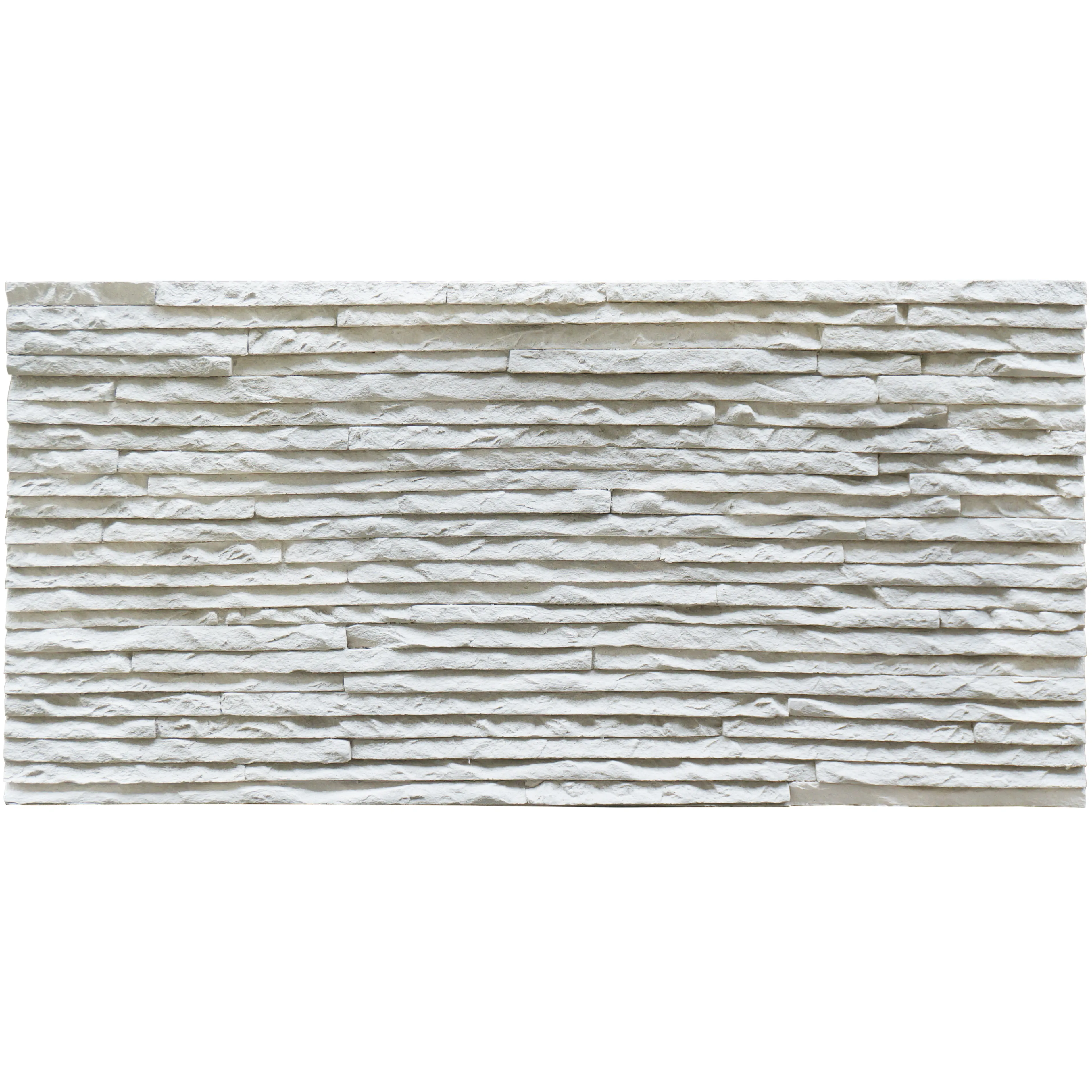
Sarah stood in her driveway, hands on her hips, staring at the peeling vinyl siding of her 15-year-old home. The once-bright white panels now looked dull, with cracks spiderwebbing across the corners and a faint chalky residue that wouldn't wash off. "I thought vinyl was supposed to be low-maintenance," she sighed, recalling the sales pitch from when she bought the house. Across the street, her neighbor's home—clad in a warm beige stone—looked just as fresh as the day it was installed, even after 20 years of harsh sun, rain, and snow. That stone, she later learned, was Muretto stone (beige) , part of the innovative MCM flexible stone series. It got her wondering: When it comes to home exteriors, what really makes a material "long-lasting"? Is it just about surviving the years, or about still looking and performing like new decades later? Let's dive into the debate between Muretto Stone (Beige) and vinyl siding, exploring the factors that truly define longevity for your home's first impression.
Before we pit them against each other, let's get clear on what these materials are. Vinyl siding, the reigning champion of budget-friendly exteriors, is a synthetic product made primarily from polyvinyl chloride (PVC) resin, blended with plasticizers and pigments to create lightweight, easy-to-install panels. It's popular for its initial affordability and wide range of colors, but its reputation for longevity has long been a point of contention. On the other side, Muretto stone (beige) is a modern marvel in building materials—a type of modified composite material (MCM) that combines natural stone aggregates with advanced polymers to mimic the look and feel of authentic stone, but with added flexibility and durability. Unlike traditional heavy stone cladding, MCM flexible stone is thin, lightweight, and designed to withstand the stresses of modern construction while retaining the timeless beauty of natural stone. Think of it as stone's smarter, more adaptable cousin.
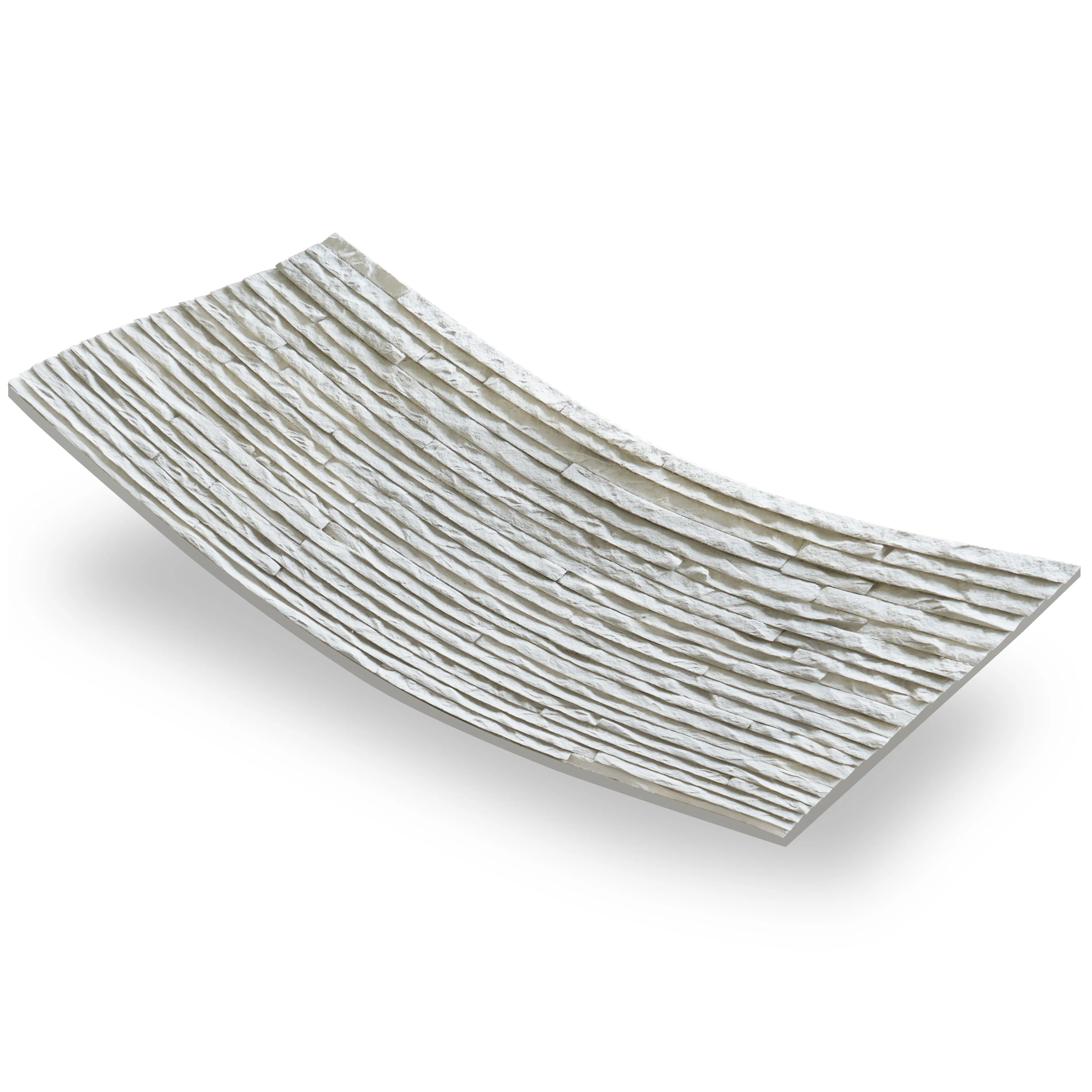
Longevity starts with durability—the ability to resist damage from daily wear, accidental impacts, and the test of time. Let's break down how these two materials stack up:
Vinyl siding is essentially plastic. While modern formulations have improved, its core is still PVC, a material that's prone to brittleness in extreme cold and softening in high heat. Ever noticed how vinyl siding can crack if hit with a falling branch or a stray baseball? That's because PVC lacks the tensile strength to absorb impact without breaking. Over time, exposure to UV rays also causes the plasticizers in vinyl to leach out, making the panels rigid and more susceptible to damage.
Muretto Stone (Beige), by contrast, is engineered for resilience. Its base is a blend of natural stone particles (like marble or travertine dust) and a high-performance polymer binder, creating a material that's both strong and slightly flexible. This flexibility allows it to expand and contract with temperature changes without cracking—a critical feature in regions with extreme weather. It's part of why MCM flexible stone has become a go-to for architects: it combines the compressive strength of stone (think ancient Roman aqueducts) with the adaptability needed for modern buildings. Even materials like Lunar Peak Silvery —another standout in the MCM lineup—share this robust composition, proving that strength is a hallmark of the entire stone series.
Vinyl siding manufacturers often claim a lifespan of 20-30 years, but real-world experiences tell a different story. Sarah's 15-year-old vinyl is already failing, and she's not alone. According to a 2023 survey by the National Association of Home Builders, vinyl siding often requires significant repairs or replacement after just 15-20 years, especially in climates with extreme temperature swings or high UV exposure. The culprit? PVC's sensitivity to heat and cold, which causes panels to warp, fade, or crack long before the "expected" lifespan.
Muretto Stone (Beige), on the other hand, is built for the long haul. Thanks to its stone-polymer composition, it boasts a projected lifespan of 50+ years with minimal degradation. In fact, early installations of MCM flexible stone from the 1990s—like the historic library in Portland, Oregon—still look pristine today, with no signs of fading, cracking, or warping. It's a testament to how well the material holds up when designed to mimic nature's most durable creations.
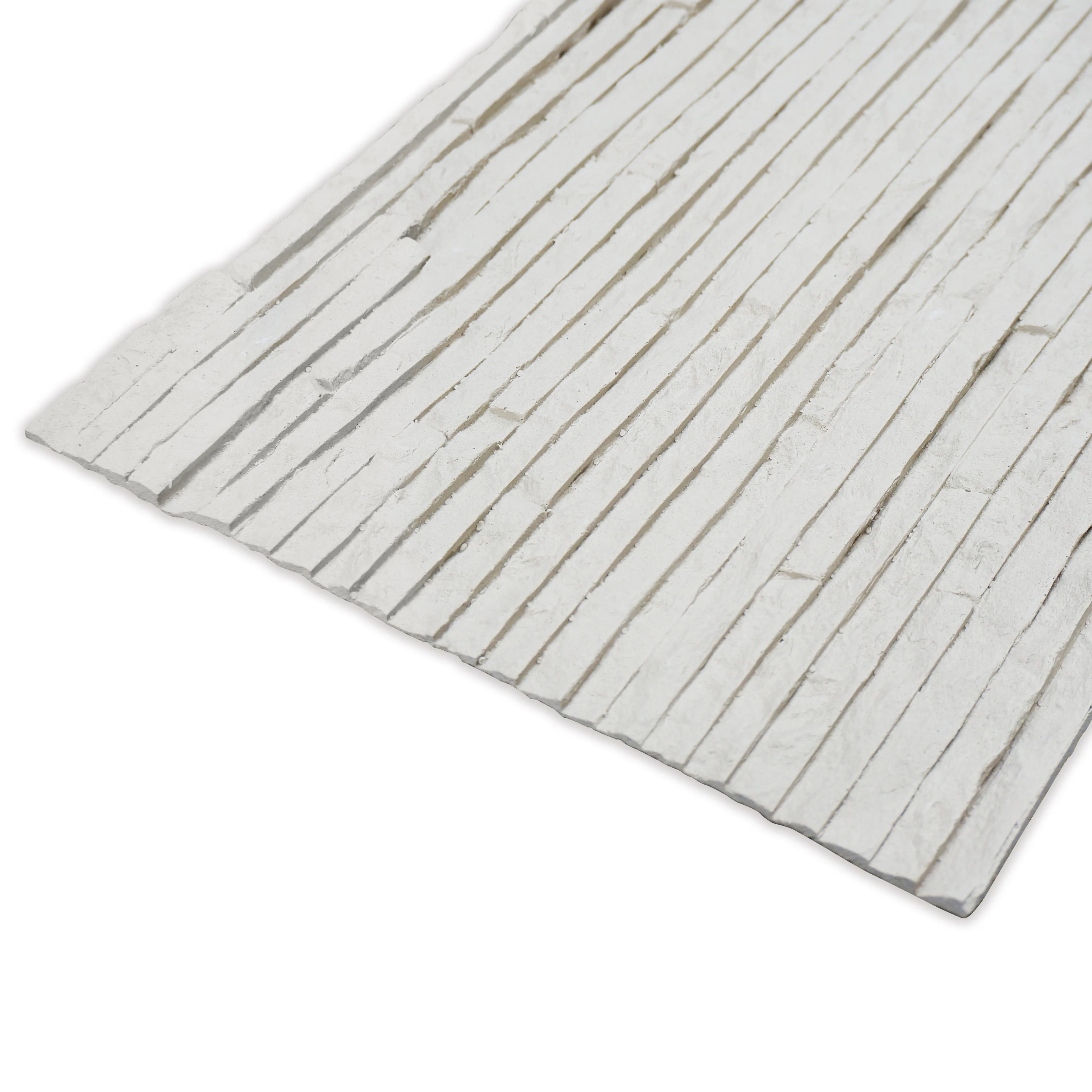
Your home's exterior is its first line of defense against Mother Nature. From scorching summer sun to freezing winter winds, from torrential rains to salty coastal air, a material's ability to stand up to the elements directly impacts how long it lasts. Let's see how our two contenders perform:
The sun's UV rays are a silent enemy of exterior materials, breaking down pigments and weakening molecular bonds over time. Vinyl siding is particularly vulnerable here. Ever noticed how older vinyl homes look "washed out"? That's called "chalking"—a process where the surface layer of the PVC degrades, leaving a powdery residue that fades the color. In severe cases, the panels can even become brittle and start to flake. Dark-colored vinyl is worse, absorbing more heat and accelerating the breakdown.
Muretto Stone (Beige) laughs in the face of UV rays. Its color is intrinsic to the material, not just a surface coating. The natural stone aggregates in its composition are resistant to fading, and the polymer binder is formulated with UV stabilizers to prevent degradation. Even after decades in direct sunlight, the warm beige hue of Muretto Stone remains consistent, with no chalking or discoloration. Compare that to travertine (vintage gold) —another MCM option—which retains its rich metallic undertones even in sunny climates, proving that MCM's color stability isn't just a fluke.
Water is the enemy of any home exterior, seeping into cracks, causing rot, mold, or warping. Vinyl siding, while water-resistant, isn't impervious. When panels crack or warp (a common issue in cold weather), water can get trapped behind them, leading to moisture damage in the underlying structure. And if the seams between panels aren't perfectly sealed (which they rarely are after years of expansion and contraction), mold can start to grow, creating an unsightly and unhealthy problem.
Muretto Stone (Beige), however, is inherently moisture-resistant. Its dense composition doesn't absorb water, and its installation system includes drainage channels to ensure any water that gets behind the panels escapes quickly. Unlike traditional stone, which can be porous, MCM flexible stone is engineered to repel moisture, making it ideal for rainy or humid climates. Even in coastal areas with salt spray, it resists corrosion and mold, keeping your home's exterior dry and intact.
In regions with harsh winters, vinyl siding is a disaster waiting to happen. PVC becomes rigid in cold temperatures, losing its flexibility and becoming prone to cracking when impacted (like a stray hockey puck or a falling icicle). In the summer, the same panels can soften in the heat, warping or buckling if they're not properly installed with gaps for expansion. This constant cycle of expanding and contracting weakens the material over time, leading to premature failure.
Muretto Stone (Beige) thrives in temperature extremes. Its composite structure allows it to expand and contract slightly without cracking, making it suitable for everything from frigid northern winters to scorching desert summers. In fact, it's often used in regions like Canada and Arizona—places where other materials would fail—without a single complaint. Even foamed aluminium alloy board (vintage silver) , another durable MCM option, handles temperature swings with ease, further cementing MCM's reputation as a weather warrior.
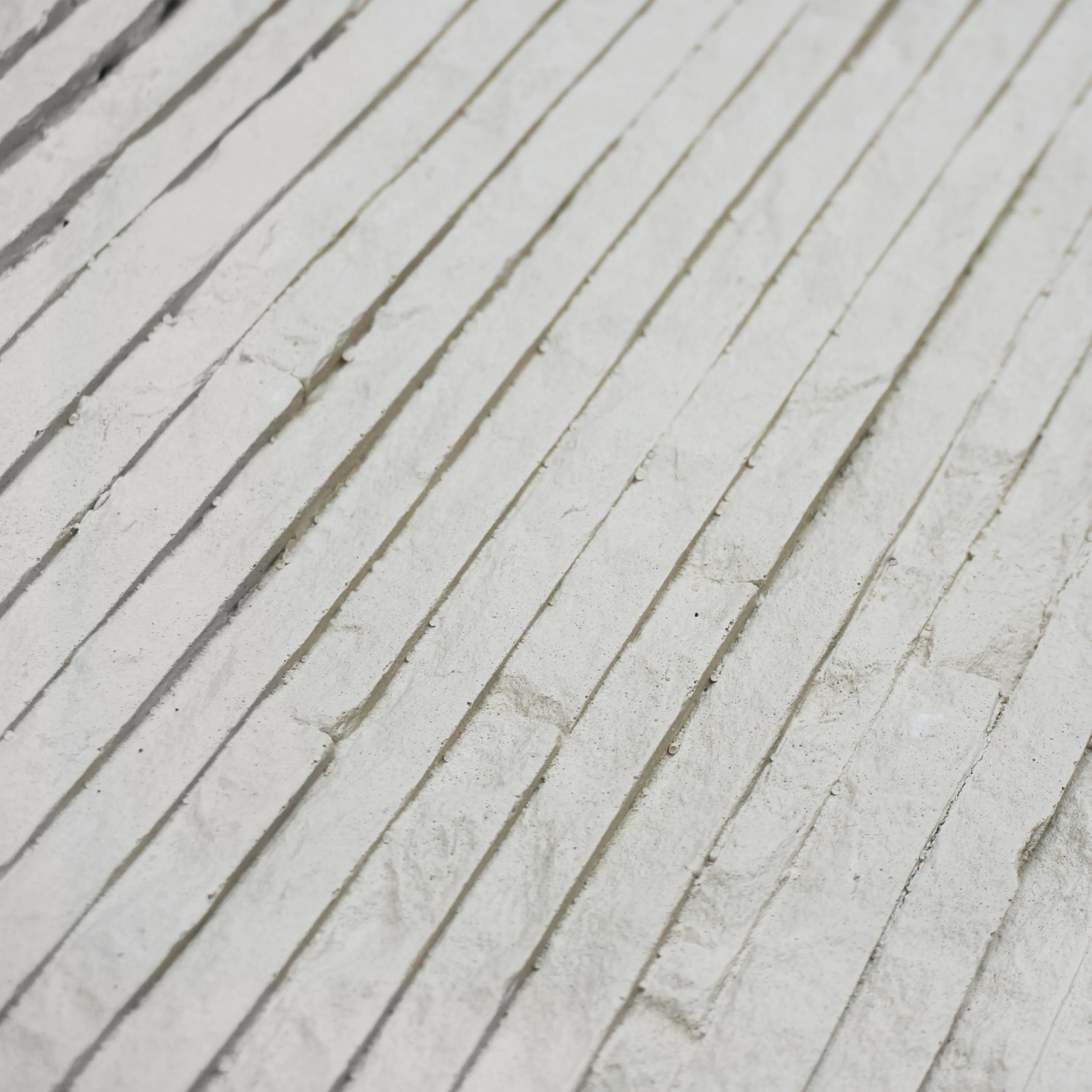
Longevity isn't just about how long a material lasts physically—it's also about how much work you have to put in to keep it looking good. A "low-maintenance" material that requires constant repairs or touch-ups isn't truly long-lasting in the practical sense. Let's compare the upkeep of Muretto Stone (Beige) and vinyl siding:
The beauty of Muretto Stone (Beige) lies in its simplicity. To keep it looking fresh, all it needs is an occasional rinse with a garden hose or a soft brush and mild soap. No repainting, no sealing, no patching. The material is resistant to stains, so even if a bird leaves a mark or a kid spills juice, it wipes right off. There are no panels to replace when they crack, no seams to re-caulk, and no warping to fix. It's the kind of exterior that lets you spend weekends hiking or gardening instead of climbing ladders with a paintbrush.
Vinyl siding is often marketed as "maintenance-free," but that's a stretch. While it doesn't need painting every few years like wood, it comes with its own set of headaches. Cracks and holes need to be patched with special vinyl filler (which never quite matches the color). Warped panels have to be replaced, and finding matching replacements for older styles can be impossible, leaving your home with a patchwork look. In humid climates, mold and mildew can grow on the surface, requiring regular scrubbing with harsh chemicals. And if the color fades too much? You'll either have to live with a dull home or pay to have the entire exterior re-sided—a costly and time-consuming project.
To put it in perspective: Sarah spends about 8 hours a year cleaning and maintaining her vinyl siding, and she's already saving up for a full replacement in the next 5 years. Her neighbor with Muretto Stone (Beige)? He spends maybe 30 minutes a year hosing it down, and has no plans to replace it anytime soon. Which sounds more "long-lasting" to you?
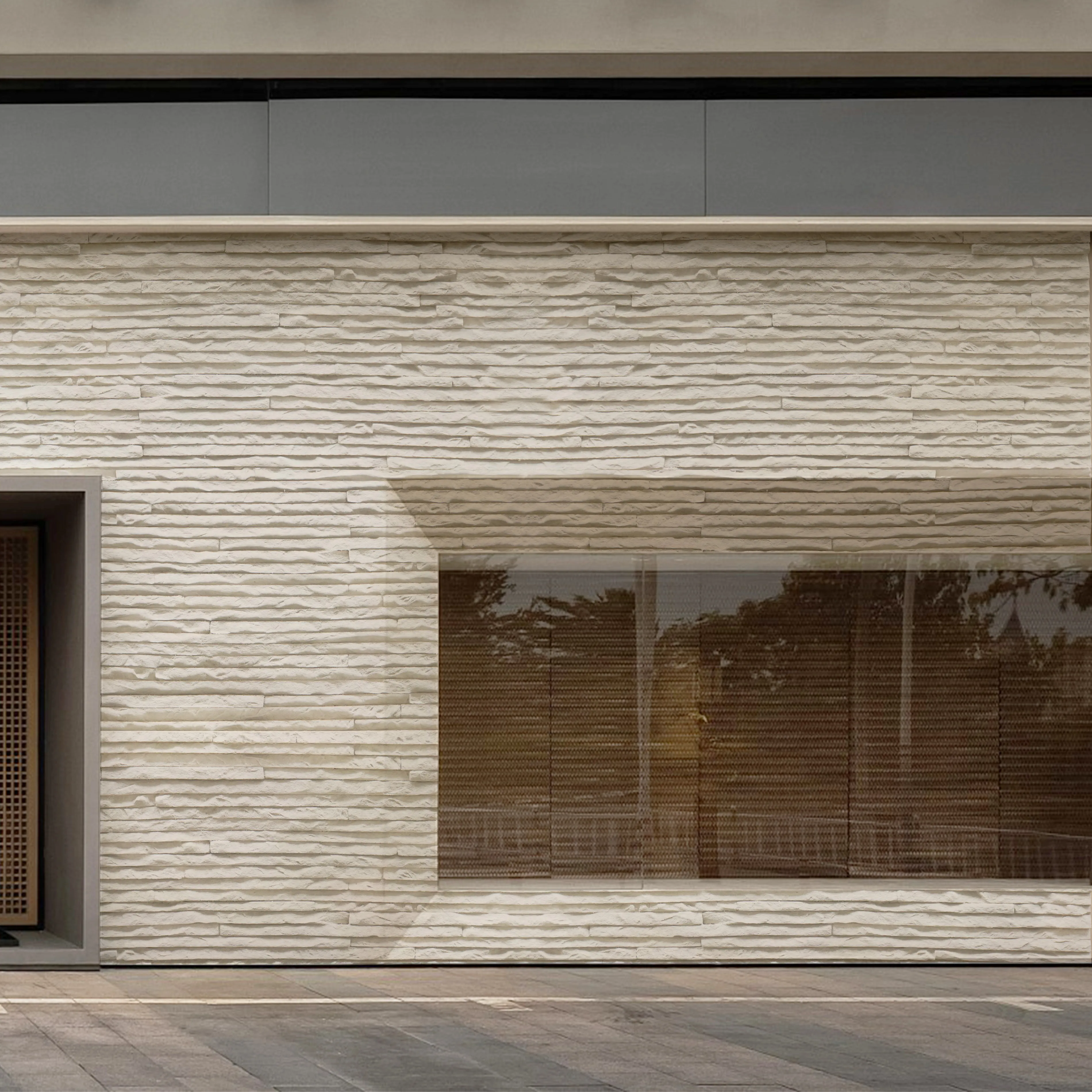
Longevity isn't just about function—it's about form, too. A home exterior that looks dated after 10 years might technically "last" 30, but it won't do much for your curb appeal or resale value. Let's talk about how Muretto Stone (Beige) and vinyl siding hold up in the style department over time.
Vinyl siding is a product of its era. In the 90s, it was all about pastels; in the 2000s, dark grays and blues became popular. But trends change, and vinyl's bold, uniform look can quickly feel outdated. Worse, as it fades and warps, it takes on a "cheap" appearance that's hard to ignore. Homebuyers today often see older vinyl exteriors as a red flag, associating them with potential maintenance issues and a lack of character.
Natural stone has been a symbol of timeless elegance for centuries, and Muretto stone (beige) is no exception. Its warm, earthy tone complements any architectural style, from modern farmhouses to traditional colonials. Unlike vinyl, which looks best when brand-new, Muretto Stone actually improves with age. Over time, it develops a subtle patina—a slight softening of the texture—that adds depth and character, making your home look like it's been part of the landscape for generations. It's the same reason why historical pathfinders stone , another MCM option inspired by ancient stone structures, is so popular: it captures that "lived-in" beauty without the wear and tear.
Let's get practical: cost is always a factor. Vinyl siding is cheaper upfront, with installation costs averaging $3-5 per square foot. Muretto Stone (Beige) costs more initially, around $8-12 per square foot. But longevity is about cost over decades, not just the first invoice. Let's break it down for a 2,000 square foot home:
| Factor | Vinyl Siding | Muretto Stone (Beige) |
|---|---|---|
| Initial Installation Cost | $6,000 – $10,000 | $16,000 – $24,000 |
| Projected Lifespan | 15-20 years | 50+ years |
| Maintenance Costs Over 50 Years* | $15,000 – $20,000 (2-3 replacements + repairs) | $500 – $1,000 (occasional cleaning) |
| Total Cost Over 50 Years | $21,000 – $30,000 | $16,500 – $25,000 |
*Estimates based on average replacement and repair costs for vinyl siding; Muretto Stone costs assume no replacement needed and minimal maintenance.
Over 50 years, Muretto Stone (Beige) actually becomes the more cost-effective choice, thanks to its longer lifespan and minimal maintenance. Add in the fact that stone-clad homes have higher resale values (often 5-10% more than vinyl-sided homes), and the investment becomes even smarter.
When Sarah finally replaced her vinyl siding with Muretto Stone (Beige) last year, she had a realization: longevity isn't just about how many years a material lasts. It's about how it makes you feel every time you pull into your driveway. It's about not worrying if a storm will crack your panels or if the sun will fade your home's color. It's about having an exterior that grows with you, that tells a story of durability and timelessness.
Vinyl siding might save you money today, but it costs you peace of mind and curb appeal tomorrow. Muretto Stone (Beige), as part of the MCM flexible stone family, offers something better: a material that's built to last 50+ years, requires almost no maintenance, and only gets more beautiful with time. It's not just an exterior—it's a legacy for your home.
So, if you're choosing an exterior material, ask yourself: Do I want to replace my siding every 15 years, or invest in something that will still look amazing when my kids inherit the house? For Sarah, the answer was clear. And chances are, it will be for you too.
Recommend Products












