
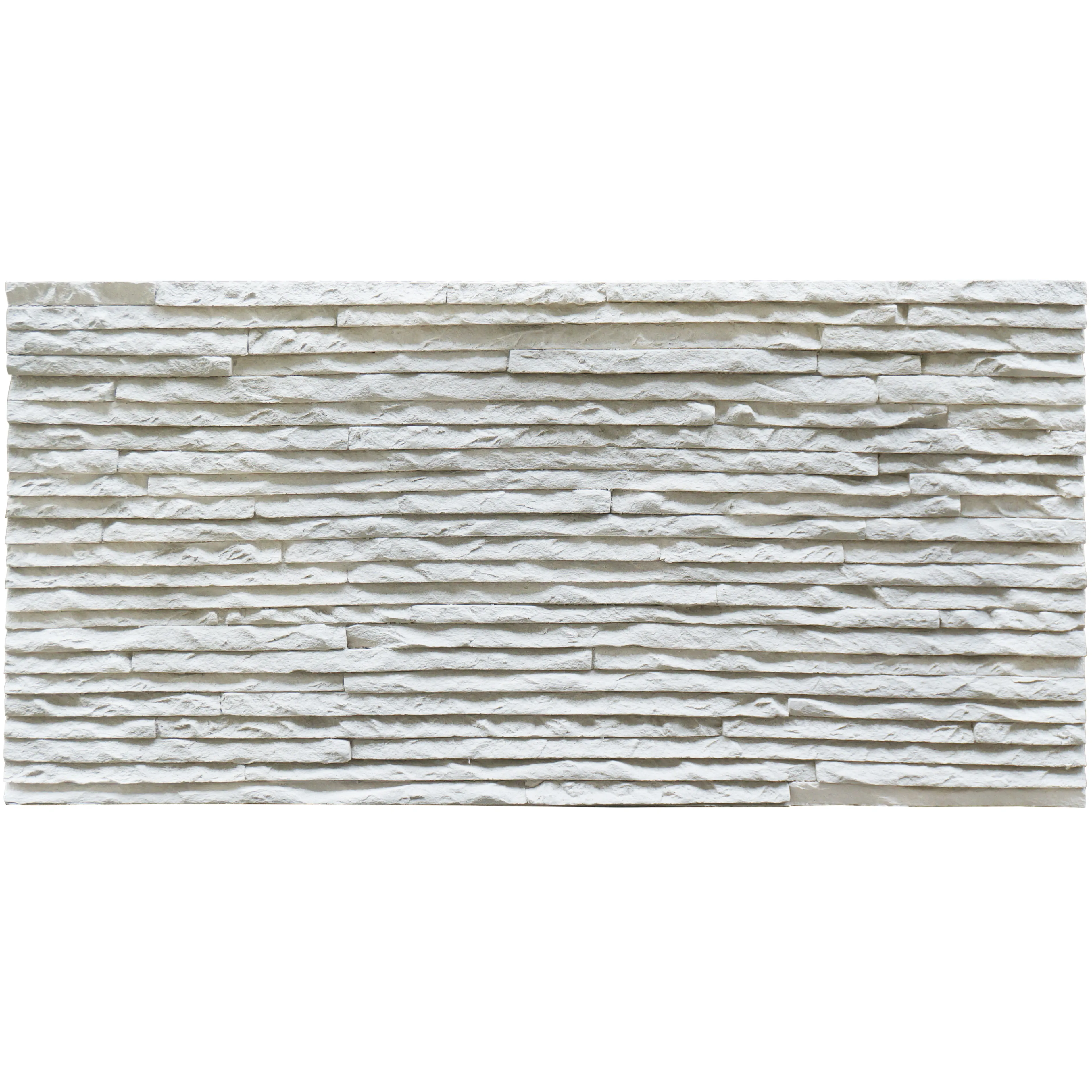
Walk into a room, and the walls don't just enclose space—they breathe. They carry the weight of memories, the quiet hum of daily life, and yes, the silent promise of protection. For designers and homeowners alike, choosing between materials like Muretto Stone (beige) and wood cladding isn't just about aesthetics; it's about selecting a companion for the years ahead. One that stands firm when tested, ages with grace, and never stops telling your space's story. Let's pull back the curtain on two beloved options, exploring how they measure up in the unglamorous but critical arenas of fire safety and maintenance—and why those details might just shape the heart of your home.
Fire safety isn't just a checklist item—it's the quiet reassurance that your space won't betray you when chaos strikes. Let's talk about how Muretto Stone (beige) and wood cladding stack up here, not in dry technical terms, but in the kind of protection that lets you sleep easier at night.
Muretto Stone (beige), with its dense, mineral-rich composition, is the steadfast type. Imagine holding a stone in your hand—cool, solid, unyielding. That's exactly how it behaves under heat. Unlike materials that shrink, melt, or catch fire, this stone is non-combustible. It doesn't ignite, it doesn't spread flames, and it releases zero toxic smoke. In fact, in fire tests, it's known to maintain structural integrity even when temperatures soar past 1,000°C—acting as a barrier that buys precious time for evacuation. For a family home, a restaurant, or a school, that's not just safety; it's peace of mind woven into the walls.
Wood cladding, on the other hand, carries the warmth of nature—but that warmth has a flip side. Wood is inherently combustible. Even with fire-retardant treatments (which add cost and require reapplication every few years), it will eventually ignite when exposed to intense heat. Think of a campfire: wood crackles, spreads, and turns to ash. In a home, that means flames can race across untreated wood surfaces, and burning wood releases thick, toxic smoke that's often more dangerous than the fire itself. It's not that wood is "bad"—it's just that its beauty comes with a vulnerability that demands respect.
| Criteria | Muretto Stone (Beige) | Wood Cladding (Untreated) |
|---|---|---|
| Ignition Temperature | Non-combustible (does not ignite) | ~250°C (easily ignited by sparks/flames) |
| Flame Spread | 0 (no flame spread) | High (rapid spread across surface) |
| Smoke Production | None (no toxic emissions) | High (releases carbon monoxide and irritants) |
| Structural Integrity in Fire | Maintains shape and strength | Weakens, warps, or collapses quickly |
For those drawn to the look of wood but wary of fire risks, some turn to alternatives like wood grain board —a composite material that mimics wood's texture but often includes fire-resistant additives. It's a compromise, but it lacks the raw, organic charm of real wood. Muretto Stone (beige), though, asks for no compromise here: it's a guardian that never needs to be "treated" to do its job.
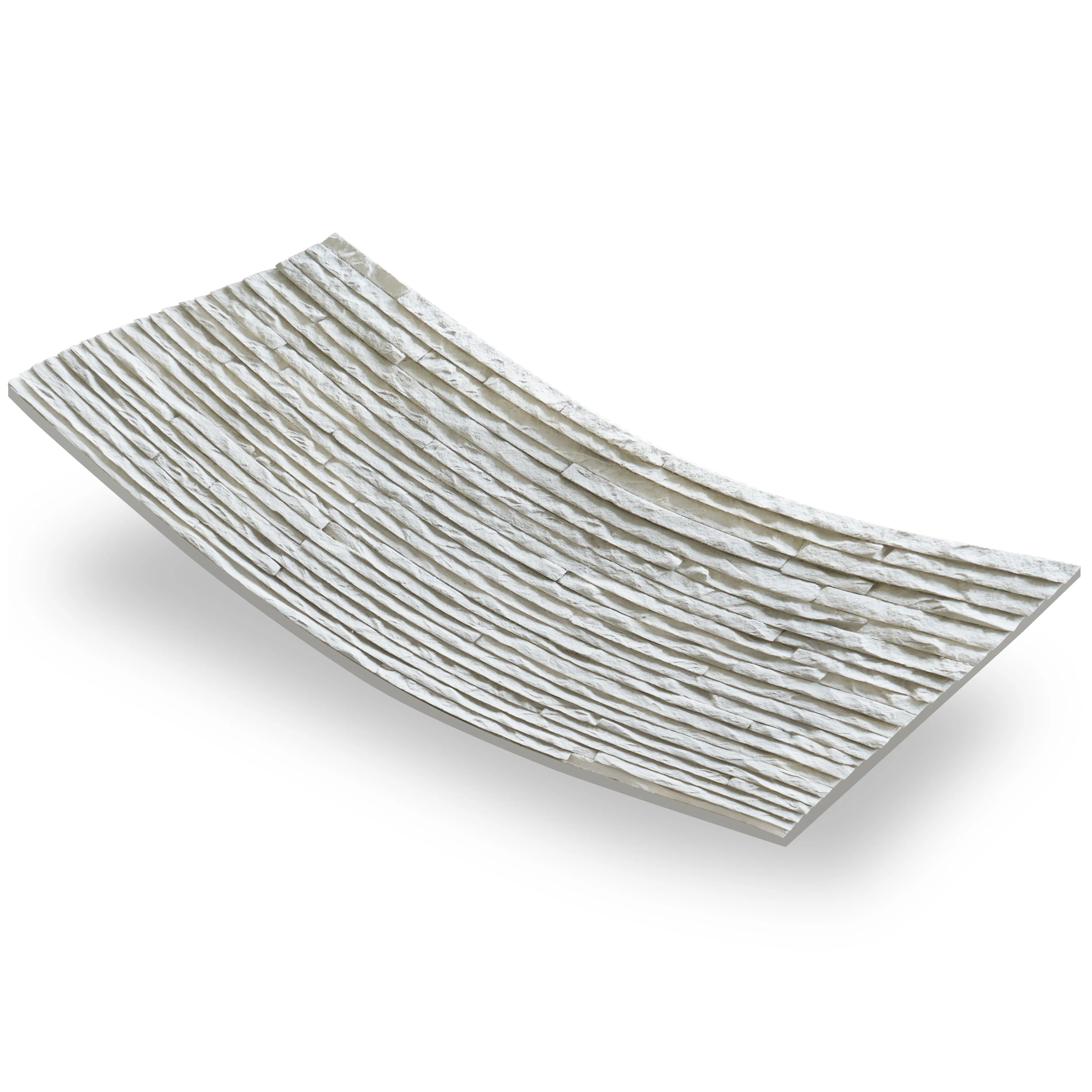
Walls don't just exist—they age. And how they age depends largely on how much love (and work) you're willing to pour into them. Let's talk about maintenance not as a chore, but as a relationship: the one between you and your walls, year after year.
Muretto Stone (beige) is the low-maintenance friend who never cancels plans. It laughs off rain, shrugs at humidity, and couldn't care less about termites or mold. A quick wipe with a damp cloth now and then to dust off grime—that's it. No sealing, no painting, no annual "check-ups." I once visited a 20-year-old café in Tuscany clad in similar beige stone; the walls had softened into a warm, sun-kissed patina, as if they'd absorbed the laughter of customers over the years. No cracks, no fading—just character that deepened with time.
Wood cladding, by contrast, is the high-maintenance companion who needs regular attention. Think of it like a garden: beautiful when tended, but quick to wilt without care. Left untreated, wood absorbs moisture, leading to rot and warping. Sunlight fades its rich tones to a bleached shadow. Insects? They see it as an all-you-can-eat buffet. To keep wood looking its best, you're looking at annual sealing, bi-annual painting/staining, and constant vigilance for cracks or soft spots. A friend who owns a wooden beach house once joked, "I spend more time maintaining the walls than enjoying the ocean." It's a labor of love, but love that demands time—and money.
Consider the long-term cost, too. Muretto Stone (beige) might have a higher upfront price, but it's a one-and-done investment. Wood cladding starts cheaper, but those annual treatments add up. Over 10 years, you could easily spend twice as much on wood maintenance as you would on stone. And when wood does fail—say, a section rots—it needs replacement, not just repair. Stone? It's there for the long haul, even in harsh climates. Coastal homes, humid basements, sun-drenched exteriors—stone takes it all in stride.
For those who crave the look of natural stone but want variety, travertine (beige) offers a similar earthy warmth with subtle veining, while fair-faced concrete brings a modern, industrial edge—both with maintenance needs as laid-back as muretto stone. But there's something about Muretto's soft, sandy hue that feels like a hug from the earth, making it a perennial favorite for spaces that aim to feel both grounded and welcoming.
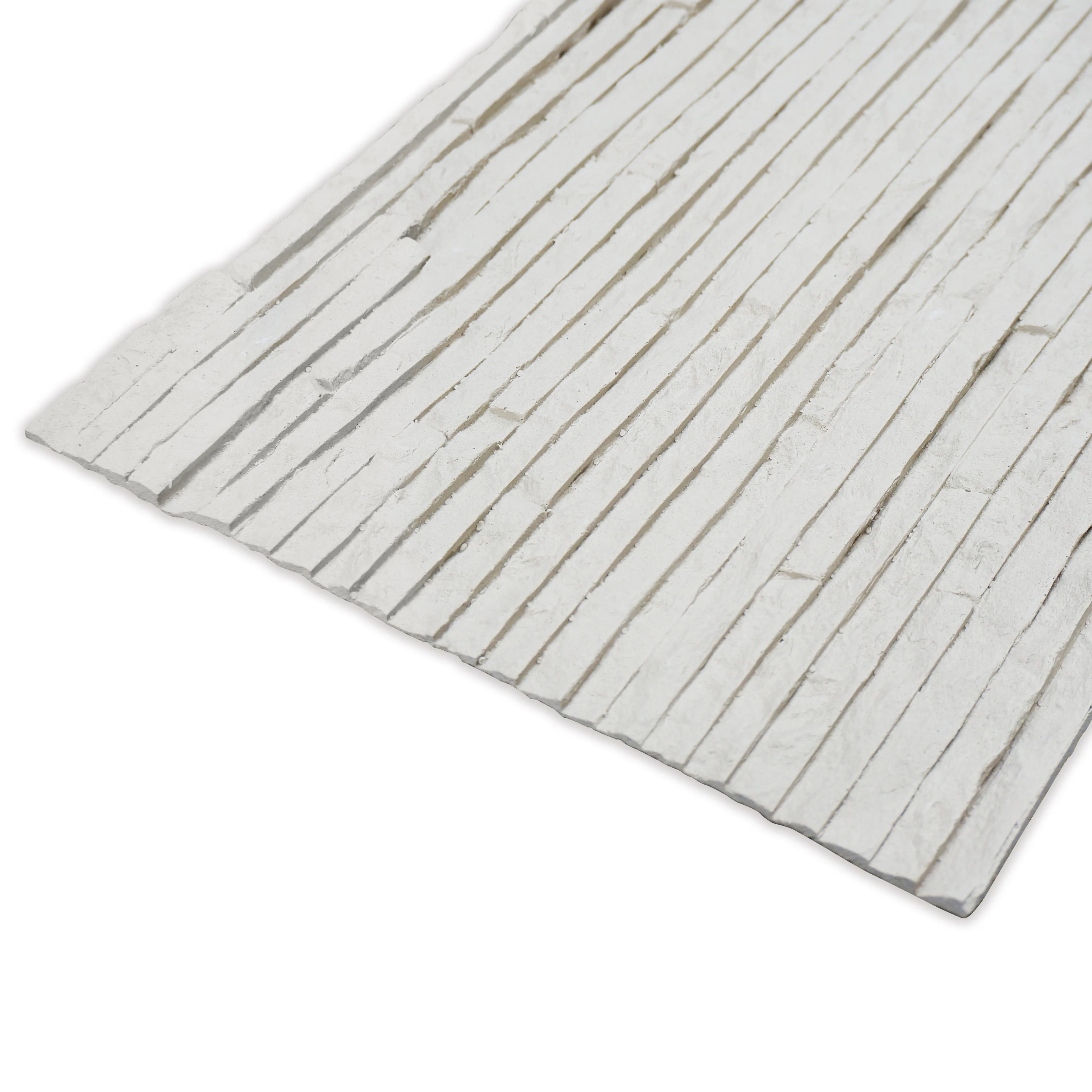
At the end of the day, walls are as much about feeling as function. Muretto Stone (beige) and wood cladding each tell a different story—one of endurance, the other of warmth—and how they look over time is part of that narrative.
Muretto Stone (beige) has a quiet confidence. Its matte, textured surface catches light gently, creating soft shadows that shift with the sun. Run a hand over it, and you'll feel the subtle ridges of natural stone—cool to the touch, solid and reassuring. It pairs beautifully with warm woods (ironically) or crisp whites, adding depth without overwhelming a space. In a living room, it becomes a backdrop for family photos; in a kitchen, it grounds the chaos of cooking with its earthy calm. And because it doesn't fade or warp, that beauty is consistent—no surprises, just steady, reliable charm.
Wood cladding, on the other hand, is all about warmth and intimacy. Its natural grain tells a story of growth—each knot and swirl a memory of the tree it once was. A wooden wall feels like a conversation starter, inviting you to run your fingers over its smooth surface or press your cheek against it on a cold day. But here's the catch: that warmth fades. Sunlight bleaches it, rain darkens it, and over time, even well-maintained wood loses some of its luster. It's not that it becomes ugly—just different. Some love that weathered look, seeing it as a sign of life. Others mourn the loss of that fresh, honeyed glow they fell in love with.
For those torn between the two, there's a middle ground: mixing materials. A wall clad in Muretto Stone (beige) with a wooden accent panel adds texture and warmth without the full maintenance burden of all-wood. Or, use wood grain board for a wood-like look with stone-like durability—though it lacks the organic soul of real wood or stone. At the end of the day, the choice hinges on what matters most: the ease of a material that asks nothing of you, or the joy of nurturing beauty that evolves with time.
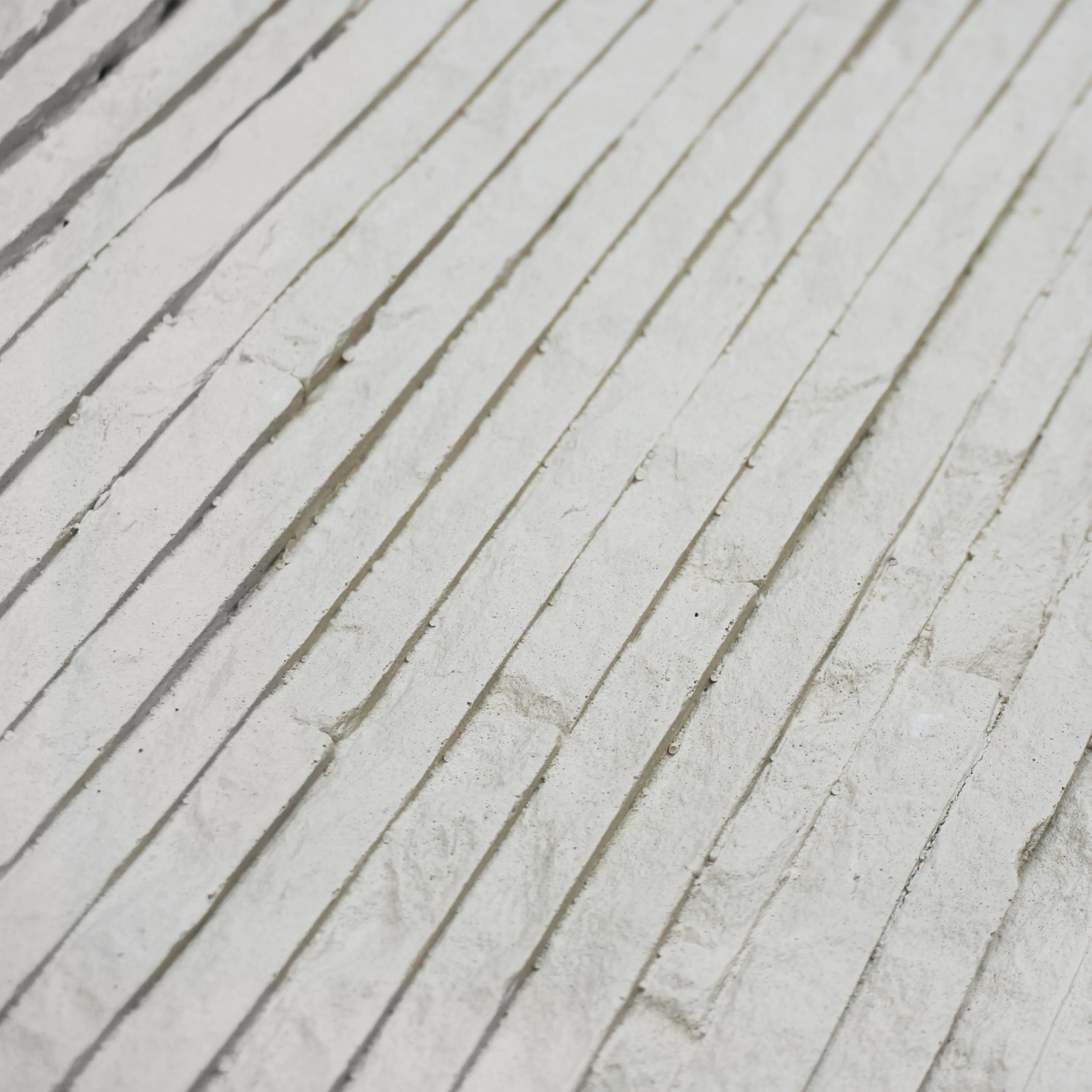
Muretto Stone (beige) and wood cladding aren't just building materials—they're storytellers. One speaks of resilience, of quiet protection, and beauty that deepens with age. The other whispers of warmth, of nature's impermanence, and the joy of nurturing something alive. There's no "right" choice, but there's a right choice for you .
If fire safety and low maintenance are non-negotiable—if you want walls that stand guard while you live your life—Muretto Stone (beige) is your answer. It's the quiet hero, the backdrop to your biggest moments and smallest joys, never demanding attention but always there. If you're willing to trade time for the organic charm of wood, to tend to it like a garden, then wood cladding will reward you with a space that feels alive, ever-changing, and deeply personal.
Whichever you choose, remember: walls are more than just boundaries. They're the silent witnesses to your life. Choose the one that feels like home.
Recommend Products












