
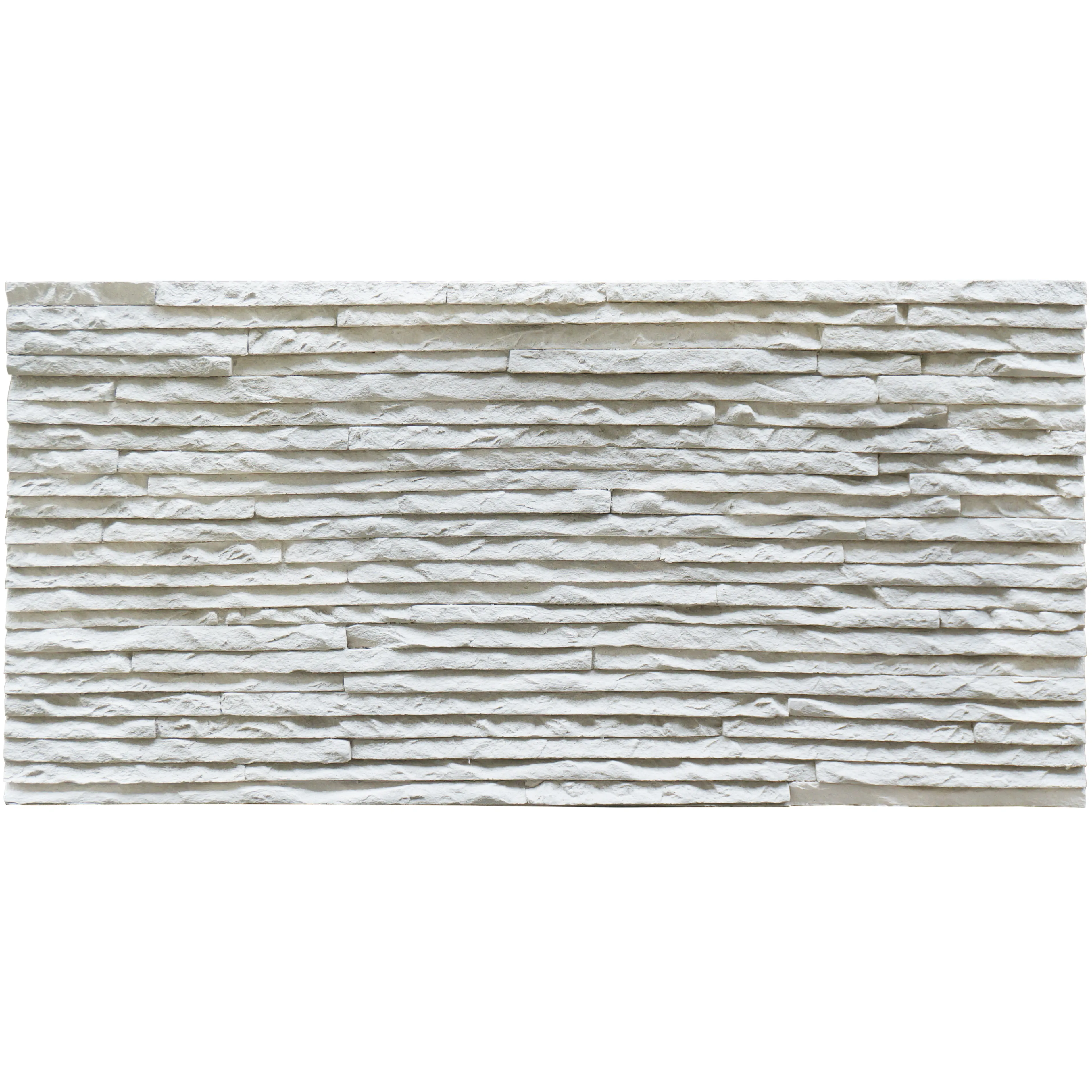
Imagine standing in Riyadh on a July afternoon—the sun blazes down, pushing temperatures past 45°C (113°F), while a sudden sandstorm whips grit against every surface. Or picture Jeddah's coastal humidity clinging to buildings, testing their resilience against moisture and salt. In Saudi Arabia, where the climate is as unforgiving as it is beautiful, choosing the right building materials isn't just about aesthetics—it's about survival. For architects, contractors, and homeowners alike, the search for a cladding solution that can withstand extreme heat, abrasive sand, and unpredictable weather has long been a challenge. Enter Muretto Stone (Beige) —a material that's quietly redefining durability in one of the world's toughest environments.
To understand why Muretto Stone (Beige) stands out, we first need to grasp the full force of Saudi Arabia's climate. This isn't just "hot"—it's a relentless combination of factors that can break down even the sturdiest materials over time:
For decades, builders turned to traditional options like fair-faced concrete or natural stone, but both have drawbacks. Fair-faced concrete, while strong, can crack under thermal stress and stains easily from sand and pollution. Natural stones like marble or granite are heavy, expensive, and prone to chipping in sandstorms. What was needed was a material that combined the best of durability, lightness, and aesthetics—and that's where Muretto Stone (Beige) comes in.
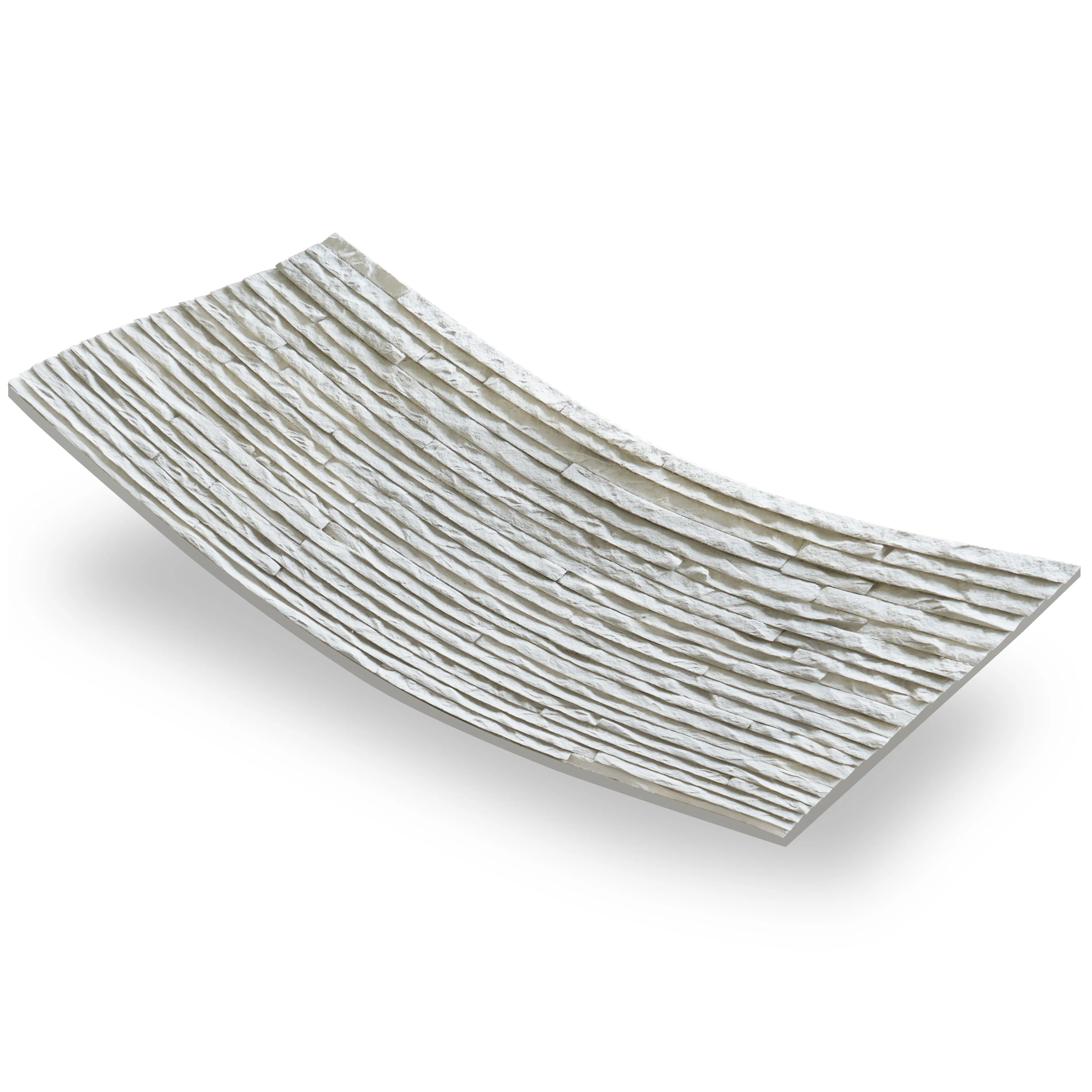
Muretto Stone (Beige) isn't your average cladding material. Part of the broader Muretto Stone series, it's engineered using a blend of modified composite materials, natural minerals, and advanced binding agents—all designed to tackle Saudi Arabia's climate head-on. Let's break down its key features:
Flexibility Meets Strength: Unlike rigid natural stones or brittle fair-faced concrete , Muretto Stone (Beige) has a slight flexibility that allows it to expand and contract with temperature changes without cracking. This "give" is crucial in Saudi Arabia, where day-night temperature swings can cause rigid materials to split over time.
Low Water Absorption: One of the biggest enemies of building materials in humid or rainy regions is water. Muretto Stone (Beige) has a closed-cell structure that repels moisture, preventing mold growth, efflorescence, and freeze-thaw damage (yes, even Saudi deserts see occasional cold nights!). Tests show it absorbs less than 1% water by weight—far below the 3-5% of many natural travertines or limestones.
Abrasion Resistance: Sandstorms are no match for Muretto Stone (Beige). Its surface is treated with a protective layer that resists scratching and erosion, even after years of exposure to blowing sand. In lab tests simulating 10 years of sandstorm conditions, the material showed less than 0.5mm of wear—compared to 2-3mm for standard epoch stone or century stone .
UV Stability: The beige hue of Muretto Stone isn't just a design choice—it's a defense mechanism. The color is integrated into the material, not just painted on, so it resists fading even under Saudi Arabia's intense UV rays. Architects report that buildings clad in Muretto Stone (Beige) retain their original color for 15+ years, compared to 5-7 years for painted or dyed alternatives.
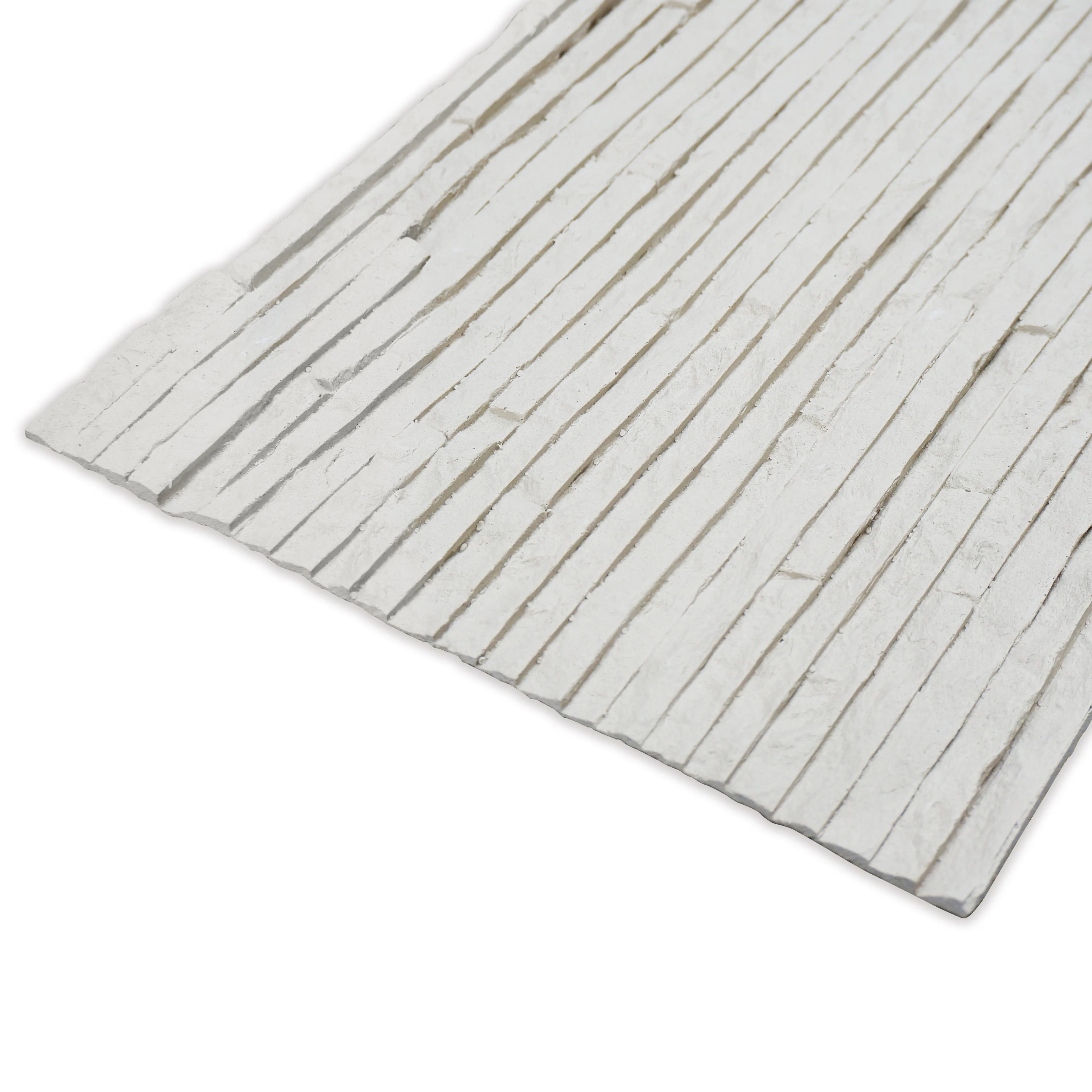
Lab results are one thing, but real-world performance is what matters. Over the past five years, Muretto Stone (Beige) has been used in dozens of projects across Saudi Arabia—from residential villas in Riyadh to commercial complexes in Dammam. Let's look at two standout examples:
Case Study 1: Al-Mansoora Residential Complex, Riyadh
Completed in 2020, this 12-building complex chose Muretto Stone (Beige) for its exterior cladding. Located in north Riyadh, the area is prone to frequent sandstorms and summer temperatures above 45°C (113°F). Five years later, the cladding shows no signs of cracking, fading, or erosion. "We were worried about maintenance costs, but so far, we've only needed to hose down the buildings once a year to remove dust," says project manager Ahmed Al-Mansoori. "Compare that to our previous project, which used
flexible stone cladding panels
—we had to repaint every two years!"
Case Study 2: Jeddah Corniche Retail Center
Overlooking the Red Sea, this shopping center faces high humidity, salt air, and occasional heavy rains. Muretto Stone (Beige) was selected for its water resistance and aesthetic appeal. In 2022, when Jeddah was hit by record floods, the center's ground-floor cladding remained intact, with no water seepage or mold growth. "We expected some damage, but the Muretto panels held up perfectly," notes architect Lina Hassan. "The beige color also complements the sea views—warm, inviting, and never dull, even on overcast days."
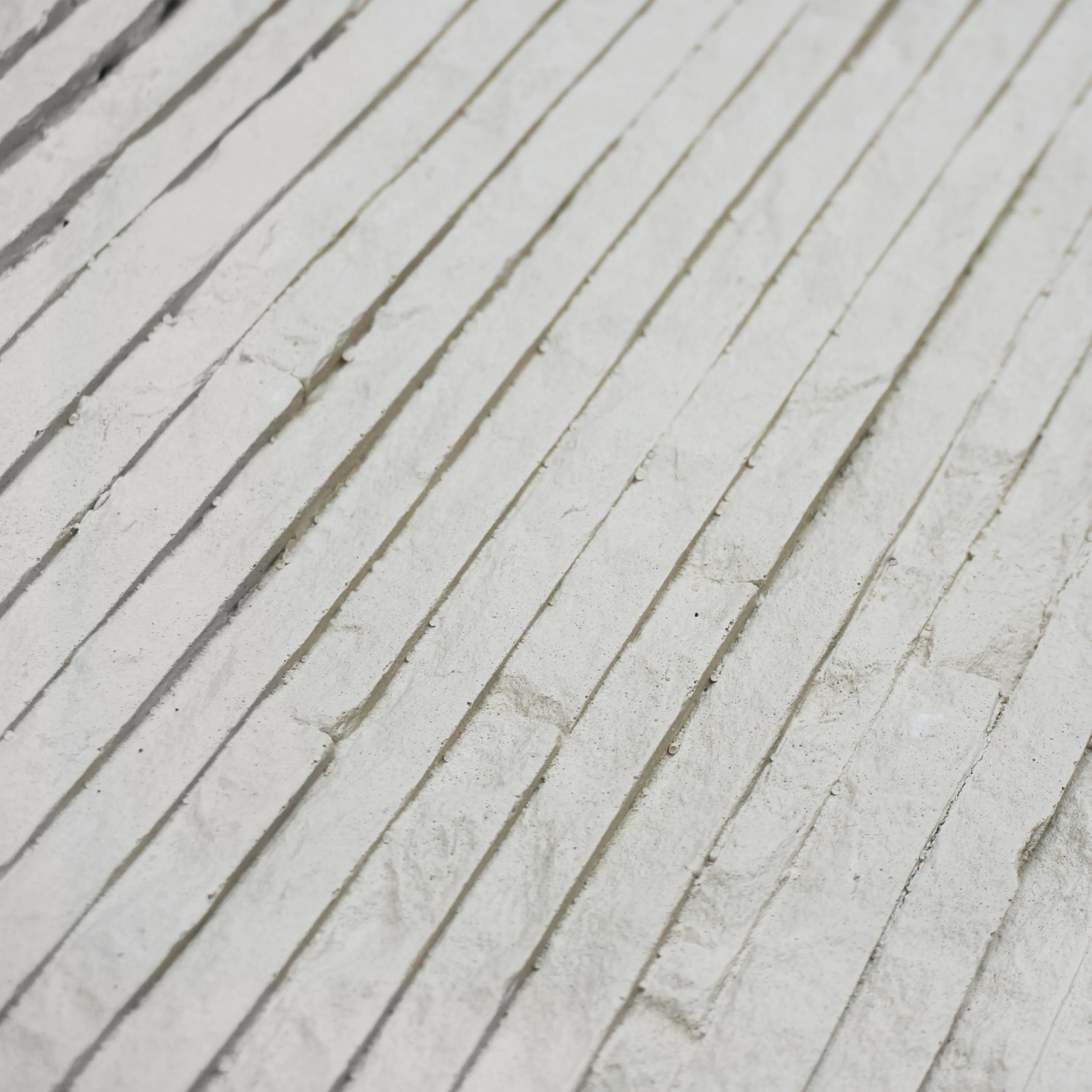
To truly appreciate Muretto Stone (Beige), let's stack it against three common alternatives in Saudi Arabia: fair-faced concrete, epoch stone, and century stone. The table below breaks down key performance metrics:
| Feature | Muretto Stone (Beige) | Fair-Faced Concrete | Epoch Stone | Century Stone |
|---|---|---|---|---|
| Heat Resistance (Max Temp) | Up to 80°C (176°F) | Up to 60°C (140°F, may crack above) | Up to 70°C (158°F) | Up to 75°C (167°F) |
| Sandstorm Abrasion (10-Year Simulation) | 0.5mm wear | 1.8mm wear | 2.2mm wear | 1.5mm wear |
| Water Absorption | <1% | 3-4% | 2-3% | 2.5-3.5% |
| UV Fading (15-Year Estimate) | Minimal (ΔE < 2) | Moderate (ΔE 3-4) | Significant (ΔE 5-6) | Moderate (ΔE 4-5) |
| Installation Weight (kg/m²) | 12-15 kg/m² | 25-30 kg/m² | 18-22 kg/m² | 20-24 kg/m² |
| Maintenance Cost (10-Year Average) | ~$50/m² | ~$150/m² (repairs, sealing) | ~$120/m² (cleaning, touch-ups) | ~$100/m² |
The numbers speak for themselves: Muretto Stone (Beige) outperforms in heat resistance, abrasion, water absorption, and long-term maintenance costs. Its lightweight nature (12-15 kg/m²) also reduces structural load, making it ideal for high-rise buildings or retrofits where weight is a concern—something that can't be said for the heavier fair-faced concrete or century stone.
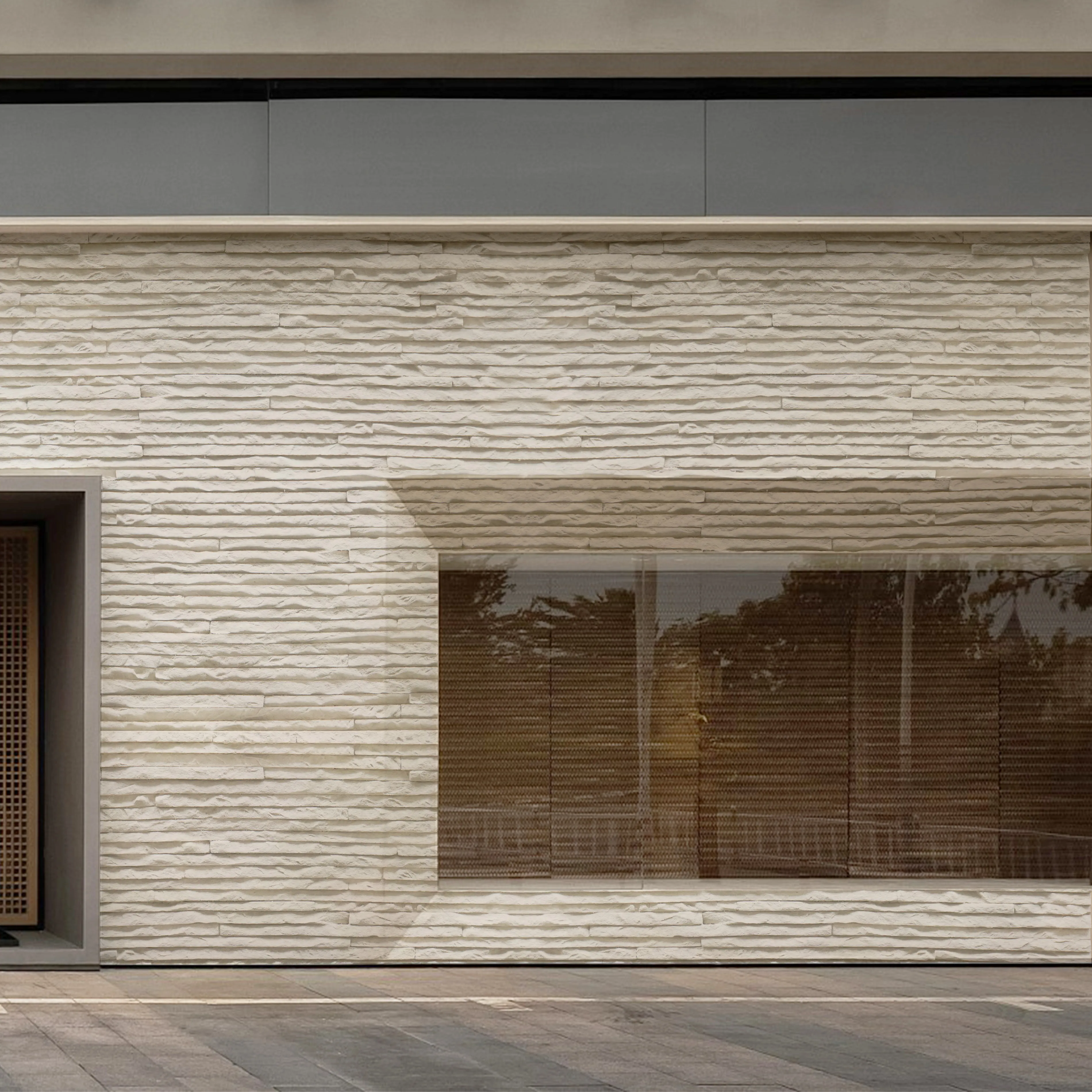
In Saudi Arabia, buildings aren't just shelters—they're statements. Muretto Stone (Beige) doesn't just survive the climate; it elevates the look of any structure. Its warm, earthy beige tone complements traditional Islamic architecture (think the soft hues of Madain Saleh) while also blending seamlessly with modern designs. The surface has a subtle, natural texture—reminiscent of weathered sandstone—that adds depth without feeling overwhelming.
Architects love its versatility. It can be cut into large slabs for a sleek, contemporary facade or smaller tiles for a more intricate pattern. In the Al-Mansoora Complex, designers paired Muretto Stone (Beige) with dark wooden accents and large glass windows, creating a contrast that feels both modern and rooted in Saudi heritage. In Jeddah, the Corniche Retail Center used it to mimic the color of the surrounding desert, making the building feel like a natural extension of the landscape.
"Clients often ask for materials that 'look like stone but act like armor,'" says Riyadh-based architect Omar Khalid. "Muretto Stone (Beige) delivers on both. It has the organic beauty of natural stone without the fragility. In a market where aesthetics and durability are equally important, that's a game-changer."
In an era of growing environmental awareness, Muretto Stone (Beige) also shines as a sustainable choice. Unlike natural stone, which requires mining and transportation (often from overseas), Muretto Stone is produced locally in Saudi Arabia using recycled materials and low-energy manufacturing processes. Its lightweight design reduces fuel consumption during transportation and installation, lowering the project's carbon footprint.
Additionally, its longevity means less frequent replacement—a key factor in sustainability. A building clad in Muretto Stone (Beige) will need minimal repairs or replacement over 50+ years, compared to 20-30 years for materials like painted concrete or low-quality flexible stone cladding panels . This reduces waste and the environmental impact of manufacturing new materials.
As Saudi Arabia continues to grow—with mega-projects like NEOM, the Red Sea Project, and Qiddiya—demand for durable, beautiful, and sustainable building materials will only increase. Muretto Stone (Beige) is already making waves in these developments. In NEOM's coastal city of Trojena, for example, it's being used in residential villas designed to withstand both mountain cold and desert heat. "We needed a material that could handle -10°C (14°F) winters and 45°C (113°F) summers," says a NEOM construction lead. "Muretto Stone (Beige) checked every box."
Contractors also appreciate its ease of installation. Unlike heavy natural stones that require cranes and specialized labor, Muretto Stone (Beige) can be cut on-site with standard tools and installed by a small team. This speeds up construction time—a critical factor in Saudi Arabia's fast-paced building boom.
Saudi Arabia's climate is unforgiving, but it's also what makes the country so uniquely beautiful. Muretto Stone (Beige) doesn't just tolerate this environment—it thrives in it. Its blend of durability, flexibility, and aesthetic appeal makes it more than a building material; it's a partner in creating structures that will stand the test of time, from Riyadh's bustling metropolis to Jeddah's coastal breeze.
For anyone building in Saudi Arabia, the message is clear: don't just build for today—build for the next 50 years. With Muretto Stone (Beige), you're not just choosing a cladding material; you're choosing peace of mind. A material that laughs in the face of sandstorms, shrugs off the heat, and still looks stunning decades later. In a country where the climate is a constant challenge, Muretto Stone (Beige) is the solution we've been waiting for.
Recommend Products












