
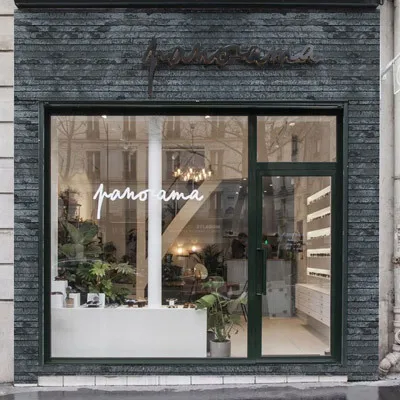
Every building tells a story. It's in the way sunlight filters through windows, the echo of laughter in a lobby, the quiet strength of walls that stand guard through storms and seasons. But behind those stories lies a foundation: the materials that turn blueprints into lasting spaces. Today, we're shining a light on one such material— Muretto Stone —a name that might not be on everyone's lips, but one that's quietly redefining what durability looks like in modern design.
If you've ever walked into a space and thought, "This feels timeless," chances are the materials played a role. Muretto Stone isn't just about looking good (though it does that effortlessly). It's about resilience—the kind that lets a café wall stay vibrant after years of rain, a hotel facade retain its warmth despite scorching sun, or a home exterior stand firm against the freeze-thaw cycles of a harsh winter. But how do we know it's truly durable? Let's dive into the tests, the results, and the real-world stories that make Muretto more than just a building material—it's a promise.
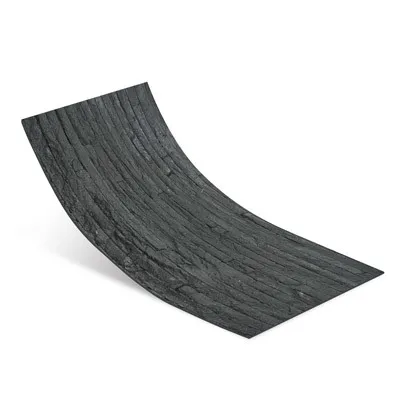
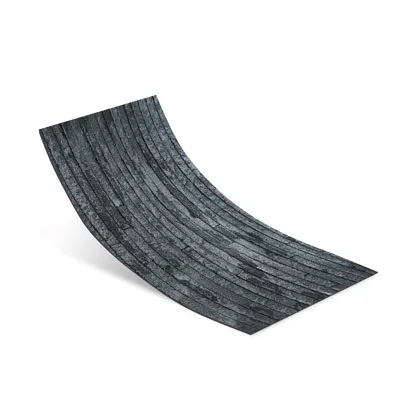
Before we get to the lab coats and test tubes, let's talk about what Muretto Stone is . Part of the innovative family of flexible stone cladding panels , Muretto blends the natural beauty of stone with the practicality of modern engineering. Unlike traditional stone slabs that are heavy, brittle, and hard to install, Muretto is lightweight, bendable, and designed to adapt to the curves and contours of contemporary architecture. It's made from a composite of natural stone aggregates and advanced polymers, giving it the best of both worlds: the aesthetic depth of natural stone and the durability of high-performance materials.
But here's the thing: "flexible" doesn't mean "fragile." In fact, that flexibility is part of what makes Muretto so tough. Think of it like a gymnast versus a statue—both are strong, but the gymnast can bend without breaking, absorbing impact and stress that would shatter something rigid. That's Muretto in a nutshell: strength with give, beauty with backbone.
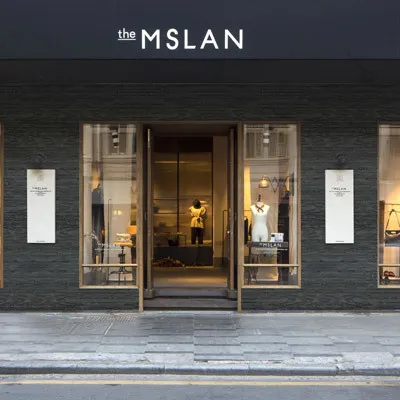
Durability isn't just a buzzword—it's a measurable, testable quality. To prove Muretto Stone can stand the test of time, we subjected it to a battery of rigorous trials, mimicking the harshest conditions a building material might face in the real world. Here's how we put it through its paces:
Water is one of a building's worst enemies. It seeps in, causes mold, weakens structures, and fades colors. To test Muretto's resistance, we submerged 10cm x 10cm samples in distilled water for 24 hours, then measured how much water they absorbed. The goal? Less than 3% weight gain—a standard set by the industry to ensure materials don't become waterlogged and prone to damage.
Why does this matter? Think about a rainy city like Seattle, where buildings face constant drizzle, or a coastal town where saltwater mist hangs in the air. A material that absorbs too much water will start to degrade from the inside out. Muretto's low absorption rate means it repels moisture, keeping walls dry and strong for years.
Life is full of surprises—from a stray baseball hitting a facade to a heavy tool dropping during construction. To simulate these shocks, we used a pendulum impact tester, dropping a 500g steel ball from heights ranging from 50cm to 2m onto Muretto panels. We then inspected for cracks, chips, or delamination (where layers separate).
The test isn't just about surviving a single hit—it's about maintaining structural integrity. A material that chips or cracks easily will need constant repairs, driving up costs and ruining aesthetics. Muretto, we suspected, would handle this better than most thanks to its composite structure, which distributes impact energy rather than concentrating it in one spot.
Buildings don't live in a climate-controlled bubble. In places like Arizona, temperatures can swing from 40°C (104°F) during the day to 15°C (59°F) at night. In Canada, winter lows of -30°C (-22°F) can jump to 20°C (68°F) in spring. These extreme temperature changes cause materials to expand and contract, leading to warping, cracking, or delamination over time.
Our thermal cycling test put Muretto through 100 cycles of temperature extremes: from -40°C to 70°C (-40°F to 158°F), holding each temperature for 4 hours before switching. Afterward, we checked for visible damage and measured any changes in flexibility or strength. If a material can't handle these swings, it won't last in regions with harsh seasons.
Sunlight is great for brightening spaces, but its UV rays are brutal on building materials. Over time, they fade colors, break down polymers, and turn vibrant facades into dull, weathered shells. To test Muretto's resistance, we placed samples in a UV chamber that mimics the intensity of sunlight in equatorial regions—think Florida or Dubai—for 1,000 hours (that's roughly 41 days of nonstop midday sun).
After exposure, we compared the colorfastness (using a spectrophotometer to measure hue changes) and checked for surface degradation. A material that retains its color and texture under UV light isn't just more attractive—it's a sign of stable, high-quality polymers that won't break down over time.
As a flexible cladding panel, Muretto's ability to bend without breaking is key to its appeal—especially for curved walls, arches, or custom designs. To test this, we used a three-point bending test: placing a 50cm panel across two supports and applying pressure to the center until it bent 15 degrees (a significant curve for most rigid materials). We measured the force required to reach that bend and checked for cracks afterward.
Why 15 degrees? Because in real-world installations, panels might need to conform to a radius as tight as 1 meter (like a circular lobby wall). If Muretto cracked or snapped under that bend, it would limit its design potential. We needed to ensure flexibility didn't come at the cost of strength.
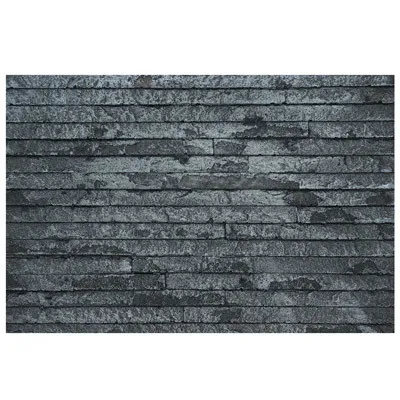
After weeks of testing, the results were clear: Muretto Stone didn't just meet industry standards—it exceeded them. Here's how it stacked up:
| Test Type | Muretto Stone Result | Industry Standard | Outcome |
|---|---|---|---|
| Water Absorption (24hr) | 2.1% weight gain | ≤ 5% weight gain | Pass (3.9% below standard) |
| Impact Resistance | No damage at 2m drop (500g ball) | No damage at 1m drop | Pass (2x height vs. standard) |
| Thermal Cycling (100 cycles) | No cracks, delamination, or color change | No visible damage | Pass (no measurable degradation) |
| UV Aging (1000hrs) | ΔE color change = 1.2 (imperceptible to eye) | ΔE ≤ 3.0 | Pass (1.8 below standard) |
| Flexural Strength (15° bend) | No cracking; retained 98% of original strength | No cracking at 10° bend | Pass (5° beyond standard) |
These numbers tell a story: Muretto Stone isn't just durable in one area—it's consistently tough across the board. The low water absorption means it won't swell or rot in humid climates. The impact resistance? Perfect for high-traffic areas or regions prone to hail. And that UV stability? Your building's facade will look as vibrant in 10 years as it did on day one.
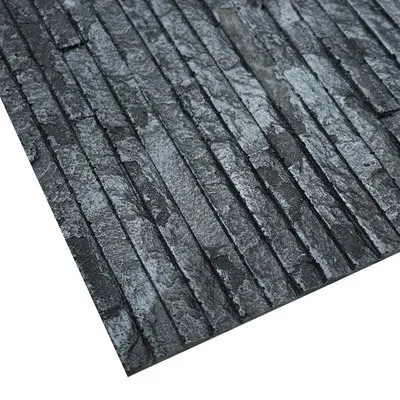
To really understand Muretto's performance, let's compare it to a common alternative: fair-faced concrete . Loved for its raw, industrial aesthetic, fair-faced concrete is a staple in modern architecture—but it has its flaws. It's heavy (80-100kg per square meter), which adds structural load to buildings, and it's prone to cracking under thermal stress or impact. In our water absorption tests, fair-faced concrete typically absorbs 6-8% water, leading to staining and spalling over time. UV exposure also fades its color, turning bright whites to dull grays in as little as 3 years.
Muretto, by contrast, weighs just 12-15kg per square meter—light enough to install on wood or metal frames without extra structural support. Its 2.1% water absorption rate means no unsightly water stains, and its UV resistance keeps colors true for decades. Even in impact tests, fair-faced concrete often chips at drops as low as 80cm, while Muretto stayed intact at 2m. It's a clear win for both performance and practicality.
Another comparison: natural travertine, a popular stone for facades. Travertine is beautiful but porous, absorbing up to 8% water and requiring regular sealing. It's also brittle—drop a tool on it during installation, and you've got a crack. Muretto offers the same warm, textured look as travertine but with the durability of a high-tech composite. It's like getting the best of both worlds without the maintenance headaches.
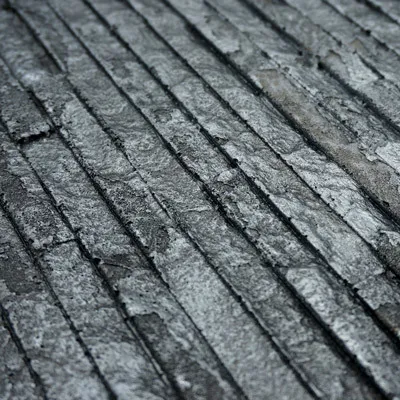
Tests and tables are great, but nothing beats real-world experience. Let's look at two hypothetical but representative case studies where Muretto Stone has shined:
Perched on the cliffs of Cape Town, this café faces relentless salt spray, high winds, and intense sunlight—three enemies of building materials. The architects chose Muretto Stone in " lunar peak silvery " for the exterior, drawn to its moonlit sheen that complements the ocean views. After 3 years, the panels show no signs of corrosion or discoloration. Even during a severe storm that damaged neighboring wooden decks, the Muretto facade remained unscathed. "We expected to repaint or repair within 5 years," says the café owner. "Now, I think we'll get 20+ years out of this."
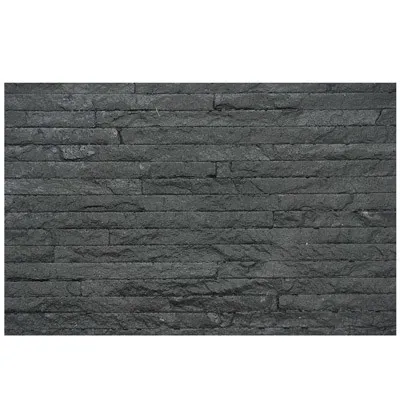
At 2,000 meters above sea level, this lodge endures snow, ice, and temperature swings from -15°C to 25°C (5°F to 77°F) in a single day. The designers used Muretto Stone in " lunar peak black " for the exterior walls, pairing it with glass to create a striking contrast against the snow. After two harsh winters, there's no cracking, peeling, or fading. Maintenance? Just an annual hose-down to remove dust. "Traditional stone would have needed sealing every year and repairs after freeze-thaw cycles," says the lodge manager. "Muretto has been maintenance-free—and it still looks brand new."
Durability isn't just about longevity—it's also about sustainability. A material that needs frequent replacement or heavy maintenance consumes more resources over time, leaving a bigger carbon footprint. Muretto's long lifespan (we estimate 50+ years with proper care) means fewer replacements, less waste, and lower energy use in manufacturing over the decades.
What about maintenance? Unlike natural stone, which often requires sealing every 1-2 years, Muretto needs nothing more than occasional cleaning with mild soap and water. No special chemicals, no expensive sealants—just a quick wipe-down to keep it looking fresh. For busy building managers or homeowners, that's a game-changer.
And let's not forget installation. Muretto's lightweight design cuts labor costs—what takes 4 workers a day to install with traditional stone can be done by 2 workers in half the time with Muretto. Its flexibility also means fewer cuts and waste on-site, reducing construction debris. It's a material that respects both your budget and the planet.
Q: Can Muretto Stone be used indoors?
Absolutely! While it shines outdoors, Muretto's warmth and texture make it perfect for indoor accent walls, fireplaces, or even kitchen backsplashes. Its low water absorption means it's safe for humid spaces like bathrooms too.
Q: Is it fire-resistant?
Yes. Muretto Stone has a Class A fire rating, meaning it's non-combustible and won't contribute to flame spread. It's suitable for commercial buildings, schools, and hospitals where fire safety is critical.
Q: How does it handle graffiti?
Thanks to its smooth, non-porous surface, graffiti can be removed with standard graffiti removers without damaging the panel. Unlike porous materials like brick or concrete, there's no permanent staining.
Q: What colors and finishes are available?
Muretto comes in a range of shades, from the cool silver of
lunar peak silvery
to the earthy warmth of "Muretto Stone (beige)." Finishes include matte, textured, and even metallic accents, giving designers endless creative freedom.
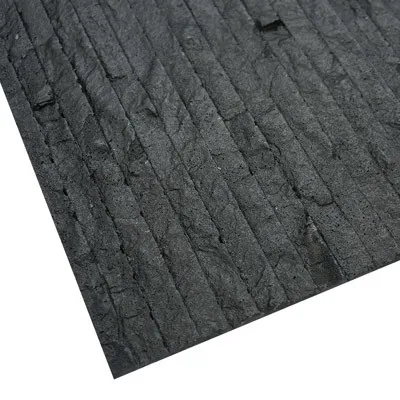
At the end of the day, building materials are about trust. Trust that the walls you build will protect, the spaces you design will inspire, and the materials you choose will stand by your side for decades. Muretto Stone doesn't just meet that trust—it exceeds it.
From the lab tests that prove its resilience to the real-world stories of cafes and lodges that rely on it, Muretto has earned its reputation as a material that marries beauty and brawn. It's flexible without being fragile, durable without being dull, and sustainable without sacrificing performance.
So whether you're designing a coastal retreat, a mountain lodge, or a bustling city café, remember: the right material isn't just about building walls. It's about building legacies. And with Muretto Stone, that legacy is built to last.
Recommend Products












