
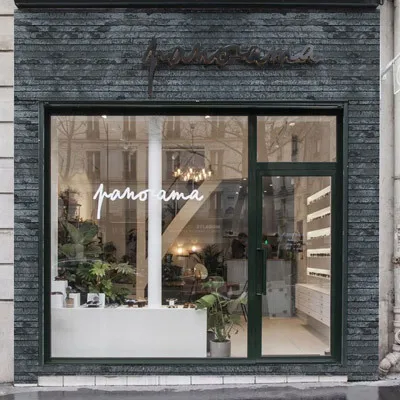
To understand Muretto Stone, we first need to unpack the term "modified cementitious materials." At their core, these are blends where cement—our tried-and-true building block—is enhanced with additives like polymers, fibers, or fine aggregates. Think of it as cement with a upgrade: the goal is to boost strength, flexibility, or aesthetics without losing the material's inherent durability. Traditional cement is strong but can be brittle; modified versions, like Muretto Stone, add polymers to improve elasticity or fibers to resist cracking, making them ideal for both structural and decorative use.
Muretto Stone takes this concept a step further. It's not just about function—it's about feeling. Unlike industrial concrete or overly polished marble, Muretto Stone is designed to evoke emotion. Its texture, a careful balance of smoothness and subtle grain, invites touch. Its color palette, rooted in nature, creates calm. It's cement, yes, but cement reimagined as a storyteller.
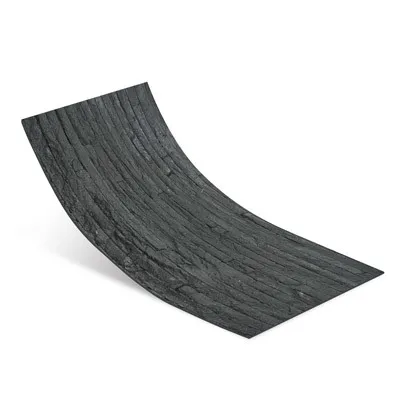
Developed for architects and designers who crave both durability and beauty, Muretto Stone is a masterclass in material science. Its base is a mix of high-grade cement, natural aggregates (like fine sand or crushed stone), and proprietary modifiers that give it that signature "lived-in" texture. The result? A material that's lightweight enough for easy installation yet tough enough to withstand the elements—whether it's rain lashing at a building's exterior or the daily hustle of a busy restaurant interior.
What truly sets Muretto Stone apart, though, is its versatility. It comes in three core color variants—light grey, dark grey, and beige—each with its own personality. Let's break them down:
| Variant | Aesthetic Personality | Best For... | Texture & Light Play |
|---|---|---|---|
| Muretto Stone (Light Grey) | Airy, understated, minimalist | Home offices, bedrooms, modern cafes | Soft, diffused grain that reflects natural light, making spaces feel larger and brighter. |
| Muretto Stone (Dark Grey) | Dramatic, moody, industrial-chic | Accent walls, restaurant bars, loft apartments | Deep, matte finish with a subtle texture that absorbs light, creating cozy, intimate atmospheres. |
| Muretto Stone (Beige) | Warm, organic, earthy | Boutique hotels, living rooms, wellness studios | Smooth with faint, sand-like undertones that mimic sun-baked clay, adding warmth without overwhelming. |
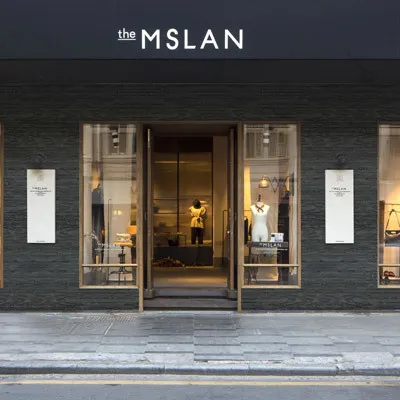
Walk into a room clad in Muretto Stone (Light Grey), and you'll notice how it fades into the background—*intentionally*. It's a color that doesn't compete with furniture or art; instead, it elevates them. Interior designer Lila Torres, who used light grey Muretto in a recent home office project, puts it this way: "My client wanted a space that felt calm but not sterile. Light grey Muretto does that—it's a neutral that breathes. Paired with wood accents and soft greenery, it became a backdrop for focus, not distraction."
Dark grey, by contrast, is unapologetically bold. Think of a downtown restaurant where the bar is wrapped in Muretto Stone (Dark Grey). The texture catches the glow of pendant lights, creating depth that makes the space feel layered and inviting. "It's not just a color—it's a mood," says architect Marco Ruiz, who designed the space. "Dark grey Muretto doesn't shout; it murmurs, 'Stay a while.'"
Then there's beige—the color that bridges the gap between modern and rustic. In a boutique hotel lobby, Muretto Stone (Beige) walls complement woven rugs and leather furniture, creating a sense of warmth that feels like a hug. "Beige can be boring if done wrong," admits designer Zoe Chen, "but Muretto's version has this subtle complexity. It's not flat—it has depth, like sandstone that's been kissed by the sun."
When Sarah and James renovated their 1950s bungalow, they wanted to honor the home's mid-century roots while updating the interior. The living room, once lined with plain drywall, now features a Muretto Stone (Beige) fireplace surround. "We wanted something that felt natural but not heavy," Sarah explains. "Natural stone was too expensive and hard to install, but Muretto? It's lightweight, so we didn't need to reinforce the wall, and the color matches the original terracotta roof tiles. Now, when we sit by the fire, the wall feels like part of the house's history, not an afterthought."
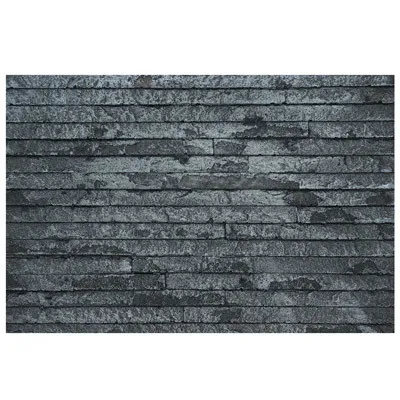
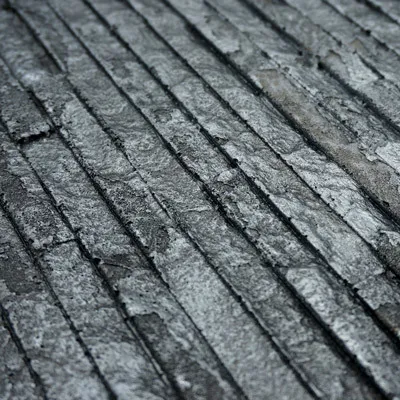
Muretto Stone's magic isn't just in its hues—it's in how it feels. Run your hand across its surface, and you'll notice a texture that's paradoxically smooth and rough. It's not as jagged as rough granite or as polished as marble veil white; instead, it's a happy medium, like stone that's been gently worn by wind and rain. This texture isn't accidental: during manufacturing, the material is cast in molds that mimic the organic irregularities of natural stone, then finished by hand to soften edges. The result is a surface that catches light in unexpected ways, creating depth that flat paints or tiles can't match.
This texture also serves a practical purpose. Unlike glossy surfaces that show every fingerprint, Muretto Stone's subtle grain hides wear and tear, making it ideal for high-traffic areas. A coffee spill on a Muretto Stone backsplash? Wipe it off, and it's like it never happened. A kid's sticky handprint on a bedroom wall? A quick wipe with a damp cloth, and the surface looks fresh again. It's beauty that doesn't demand perfection—and in our messy, busy lives, that's a relief.
How does Muretto Stone stack up against other popular materials? Let's take fair-faced concrete, for example—a material celebrated for its raw, industrial look. While fair-faced concrete is striking, it can feel cold and uninviting in residential spaces. Muretto Stone, with its warmer color palette and softer texture, adds warmth without losing that modern edge.
Then there's travertine, a natural stone loved for its earthy tones. Travertine is beautiful but heavy, porous (prone to staining), and expensive to quarry and install. Muretto Stone offers a similar aesthetic—those subtle holes and grain patterns—but in a lighter, more durable package. And unlike travertine, which varies wildly in color and texture from slab to slab, Muretto Stone provides consistency, ensuring a cohesive look across a wall or project.
Even foamed aluminium alloy boards, with their sleek metallic finish, have met their match in Muretto Stone. While foamed aluminium is great for modern, high-tech spaces, Muretto Stone appeals to those who want a connection to nature. It's the difference between a space that feels "designed" and one that feels "lived in."
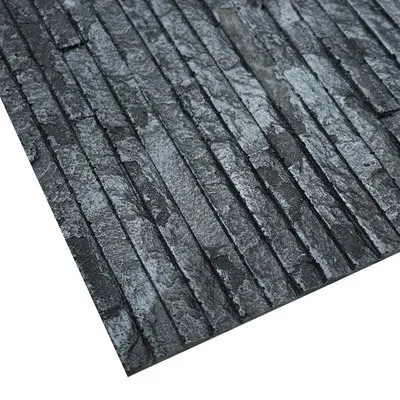
Muretto Stone's versatility makes it a favorite in both residential and commercial projects. Externally, it's used as cladding for homes and storefronts, adding curb appeal without the weight of natural stone. Imagine a row of townhouses, each with Muretto Stone (Light Grey) exteriors—clean, modern, and unified, yet each with its own subtle texture variations. Internally, it stars as feature walls, backsplashes, or even shower surrounds (thanks to its water-resistant properties).
It's also making waves in historical renovations. When restoring a 1920s theater, architects often struggle to balance modern durability with period authenticity. Muretto Stone (Beige), with its vintage-inspired texture, can replicate the look of old plaster or stone without the maintenance headaches. "We used it to repair a damaged wall in the theater's lobby," says preservationist Mia Wong. "From a distance, you'd never know it wasn't original. Up close, it's even better—it won't crumble or fade like the old material did."
Muretto Stone is more than a trend—it's a sign of where building materials are headed: toward sustainability, storytelling, and sensory experience. As we become more conscious of our environmental impact, materials like Muretto Stone, which often use recycled aggregates and low-VOC modifiers, are gaining traction. And as we crave spaces that feel human in an increasingly digital world, Muretto Stone delivers that tactile, emotional connection we've been missing.
So the next time you find yourself admiring a wall that feels both new and familiar, take a closer look. It might just be Muretto Stone—quietly proving that the best building materials don't just build spaces; they build feelings.
Recommend Products












