
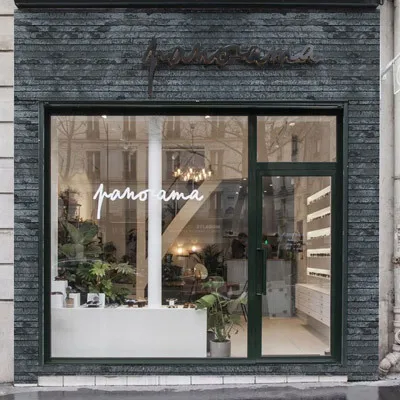
Walk into any modern building—whether it's a bustling office complex, a cozy neighborhood school, or a towering residential high-rise—and one of the first things you might notice is its design: the textures of the walls, the warmth of the materials, the way light plays off surfaces. But behind those aesthetic choices lies a silent, critical priority: safety. Among the many safety considerations that architects, builders, and developers grapple with, fire resistance stands tall. It's not just about meeting codes; it's about protecting lives, preserving investments, and ensuring peace of mind for everyone who steps through those doors. Today, we're diving into a material that's making waves in the world of fire-safe construction: Muretto stone. We'll explore its fire rating, why it matters, and how it stacks up against other popular building materials like travertine and fair-faced concrete. Because when it comes to building safety, knowledge isn't just power—it's protection.
Fire has been both a friend and a foe to humanity since the dawn of civilization. In construction, it's the foe we prepare for tirelessly. A building's fire rating isn't just a number on a piece of paper; it's a promise. It tells you how long a material or assembly can withstand fire before losing structural integrity or allowing flames and heat to spread. For example, a wall with a 2-hour fire rating can hold back fire for two full hours—time that could mean the difference between a contained incident and a catastrophic loss.
Why does this matter so much? Think about the last time you were in a crowded mall or a hotel. If a fire broke out, you'd rely on the building's materials to slow the spread, giving you time to evacuate and firefighters time to respond. That's why building codes around the world—from the International Building Code (IBC) in the U.S. to the Eurocodes in Europe—mandate strict fire resistance standards. And as buildings grow taller, more complex, and more densely occupied, those standards only become more rigorous.
But here's the thing: fire safety doesn't have to mean sacrificing aesthetics. Today's building materials are designed to be both beautiful and resilient, and Muretto stone is a shining example of that balance. Let's take a closer look at what makes this material unique.
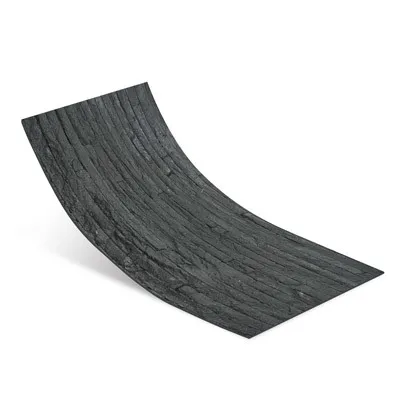
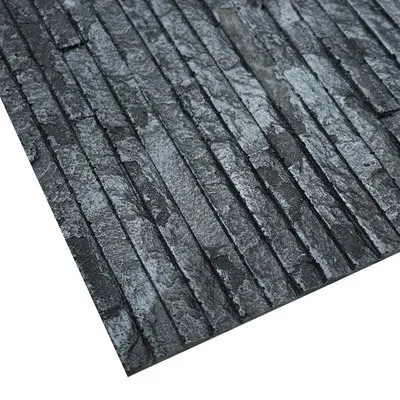
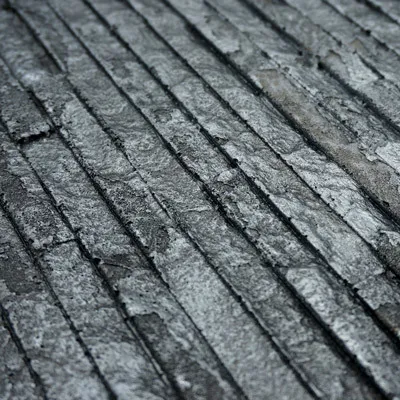
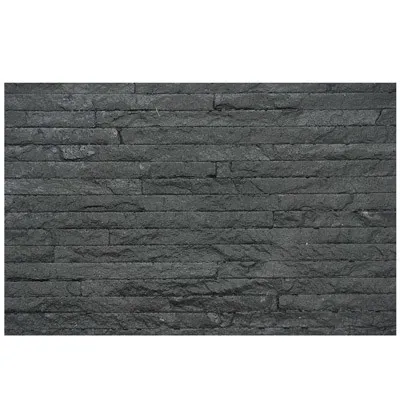
If you've ever wandered through the cobblestone streets of a historic Italian village, you might have noticed the charming, textured walls that seem to tell stories of the past. Muretto stone draws inspiration from those timeless structures, but with a modern twist. Available in light grey, dark grey, and beige, Muretto stone is a engineered stone that combines the durability of natural stone with the flexibility of modern manufacturing. It's designed for both interior and exterior use, offering a rustic, earthy aesthetic that feels both grounded and sophisticated.
But Muretto stone isn't just about looks. What sets it apart is its composition: a blend of high-quality aggregates, binders, and additives that are carefully formulated to enhance its performance. This includes resistance to weathering, impact, and—you guessed it—fire. Unlike some natural stones that can crack or spall under extreme heat, Muretto stone is engineered to maintain its structural integrity even when exposed to high temperatures, making it a top choice for safety-conscious builders.
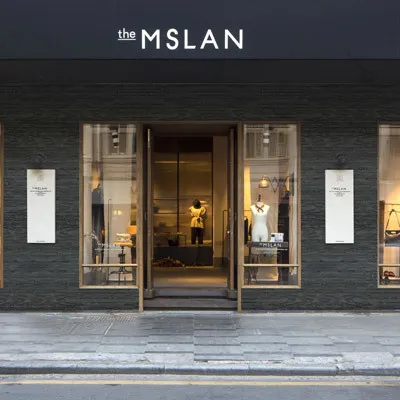
So, what's the fire rating of Muretto stone? To answer that, we need to look at how fire ratings are determined. Most testing follows standards set by organizations like ASTM International or ISO, where materials are subjected to controlled fire conditions. During these tests, researchers measure three key factors: how long the material resists ignition, how well it prevents the spread of flames, and whether it maintains structural stability under heat.
Muretto stone has undergone rigorous testing, and the results are impressive. Depending on the specific variant (light grey, dark grey, or beige), it typically achieves a fire resistance rating (FRR) of 120 to 180 minutes. That means, in the event of a fire, a wall or cladding made with Muretto stone could potentially contain the fire for 2 to 3 hours. To put that in perspective, the average time it takes for a fire to spread through a building without fire-resistant materials is often less than 30 minutes. Those extra hours? They're invaluable.
Certification is another key piece of the puzzle. Muretto stone is certified by leading bodies like the Underwriters Laboratories (UL) and the European Construction Products Regulation (CPR), ensuring that it meets or exceeds global safety standards. For architects and builders, this certification isn't just a checkbox—it's a guarantee that the material they're using has been put through its paces and proven reliable.
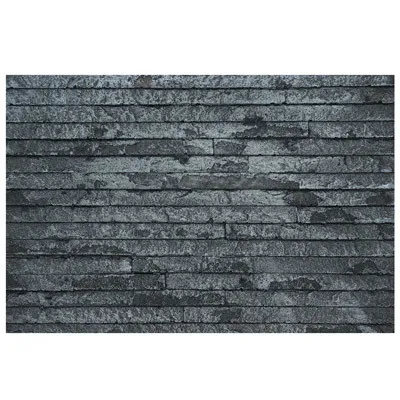
To truly appreciate Muretto stone's fire rating, it helps to compare it to other common building materials. Let's take a look at how it stacks up against travertine (a popular natural stone), fair-faced concrete (a minimalist favorite), and even some engineered stones.
| Material | Fire Rating (Minutes) | Key Fire-Resistant Properties | Common Applications |
|---|---|---|---|
| Muretto Stone (Light Grey) | 180 | Low thermal conductivity, minimal spalling, maintains structural integrity | Exterior cladding, interior feature walls, fireplace surrounds |
| Muretto Stone (Dark Grey) | 150 | Similar to light grey; slightly higher heat absorption due to color | Accent walls, outdoor patios, commercial facades |
| Muretto Stone (Beige) | 120 | Excellent heat resistance; lighter color reflects some heat | Residential interiors, hotel lobbies, retail spaces |
| Travertine (Vintage Silver) | 90-120 | Natural porosity can lead to spalling under intense heat | Flooring, countertops, decorative accents |
| Fair-Faced Concrete | 120-240 | High thermal mass, slow to heat up; heavy and less flexible | Structural walls, industrial buildings, modernist facades |
As the table shows, Muretto stone holds its own against fair-faced concrete (which is known for its fire resistance) and outperforms many travertine variants. What's more, Muretto stone offers advantages that concrete doesn't: it's lighter, easier to install, and has a warmer, more organic look. For architects who want both safety and style, that's a winning combination.
Building codes vary from country to country, but one thing remains consistent: the emphasis on fire safety. In the United States, the IBC requires most commercial buildings to use materials with a minimum fire rating of 1 hour for interior walls and 2 hours for structural elements. In the European union, the CPR sets similar standards, with materials needing to achieve a Euroclass rating of at least A2-s1, d0 (non-combustible, low smoke emission).
Muretto stone doesn't just meet these standards—it exceeds them. Its Euroclass rating is A1-s1, d0, which is the highest possible rating for non-combustibility. That means it doesn't contribute to fire growth, emits minimal smoke, and doesn't produce flaming droplets. For developers working on projects in multiple countries, this global compliance is a huge advantage. It eliminates the need to source different materials for different markets, streamlining the construction process and reducing costs.
Let's take a look at a real-world example of Muretto stone in action. In 2023, a historic elementary school in Barcelona, Spain, underwent a major renovation. The goal was to modernize the building while preserving its architectural heritage. Safety was a top priority, especially since the school housed over 500 children daily.
The architects chose Muretto stone (beige variant) for the exterior cladding and interior feature walls. Why? Because its earthy tone complemented the school's original brickwork, and its 120-minute fire rating gave the design team confidence that it would protect students and staff in an emergency. During the renovation, the local fire department conducted a surprise inspection and was impressed by the material's fire resistance. "In my 20 years of service, I've seen too many schools cut corners on fire safety," said Captain Maria Lopez. "Muretto stone isn't just a good choice—it's a responsible one." Today, the school stands as a model of how safety and aesthetics can coexist, with parents noting they feel "relieved" knowing their children are in a building designed to prioritize their protection.
In today's construction landscape, safety isn't the only priority—sustainability is too. Green building materials are in high demand, as developers and occupants alike seek to reduce their environmental footprint. Muretto stone aligns with this trend beautifully.
First, Muretto stone is often made with recycled aggregates, reducing the need for virgin materials and minimizing waste. Its manufacturing process is also energy-efficient, with low carbon emissions compared to traditional stone quarrying. Additionally, because it's highly durable, buildings clad in Muretto stone require less frequent replacement, reducing the lifecycle environmental impact.
For projects pursuing LEED (Leadership in Energy and Environmental Design) certification, Muretto stone can contribute points in categories like "Materials and Resources" and "Innovation in Design." When combined with other green materials like low-VOC paints and energy-efficient windows, it helps create buildings that are not only safe but also kind to the planet. It's a win-win: you get fire resistance that protects lives, and sustainability that protects the Earth.
As building codes become stricter and public awareness of fire safety grows, materials like Muretto stone are poised to play an even bigger role in construction. We're already seeing a shift away from flammable materials like vinyl cladding and towards more resilient options. Muretto stone, with its combination of fire resistance, durability, and aesthetics, is at the forefront of this shift.
Innovations in manufacturing are also on the horizon. Researchers are exploring ways to enhance Muretto stone's fire rating even further, potentially pushing it to 240 minutes or more. There's also work being done to develop new color variants and textures, giving architects even more creative freedom. Imagine a skyscraper clad in Muretto stone that not only stands tall against fire but also shimmers in the sunlight—a true marriage of form and function.
At the end of the day, construction is about more than bricks and mortar. It's about creating spaces where people live, work, learn, and thrive. And in those spaces, safety should never be compromised. Muretto stone's impressive fire rating—backed by rigorous testing, global certification, and real-world results—makes it a material that builders and architects can trust. Whether paired with travertine for a classic look or fair-faced concrete for a modern edge, it brings both peace of mind and beauty to every project.
So, the next time you walk into a building and admire its walls, take a moment to think about the materials that went into it. If it's Muretto stone, you can rest easy knowing that behind that rustic texture lies a commitment to safety. And in a world where we can't predict everything, that's a foundation worth building on.
Recommend Products












