

When we talk about building materials, we often focus on aesthetics—how they look, how they complement a design, or how they fit a budget. But there's a foundational element that should never take a backseat: safety. Among the many threats buildings face, fire remains one of the most unpredictable and destructive. The choice of cladding, flooring, or wall materials can mean the difference between a contained incident and a catastrophic loss. Enter Muretto Stone—a material that doesn't just elevate a building's visual appeal but stands as a silent guardian, offering exceptional fire resistance that prioritizes the safety of occupants and the integrity of structures. In this article, we'll explore why Muretto Stone, available in light grey, dark grey, and beige variants, has become a go-to choice for architects and builders who refuse to compromise on safety without sacrificing style.
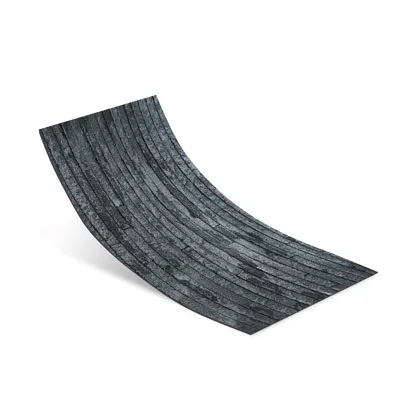
Before diving into its fire-resistant properties, let's get to know Muretto Stone a little better. Muretto Stone is a specialized building material crafted from a blend of natural minerals and advanced composites, designed to mimic the rugged beauty of traditional stone while enhancing durability and performance. Available in three versatile shades—light grey, dark grey, and beige—it offers architects the flexibility to align with any design vision, from modern minimalism to rustic charm. Unlike some synthetic cladding options that prioritize looks over function, Muretto Stone is engineered with a focus on resilience, making it suitable for both interior and exterior applications. Its texture, which ranges from subtly smooth to gently rough, adds depth to surfaces, while its composition ensures it can withstand the elements and, crucially, high temperatures.
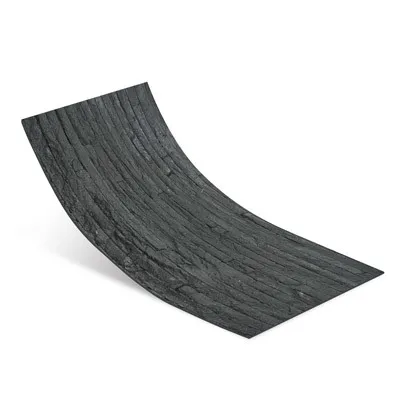
Fire resistance isn't just a marketing claim for Muretto Stone—it's a result of careful material science. At its core, Muretto Stone is composed of inorganic minerals, including limestone and dolomite, which are naturally non-combustible. Unlike organic materials like wood or even some composites that ignite when exposed to flame, Muretto Stone doesn't catch fire. Instead, it acts as a barrier, slowing the spread of heat and preventing flames from penetrating deeper into a structure.
Another key factor is its low thermal conductivity. When fire strikes, Muretto Stone absorbs and dissipates heat slowly, reducing the risk of adjacent materials reaching ignition temperatures. This is especially critical in multi-story buildings, where fire can quickly spread between floors if cladding materials fail. Testing has shown that Muretto Stone maintains structural integrity even when exposed to temperatures exceeding 1,000°C (1,832°F) for extended periods—far beyond the typical conditions of a residential or commercial fire.
Additionally, Muretto Stone releases minimal toxic fumes when heated. Many building materials, such as certain plastics or treated woods, emit harmful gases like carbon monoxide or hydrogen cyanide during combustion, which are often more dangerous than the fire itself. Muretto Stone, being mineral-based, produces little to no smoke or toxic byproducts, making evacuation safer for occupants and reducing risks for firefighters.

Muretto Stone's fire resistance translates to a host of tangible safety benefits for buildings, big and small. Let's break them down:
By resisting ignition and slowing heat transfer, Muretto Stone helps contain fires to their origin point. This gives occupants more time to evacuate and firefighters more opportunity to extinguish the blaze before it spreads. In commercial settings like offices or shopping malls, where large numbers of people gather, this delay can be life-saving.
A building's structural frame is only as strong as the materials protecting it. Muretto Stone's ability to withstand high temperatures means it helps shield load-bearing walls and beams from heat damage. This reduces the risk of structural collapse during a fire, keeping escape routes viable and minimizing damage to the building itself.
As mentioned earlier, Muretto Stone emits few toxic fumes when exposed to fire. This is a critical advantage over materials like wood grain board, which can release thick, acrid smoke that impairs visibility and breathing. In residential buildings, where families sleep through the night, the reduced risk of toxic inhalation can mean the difference between a close call and a tragedy.
Fire resistance isn't a one-time feature—it needs to last the lifetime of the building. Muretto Stone is highly durable, resistant to weathering, fading, and wear, so its fire-resistant properties don't degrade over time. Unlike some fire-retardant treatments that require reapplication every few years, Muretto Stone's safety benefits are built-in, offering peace of mind for decades.
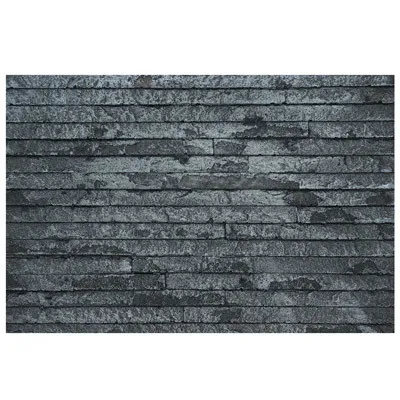
To truly appreciate Muretto Stone's safety advantages, it helps to compare it to other common building materials. Let's take a look at how Muretto Stone (light grey) performs against wood grain board, fair-faced concrete, and travertine (beige)—all popular choices in construction—when it comes to fire safety:
| Material | Fire Resistance Rating* | Heat Transfer Rate (W/m²K) | Ignition Risk | Toxic Fumes When Heated |
|---|---|---|---|---|
| Muretto Stone (Light Grey) | 2+ hours | 0.8–1.2 | Very Low (Non-combustible) | Minimal to None |
| Wood Grain Board | 0.5–1 hour (with treatment) | 0.1–0.3 (highly conductive) | High (Combustible) | High (Smoke, Carbon Monoxide) |
| Fair-Faced Concrete | 1.5–2 hours | 1.3–1.8 | Low (Non-combustible) | Low (Some Dust) |
| Travertine (Beige) | 1–1.5 hours | 1.0–1.5 | Low (Non-combustible) | Minimal |
*Based on standard fire resistance tests (ASTM E119). Ratings may vary by thickness and installation.
As the table shows, Muretto Stone outperforms wood grain board by a significant margin in every fire safety category, thanks to its non-combustible nature and low heat transfer. While fair-faced concrete and travertine (beige) are also non-combustible, Muretto Stone offers longer fire resistance ratings and better heat insulation, making it a more reliable choice for critical safety applications.
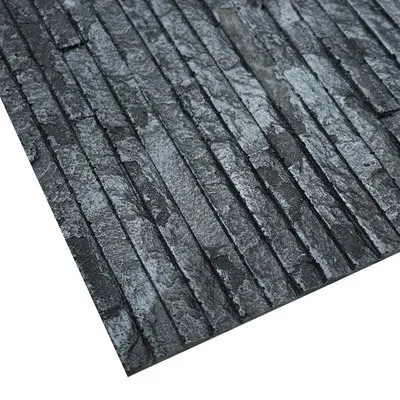
Muretto Stone's fire resistance isn't just theoretical—it's proven in real-world settings. Let's look at a few examples of how it's being used to enhance building safety:
A 12-story boutique hotel in a busy city center recently renovated its exterior with Muretto Stone (dark grey) cladding. The design team chose Muretto for its modern aesthetic, but the fire safety benefits were equally critical. The hotel, located near other commercial buildings, needed to meet strict local fire codes requiring 2-hour fire resistance for exterior walls. Muretto Stone not only met this requirement but also reduced the building's overall fire risk by minimizing heat transfer to adjacent structures. During a minor kitchen fire on the 3rd floor, the Muretto cladding prevented the flames from spreading externally, allowing firefighters to contain the incident quickly.
A 19th-century town hall, designated a heritage site, required interior renovations to improve fire safety without altering its historic appearance. The architects selected Muretto Stone (beige) for the lobby walls, as its warm tone matched the building's original stonework. The Muretto panels were installed over a fire-resistant backing, creating a dual-layer protection system. This upgrade allowed the town hall to meet modern fire codes while preserving its historical charm—proving that safety and heritage preservation can go hand in hand.
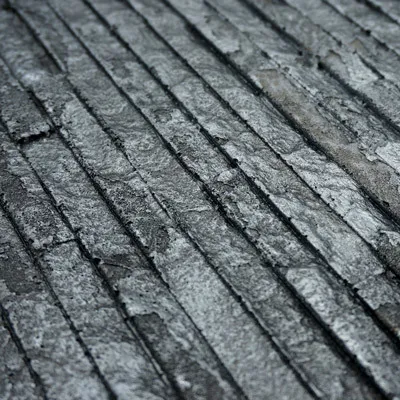
At the end of the day, building materials are about balance—function, form, and value. Muretto Stone delivers on all three, but its fire resistance sets it apart as a material that puts safety first. Whether you're designing a residential home, a commercial complex, or a public facility, here's why Muretto Stone should be on your radar:
In building design, every choice matters. Muretto Stone isn't just another cladding option—it's a statement that safety is non-negotiable. Its fire-resistant properties, combined with its durability and aesthetic appeal, make it a standout material for anyone who values the protection of occupants, the integrity of structures, and the peace of mind that comes with knowing you've chosen the best. Whether you're building a new home or retrofitting an existing space, Muretto Stone—light grey, dark grey, or beige—proves that when it comes to safety, you can have both strength and beauty. After all, the best buildings aren't just built to look good; they're built to keep us safe.
Recommend Products












