

Think about the first school you ever attended. What do you remember most? Maybe the smell of chalk, the sound of recess bells, or the feel of your first classroom's walls as you pressed your palm against them, trying to steady your nerves on the first day. Those details aren't just background noise—they're part of the foundation of how we learn to explore, question, and grow. Schools aren't just buildings; they're living, breathing spaces that shape the way students see themselves and the world around them. And if that's the case, shouldn't the materials we build them with reflect that purpose?
Too often, though, school design gets reduced to checklists: enough classrooms, functional bathrooms, a sturdy roof. But what about the walls that hold up student artwork? The floors that carry kids from math class to lunch, laughing and chattering? The surfaces that need to stay bright, safe, and inviting even after years of sticky fingers, scuffling shoes, and the occasional science experiment gone wrong? These are the details that turn a "building" into a "school"—a place where students don't just learn, but thrive .
Ask any school administrator about their biggest headaches, and "facility maintenance" will likely top the list. It starts small: a chip in the hallway wall here, a stain on the classroom floor there. But over time, those small issues add up. Paint fades, requiring repainting every few years. Cheap tile cracks under heavy book bags. Drywall soaks up spills like a sponge, leading to mold and mildew. And each repair isn't just a cost—it's a disruption. Classrooms get closed, schedules get shuffled, and the focus shifts from lesson plans to leaky roofs. For educators, it's demoralizing: how do you inspire students to dream big when the walls around them are literally falling apart?
Then there's the emotional toll. Imagine a first-grader walking into a classroom with peeling wallpaper and scuffed, discolored floors. What message does that send? That their space doesn't matter? That their learning isn't worth investing in? Of course, no one intends that—but the materials we choose send silent messages. And when those materials fail, it's not just a budget problem. It's a problem for the students who deserve better.

This is where Muretto Stone steps in: not just as a building material, but as a partner in creating spaces that grow with students. Available in three timeless shades—soft light grey , warm beige , and rich dark grey —Muretto Stone feels like it was designed with the chaos and beauty of school life in mind. It's not flashy or trendy; instead, it's quietly confident, like a favorite teacher who's there year after year, steady and reliable.
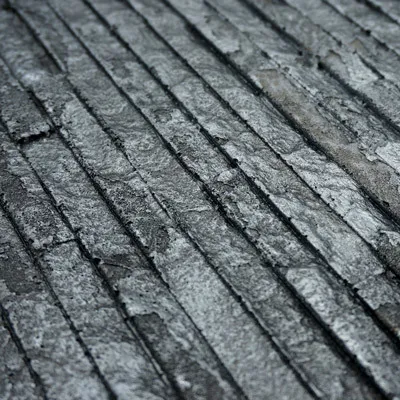
Run your hand along a wall of Muretto Stone, and you'll notice something immediately: it has character. The surface isn't perfectly smooth, like cold marble, or rough enough to catch on clothing, like unpolished concrete. It's a gentle texture—subtle, tactile, and surprisingly warm. It's the kind of wall that invites curiosity: a student might trace their finger along its surface during a boring lecture, or press a leaf against it to make a "stone rubbing" art project. In a world of flat, sterile surfaces, that little bit of texture makes a space feel human.
Take the light grey Muretto Stone , for example. In a preschool classroom, it softens harsh fluorescent lights, creating a calm, neutral backdrop for finger paints and alphabet rugs. It doesn't compete with the bright colors of children's artwork; instead, it frames them, making every crayon scribble feel like a masterpiece. In a high school science lab, the same light grey stone stands up to spills and chemical splashes, wiping clean with a damp cloth and never staining. It's versatile not just in color, but in spirit—able to shift from playful to practical, depending on the room.
Then there's the beige variant , which feels like a hug in stone form. In a school library, it warms up the space, making it feel more like a cozy reading nook than a sterile storage room for books. Sunlight filters through the windows, catching the stone's subtle undertones and casting soft shadows—perfect for curling up with a novel or studying for a test. And in a cafeteria, where spills are inevitable, beige Muretto Stone hides stains better than white tile, meaning less time scrubbing and more time focusing on whether the lasagna is any good (spoiler: it never is, but the walls don't care).
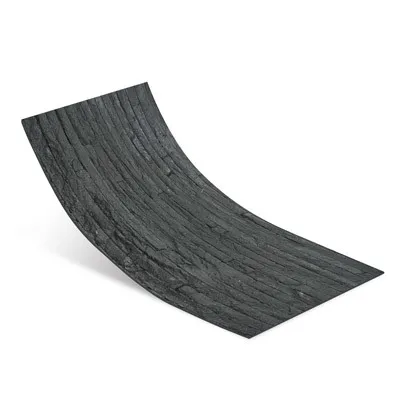
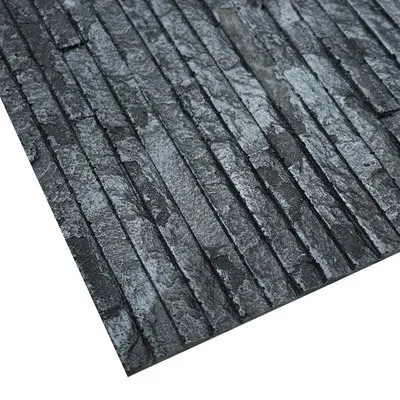
For spaces that need a touch of gravity—like auditoriums or administrative offices—the dark grey Muretto Stone shines. It adds depth without feeling heavy, creating a sense of focus and respect. Imagine a graduation ceremony in an auditorium lined with dark grey Muretto Stone: the walls absorb excess noise, making every speech clearer, every cheer louder. And years later, when those graduates return for reunions, the stone will still look as dignified as the day it was installed—no fading, no chipping, no need for updates. It's a material that honors tradition while embracing the future.
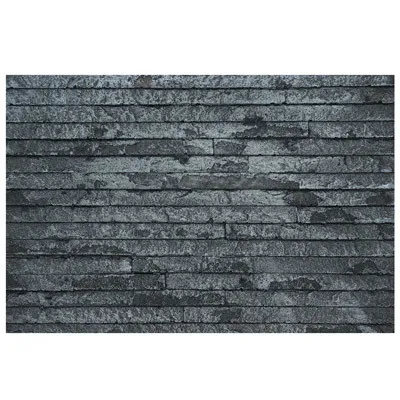
Let's get practical: what makes Muretto Stone different from, say, drywall or standard tile? It starts with durability. Muretto Stone is engineered to withstand the kind of wear and tear that would destroy lesser materials. Scuff it with a backpack? No problem. Spill juice on it? Wipe it off. Even the occasional basketball bouncing off it (we've all been there) won't leave a mark. It's dense, non-porous, and resistant to moisture, which means no mold, no mildew, and no rotting—critical in humid climates or areas with heavy rain.
But durability doesn't have to mean cold or industrial. Muretto Stone manages to be both tough and warm, thanks to its unique composition. Unlike fair-faced concrete —which can feel stark and institutional—Muretto Stone has a organic, almost handcrafted quality. It doesn't look "machine-made"; it looks like it was shaped with care, which makes a space feel more welcoming. And compared to travertine , which is beautiful but porous (read: stains easily and requires sealing), Muretto Stone needs almost no maintenance. No sealing, no special cleaners, no annual buffing. Just an occasional wipe-down with soap and water, and it's good to go.
| Material | Durability | Maintenance Needs | Aesthetic Feel | Best For |
|---|---|---|---|---|
| Muretto Stone (Light Grey/Dark Grey/Beige) | High—resists scuffs, stains, and moisture | Low—occasional soap and water wipe-down | Warm, textured, and versatile (cozy to dignified) | Classrooms, hallways, libraries, auditoriums, cafeterias |
| Fair-Faced Concrete | High—very strong, but prone to cracking over time | Medium—requires sealing to prevent staining | Stark, industrial, can feel cold | Outdoor walkways, utility rooms |
| Travertine | Medium—porous, prone to scratches and stains | High—needs regular sealing and professional cleaning | Elegant, natural, but delicate | Foyers, decorative accents (not high-traffic areas) |
The difference is clear: Muretto Stone isn't just another building material. It's a material that understands the unique needs of schools. It's durable enough to handle the chaos of daily life, but warm enough to make that chaos feel like home. It's low-maintenance, so administrators can focus on budgets that matter (like new textbooks or teacher salaries). And it's versatile, so it can adapt to any space—from a kindergarten art room to a high school robotics lab.
Don't just take our word for it. Take Lincoln Elementary in Portland, Oregon, which renovated its main building with Muretto Stone in 2023. Before the renovation, the school's hallways were lined with painted drywall that looked like a patchwork quilt of repairs. "We were repainting every summer, and by October, there were already scuffs," says Principal Maria Gonzalez. "It was exhausting." Today, the hallways are clad in beige Muretto Stone, and Gonzalez can't hide her relief. "Last month, a kindergartener spilled an entire bottle of blue paint down the wall. I panicked—thought we'd need to repaint the whole section. But the custodian wiped it off with a wet rag, and you can't even tell. The kids love it, too—they call it 'the magic wall' because nothing sticks to it."
Over in Austin, Texas, Westside High School chose dark grey Muretto Stone for its auditorium and black box theater. "We needed something that could handle sound well and look good for decades," explains drama teacher Mr. Hernandez. "The old space had carpeted walls that smelled like mildew and absorbed all the light. Now, with the dark grey stone, the acoustics are better, the lighting looks amazing on stage, and it's easy to clean—no more worrying about set pieces scratching the walls. The students say it feels 'professional,' like a real theater. And when they feel that way, they perform better. It's like the stone itself is giving them confidence."
And it's not just about function. At Riverview Middle School in Colorado, the art teacher, Ms. Patel, uses the light grey Muretto Stone walls as a canvas for student work. "We hang paintings, sculptures, even 3D art installations directly on the stone using magnetic strips," she says. "The texture of the stone makes the art pop—like it's part of the wall, not just stuck to it. And when we take it down, there are no holes, no marks. The kids love that their art gets to live on a wall that feels permanent, like it's not just temporary. It makes them take more pride in their work."
At the end of the day, Muretto Stone isn't just about walls and floors. It's about investing in the idea that students deserve spaces that are as resilient, adaptable, and full of potential as they are. When we build schools with materials that last, we're sending a message: "You matter. Your learning matters. Your future matters." And that message? It sticks with students long after they graduate.
Imagine a world where every school hallway is lined with Muretto Stone—light grey, beige, dark grey—walls that don't just contain students, but lift them up. Where maintenance crews spend less time fixing and more time supporting teachers. Where administrators can redirect repair budgets to new laptops or field trips. Where students walk into classrooms and think, "This place was built for me." That's the world Muretto Stone helps create: a world where schools are as strong, warm, and enduring as the students who learn in them.
So the next time you walk into a school, take a moment to look around. Notice the walls, the floors, the surfaces that shape the space. Are they fighting against the chaos of learning, or embracing it? Are they falling apart, or built to last? And most importantly: do they make you feel like you belong? With Muretto Stone, the answer is always yes. Because when it comes to building schools, the best materials aren't just about what they are . They're about what they enable : a lifetime of learning, growth, and memories that stick—just like the stone itself.
Recommend Products












