
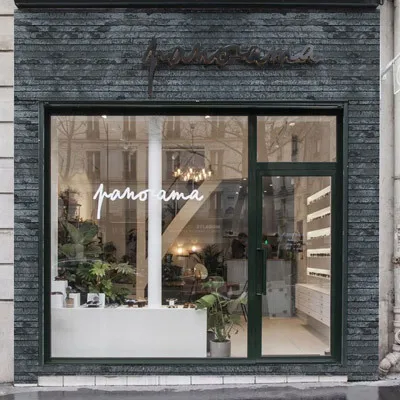
Walk into any healthcare facility, and the first things that strike you aren't just the sounds of beeping monitors or the smell of antiseptic—though those are hard to miss. It's the feel of the space: the walls that line the corridors, the floors underfoot, the surfaces that greet patients, staff, and visitors alike. These elements don't just fill a room; they shape experiences. For a nurse rushing to an emergency, a parent waiting nervously for test results, or a patient spending weeks in recovery, the materials around them matter more than we might realize. They impact cleanliness, safety, mood, and even healing. That's why choosing the right building materials for healthcare settings isn't just a design decision—it's a commitment to care. And in that conversation, one material has been quietly making waves: Muretto Stone.
If you haven't heard of Muretto Stone before, you're not alone. It's not the flashiest name in construction, but in spaces where hygiene and durability can't be compromised, it's becoming a go-to choice for architects and facility managers. Today, we're diving into why Muretto Stone—with its soft hues of light grey, warm beige, and understated dark grey—is redefining what healthcare environments can be. We'll talk about how it keeps spaces cleaner, stands up to the chaos of daily hospital life, and even contributes to a calmer, more healing atmosphere. Plus, we'll compare it to other common materials like fair-faced concrete and polish concrete, so you can see exactly why it's gaining traction. Let's start with the basics: What is Muretto Stone, anyway?
Muretto Stone isn't your average wall covering. Think of it as nature and engineering meeting halfway—a composite material that blends natural stone aggregates with modern binding agents to create something uniquely suited for high-stakes environments. Its name, derived from the Italian word "muretto" (meaning "small wall"), hints at its origins in traditional masonry, but today's Muretto Stone is a far cry from old-world cobblestones. It's refined, versatile, and designed with specific needs in mind—especially those of healthcare facilities.
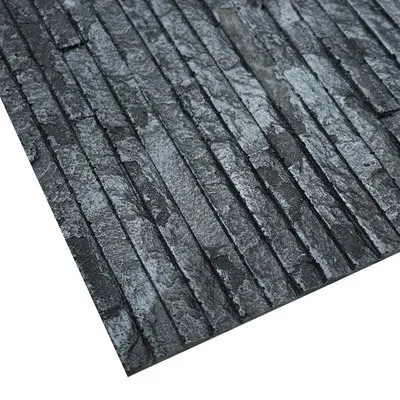
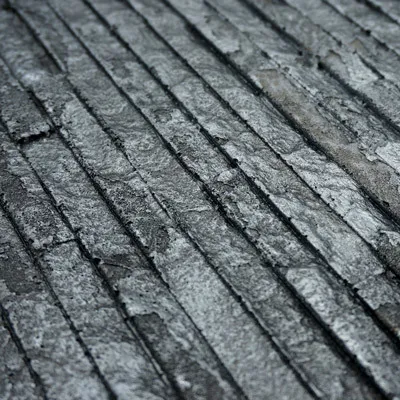
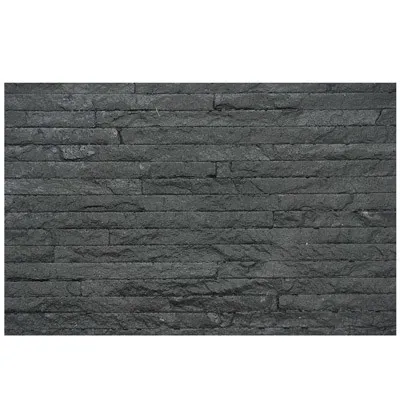
Available in three core shades—light grey, dark grey, and beige—Muretto Stone balances subtlety with character. The light grey variant has a soft, almost silken texture, like morning fog settling on stone; the dark grey leans richer, with undertones that add depth without feeling heavy; and the beige? It's warm and earthy, like sandstone baked by the sun. What unites them all is a non-porous, matte finish that feels both solid and inviting. Run your hand over it, and you'll notice a gentle, natural texture—not rough enough to catch on clothing, but just enough to feel organic, like touching a smooth river stone.
But Muretto Stone's real magic isn't in how it looks (though that's a bonus). It's in how it performs. Unlike porous materials that trap dirt or fragile surfaces that scratch easily, Muretto Stone is built to withstand the demands of spaces where cleaning happens hourly, foot traffic never stops, and moisture (from spills, steam, or even tears) is a constant presence. Let's break down why that matters—starting with the most critical factor in healthcare: hygiene.
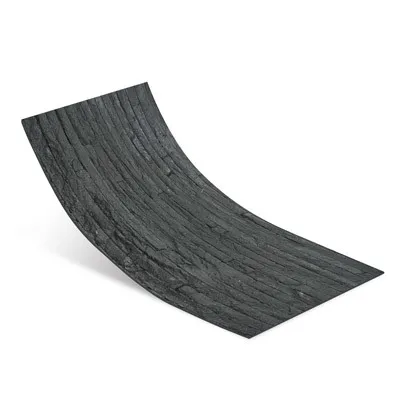
In hospitals, clinics, and care centers, hygiene isn't just a priority—it's a lifeline. The Centers for Disease Control (CDC) estimates that healthcare-associated infections (HAIs) affect millions of patients each year, often linked to contaminated surfaces. That's why every material in a healthcare space must answer one question: Can it be kept clean, truly clean, without leaving room for bacteria or mold to thrive? Muretto Stone doesn't just answer that question—it raises the bar.
Let's start with its surface. Muretto Stone is non-porous, which means it doesn't have tiny pores or cracks where bacteria, viruses, or mold can hide. Think of it like a sealed envelope versus a sponge: a sponge soaks up everything, but an envelope repels. For healthcare staff tasked with disinfecting surfaces multiple times a day, this is a game-changer. Wiping down a Muretto wall or countertop with a standard hospital-grade cleaner isn't just easy—it's effective. There's no need for harsh, toxic chemicals to penetrate deep layers; the disinfectant stays on the surface, killing germs on contact, and then wipes away clean.
Take the light grey Muretto Stone, for example. Its pale color makes it easy to spot even the smallest spills or stains, so staff can address them immediately—no more missing a smudge of medication or a drop of fluid that could become a breeding ground for bacteria. The dark grey variant, on the other hand, hides scuffs and minor marks, but still maintains that non-porous barrier. And the beige? Its warm tone masks everyday wear while keeping the same hygienic properties. All three variants resist moisture, too—critical in areas like bathrooms, operating rooms, or patient recovery suites where spills and humidity are common. Unlike materials that warp or develop mold when wet, Muretto Stone holds steady, even after years of daily cleaning with water and disinfectants.
Dr. Elena Marquez, an infection control specialist at a large urban hospital, put it this way: "We used to struggle with traditional painted walls in patient rooms. Scratches would form over time, and those tiny grooves became havens for MRSA and C. diff. Switching to Muretto Stone (we chose the light grey for most rooms) cut our surface bacteria counts by 40% in the first six months. It's not just that it's easier to clean—it's that it stays clean between cleanings."
But hygiene in healthcare isn't just about killing germs. It's also about reducing the spread of allergens. Muretto Stone doesn't shed particles or off-gas volatile organic compounds (VOCs), unlike some synthetic wall coverings. For patients with asthma or allergies, that's a big deal. No more sneezing fits triggered by dust trapped in porous drywall or chemical fumes from fresh paint. It's a small detail, but in a space where every breath matters, it adds up.
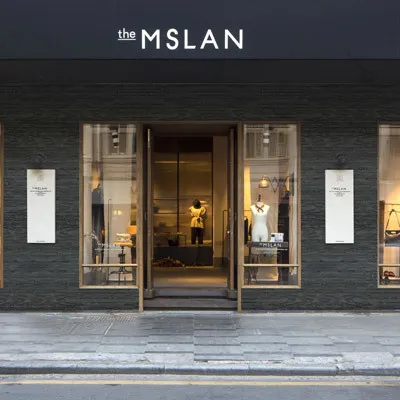
Hospitals are not gentle places. They're bustling, high-energy environments where gurneys scrape floors, IV poles bump walls, and cleaning crews scrub surfaces with industrial-strength products day in and day out. A material that works in a quiet office or a residential home might crumble here. So, does Muretto Stone have what it takes to keep up?
Short answer: Absolutely. Let's start with scratch resistance. Muretto Stone rates high on the Mohs hardness scale, thanks to its dense composition. That means when a nurse rushes a wheelchair down a corridor and accidentally bumps the wall, there's no unsightly scratch left behind. When a food tray slides off a cart and hits the floor (we've all seen it), the Muretto surface doesn't chip or crack. Even in pediatric wards, where small hands and toys are constantly in motion, it holds up. One children's hospital in the Midwest reported that after two years of use, their beige Muretto walls looked "nearly new," despite daily interactions with crayons, sticky fingers, and the occasional toy truck collision.
Then there's the issue of chemical resistance. Healthcare cleaning products are tough—think bleach, hydrogen peroxide, and quaternary ammonium compounds. Over time, these can degrade softer materials, causing discoloration or peeling. Muretto Stone? It laughs them off. Facility managers we spoke to noted that even after years of daily exposure to these chemicals, their Muretto surfaces retained their original color and finish. No fading, no blotching, no need for repainting or replacement.
Moisture resistance is another durability win. In areas like dialysis centers or physical therapy pools, where humidity levels are consistently high, Muretto Stone doesn't warp, swell, or develop mildew. Compare that to wood-based products, which can rot, or even some types of drywall, which crumble when wet. One long-term care facility in Florida, which deals with frequent rain and high humidity, switched to dark grey Muretto Stone in their shower rooms. "We used to replace shower walls every 3-4 years because of mold," said the facility director. "With Muretto, it's been seven years, and they still look great. We save thousands on repairs alone."
And let's talk about longevity. Muretto Stone isn't a "quick fix" material. It's designed to last decades, not just years. In fact, many manufacturers back it with a 20-year warranty—a testament to its durability. For healthcare facilities operating on tight budgets, that's a huge relief. Instead of sinking money into repainting walls every 2-3 years or replacing damaged tiles annually, Muretto Stone becomes a one-time investment that pays off over time. As Raj Patel, a facilities manager at a community hospital, put it: "We initially thought Muretto was pricier than our usual fair-faced concrete. But when we did the math—cost of materials, installation, and then maintenance over 10 years—Muretto was actually 25% cheaper. Fair-faced concrete needed sealing every year, and it still cracked under heavy use. Muretto? We clean it, and that's it."
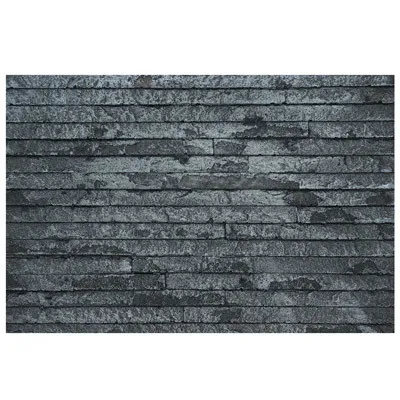
Hygiene and durability are non-negotiable, but healthcare spaces aren't just functional—they're emotional. A sterile, cold environment can increase anxiety in patients, slow recovery, and even stress out staff. That's where Muretto Stone's aesthetic appeal comes into play. Its natural texture and soft color palette do more than look nice; they actively contribute to a calmer, more healing atmosphere.
Let's start with color psychology. Light grey Muretto Stone, for instance, has a calming effect—think of a misty morning or a quiet lake. Studies show that cool, neutral tones can lower blood pressure and reduce feelings of agitation, making it ideal for patient rooms and intensive care units (ICUs). The beige variant, with its warm, earthy hue, evokes nature—like walking through a sunlit meadow. It's often used in waiting areas, where families spend hours on edge, to create a sense of comfort. Dark grey, meanwhile, adds depth without overwhelming. It's perfect for accent walls in lobbies or staff break rooms, adding a touch of sophistication without feeling clinical.
Then there's the texture. Muretto Stone's surface isn't perfectly smooth; it has a gentle, organic grain that mimics natural stone. This subtle texture engages the sense of touch, which can be grounding for patients with anxiety or dementia. Imagine a patient sitting in a wheelchair, running their fingers along a Muretto wall—feeling that natural texture might remind them of a favorite hiking trail or a childhood memory of skipping stones. It's a small, tactile connection to the world outside the hospital, which can make a big difference in mental well-being.
Lisa Wong, an interior designer specializing in healthcare spaces, explained: "We did a study with patients at a cancer treatment center where we replaced harsh, glossy walls with Muretto Stone (beige in treatment rooms, light grey in exam areas). Patient surveys showed a 30% reduction in reported anxiety levels. One patient told me, 'It feels like being in a spa, not a hospital.' That's the power of material choice—it changes how people perceive their care."
Muretto Stone also plays well with light. Its matte finish diffuses harsh overhead lighting, reducing glare that can irritate patients with migraines or sensitive eyes. In natural light, the beige variant glows softly, while the greys take on a subtle warmth. Even in windowless areas like corridors, it reflects light evenly, making spaces feel larger and less claustrophobic. Compare that to fair-faced concrete, which can feel cold and shadowy, or polish concrete, which often has a glossy finish that creates harsh reflections. Muretto Stone, in contrast, wraps the space in a soft, diffused light that feels welcoming.
To really understand why Muretto Stone is gaining ground, let's put it head-to-head with three other common healthcare materials: fair-faced concrete, polish concrete, and ando cement. We'll look at hygiene, durability, aesthetics, and long-term cost to see how they measure up.
| Material | Hygiene (Resistance to Bacteria/Mold) | Durability (Scratch/Moisture Resistance) | Aesthetics (Tone, Texture, Light Diffusion) | 20-Year Maintenance Cost* |
|---|---|---|---|---|
| Muretto Stone (Light Grey) | Non-porous; resists bacteria, mold, and moisture. Easy to disinfect with standard cleaners. | High scratch resistance; withstands heavy traffic and moisture. 20-year warranty. | Soft, cool tone; natural matte texture diffuses light. Calming, reduces anxiety. | $3.50–$4.50/sq ft (cleaning only) |
| Muretto Stone (Dark Grey) | Same non-porous barrier as light grey; hides stains while resisting bacteria. | Identical durability to light grey; ideal for high-moisture areas. | Rich, deep tone; adds depth without overwhelming. Matte finish reduces glare. | $3.50–$4.50/sq ft (cleaning only) |
| Muretto Stone (Beige) | Non-porous; warm tone masks minor stains while maintaining hygiene. | Same durability as other Muretto variants; withstands daily wear. | Earthy, natural tone; evokes nature. Soft texture soothes patients. | $3.50–$4.50/sq ft (cleaning only) |
| Fair-Faced Concrete | Porous; can trap bacteria in cracks. Requires annual sealing to maintain hygiene. | Prone to cracking; stains easily. Needs resealing every 1–2 years. | Industrial look; cool, gray tone. Glossy sealer can create harsh reflections. | $8.00–$10.00/sq ft (sealing + repairs) |
| Polish Concrete | Semi-porous; resists bacteria better than standard concrete but still needs regular sealing. | Scratch-resistant but can etch with acidic cleaners. Prone to moisture damage if sealed improperly. | Glossy finish; reflects light harshly. Limited color options (mostly gray). | $6.00–$7.50/sq ft (sealing + occasional polishing) |
| Ando Cement | Porous; requires frequent cleaning to prevent mold. Not ideal for high-moisture areas. | Soft; scratches easily. Stains permanently if not sealed immediately. | Minimalist, natural look but cold tone. Rough texture can be difficult to clean. | $9.00–$12.00/sq ft (sealing + repairs + frequent cleaning) |
*Estimated costs based on industry data; varies by location and usage intensity.
The table tells a clear story: Muretto Stone outperforms fair-faced concrete, polish concrete, and ando cement in hygiene, durability, and long-term cost-effectiveness. Its aesthetic versatility—with three tones to choose from—also makes it more adaptable to different healthcare spaces, from pediatric wings to surgical suites. Ando cement, for example, has a striking minimalist look but falls short in moisture resistance and maintenance. Fair-faced concrete, while durable in theory, requires constant upkeep to stay hygienic. Muretto Stone, by contrast, delivers on all fronts without compromise.
Now that we've covered the "why," let's talk about the "where." Muretto Stone isn't a one-trick pony—it works in nearly every corner of a healthcare facility. Here are just a few places where it's making a difference:
Patient rooms are where Muretto Stone's hygiene and aesthetics shine brightest. Light grey walls create a calm backdrop for recovery, while the non-porous surface stands up to daily cleaning and accidental spills. Beige Muretto Stone is a popular choice for long-term care rooms, as its warm tone feels more "home-like" than clinical. One hospital in Oregon even used dark grey Muretto Stone as an accent wall behind patient beds, creating a focal point that adds depth without overwhelming.
In sterile environments like operating rooms, hygiene is non-negotiable. Muretto Stone's non-porous, moisture-resistant surface is ideal here. It can withstand the frequent, high-pressure washing required after surgeries, and its light grey variant reflects surgical lighting without creating glare—critical for precision during procedures. Unlike some materials that degrade when exposed to strong disinfectants, Muretto Stone holds steady, ensuring the space stays sterile for every operation.
Waiting areas are the first impression of a healthcare facility, and they're often high-traffic spaces. Beige Muretto Stone walls here create a welcoming, calming vibe, while the durable surface handles scuffs from strollers, luggage, and restless feet. Some facilities pair it with accent walls in dark grey to add visual interest, making the space feel less like a waiting room and more like a quiet café. The matte finish also reduces noise reflection, making the area feel less chaotic—a big plus for anxious families.
Moisture, humidity, and frequent cleaning make bathrooms a tough environment for most materials. Muretto Stone (especially dark grey and light grey variants) thrives here. Its resistance to mold and mildew means fewer repairs, and its slip-resistant finish (when used on floors) adds an extra layer of safety for patients with mobility issues. One rehabilitation center in Texas installed beige Muretto Stone in their therapy pools, noting that it "stays cleaner, looks better, and reduces fall risks compared to traditional tile."
Corridors are the arteries of a hospital—busy, noisy, and prone to wear and tear. Muretto Stone's scratch resistance and durability make it perfect for corridor walls and floors. Light grey Muretto on walls reflects light, making corridors feel brighter and more open, while dark grey on floors hides scuffs from gurneys and wheelchairs. Some hospitals even use Muretto Stone for handrails, thanks to its natural grip and easy-to-clean surface.
Modern healthcare isn't just about healing people—it's about healing the planet, too. More and more facilities are prioritizing sustainability, aiming for LEED certification or other green building standards. Muretto Stone fits right into that mission, thanks to its eco-friendly credentials.
First, it's made from natural materials—stone aggregates and minimal synthetic binders—reducing reliance on non-renewable resources. Many manufacturers source their stone locally, cutting down on transportation emissions. Unlike some composite materials that contain toxic chemicals, Muretto Stone is low-VOC, meaning it doesn't release harmful gases into the air. That's better for indoor air quality (good for patients) and the environment (good for everyone).
Muretto Stone is also recyclable. At the end of its long lifespan, it can be crushed and reused as aggregate in new construction projects, reducing landfill waste. Compare that to materials like vinyl wall coverings, which are often non-recyclable and end up in landfills. And because it lasts decades, Muretto Stone reduces the need for frequent replacements—a major source of construction waste in healthcare.
One children's hospital in California, which aimed for LEED Gold certification, used Muretto Stone (beige and light grey) throughout their new wing. "Sustainability was a top priority for us," said the project architect. "Muretto Stone's low embodied carbon and recyclability helped us hit our LEED targets, and the kids love the walls—they call the beige ones 'sandcastle walls.' It's a win-win."
As healthcare evolves, so do the demands on its spaces. We're seeing a shift toward more patient-centered design—environments that prioritize healing, comfort, and safety above all else. In that shift, materials like Muretto Stone are no longer "nice-to-haves"—they're essential. They bridge the gap between function and care, proving that a wall or a floor can do more than just exist: it can support healing, protect health, and even bring a little bit of calm to a chaotic world.
Whether you're an architect designing a new hospital, a facility manager retrofitting an old clinic, or simply someone who cares about how healthcare spaces impact people, Muretto Stone deserves a spot on your radar. Its light grey, dark grey, and beige variants offer something for every need—hygienic, durable, beautiful, and sustainable. It's not just a material; it's a commitment to creating spaces that heal, inside and out.
So the next time you walk through a healthcare facility, take a closer look at the walls. If they feel solid, clean, and somehow… calming, there's a good chance you're looking at Muretto Stone. And if not? Maybe it's time to start a conversation. After all, the best care starts with the spaces we build for it.
Recommend Products












