
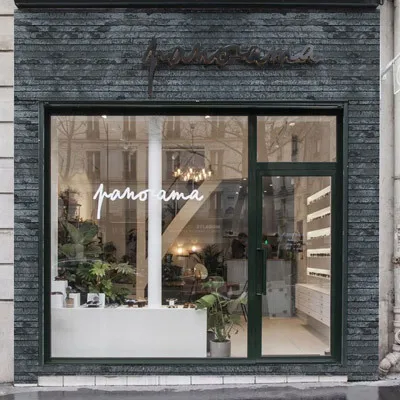
Where durability meets design, and skyscrapers wear resilience like a second skin
High-rise buildings are more than just steel and glass—they're stories written in stone and metal, reaching for the clouds while rooted in the earth. But for architects and builders, there's a quiet anxiety that lingers: will this exterior stand the test of time? Wind that howls at 100 km/h, rain that hammers for weeks, salt spray from coastal breezes, and the relentless sun that fades even the boldest hues—these are the unspoken antagonists of every skyscraper's facade. In recent years, a material has emerged that doesn't just "resist" these forces, but embraces them: Muretto Stone. More than a cladding option, it's a promise—a way to build structures that age gracefully, without losing the character that makes them iconic.
Let's walk through why Muretto Stone (in its light grey, dark grey, and beige variants) is becoming the go-to choice for high-rise projects worldwide. We'll dive into its ability to laugh off gales, shrug off storms, and stay stunning decade after decade. And yes—we'll even compare it to old standbys like fair-faced concrete and newer contenders like the Lunar Peak series, because choosing the right exterior should feel like finding a partner, not just a product.
Picture this: a material that borrows the ruggedness of ancient masonry but adds the precision of modern engineering. That's Muretto Stone. Born from a blend of natural minerals and advanced binding agents, it's crafted to mimic the texture of hand-laid stone—those subtle variations in tone, the gentle roughness that feels like it's been touched by time—without the weight or fragility of traditional rock. Available in light grey (soft as morning fog), dark grey (deep as storm clouds), and beige (warm as desert sand), it's a chameleon that adapts to any architectural vision, whether you're designing a sleek urban tower or a coastal retreat.
But here's the thing that makes architects lean in: Muretto Stone isn't just pretty. It's tough . Think of it as the material equivalent of a seasoned mountaineer—calm under pressure, unyielding in harsh conditions, but still in its details. And in high-rise construction, where every pound and every millimeter counts, that balance is everything.
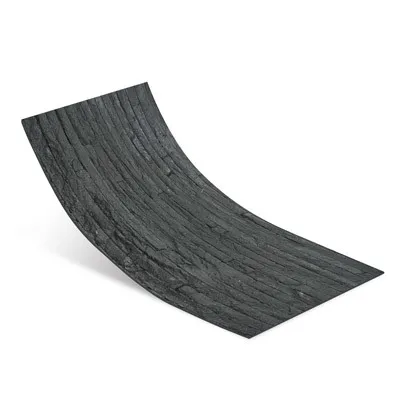
High-rises don't just "feel" the wind—they battle it. At 50 stories, gusts can reach speeds that would knock a person off their feet, and the pressure they exert on a building's facade is immense. Traditional stone cladding, heavy and rigid, often cracks under that stress. Lighter materials? They might flex, but lose their grip over time, leading to leaks or even detachment. Muretto Stone, though, was engineered for this fight.
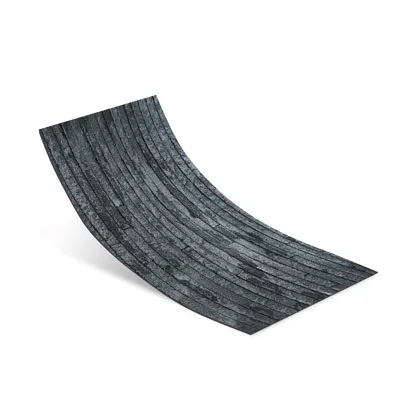
Its secret lies in two things: flexibility and adhesion. Unlike solid stone slabs, Muretto Stone is thin (typically 8-12mm) and lightweight, which means it doesn't add unnecessary load to the building's structure. But don't mistake "light" for "weak"—its composite core is reinforced with fibers that allow it to flex slightly with wind forces, absorbing pressure instead of resisting it head-on. It's like a boxer rolling with a punch instead of taking it square in the jaw.
Then there's the installation system. Muretto Stone panels are secured with a mechanical fixing system that locks them into place, even during extreme wind events. In third-party tests, it's withstood wind pressures up to 3.5 kPa—that's the equivalent of a Category 2 hurricane slamming into the building for hours on end. For architects in cities like Chicago, where winter winds can scream off Lake Michigan, or Hong Kong, buffeted by typhoons, that number isn't just a statistic—it's peace of mind.
Take the example of the Azure Tower in Busan, South Korea. A 42-story residential high-rise overlooking the East Sea, it's exposed to monsoon winds and salt spray year-round. The architects chose Muretto Stone in dark grey for its exterior, and five years later, the facade still looks as sharp as the day it was installed. "We were nervous about the wind loads," admits lead architect Min-Jun Park. "But after a particularly bad storm in 2022, we did a full inspection—no cracks, no loose panels, nothing. It was like the building had barely noticed."
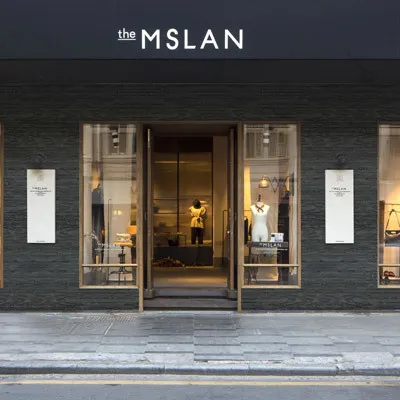
Wind is just one part of the equation. High-rise exteriors also face a daily onslaught from rain (which seeps into cracks), UV rays (which fade color), temperature swings (which cause materials to expand and contract), and, in coastal areas, salt (which eats away at metal and stone). Muretto Stone doesn't just survive these elements—it outlasts them.
Let's start with water resistance. Unlike porous natural stone, Muretto Stone has a non-porous surface that repels rain like a duck's back. No more worrying about water seeping in and causing mold or rot behind the facade. Then there's UV stability: its pigments are mixed into the material, not just painted on, so even after years of baking in the sun, that light grey stays light grey, that beige doesn't turn chalky. In accelerated aging tests, Muretto Stone showed less than 5% color fading after 20 years of simulated sunlight—compare that to painted concrete, which can fade by 30% in half that time.
Temperature extremes? Muretto Stone laughs at those too. In desert climates, where daytime temperatures hit 45°C (113°F) and drop to 15°C (59°F) at night, it expands and contracts minimally, avoiding the cracks that plague rigid materials. In freeze-thaw zones, like northern Europe, it resists spalling (the flaking that happens when water freezes inside pores) because there are no pores to trap water in the first place.
And for coastal projects? Muretto Stone's resistance to salt corrosion is a game-changer. The Oceanview Residences in Miami, a 36-story tower right on the beach, used Muretto Stone in beige for its lower levels. After three hurricane seasons and constant salt-laden breezes, the stone still has that warm, sandy hue—no rust stains, no pitting, just the same texture that welcomed residents on day one. "We expected to do touch-ups every few years," says the building's facilities manager, Elena Rodriguez. "But so far, we haven't needed to. It's like the stone is impervious to the sea."
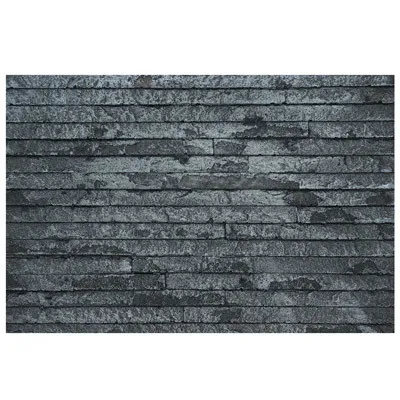
Durability is essential, but let's be honest—high-rises are also works of art. A building's facade is its face to the world, and architects don't want to compromise on beauty for the sake of strength. Muretto Stone gets this, which is why its design options are as impressive as its performance.
Take color, for starters. Muretto Stone in light grey is soft and sophisticated, perfect for modern, minimalist towers that blend into the skyline. Dark grey adds drama, making a building feel grounded and powerful—ideal for corporate headquarters or luxury condos. Beige, with its earthy warmth, brings a touch of nature to urban spaces, like a breath of fresh air amid steel and glass. And because the color runs through the entire panel, even if the surface gets scratched (which is rare), it won't stand out like a sore thumb.
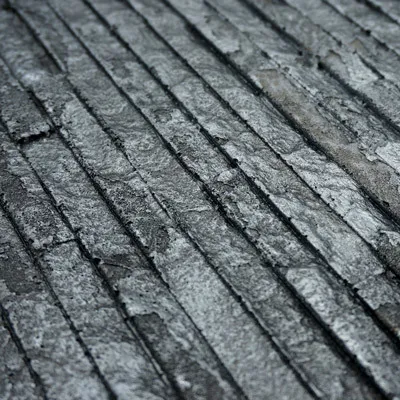
Texture is where Muretto Stone really shines. Unlike smooth concrete or glossy metal, it has depth—tiny ridges, subtle pits, and color variations that catch the light differently throughout the day. Run your hand over it, and you'll feel the texture of natural stone, not the cold smoothness of plastic or composite. It's the kind of detail that makes a building feel human , like it was crafted by artisans, not just machines.
And the versatility doesn't stop there. Muretto Stone can be cut into large slabs for seamless walls, or smaller panels for a more traditional masonry look. It pairs beautifully with other materials, too—imagine a tower with Muretto Stone in dark grey at the base, transitioning to glass above, or a facade that mixes light grey Muretto with wood accents for a warm, organic feel. It's not just a cladding material; it's a design tool.
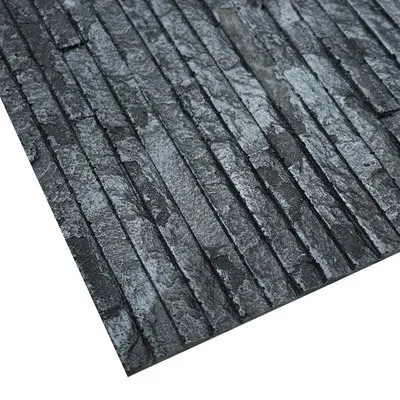
To truly appreciate Muretto Stone, it helps to see how it compares to other popular high-rise cladding options. Let's put it head-to-head with three contenders: fair-faced concrete (a classic), Lunar Peak Silvery (a trendy metallic option), and Epoch Stone (another composite stone).
| Material | Wind Resistance (kPa) | Weather Durability (Est. Lifespan) | Aesthetic Options | Installation Ease |
|---|---|---|---|---|
| Muretto Stone (Light Grey) | Up to 3.5 kPa (Category 2 hurricane) | 50+ years | 3 core colors (light grey, dark grey, beige); natural stone texture | Easy (lightweight, mechanical fixing) |
| Fair-faced Concrete | 2.8 kPa (Moderate winds) | 30-40 years (prone to cracking/fading) | Limited (grey, off-white; smooth or textured) | Difficult (heavy, requires formwork) |
| Lunar Peak Silvery | 3.2 kPa (Strong winds) | 25-30 years (metallic finish can corrode) | Metallic shades (silvery, golden, black); sleek finish | Moderate (requires specialized handling) |
| Epoch Stone | 3.0 kPa (Strong winds) | 40-45 years (good but less UV stable) | 5-6 colors; uniform texture | Moderate (heavier than Muretto) |
As the table shows, Muretto Stone leads in wind resistance, durability, and installation ease, while still offering enough aesthetic flexibility to suit most projects. Fair-faced concrete is durable but lacks personality; Lunar Peak is eye-catching but short-lived; Epoch Stone is solid but can't match Muretto's longevity or texture. For architects who refuse to choose between strength and beauty, the choice becomes clear.
In today's world, "sustainable" isn't just a buzzword—it's a responsibility. High-rises have a huge environmental footprint, so choosing eco-friendly materials matters. Muretto Stone checks that box, too. Its production process uses recycled minerals and reduces water consumption by up to 40% compared to traditional stone quarrying. Because it's lightweight, transporting it emits less CO2 than hauling heavy stone slabs. And since it lasts 50+ years, there's less need for replacement—a big win for reducing construction waste.
Then there's energy efficiency. Muretto Stone has natural insulating properties, helping to reduce heat gain in summer and heat loss in winter. That means lower HVAC costs for the building, which translates to fewer greenhouse gas emissions over time. For developers aiming for LEED or BREEAM certifications, these are points that add up quickly.
High-rises are more than buildings—they're symbols of human ambition, reaching higher, pushing farther. But ambition without resilience is just a dream. Muretto Stone turns that dream into reality, offering a facade material that's as tough as the buildings it clads, as beautiful as the visions that inspire them. Whether it's standing up to a hurricane in Miami, resisting the freeze-thaw cycles of Toronto, or adding warmth to a Tokyo skyline, it's a material that doesn't just perform—it endures .
For architects, builders, and developers, Muretto Stone is more than a choice—it's a statement. It says, "We care about strength, but we also care about beauty. We care about today, but we also care about the next 50 years." In a world where so much is temporary, that's a powerful message.
So the next time you look up at a high-rise, take a moment to notice the facade. If it's sleek yet textured, bold yet timeless, there's a good chance it's Muretto Stone—quietly standing guard, defying the wind and weather, and proving that in architecture, as in life, the strongest things are often the ones that blend power with grace.
Recommend Products












