
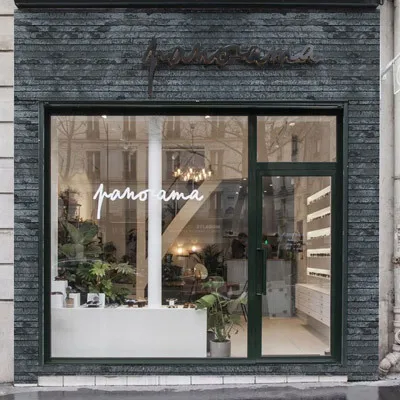
Renovating a space—whether it's a cozy home, a bustling café, or a sleek office—often feels like solving a puzzle. You want something that catches the eye, stands up to daily life, and doesn't fade into the background. We've all been there: scrolling through endless Pinterest boards, visiting showrooms, and still feeling stuck between "too generic" and "way too risky." What if there was a material that checked all the boxes—timeless texture, durable enough for busy spaces, and versatile enough to fit any style? Enter Muretto Stone. If you're tired of compromising on your renovation vision, this might just be the game-changer you've been looking for.
Let's start with the basics. Muretto Stone isn't your average wall cladding. It's part of MCM's lineup of flexible stone cladding panels—think of it as natural stone's smarter, more adaptable cousin. Traditional stone is heavy, tricky to install, and often limited in how you can use it. Muretto Stone, though? It's lightweight, flexible, and designed to make renovation feel less like a headache and more like a creative adventure.
At its core, Muretto Stone blends natural stone particles with a high-performance binder, resulting in a material that has the authentic look and texture of quarried stone but with the ease of handling you'd expect from modern building products. It's the kind of material that makes you do a double-take: "Is that real stone?" Spoiler: It looks and feels like it, but without the hassle of hauling around massive slabs or worrying about cracks from uneven walls.
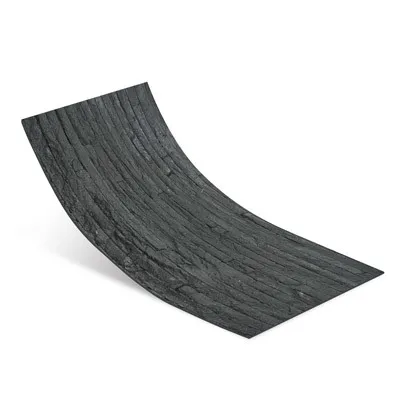
Renovation materials are a dime a dozen these days. You've got concrete, wood, metal, and even "faux stone" options that promise the world but fall flat on texture or durability. So what makes Muretto Stone different? Let's break it down.
One of the biggest headaches with traditional stone is its weight. Slate, marble, even travertine can weigh hundreds of pounds per panel, requiring reinforced walls and professional installers with heavy equipment. Muretto Stone, thanks to its innovative composition, is up to 70% lighter than natural stone. That means you can install it on drywall, plywood, or even existing tile without worrying about structural stress. And don't let the lightness fool you—this stuff is tough. It resists scratches from rambunctious kids or clumsy movers, holds up to moisture in bathrooms and kitchens, and won't fade under harsh sunlight. I've seen Muretto-clad walls in beach houses that still look brand-new after years of salt air—now that's durability.
Renovations are all about personality, right? You don't want your space to look like every other home on the block. Muretto Stone gets that. Its flexible nature means it can conform to curves, wrap around columns, or even be cut into custom shapes—something rigid natural stone struggles with. Whether you're dreaming of a sleek accent wall in the living room, a textured backsplash in the kitchen, or a statement exterior for your home's facade, Muretto Stone plays along. It's not just a material; it's a blank canvas.
Let's be real: No one wants to spend weekends scrubbing grout or sealing stone. Muretto Stone takes the hassle out of upkeep. Unlike porous materials like limestone (beige) or travertine (starry blue), it's resistant to stains and doesn't require regular sealing. A quick wipe with a damp cloth is usually all it takes to keep it looking fresh. For busy families or anyone who'd rather spend time enjoying their space than maintaining it, that's a huge win.

Muretto Stone isn't a one-size-fits-all material. It comes in three distinct shades—light grey, dark grey, and beige—each with its own personality and perfect use case. Let's dive into what makes each one special, so you can pick the shade that speaks to your renovation goals.
Light grey Muretto Stone is the chameleon of the bunch. It's soft, understated, and somehow manages to feel both modern and cozy. Picture a pale, misty grey with subtle hints of taupe and a matte, slightly textured surface that catches the light without being shiny. It's the kind of color that makes a room feel spacious and airy, but not cold—thanks to the natural stone (particles) that add depth.
Best for: Contemporary homes, minimalist offices, or spaces where you want the architecture to shine. It pairs beautifully with white walls, black metal accents, or warm wood tones (think oak or walnut). I recently saw it used in a home renovation where the homeowners wrapped their fireplace in light grey Muretto Stone, and it turned a plain brick hearth into a focal point that felt both elevated and approachable.
Pro tip: Use it as a full wall cladding in a bedroom for a calm, spa-like vibe, or as a backsplash in a white kitchen to add texture without overwhelming the space.
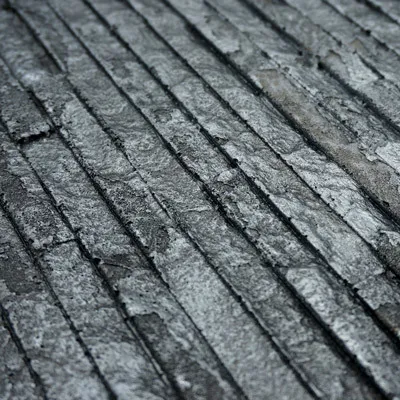
Dark grey Muretto Stone is for the bold at heart. It's deeper, richer, and carries a hint of industrial cool—think storm clouds or wet slate, with a slightly rougher texture that adds drama. Unlike flat, uniform dark paints, this stone has variation: flecks of lighter grey and even subtle hints of blue that make it feel alive. It's not "black" dark; it's a charcoal grey that feels grounded and intentional.
Best for: Lofts, home bars, or spaces going for an urban, industrial-chic look. It pairs stunningly with brass fixtures, reclaimed wood, or fair-faced concrete floors. One café renovation I came across used dark grey Muretto Stone on the front counter, and it instantly elevated the space from "basic coffee shop" to "destination spot"—especially when lit with warm pendant lights that highlighted its texture.
Pro tip: Use it sparingly as an accent (like a bathroom feature wall) if you're worried about making a room feel small, or go all-in on an exterior wall to make your home stand out on the street.
Beige Muretto Stone is the warm hug of the collection. It's a soft, earthy tone—think sand dunes at sunrise or warm terracotta without the orange—with a smooth, almost velvety texture that feels inviting to the touch. Unlike some beiges that can read as flat or yellow, this one has depth, with tiny flecks of cream and light brown that mimic the look of natural limestone (beige) but with more consistency.
Best for: Farmhouse-style homes, coastal cottages, or anyone who wants to bring a touch of nature indoors. It plays well with soft whites, sage greens, and natural fibers like jute or linen. I visited a bed-and-breakfast that used beige Muretto Stone in their dining room, paired with wooden beams and woven (beige) curtains, and it felt like stepping into a Tuscan villa—cozy, timeless, and full of character.
Pro tip: Use it in entryways to set a welcoming tone, or on a kitchen island to add warmth to a space that's often dominated by stainless steel and cold countertops.
| Variant | Color Profile | Texture | Ideal Space | Complementary Styles |
|---|---|---|---|---|
| Muretto Stone (Light Grey) | Pale grey with taupe undertones | Matte, subtly textured | Modern living rooms, minimalist offices | White walls, black metal, oak wood |
| Muretto Stone (Dark Grey) | Charcoal grey with blue/grey flecks | Rougher, industrial-inspired | Lofts, home bars, exteriors | Brass fixtures, reclaimed wood, concrete |
| Muretto Stone (Beige) | Warm sand with cream/brown flecks | Smooth, velvety | Farmhouses, coastal homes, dining rooms | Sage green, linen, natural jute |
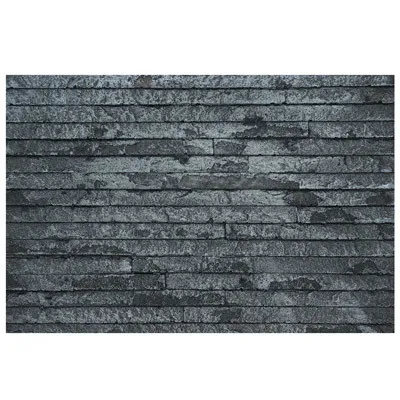
One of the biggest perks of Muretto Stone is how user-friendly it is to install—especially compared to traditional stone. You don't need a team of professional stonemasons or heavy machinery. Here's a quick overview of what to expect, whether you're hiring a pro or tackling a DIY project.
Muretto Stone adheres best to clean, flat surfaces. Before installation, make sure your wall or substrate is free of dust, grease, or loose paint. If you're working with drywall, a quick sanding and wipe-down with a damp cloth should do the trick. For uneven surfaces, you might need to apply a leveling compound first—this ensures the stone panels lay flat and stick properly.
Forget about jackhammers or tile cutters. Installing Muretto Stone requires basic tools: a utility knife (to trim panels to size), a notched trowel (for applying adhesive), a level (to keep things straight), and a rubber mallet (to gently press panels into place). Most homeowners already have these tools, or they're easy to rent from a hardware store.
Muretto Stone panels come in large, flexible sheets (usually 2x4 feet), which means fewer seams and faster installation. Here's the step-by-step:
Pro installers can usually cover a 10x10 foot wall in a day, and DIYers might take a weekend—but either way, it's far quicker than laying traditional stone.
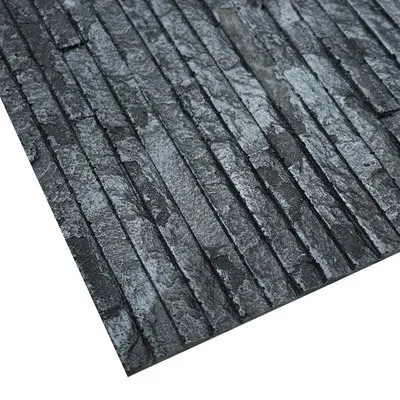
Still on the fence? Let's look at how three different homeowners used Muretto Stone to transform their spaces. These aren't just "before and after" photos—they're stories about how a simple material choice made a big impact on daily life.
Mark and Lena, a couple in Chicago, bought a 1920s loft with high ceilings and exposed brick—but the living room felt cold and unfinished. "We wanted something that would add texture without clashing with the brick," Lena says. They chose dark grey Muretto Stone for the main wall behind their sofa.
"It was the perfect contrast," Mark adds. "The dark grey plays off the red brick, and the texture makes the room feel cozy, even with the high ceilings. We were worried it might make the space feel small, but the way the light hits the stone—with those little flecks of blue—it actually opens things up." Now, their living room is their favorite spot: "We host friends there all the time, and everyone comments on the wall. It's become the heart of the house."
When Sarah and Tom renovated their 1990s kitchen, they wanted to move away from the all-white, glossy cabinets and granite countertops that felt "too corporate." "We wanted warmth, but we didn't want to go full farmhouse," Sarah explains. They replaced their old backsplash with beige Muretto Stone, and the difference was instant.
"The beige stone softens the whole room," Tom says. "Our cabinets are a light wood, and the stone ties everything together—it feels like a kitchen you want to cook in, not just look at." Plus, the durability has been a lifesaver with two kids. "We've had spaghetti sauce splatters, oil spills—everything wipes right off. No more scrubbing grout for hours. It's been a game-changer."
With remote work here to stay, Mike, a software developer, needed a home office that felt professional but not stressful. His spare bedroom was small and had plain white walls that felt "like a hospital room." He chose light grey Muretto Stone for one wall, paired with a wooden desk and black leather chair.
"The stone wall is my 'productivity anchor,'" Mike laughs. "It's not distracting, but it's not boring either. The texture gives my eyes something to rest on during long coding sessions, and the light grey keeps the room feeling calm. I even get compliments on Zoom calls—people ask if I'm in a fancy co-working space!" Best of all, installing it himself took just a weekend: "I'm not handy, but the panels were so easy to cut and stick. If I can do it, anyone can."
Renovating is about more than picking paint colors or new fixtures. It's about creating a space that feels like yours —one that works with your lifestyle, reflects your taste, and stands the test of time. Muretto Stone gets that. It's not just a "surface"; it's a tool to turn your vision into reality.
Whether you opt for light grey's modern warmth, dark grey's industrial edge, or beige's rustic charm, you're choosing a material that's durable enough for daily life, flexible enough for creative designs, and easy enough to install without a headache. It's the practical upgrade that doesn't skimp on style.
So, if you're ready to stop compromising and start creating a space that wows—without the stress—give Muretto Stone a closer look. Your renovation (and future self) will thank you.
Recommend Products












