
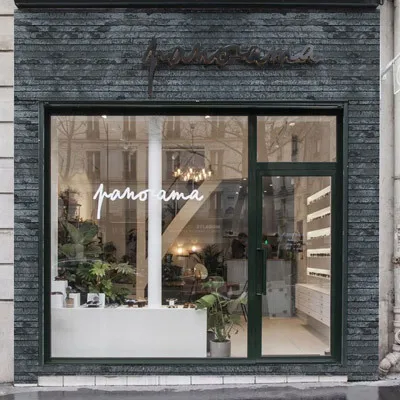
Step into any successful retail space today, and you'll quickly realize it's more than just a place to buy things. It's an experience—one carefully crafted to tell a brand's story, evoke emotions, and keep customers coming back. From lighting to layout, every design choice plays a role in shaping how shoppers feel, how long they stay, and whether they'll recommend the space to others. Among these choices, the materials used to build and decorate the space hold immense power. They set the tone, convey quality, and even influence perceptions of value. In recent years, one material has been quietly stealing the spotlight in retail design circles: Muretto Stone. Blending the best of natural beauty and modern functionality, Muretto Stone isn't just a trend—it's a game-changer for retailers looking to make a lasting impression.
In this article, we'll dive deep into what makes Muretto Stone stand out, exploring its aesthetic versatility, practical advantages, and why it's becoming the go-to choice for designers and brand owners alike. Whether you're planning a boutique clothing store, a cozy café, or a sleek tech showroom, understanding Muretto Stone could be the key to creating a space that not only looks stunning but works hard for your business, too.
First things first: let's demystify Muretto Stone. Unlike traditional natural stones quarried from the earth, Muretto Stone is part of a newer generation of modified composite materials (MCM) designed to mimic the look and feel of natural stone while addressing its biggest drawbacks—weight, cost, and maintenance. Think of it as nature's beauty, reimagined for the demands of modern retail.
At its core, Muretto Stone is a blend of natural mineral aggregates, high-performance polymers, and reinforcing fibers. This unique composition gives it a texture that's remarkably close to quarried stone—rough enough to feel organic, yet refined enough to avoid looking unpolished. What truly sets it apart, though, is its versatility. Available in three distinct colorways— muretto stone (light grey) , muretto stone (dark grey) , and muretto stone (beige) —it adapts to almost any design vision, from soft and inviting to bold and industrial.
But Muretto Stone isn't just about looks. Its composite makeup makes it lightweight (a fraction of the weight of natural stone like travertine or granite), which simplifies installation and reduces structural load on buildings. This alone makes it a favorite among contractors and architects, who often struggle with the logistical headaches of heavy materials. And unlike some synthetic alternatives, it doesn't compromise on durability—resistant to scratches, stains, and even moisture, it's built to handle the chaos of busy retail floors, where shopping carts, strollers, and high heels are constant companions.
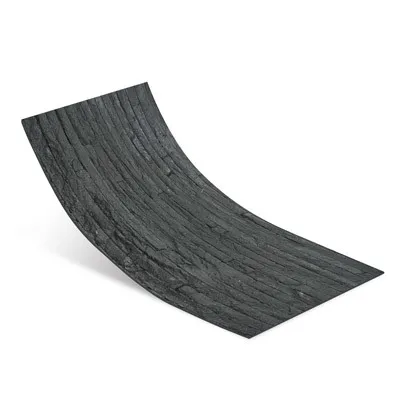
In retail, first impressions matter. Within seconds of walking through the door, a customer forms an opinion about your brand based on what they see—and Muretto Stone is a master at making those first impressions count. Let's break down its aesthetic appeal:
One of Muretto Stone's greatest strengths is its color versatility. Let's start with muretto stone (light grey) : soft, neutral, and endlessly adaptable, it's a favorite for minimalist and Scandinavian-inspired spaces. Imagine a high-end skincare boutique with light grey Muretto walls, paired with warm wood shelves and soft, diffused lighting—the result is calm, sophisticated, and effortlessly luxurious. It lets the products take center stage without overwhelming the senses.
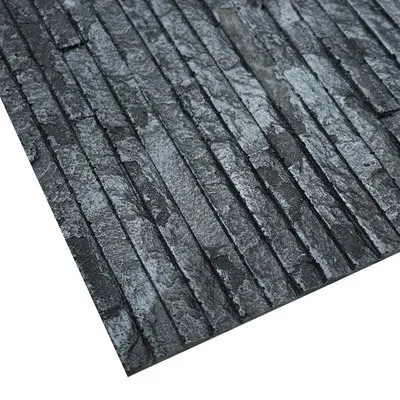
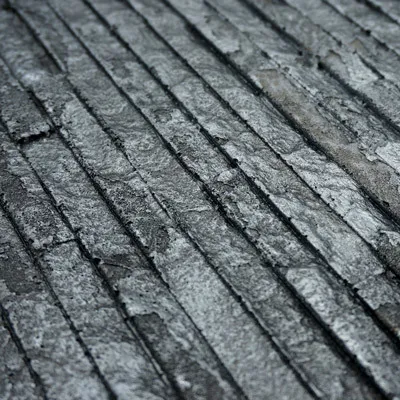
On the flip side, muretto stone (dark grey) brings drama and edge. Perfect for brands aiming for a modern, industrial, or even moody vibe, dark grey Muretto adds depth and contrast. Picture a streetwear store with exposed ceiling beams, black metal fixtures, and dark grey Muretto accent walls—it's bold, confident, and instantly memorable. It pairs especially well with pops of color, like neon signs or vibrant merchandise, making those elements pop even more.
Then there's muretto stone (beige) : the warm, inviting option. Beige Muretto has a subtle earthiness that feels cozy and approachable, making it ideal for cafes, bookstores, or home decor shops. Think of a neighborhood café with beige Muretto walls, mismatched wooden tables, and potted plants—the space feels like a second home, encouraging customers to linger over lattes and chat with friends. It's versatile enough to work with both rustic and contemporary styles, adding a touch of warmth without feeling dated.
Beyond color, Muretto Stone's texture is where it truly shines. Unlike smooth, uniform materials like fair-faced concrete (which can feel cold and sterile), Muretto has a tactile, organic quality. Its surface mimics the natural variations of quarried stone—tiny pits, subtle ridges, and a matte finish that catches light in interesting ways. This texture adds depth to a space, making it feel layered and lived-in rather than flat or artificial.
For example, in a vintage clothing store, beige Muretto walls with their natural texture complement the racks of retro dresses and faded denim, creating a cohesive "lived-in luxury" vibe. In a modern art gallery within a retail space, light grey Muretto serves as the perfect backdrop for bold paintings, its texture adding subtle interest without competing with the art. Even in a sleek tech store, dark grey Muretto's rough-hewn surface balances the smoothness of glass displays and metal gadgets, creating a harmonious contrast that feels both industrial and refined.
Muretto Stone is a chameleon. It can play a supporting role, blending seamlessly with other materials, or take center stage as a statement piece. Pair it with wood accents for warmth, metal fixtures for edge, or glass for modernity—the possibilities are endless. Unlike some specialty materials (we're looking at you, foamed aluminium alloy board ), which can feel too "manufactured," Muretto has a naturalness that makes it easy to integrate into any design scheme. It doesn't scream for attention; instead, it elevates the elements around it.
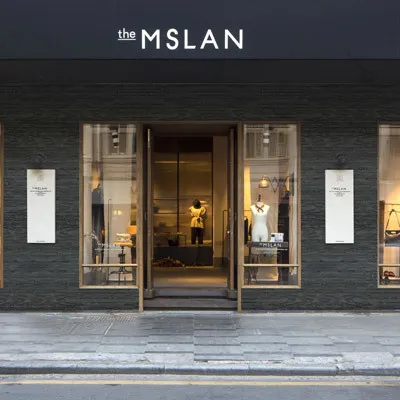
While Muretto Stone's good looks might catch your eye, its practical advantages are what will win over your budget and your peace of mind. Let's face it: retail spaces take a beating. High foot traffic, spills, scratches, and the occasional rogue shopping cart mean durability isn't just a nice-to-have—it's a must. Muretto Stone delivers on this front, and then some.
Retail spaces are busy places, and the materials used need to keep up. Muretto Stone's composite construction makes it incredibly durable. Unlike natural travertine, which is porous and prone to staining, or wood, which can warp or rot, Muretto resists scratches, dents, and moisture. It can handle the daily grind of shoppers brushing against walls, kids leaning against displays, and the occasional coffee spill without showing signs of wear. This durability means fewer repairs, less downtime, and a space that looks fresh for years—not just months.
Anyone who's ever worked on a construction or renovation project knows that weight matters. Heavy materials like natural stone require reinforced structures, specialized labor, and longer installation times—all of which add up to higher costs. Muretto Stone, being a composite material, is significantly lighter than its natural counterparts. This makes it easier and faster to install, reducing labor costs and minimizing disruption to your business (critical if you're renovating an existing store). It also opens up design possibilities in older buildings or spaces with weight restrictions, where traditional stone might not be feasible.
Retailers have enough to worry about—managing inventory, training staff, keeping up with trends. The last thing you need is a high-maintenance wall material. Muretto Stone is a low-effort dream: a quick wipe with a damp cloth is usually all it takes to clean off dust or spills. Unlike natural stone, which often requires sealing to prevent staining, Muretto's non-porous surface resists liquids and grime, so you won't be stuck with expensive sealing treatments or harsh cleaning chemicals. This low maintenance not only saves time and money but also ensures your space always looks its best, even during the busiest shopping seasons.
Today's consumers care about sustainability, and brands are taking notice. Muretto Stone scores points here, too. As a composite material, it uses fewer natural resources than quarried stone, and its lightweight nature reduces transportation emissions during delivery. Many manufacturers also prioritize eco-friendly production processes, using recycled materials in the mix. For brands looking to align with green values, Muretto Stone offers a way to create a beautiful space without compromising on sustainability.
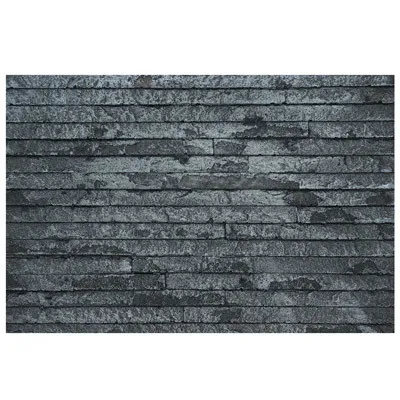
To truly appreciate Muretto Stone, it helps to see how it compares to other popular materials in retail design. Let's put it head-to-head with a few common options:
| Material | Aesthetic Appeal | Durability | Maintenance | Installation Ease | Cost (Relative) |
|---|---|---|---|---|---|
| Muretto Stone (Light/Dark Grey, Beige) | High: Warm, textured, versatile color options | High: Resists scratches, moisture, and wear | Low: Wipe clean; no sealing needed | High: Lightweight, fast installation | Moderate: More affordable than natural stone; slightly higher than concrete |
| Fair-Faced Concrete | Medium: Industrial, sleek, but can feel cold | High: Durable, but prone to staining | Medium: Requires sealing; stains can be hard to remove | Low: Heavy, requires specialized labor | Low: Inexpensive material, but high installation costs |
| Travertine (Beige) | High: Natural, elegant, but limited color range | Medium: Porous; prone to scratches and staining | High: Regular sealing and professional cleaning needed | Low: Heavy, fragile during installation | High: Expensive material and installation |
| Flexible Stone Cladding Panels | Medium: Thin, uniform; less texture than Muretto | Medium: Durable but less impact-resistant | Low: Easy to clean, but edges can chip | High: Lightweight, but limited design flexibility | Moderate: Similar to Muretto, but less versatile |
As the table shows, Muretto Stone strikes a rare balance: it offers the aesthetic appeal of natural stone, the durability of concrete, and the ease of installation of modern composites—all at a moderate cost. It's not the cheapest option, but its long-term savings (in maintenance and durability) and ability to enhance customer experience make it a smart investment.
Still not convinced? Let's look at a few real-world examples of Muretto Stone transforming retail spaces:
A high-end women's clothing brand in downtown Chicago wanted a space that felt luxurious but not intimidating. Their designer chose muretto stone (light grey) for the main walls, pairing it with white oak flooring and soft, warm lighting. The light grey Muretto's subtle texture added depth without competing with the clothing, while its neutral tone made the store's bold, colorful garments stand out. Customers reported feeling "calm and inspired" in the space, and sales increased by 15% in the first three months after the renovation—attributed in part to longer average (dwell time).
A regional café chain wanted to expand its brand into urban areas, but needed a design that felt cozy and consistent across locations. They opted for muretto stone (beige) for their accent walls, (paired with) reclaimed wood tables and vintage-inspired light fixtures. The beige Muretto added warmth to the space, making even small city locations feel spacious and inviting. Franchise owners noted that the material was easy to clean (critical for food service) and held up well to daily wear and tear from busy morning rushes. Within a year, customer satisfaction scores for "atmosphere" rose by 22%.
A leading electronics brand wanted a showroom that felt cutting-edge but approachable. Their design team selected muretto stone (dark grey) for the back walls, using it to frame sleek glass display cases and interactive screens. The dark grey Muretto added an industrial edge that complemented the brand's modern aesthetic, while its texture balanced the space's otherwise smooth, high-tech surfaces. Shoppers commented that the showroom felt "premium but not cold," and the brand saw a 30% increase in demo requests compared to their previous, all-white space.
In the world of retail design, materials are more than just building blocks—they're storytellers. They communicate who you are as a brand, how much you value your customers, and what kind of experience you're offering. Muretto Stone excels at this storytelling, blending aesthetic versatility with practical functionality in a way few materials can match.
Whether you choose light grey for calm sophistication, dark grey for bold modernity, or beige for cozy warmth, Muretto Stone adapts to your brand's unique personality. It's durable enough to handle the chaos of daily retail life, easy to maintain, and gentle on your budget in the long run. And perhaps most importantly, it creates spaces that feel authentic—spaces where customers don't just shop, but connect.
So, if you're ready to take your retail space from "nice" to "unforgettable," consider Muretto Stone. It's not just a material—it's an investment in your brand's future, one that will pay off in happier customers, stronger loyalty, and a space that stands the test of time.
Recommend Products












