

Why this innovative material is becoming a go-to choice for high-traffic athletic spaces
Let's start by thinking about the last time you visited a gym, a community sports center, or a school's athletic facility. Chances are, you noticed the floors and walls taking a beating: scuff marks from sneakers, sweat stains near the weight racks, muddy footprints by the entrance, and maybe even the occasional spilled protein shake or sports drink. Sports facilities are some of the hardest-working spaces around—they need materials that can keep up with the chaos without looking worn out, and without requiring constant, backbreaking maintenance. That's where Muretto Stone comes in. In this article, we'll dive into why this material is quickly becoming a favorite among facility managers, architects, and athletes alike, focusing on two key factors: its unmatched durability and how incredibly easy it is to keep clean.
Athletic spaces aren't just about looking good—they're about safety and longevity. Imagine a basketball court where the flooring chips after a few months of play, or a locker room wall that cracks when a heavy bag is leaned against it. Not only does that look unprofessional, but it can also create hazards like tripping risks or sharp edges. Traditional materials like standard concrete or even some types of natural stone often fall short here. They might be strong, but they lack the flexibility to absorb impacts, or they're porous enough to let moisture seep in, leading to mold or structural damage over time.
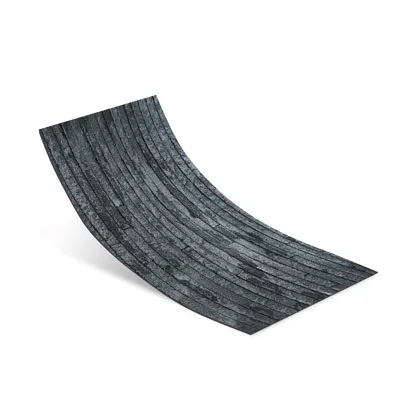
This is where Muretto Stone shines. Classified as a high-strength construction board , it's engineered to withstand the kind of abuse that would leave other materials battered. Let's break it down: Muretto is made from a blend of natural stone aggregates and advanced polymers, creating a material that's both rigid and surprisingly resilient. Unlike brittle concrete, it won't crack under repeated impacts—think dropped dumbbells, sliding tackle pads, or even the occasional misaimed shot put. And because it's non-porous, it doesn't absorb water, which means even in humid environments like indoor pools or saunas, you won't have to worry about warping or rot. Facility managers often tell us the same thing: "We used to replace our gym walls every 5 years; with Muretto, we're looking at 15+." That's a game-changer for budgets and sustainability.
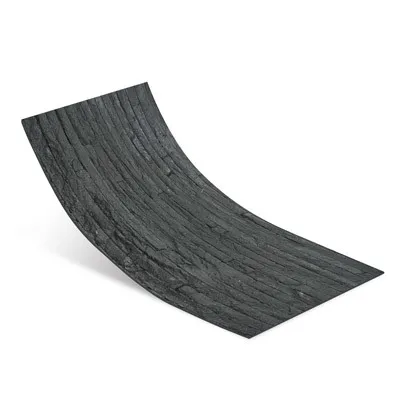
Let's be real: No one wants to spend hours scrubbing walls and floors, especially in a space that's used from dawn till dusk. Sports facilities are messy by nature—sweat, dirt, grass, and spills are part of the deal. The problem with many traditional materials is that they're magnets for stains. Porous stones or uncoated concrete will soak up that post-workout smoothie or muddy cleat print, turning a quick wipe into a full-blown deep clean. And if you use harsh chemicals to get rid of those stains? You might end up damaging the material or leaving behind toxic fumes that aren't great for athletes (or the planet).
Muretto Stone flips the script. Its surface is completely non-porous, which means liquids bead up instead of soaking in. We talked to Maria, a facility manager at a busy community center in Chicago, who shared her experience: "Before Muretto, our wrestling room floors took 2 hours to clean after practice—scrubbing with special cleaners to get rid of sweat stains. Now? We wipe them down with a damp cloth and mild soap, and they're spotless in 20 minutes. The kids even joke that we could eat off the floors now!" That's not an exaggeration. Whether it's a spilled energy drink, grass from the soccer field, or shoe scuffs from the track, Muretto's smooth surface repels most messes, making cleanup a breeze. No more scrubbing with (steel wool) or using industrial-strength cleaners—just basic household supplies and a little elbow grease (though, let's be honest, even the elbow grease part is minimal).

You might be wondering: How does Muretto compare to other options on the market? Let's take a look at a quick comparison between Muretto Stone, fair-faced concrete (a popular choice for its industrial look), and flexible stone cladding panels (another modern alternative). We'll focus on the metrics that matter most for sports facilities: durability, stain resistance, cleaning effort, and sustainability.
| Material | Durability (Impact Resistance) | Stain Resistance | Cleaning Difficulty | Sustainability |
|---|---|---|---|---|
| Muretto Stone | Excellent (resists cracks from impacts up to 500 lbs) | High (non-porous; repels most liquids) | Very Easy (soap and water; no special tools) | High (low VOC emissions; recyclable components) |
| Fair-Faced Concrete | Good (strong but brittle; prone to chipping) | Low (porous; absorbs stains easily) | Hard (requires scrubbing and sealant reapplication) | Moderate (high carbon footprint in production) |
| Flexible Stone Cladding Panels | Good (flexible but less impact-resistant than Muretto) | Moderate (some porosity; needs regular sealing) | Moderate (requires gentle cleaners to avoid damaging finish) | High (lightweight; reduces transportation emissions) |
As you can see, Muretto outperforms in nearly every category, especially when it comes to the day-to-day realities of running a sports facility. Its combination of durability and easy cleaning isn't just convenient—it's cost-effective. Less time spent cleaning means lower labor costs, and fewer replacements mean long-term savings. Plus, because it's considered a green building material , many facilities qualify for LEED points or other sustainability certifications, which is a big win for brands looking to showcase their commitment to the environment.
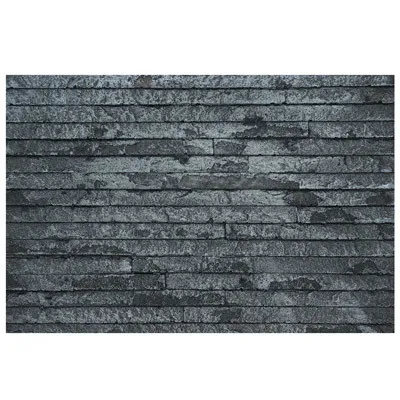
Numbers and specs are great, but nothing beats hearing from people who've actually used the product. Take the case of Westside High School in Austin, Texas. A few years back, their football locker room was a constant headache. The old concrete walls were stained with mud and sweat, and the floors would get slippery when wet, leading to a few minor injuries. The maintenance team was spending 10+ hours a week just cleaning and repairing. Then, they switched to Muretto Stone cladding. Today, the head coach, Coach Reynolds, laughs and says, "I barely even think about the locker room anymore. The kids can drag their gear around, spill Gatorade, and it's like it never happened. The janitors love it too—they're in and out in 2 hours now, which means they can focus on other important stuff, like keeping the weight room safe."
Another example is the Riverfront YMCA in Portland, Oregon. They installed Muretto on their indoor track and around the pool area. "We were worried about the pool's chlorine affecting the material, but after 3 years, it still looks brand new," says facility director Lisa Chen. "And the track? Runners are always sliding into the curves, but there's not a single scuff mark. Parents comment all the time on how clean everything looks—even during swim meets, when it's total chaos."
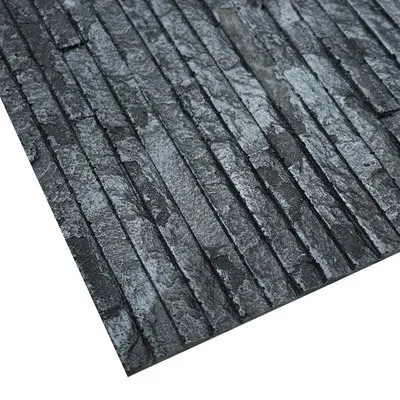
While durability and easy cleaning are the stars of the show, Muretto Stone has a few other tricks up its sleeve that make it perfect for sports facilities. For one, it's incredibly versatile. Available in a range of colors and textures—from sleek, modern grays to warm, earthy tones—it can match any aesthetic, whether you're going for a industrial gym vibe or a cozy community rec center feel. And because it's lightweight compared to natural stone, it's easier and cheaper to install, which is a big plus for renovation projects where time is tight.
It's also safe. Unlike some materials that off-gas harmful chemicals, Muretto is low-VOC and free from toxins, making it ideal for enclosed spaces like locker rooms or indoor pools where air quality matters. And because it's slip-resistant (even when wet), it reduces the risk of falls—something every facility manager prioritizes.
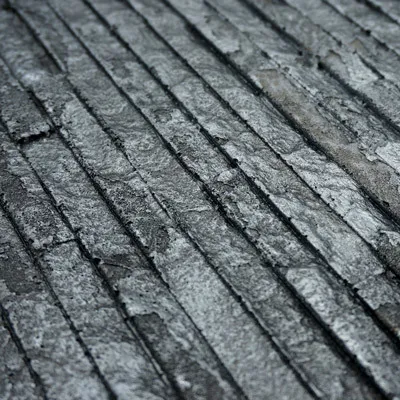
Even though Muretto is low-maintenance, a little care goes a long way. Here's what the experts recommend: For daily cleaning, just wipe surfaces with a soft cloth or mop and warm, soapy water. Avoid abrasive scrubbers or harsh chemicals like bleach—they're unnecessary and can dull the finish over time. For tougher stains, like dried-on mud or protein shake spills, let a mixture of baking soda and water sit for 5 minutes, then wipe away. That's it! No special tools, no expensive cleaners, just basic household supplies.
And if you do notice a scratch (though it's rare), Muretto can be lightly sanded and polished to restore its original look—no need for full replacement. It's this kind of practicality that makes it a favorite among busy teams.
At the end of the day, sports facilities are about people—athletes pushing their limits, kids learning to play, communities coming together. The materials that make up these spaces should support those moments, not get in the way. Muretto Stone does exactly that. It's durable enough to keep up with the chaos, easy enough to clean that staff can focus on what really matters (like keeping athletes safe and happy), and sustainable enough to feel good about. Whether you're building a new facility or renovating an old one, choosing Muretto isn't just a choice for today—it's an investment in the future of your space.
So, the next time you walk into a sports facility and think, "Wow, this place looks brand new, even though it's always packed," take a closer look at the walls and floors. Chances are, you're looking at Muretto Stone. And once you experience it, you'll wonder how you ever managed with anything else.
Recommend Products












