
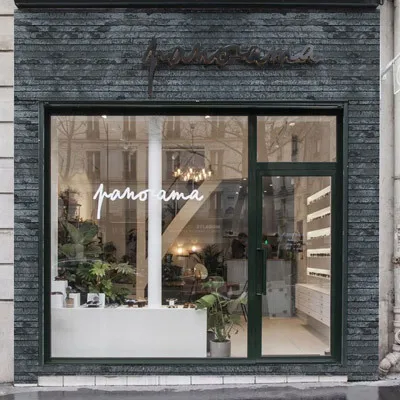
In the world of hospitality design, every detail tells a story. From the moment a guest steps through the door of a boutique hotel, a cozy bed-and-breakfast, or a high-end restaurant, the materials surrounding them begin to whisper—of comfort, of elegance, of thoughtfulness. It's a silent dialogue that shapes first impressions and lingers in memories long after check-out. Yet, for all its focus on beauty, hospitality design is also a balancing act: the materials chosen must withstand the chaos of daily life—spilled coffee in lobbies, scuff marks from rolling suitcases, the relentless foot traffic of travelers from around the globe. This is where Muretto Stone emerges not just as a material, but as a partner in crafting spaces that feel both indulgent and intentionally lived-in.
Hospitality spaces are more than just buildings; they are stages for human connection. A hotel lobby isn't merely a waiting area—it's where a weary traveler first exhales, where a couple celebrates an anniversary, where a business professional preps for a big meeting. The materials here set the mood: too cold, and the space feels sterile; too delicate, and it risks feeling precious, as if guests must tiptoe rather than relax. Designers often speak of the "soul" of a space, and that soul is woven from the textures underfoot, the colors on the walls, and the way light plays off surfaces.
Consider the last time you walked into a memorable hotel. Chances are, what stuck with you wasn't just the decor—it was how the space felt . Maybe it was the warmth of natural stone under your palms as you leaned against a reception desk, or the subtle grain of a wall panel that made the room feel grounded, not generic. These are the details that turn a "nice" stay into an "unforgettable" one. And in that equation, durability isn't an afterthought; it's the foundation that allows beauty to endure. A stunning marble wall might take your breath away on day one, but after a year of scratches and stains, it becomes a reminder of neglect. Muretto Stone, with its dual identity as both a visual statement and a workhorse material, bridges this gap.
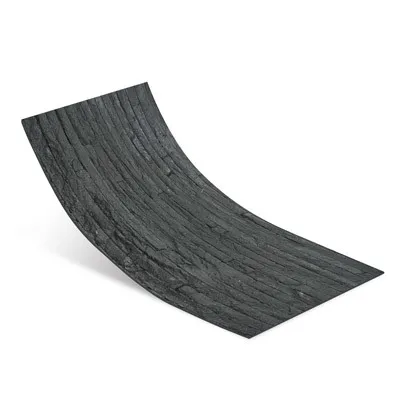
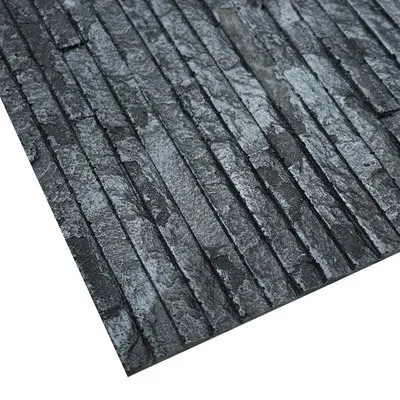
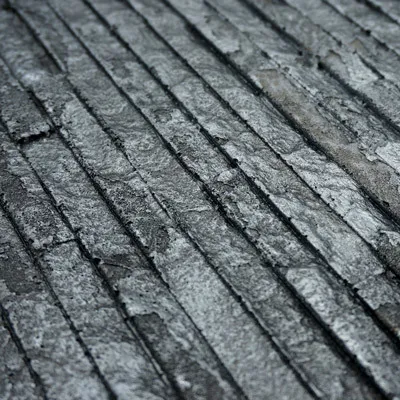
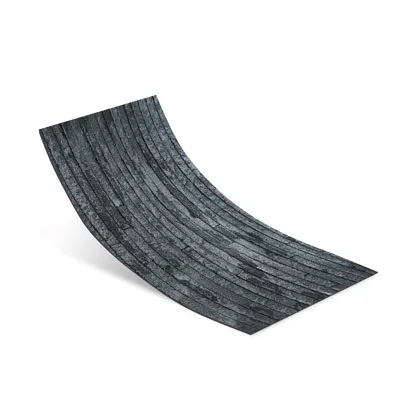
Muretto Stone isn't a single entity—it's a family, with three distinct personalities: light grey, dark grey, and beige. Each variant carries the same core DNA—crafted for resilience, designed for depth—but each brings its own mood to a space. Let's start with the basics: what is Muretto Stone? Born from a blend of natural aggregates and advanced binding technologies, it's a material that marries the organic beauty of traditional stone with the practicality of modern engineering. Unlike raw natural stone, which can be porous and high-maintenance, Muretto Stone is engineered to resist moisture, stains, and impact—qualities that make it a workhorse in high-traffic hospitality settings. But what truly sets it apart is its texture: a subtle, weathered finish that feels as if it has been shaped by time, not just machinery. Run your hand over it, and you'll feel the faint ridges and valleys, a tactile reminder of nature's unpredictability, even in a controlled material.
"Materials should tell a story," says Elena Rossi, a Milan-based hospitality designer with over 15 years of experience. "When I choose Muretto Stone for a project, I'm not just picking a color or a texture—I'm inviting guests to connect with something that feels authentic. Its finish has this quiet confidence, like it's been there before and will be there long after. In hospitality, that sense of permanence is reassuring. It says, 'We've thought about your comfort, today and tomorrow.'"
To understand Muretto Stone's versatility, let's meet its three variants. Each has a role to play, depending on the story a space wants to tell:
| Muretto Stone Variant | Color Palette | Texture Profile | Ideal Spaces | Design Vibe |
|---|---|---|---|---|
| Light Grey | Soft, silvery-grey with subtle white veining | Smooth yet textured, with a matte finish that diffuses light | Lobbies, spa interiors, coastal-themed resorts | Airy, serene, modern-minimalist |
| Dark Grey | Deep charcoal with hints of slate and graphite | More pronounced texture, with visible aggregate particles | Restaurant bars, boutique hotel hallways, industrial-chic spaces | Dramatic, sophisticated, grounded |
| Beige | Warm, earthy beige with undertones of sand and taupe | Soft, almost powdery texture that feels warm to the touch | Breakfast nooks, wellness centers, outdoor patios | Inviting, cozy, timeless |
Take Muretto Stone Light Grey, for example. Its pale hue and diffused veining make it a favorite for spaces that aim to feel open and calm—think a beachfront hotel lobby where sunlight floods through floor-to-ceiling windows. Pair it with white linens and natural wood accents, and it becomes a backdrop that lets the ocean views take center stage, without competing for attention. Dark Grey, on the other hand, is a mood-setter. Imagine a speakeasy-style restaurant, where the walls are clad in Muretto Dark Grey, lit by warm pendant lights that cast shadows across its textured surface. It feels intimate, a little mysterious, like a well-kept secret. And Beige? It's the ultimate chameleon. In a mountain lodge, it blends with timber beams and fur throws to evoke rustic charm; in a modern café, paired with fixtures and potted greenery, it feels fresh and approachable.
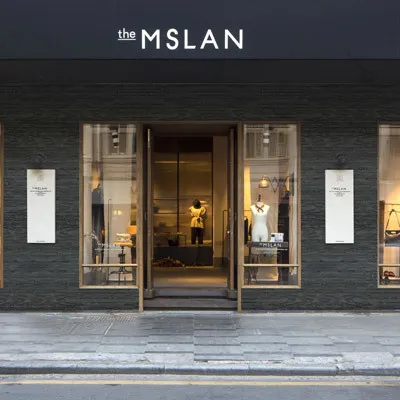
Let's talk about the "boring" stuff—the reasons hospitality managers and owners love Muretto Stone as much as designers do. Because in the end, even the most beautiful material won't survive in hospitality if it's a nightmare to maintain. Muretto Stone checks the boxes that matter:
But practicality doesn't have to mean sacrificing personality. Take, for instance, the historic boutique hotel in Lisbon that recently renovated its lobby using Muretto Stone Dark Grey. The space, once clad in high-maintenance marble, now features a feature wall of Muretto Stone, paired with fair-faced concrete floors and wood grain board accents. "We used to spend thousands annually on marble sealing and repairs," says the hotel's general manager, Carlos Mendes. "Since switching to Muretto, that budget has dropped by 70%. And guests? They love it. They say the lobby feels 'warmer,' 'more authentic.' It's like the space finally has a personality that matches the hotel's history."
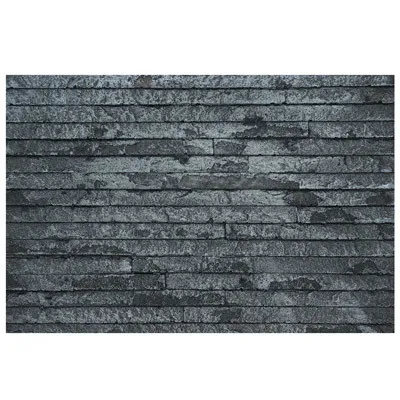
Let's paint a picture of Muretto Stone in real-world hospitality settings. Each space has unique needs, and Muretto Stone adapts accordingly:
The lobby is the heart of a hotel—the first and last space guests see. It needs to be grand enough to impress, but welcoming enough to relax in. Muretto Stone Light Grey here works wonders, especially when paired with warm lighting. Imagine a high-ceilinged lobby with floor-to-ceiling windows, walls clad in Muretto Stone Light Grey, and a reception desk wrapped in the same material. The light grey hue reflects natural light, making the space feel airy, while the texture adds depth, preventing it from feeling flat. Add a few statement chairs upholstered in warm neutrals, and you've created a space that says, "Welcome. Stay awhile."
Restaurants are all about atmosphere, but they're also battlefields of spills, heat, and constant movement. Muretto Stone Dark Grey is a star here, particularly on feature walls or bar fronts. Picture a farm-to-table restaurant with an open kitchen, where the bar is clad in Muretto Stone Dark Grey. The rich color complements the warm wood of the tables and the soft glow of pendant lights, creating an intimate, rustic-chic vibe. And when a patron accidentally knocks over a glass of red wine? A quick wipe, and the stone looks as good as new. No stains, no stress.
Spas demand serenity, and Muretto Stone Beige delivers. Its soft, warm tone evokes sand or driftwood, creating a sense of calm. Imagine a treatment room with Muretto Stone Beige walls, paired with travertine (beige) flooring and woven linen drapes. The texture of the stone adds a subtle organic element, while its moisture resistance makes it perfect for steam rooms or post-shower areas. "Guests often comment on how 'grounded' the space feels," says a spa director in Bali who recently renovated with Muretto Stone. "It's like being wrapped in something that's both solid and gentle."
Muretto Stone rarely works alone—and that's part of its charm. It plays well with others, enhancing the strengths of materials around it. Take fair-faced concrete, for example. Raw and industrial, fair-faced concrete can feel cold on its own, but paired with Muretto Stone Light Grey, it gains warmth. The stone's texture softens the concrete's starkness, creating a balance of rough and refined. Similarly, wood grain board—with its organic, tactile quality—complements Muretto Stone's earthiness. In a restaurant dining area, Muretto Stone Dark Grey walls with wood grain board accents on the ceiling create a space that feels both modern and cozy, like a cabin in the city.
Even more delicate materials, like woven textiles or glass, find harmony with Muretto Stone. The stone's solidity grounds these lighter elements, preventing the space from feeling flimsy. It's a dance of contrasts: hard and soft, rough and smooth, old and new. And in hospitality, where spaces aim to feel layered and lived-in, that dance is everything.
At the end of the day, hospitality is about storytelling. Every choice—from the art on the walls to the materials on the surfaces—contributes to the narrative a brand wants to share. Muretto Stone, with its blend of timeworn texture and modern resilience, tells a story of balance: of honoring the past while embracing the future, of creating beauty that doesn't demand sacrifice. It says, "We care about how you feel, and we care about making sure this feeling lasts."
Whether it's a boutique hotel in Paris using Muretto Stone Beige to evoke the warmth of a French countryside home, or a sleek rooftop bar in Tokyo choosing Muretto Stone Dark Grey for its urban edge, this material adapts to the story, never overshadowing it. It's a supporting actor with leading-man charisma—quietly elevating the space without stealing the spotlight.
In a world where hospitality design often swings between "all beauty, no brains" and "all function, no heart," Muretto Stone is a breath of fresh air. It's proof that materials can be both indulgent and intelligent, that a wall panel can make you feel something and stand up to the chaos of daily life. For designers, it's a tool to craft spaces with soul; for owners, it's an investment in durability; for guests, it's a silent companion that makes their stay feel intentional.
So the next time you walk into a hospitality space and feel that sense of ease—that feeling that everything here was chosen with care—take a closer look at the walls. Chances are, you might be touching Muretto Stone. And in that moment, you'll understand: great design isn't just about what you see. It's about what you feel, and how long that feeling lasts.
Recommend Products












