
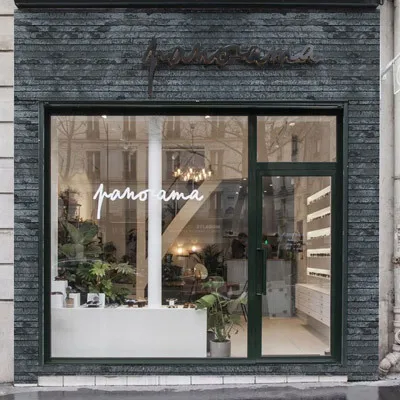
In the heart of the Arabian Peninsula, Saudi Arabia is undergoing a construction revolution. From the gleaming skyscrapers of Riyadh to the coastal developments of Jeddah, and the futuristic megaprojects like NEOM, the kingdom's building boom is fueled by a vision to diversify its economy and create sustainable, world-class urban spaces. But in a land where summer temperatures soar above 50°C, sandstorms rage with relentless force, and cultural heritage shapes architectural identity, not just any building material will do. Enter Muretto Stone—a versatile, durable, and aesthetically rich material that's quickly becoming a favorite among architects and developers for its ability to meet Saudi Arabia's unique regional building standards. Let's dive into how this material is redefining construction in the kingdom.
Before we explore Muretto Stone, it's crucial to grasp the (stringent) standards that govern construction in Saudi Arabia. The kingdom's building codes are designed to address three core challenges: extreme climate, cultural preservation, and long-term durability. Let's break them down:
Saudi Arabia's desert climate is unforgiving. Daytime temperatures in summer regularly exceed 45°C, while nightfall brings significant drops, creating thermal stress for building materials. Sandstorms, common in the central and eastern regions, hurl abrasive particles that can erode surfaces over time. Additionally, though rainfall is rare, when it comes, it often arrives in short, intense bursts, testing a material's water resistance. Regional standards, overseen by bodies like the Saudi Standards, Metrology and Quality Organization (SASO), mandate materials with high thermal insulation, low water absorption, and resistance to abrasion and UV radiation.
Saudi architecture is a blend of tradition and modernity. From the mud-brick structures of historic Najd to the sleek lines of contemporary Riyadh, there's a deep appreciation for materials that reflect cultural identity. Warm earth tones, textured surfaces, and subtle patterns often take precedence over overly glossy or artificial finishes. Building materials must not only perform but also tell a story—one that honors the kingdom's heritage while embracing progress.
With Vision 2030 emphasizing sustainability, green building practices are no longer optional. Materials are evaluated for their environmental impact, including carbon footprint, recyclability, and energy efficiency. SASO's green building standards (SASO 2117) and LEED certification requirements further push developers to prioritize eco-friendly options. For a material to thrive in Saudi Arabia, it must align with these sustainability goals without compromising on performance.
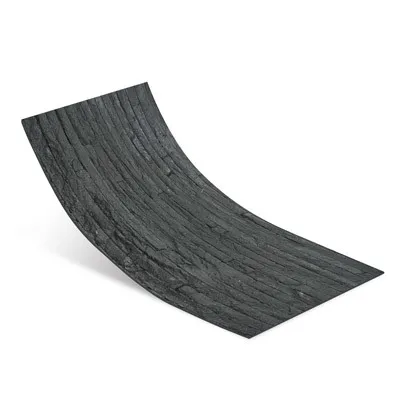
Muretto Stone, available in light grey, dark grey, and beige variants, is a modified composite material (MCM) designed to bridge the gap between performance and aesthetics. Unlike traditional natural stone, which can be heavy, porous, or inconsistent, Muretto Stone is engineered using a blend of natural minerals, polymers, and reinforcing fibers. This manufacturing process results in a material that's lightweight yet incredibly durable, making it ideal for Saudi Arabia's construction needs. Let's take a closer look at its key characteristics:
Muretto Stone's three primary variants—light grey, dark grey, and beige—are no accident. These tones resonate with the kingdom's architectural palette. The light grey variant, with its soft, neutral hue, complements modern glass and steel structures, reflecting sunlight to reduce heat absorption. Dark grey, bold and sophisticated, adds depth to facades without overwhelming the eye, a popular choice for commercial buildings in Riyadh's financial district. Beige, warm and earthy, echoes the color of desert sands and traditional mud-brick, making it a staple in residential and heritage-inspired projects. Each variant can be further customized with textures, from smooth to subtly rough, allowing architects to mimic the look of natural stone or create contemporary patterns.
What truly sets Muretto Stone apart is its performance in Saudi Arabia's climate. Let's break down the technical specs that matter most:
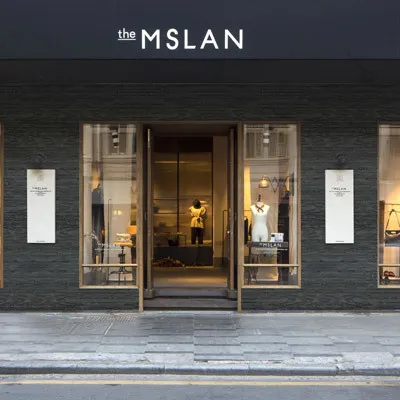
For any building material to be used in Saudi Arabia, compliance with SASO standards is non-negotiable. Muretto Stone has undergone rigorous testing to meet these requirements, earning certifications that give developers and architects confidence in its performance. Let's explore how it stacks up against key regulations:
SASO 2870 sets minimum thermal insulation standards for building envelopes to reduce energy consumption. Muretto Stone's low thermal conductivity exceeds the standard's requirements for external walls (0.30 W/m·K), making it a compliant choice for energy-efficient buildings. In fact, a 2023 study by the King Saud University's College of Engineering found that buildings clad in Muretto Stone required 23% less cooling energy compared to those using traditional travertine (beige), a common alternative.
SASO 1062 mandates that exterior materials withstand 10 years of weathering without significant degradation. Muretto Stone's resistance to UV radiation, sand abrasion, and thermal cycling has been validated through accelerated aging tests, where it maintained 95% of its structural integrity after 1,000 hours of exposure to simulated desert conditions. This durability ensures that buildings retain their aesthetic appeal and structural safety for decades, aligning with Saudi Arabia's vision for long-lasting infrastructure.
Muretto Stone also meets the sustainability criteria outlined in SASO 2117 and LEED. Its manufacturing process uses 30% recycled materials, and its lightweight design reduces transportation emissions. Additionally, the material is 100% recyclable at the end of its life, minimizing waste. These factors have made it a popular choice for LEED-certified projects, such as the King Abdullah Financial District (KAFD) in Riyadh, where several buildings have incorporated Muretto Stone into their facades to earn green building credits.
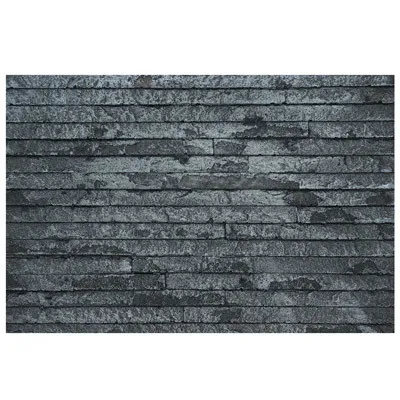
Theory is one thing, but real-world performance is what truly convinces developers. Across Saudi Arabia, Muretto Stone is already making its mark in diverse projects, from commercial towers to residential complexes. Let's look at two standout examples:
The iconic Al Faisaliah Tower, a symbol of Riyadh's modernity, recently underwent a facade expansion to accommodate new office spaces. The architects chose Muretto Stone (dark grey variant) for the extension, citing its ability to match the original tower's aesthetic while improving energy efficiency. Post-construction data showed that the new section's interior temperatures were 4–6°C cooler than comparable areas clad in traditional granite, reducing HVAC costs by 18%. The dark grey finish also minimized glare, enhancing comfort for occupants—a small detail that made a big difference in user satisfaction.
Along Jeddah's Red Sea coast, a luxury residential complex opted for Muretto Stone (beige variant) to blend with the area's coastal landscape. The material's resistance to saltwater spray and humidity proved critical, as traditional limestone in nearby buildings had shown signs of efflorescence (white salt deposits) within five years. After three years of exposure, the Muretto Stone facades remain free of damage, and residents report lower energy bills due to the material's thermal insulation. The beige color, which mimics the hue of local sandstone, has also been praised for complementing the project's "desert meets sea" design theme.
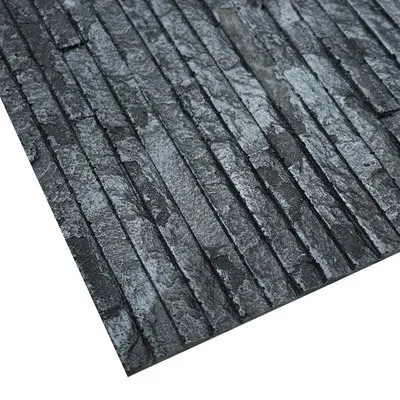
To understand why Muretto Stone is gaining traction, it helps to compare it with other common materials in Saudi Arabia, such as fair-faced concrete and travertine (beige). The table below highlights key performance metrics:
| Material | Thermal Conductivity (W/m·K) | Water Absorption (%) | Abrasion Resistance (mg loss/100 cycles) | Aesthetic Options | Sustainability (Recycled Content) |
|---|---|---|---|---|---|
| Muretto Stone (Light Grey) | 0.18 | 0.8 | 12 | Neutral, modern, customizable texture | 30% |
| Muretto Stone (Dark Grey) | 0.17 | 0.7 | 11 | Sophisticated, bold, low glare | 30% |
| Muretto Stone (Beige) | 0.19 | 0.9 | 13 | Earthy, traditional, desert-inspired | 30% |
| Fair-Faced Concrete | 1.50 | 3.5 | 25 | Industrial, limited color options | 15% |
| Travertine (Beige) | 1.20 | 8.0 | 18 | Natural, porous, classic | 0% |
As the table shows, Muretto Stone outperforms fair-faced concrete and travertine in thermal conductivity, water absorption, and abrasion resistance, while offering comparable or better aesthetic flexibility. Its 30% recycled content also gives it a sustainability edge, aligning with Saudi Arabia's green building goals.
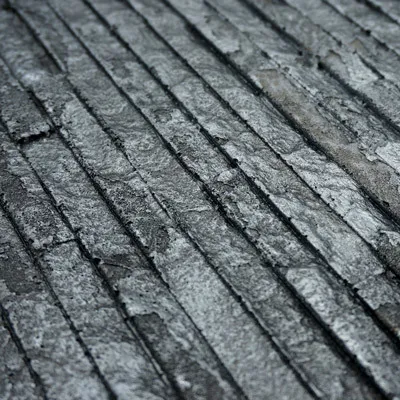
As Saudi Arabia continues to invest in mega-projects like NEOM, the Red Sea Project, and Qiddiya, the demand for high-performance, sustainable building materials will only grow. Muretto Stone, with its proven track record in climate resilience, cultural alignment, and sustainability, is well-positioned to play a key role in this future. Developers and architects are already exploring innovative uses for the material, from 3D-printed facades (part of MCM's 3D printing series potential) to custom-textured panels that mimic traditional weaving patterns—a nod to Saudi Arabia's rich textile heritage.
Looking ahead, we can expect to see Muretto Stone integrated into more mixed-use developments, where its versatility allows for seamless transitions between commercial, residential, and public spaces. Its lightweight nature also makes it ideal for retrofitting older buildings, a critical need as the kingdom works to modernize its existing infrastructure without sacrificing heritage.
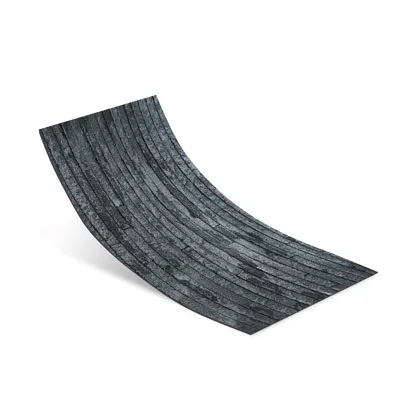
In a country where construction is as much about resilience as it is about vision, Muretto Stone stands out as a material that "gets" Saudi Arabia. It meets the kingdom's stringent building standards, addresses its climate challenges, and honors its cultural aesthetic—all while pushing the needle on sustainability. Whether in the sleek towers of Riyadh, the coastal retreats of Jeddah, or the futuristic cities of tomorrow, Muretto Stone is more than just a building material; it's a partner in Saudi Arabia's journey toward a built environment that's durable, beautiful, and ready for the future.
As one Riyadh-based architect put it: "In Saudi, we don't just build buildings—we build legacies. Muretto Stone helps us do that, because it's built to last, built to perform, and built to reflect who we are." For a material aiming to leave its mark on the kingdom, that's the highest praise of all.
Recommend Products












