
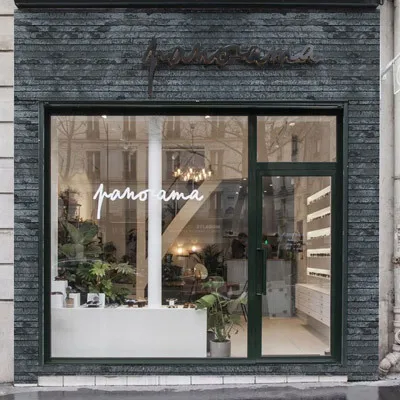
Saudi Arabia's architectural landscape is undergoing a breathtaking transformation. From the futuristic skylines of NEOM to the cultural revival in Jeddah's historic district, the kingdom is redefining what modern architecture can be—while never losing sight of its rich heritage. Amidst this evolution, one material has emerged as a quiet star: muretto stone . More than just a building material, it's a bridge between the past and future, a canvas for architects to weave stories of tradition and innovation. Let's dive into why muretto stone is capturing the hearts of designers, developers, and homeowners across Saudi Arabia, and how its subtle versatility is shaping the buildings of tomorrow.
Walk through Riyadh's new business districts or the coastal developments of Dammam, and you'll notice a pattern: buildings that feel both grounded and contemporary. Many of these structures share a common element: the warm, textured surface of muretto stone. Unlike polished marble or sleek glass, muretto stone carries a tactile, almost organic quality—think weathered stone softened by time, but with the durability to stand up to Saudi Arabia's harsh desert climate. It's no wonder that architects and developers are turning to it in droves, especially as the kingdom prioritizes projects that blend aesthetic beauty with practical resilience.
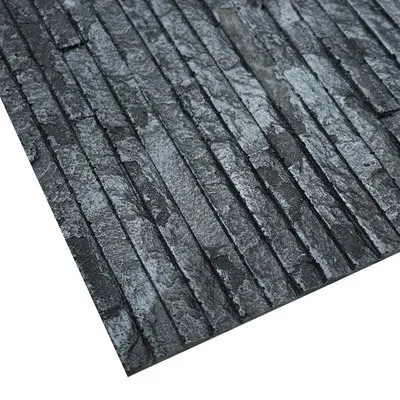
But what exactly is muretto stone? At its core, it's a type of modified composite material (MCM) that mimics the look of natural stone but with enhanced performance. Part of the broader MCM project board series , muretto stone is engineered to be lightweight, flexible, and resistant to cracks, fading, and moisture—all critical features in a country where temperatures soar above 45°C in summer and sandstorms are a regular occurrence. What truly sets it apart, though, is its aesthetic range. Available in three distinct variants— muretto stone (light grey) , muretto stone (dark grey) , and muretto stone (beige) —it adapts to almost any design vision, from minimalist modernism to warm, heritage-inspired spaces.
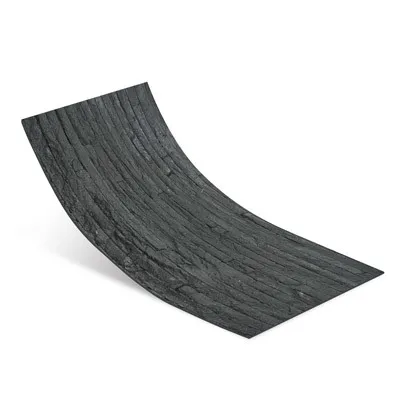
To understand why muretto stone is so in demand, let's break down its three main variants. Each has its own "personality," making it suitable for different projects and moods. Whether you're designing a sleek corporate headquarters or a cozy community center, there's a muretto stone that fits the bill.
| Muretto Stone Variant | Aesthetic Vibe | Best Use Cases | Climate Resilience Features |
|---|---|---|---|
| Muretto Stone (Light Grey) | Airy, contemporary, and bright—like morning light on desert sand. | Residential exteriors, boutique hotels, tech offices, and public plazas where a fresh, open feel is desired. | Reflects sunlight to reduce heat absorption; ideal for areas with intense summer sun. |
| Muretto Stone (Dark Grey) | Sophisticated, bold, and timeless—evoking the depth of desert nights. | Luxury resorts, corporate towers, cultural centers, and high-end retail spaces aiming for drama and elegance. | Hides dust and sand residue; stands up to frequent sandstorms with minimal visible wear. |
| Muretto Stone (Beige) | Warm, inviting, and earthy—reminiscent of traditional mud-brick villages. | Heritage sites, community centers, schools, and family-friendly developments seeking a cozy, nostalgic feel. | Blends with natural surroundings; resists fading in UV light, maintaining its warm tone year-round. |
Take, for example, the recently completed Al-Madinah Cultural Center. Designed to honor the city's rich history, the center's exterior uses muretto stone (beige) to echo the warm hues of traditional Najdi architecture. The stone's subtle texture—reminiscent of hand-carved adobe—invites visitors to reach out and touch it, creating an immediate emotional connection to the past. Inside, the lobby features muretto stone (light grey) walls, paired with wooden accents, to balance heritage with modern comfort. It's a space that feels both timeless and fresh—a perfect metaphor for Saudi Arabia itself.
On the flip side, the new King Abdullah Financial District (KAFD) in Riyadh showcases muretto stone (dark grey) in all its bold glory. The district's signature tower, a sleek 300-meter skyscraper, uses the dark grey variant for its lower facade, creating a striking contrast with the glass and steel above. The stone's deep color adds gravitas to the building, signaling stability and authority—key for a financial hub—while its durability ensures it will look sharp even after decades of exposure to Riyadh's elements.
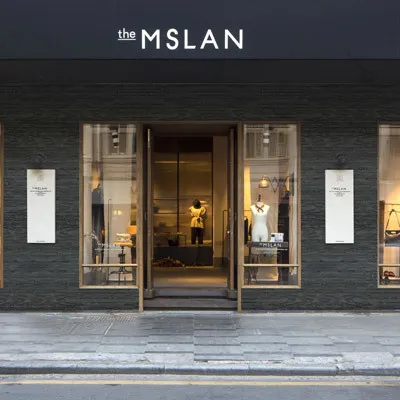
Saudi Arabia's architecture has always been a dialogue between the past and the present. For centuries, builders relied on local materials like historical pathfinders stone —a rugged, naturally occurring stone used in ancient fortresses and pilgrimage routes—to create structures that could withstand the desert's fury. These materials weren't just functional; they told stories of resilience, community, and connection to the land. Today, as the kingdom embarks on ambitious projects like NEOM (a futuristic city) and the Red Sea Project (a luxury tourism destination), architects are eager to preserve that storytelling tradition—even as they embrace cutting-edge technology.
Muretto stone fits this narrative perfectly. It's not just a modern substitute for traditional stone; it's a reimagining of it. Like historical pathfinders stone , muretto stone has a tactile, organic quality that feels rooted in the earth. But unlike its ancient counterpart, it's engineered for the demands of 21st-century life: it's lighter, easier to install, and requires almost no maintenance. This blend of old and new is exactly what Saudi's architects are craving. "We want buildings that honor our heritage but don't feel stuck in the past," says Lina Al-Mansoori, a Riyadh-based architect specializing in cultural projects. "Muretto stone lets us do that. It has the soul of the stones our ancestors used, but with the performance needed for today's world."
Nowhere is this more evident than in the restoration of Jeddah's Al-Balad district, a UNESCO World Heritage site known for its historic coral-stone houses. While the original structures are being preserved with traditional techniques, new additions to the district—like a visitor center and a museum—are using muretto stone (beige) to complement the old coral. The result? A seamless transition between 19th-century architecture and 21st-century amenities, where visitors can wander through ancient alleyways and then step into a modern space that feels just as authentically "Jeddah."
Even in hyper-modern projects, muretto stone serves as a link to heritage. Take NEOM's The Line—a 170-kilometer linear city with no cars, where nature and urban life coexist. While much of The Line will feature glass, steel, and fair-faced concrete (a smooth, unadorned concrete that's popular in minimalist design), planners have specified muretto stone (light grey) for public squares and pedestrian walkways. "We wanted materials that feel human-scale, that invite people to slow down and connect," explains Omar Khalid, a lead designer on the project. "Fair-faced concrete is sleek and futuristic, but muretto stone adds warmth. It's like putting a soft rug in a high-tech living room—it makes the space feel welcoming."
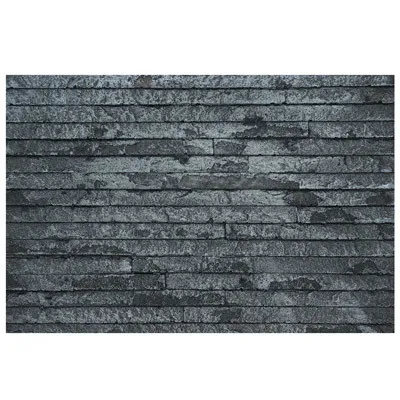
Emotion and heritage aside, muretto stone's popularity in Saudi Arabia ultimately comes down to good old-fashioned practicality. In a country where construction projects face unique challenges—extreme heat, sandstorms, and strict sustainability goals—materials have to deliver on multiple fronts. Muretto stone checks all the boxes, and then some.
Durability in Harsh Climates : Saudi Arabia's climate is unforgiving. Summer temperatures regularly exceed 45°C, and sandstorms can scour building exteriors for hours. Muretto stone is engineered to stand up to this abuse. Its composite structure resists cracking from thermal expansion, and its textured surface doesn't show scratches or sand damage as easily as smooth materials like polished marble. "We tested muretto stone alongside other options— foamed aluminium alloy board (vintage silver) , granite portoro —and it outperformed them in our climate simulations," says Fahad Al-Zahrani, a construction engineer at a major Saudi developer. "After two years of exposure to our conditions, the muretto samples still looked new. The others? They faded or showed signs of wear."
Lightweight and Easy to Install : Traditional natural stone is heavy, requiring reinforced structures and specialized labor. Muretto stone, being part of the MCM flexible stone line, is much lighter—up to 70% lighter than solid granite. This reduces construction time and costs, as it can be installed with standard tools and doesn't require extra structural support. For high-rise projects, this is a game-changer. "On our last tower project, switching to muretto stone cut our exterior installation time by 30%," Al-Zahrani adds. "That's a huge savings in labor and equipment costs."
Low Maintenance, High Longevity : In Saudi Arabia, where water is scarce and maintenance budgets are tight, materials that don't require frequent upkeep are a must. Muretto stone delivers here too. Unlike wood or some metals, it doesn't rot, rust, or fade. A simple wash with water (no harsh chemicals needed) is enough to keep it looking fresh. "We have a residential complex in Dammam with muretto stone (dark grey) exteriors," says Alia Mohammed, a property manager. "We've had zero maintenance issues in five years. No repainting, no repairs—just occasional cleaning. For a property with 200 units, that's a massive relief."
Sustainability Credentials : Saudi Arabia is increasingly focused on green building, with initiatives like LEED certification and the Saudi Green Building Code driving demand for eco-friendly materials. Muretto stone aligns with these goals. It's often made from locally sourced raw materials, reducing transportation emissions, and its production process uses less energy than traditional stone quarrying. Additionally, its durability means fewer replacements over time, cutting down on waste. "Sustainability isn't just a trend here—it's a requirement," says environmental architect Nabil Ahmed. "Clients ask for it upfront, and muretto stone gives us a way to meet those demands without sacrificing design."
As Saudi Arabia continues to invest in its built environment—with over $1.5 trillion earmarked for infrastructure and development projects in the coming decade—the demand for muretto stone is only set to grow. Architects and developers are already finding new ways to push the material's boundaries, blending it with other innovative products from the MCM project board series to create never-before-seen designs.
One exciting trend is the integration of muretto stone with MCM 3D printing series technology. 3D printing allows for custom, complex shapes that would be impossible with traditional stone-cutting methods. Imagine a cultural center with a facade of 3D-printed muretto stone panels, each one unique, creating a wave-like pattern that catches the light at different times of day. "We're already experimenting with this," says architect Lina Al-Mansoori. "The results are stunning. Muretto stone's flexibility makes it perfect for 3D printing—we can create organic, flowing forms that feel alive."
Another area of growth is custom finishes. While muretto stone is already available in three main colors, manufacturers are now offering custom tints and textures to meet specific project needs. "A client recently asked for a muretto stone that matches the color of the Red Sea at sunset—warm oranges and pinks," says a representative from a leading MCM supplier. "We worked with them to develop a custom blend, and the result was breathtaking. As demand grows, we'll only see more of this customization."
Of course, with growth comes challenges. Currently, most muretto stone in Saudi Arabia is imported, which can lead to supply delays and higher costs. But that's changing. Local manufacturers are starting to invest in production facilities, aiming to meet the rising demand with locally made muretto stone. "Within the next five years, we expect 60% of the muretto stone used in Saudi projects to be produced locally," predicts Fahad Al-Zahrani. "That will lower costs, reduce lead times, and support our national 'Made in Saudi' initiative."
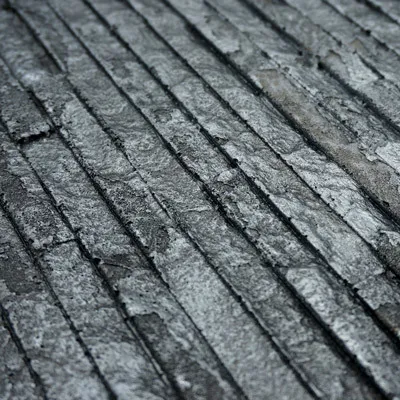
In the end, muretto stone is more than just a building material. It's a symbol of Saudi Arabia's architectural renaissance—a movement that honors the past while sprinting toward the future. Its ability to blend heritage, durability, and design flexibility makes it the perfect partner for the kingdom's bold vision. Whether it's cladding a skyscraper in dark grey for a touch of sophistication, warming up a community center with beige , or adding brightness to a residential complex with light grey , muretto stone is helping to shape a built environment that is uniquely Saudi: resilient, welcoming, and unapologetically forward-thinking.
As architects continue to push boundaries and developers strive to create spaces that inspire, muretto stone will undoubtedly remain a staple in Saudi Arabia's construction landscape. It's a material that doesn't just build buildings—it builds stories. Stories of a nation that refuses to choose between tradition and innovation, between the earth and the sky. And in a country as dynamic as Saudi Arabia, those are the stories that will stand the test of time.
Recommend Products












