
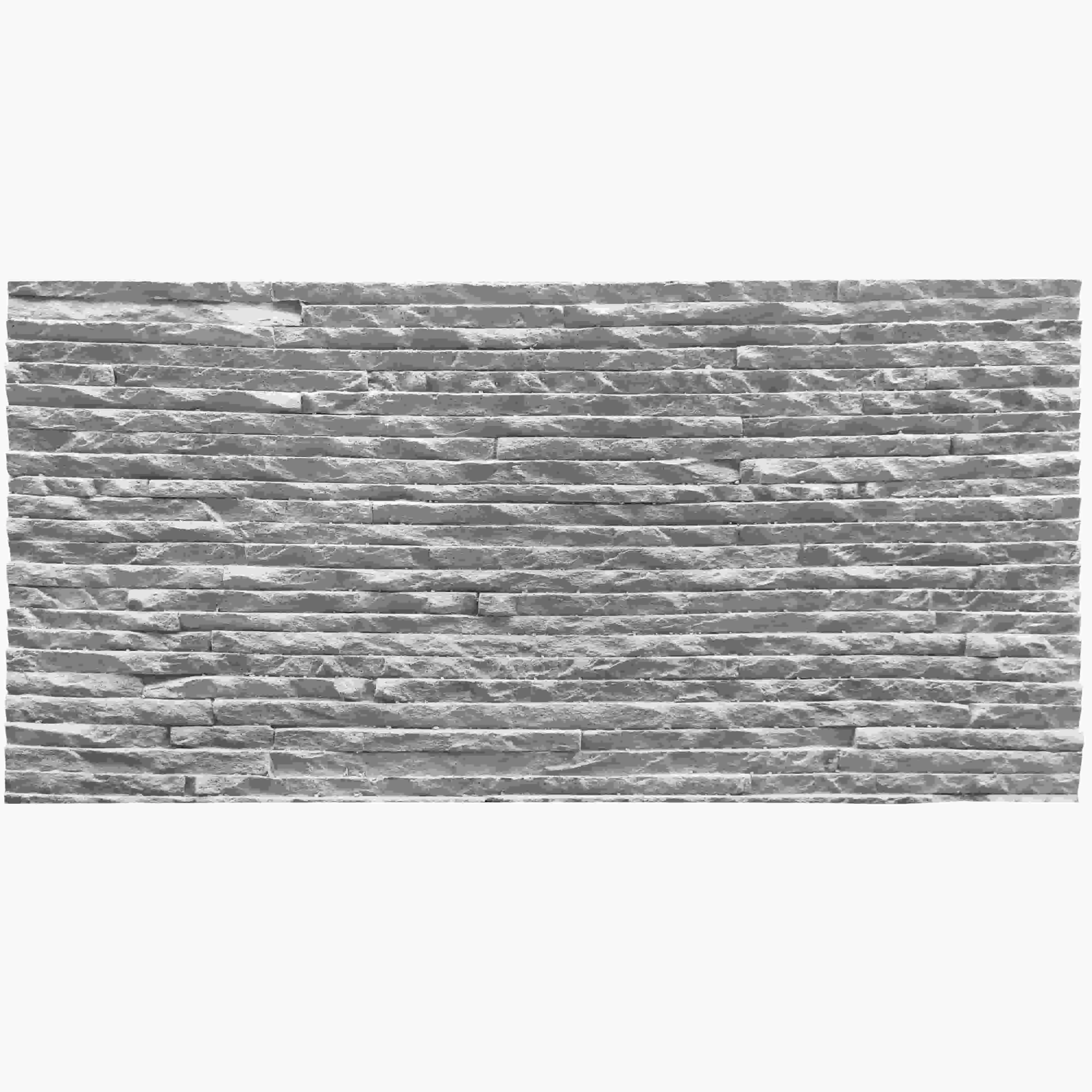
Walk into a healthcare facility, and what's the first thing that strikes you? Is it the sterile whiteness that feels more intimidating than reassuring? Or maybe the cold, hard floors that echo with every step, amplifying anxiety? In spaces where healing is the priority, the materials that surround patients, staff, and visitors play a quiet but crucial role. They don't just fill a functional need—they shape moods, influence recovery, and even impact how safe we feel. Enter Muretto Stone (Light Grey) : a material that's redefining what healthcare design can be, blending uncompromising hygiene with a warmth that feels less like a clinical space and more like a thoughtful retreat.
Healthcare facilities aren't just buildings—they're living, breathing environments where every detail matters. Think about it: a nurse rushing down a corridor needs floors that don't slip. A patient spending days in a room deserves walls that don't trap germs or feel oppressively stark. A family waiting for news seeks spaces that calm, not stress. That's why choosing the right materials isn't a matter of aesthetics alone; it's a matter of care.
Hygiene tops the list. Surfaces must resist bacteria, fungi, and viruses, standing up to daily scrubbing with harsh disinfectants without deteriorating. Durability is next—with thousands of footsteps, rolling carts, and medical equipment moving through spaces daily, wear and tear can't be an afterthought. And then there's the emotional layer: cold, sterile materials can heighten anxiety, while warm, inviting ones can ease it. For patients, a calming environment isn't a luxury; studies show it can even speed up recovery. For staff, it reduces burnout. For visitors, it fosters trust.
This is where Muretto Stone (Light Grey) steps in. It's not just a material—it's a solution that checks all these boxes, and then some.
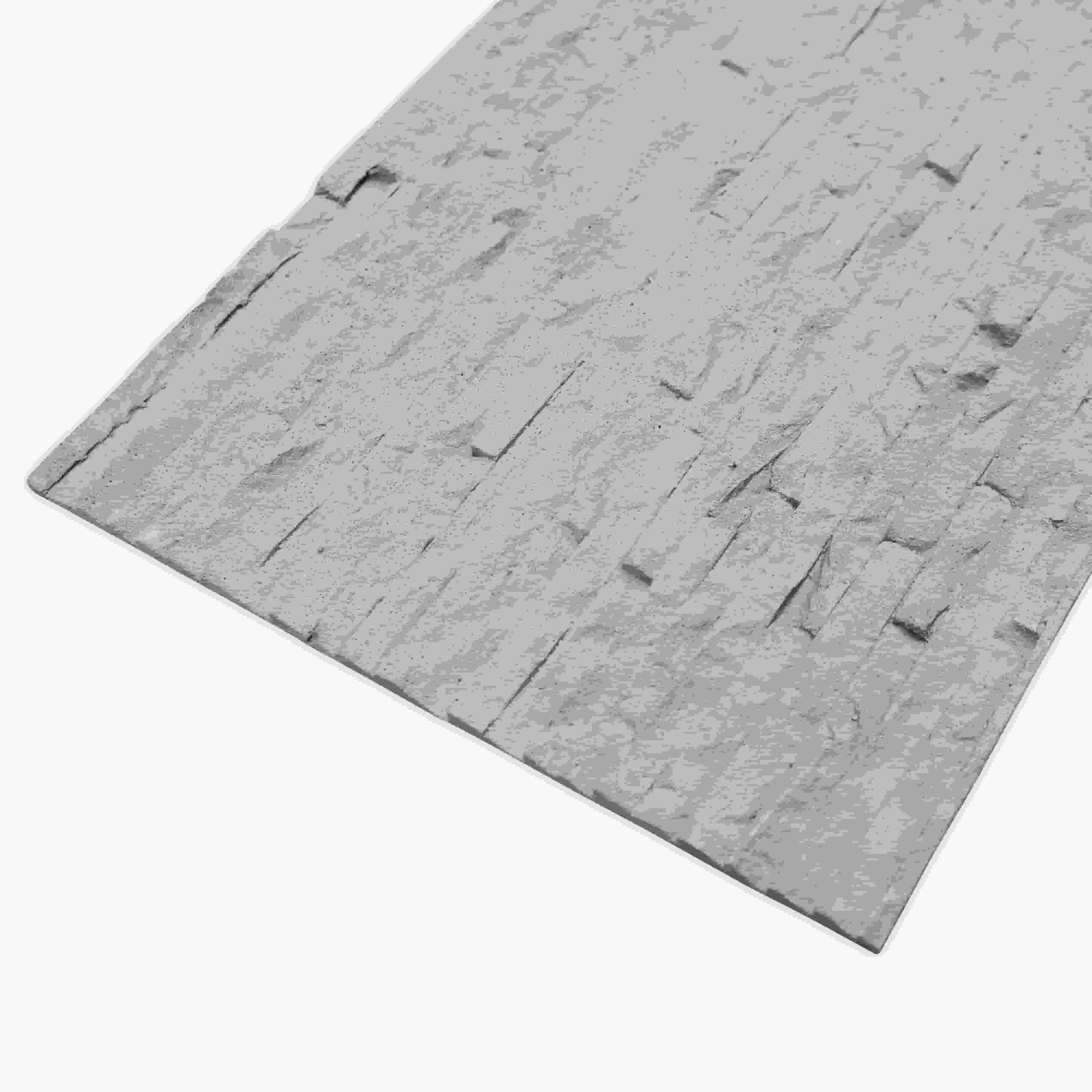
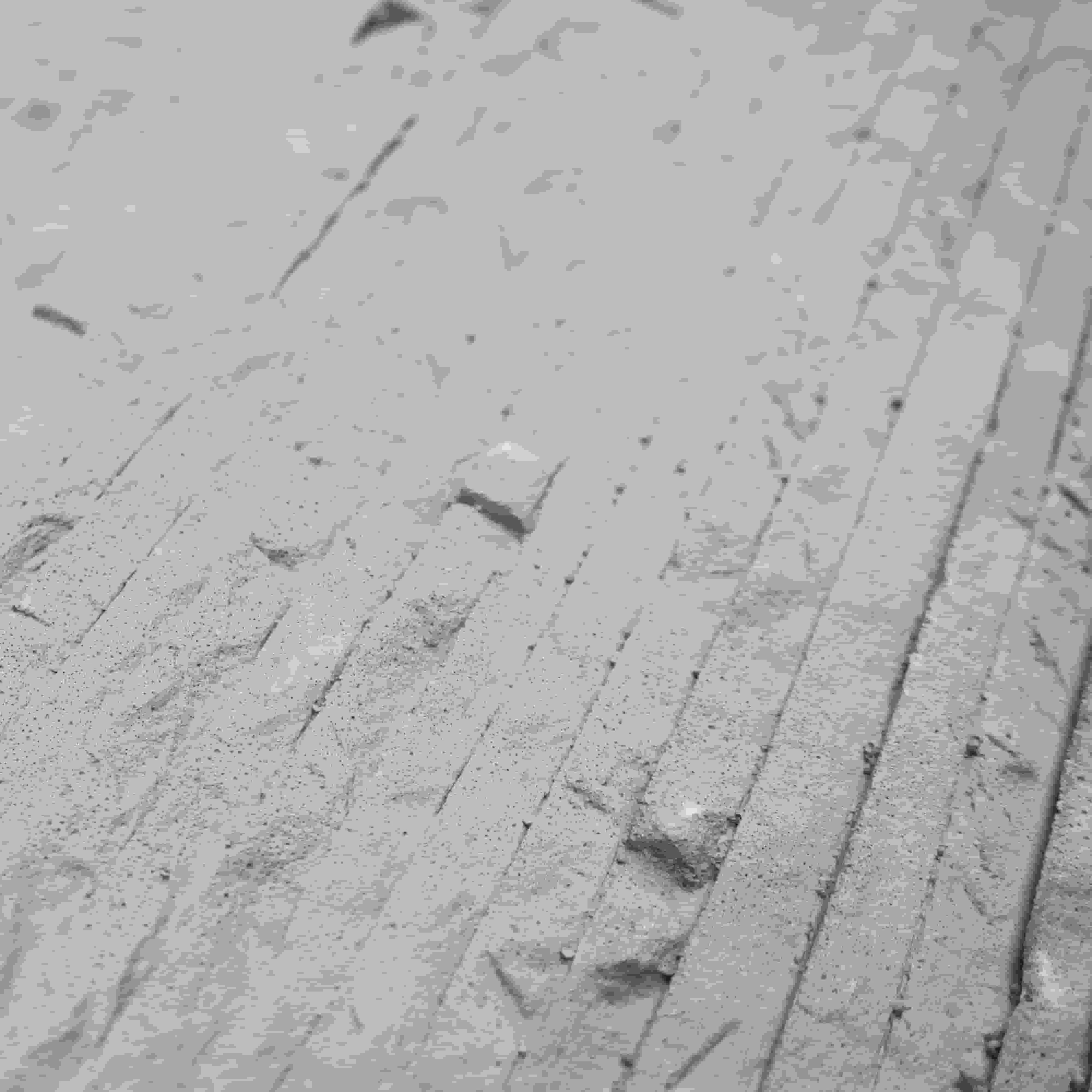
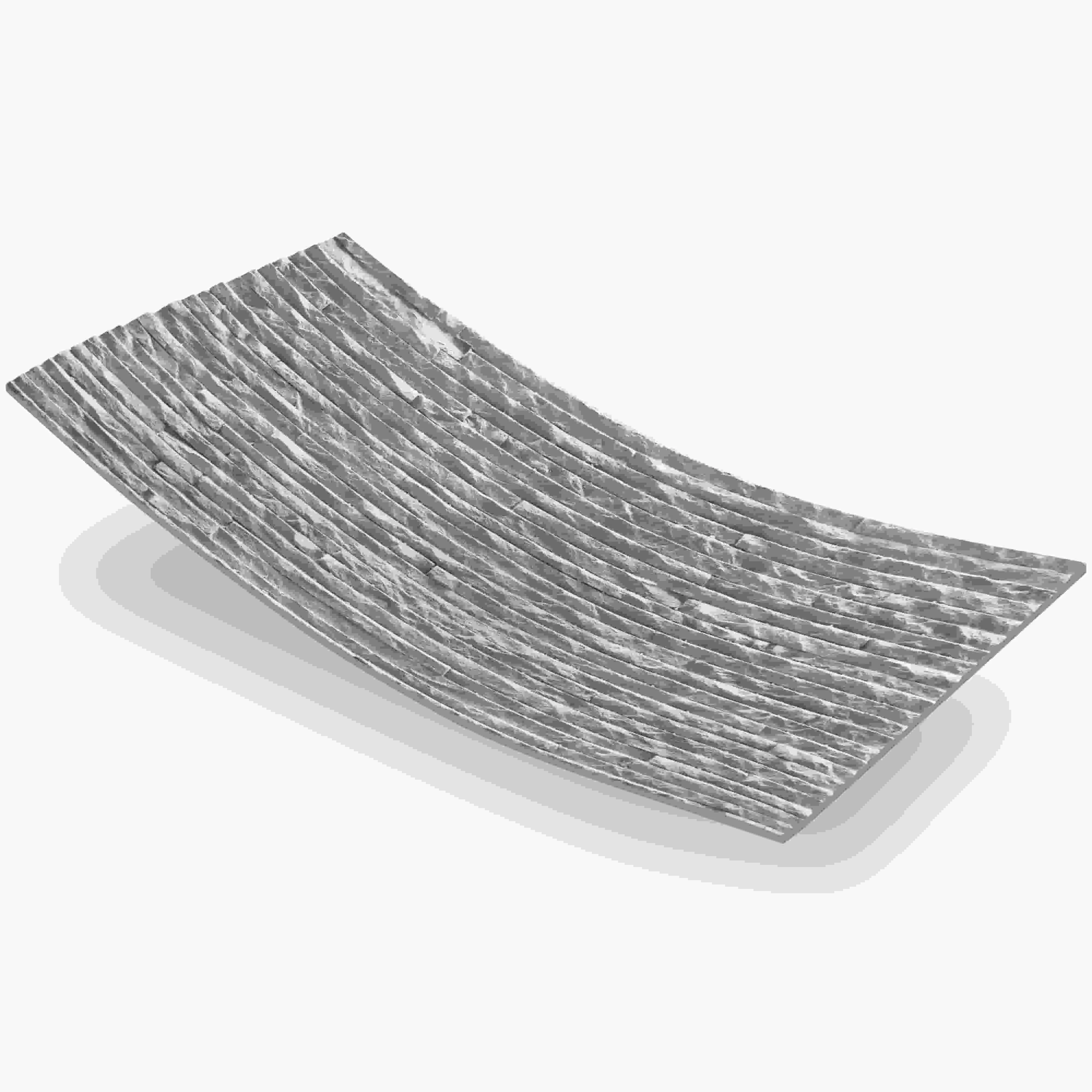
Let's start with the basics: What is Muretto Stone (Light Grey)? At its core, it's an engineered stone crafted from a blend of natural aggregates, resins, and minerals, designed to mimic the look of natural stone but with enhanced performance. The light grey hue is intentional—not a stark, clinical white, nor a drab, depressing charcoal, but a soft, versatile shade that sits somewhere in between. It's the color of early morning mist or smooth river stones, evoking calm without fading into the background.
But its beauty is more than skin deep. Here's what makes it stand out:
In short, Muretto Stone (Light Grey) is designed to work with the chaos of healthcare, not against it. It's a material that understands the realities of the space it's in—and rises to meet them.
So, where exactly does this material fit in a healthcare facility? The answer is: almost everywhere. Let's walk through a typical hospital or clinic and see how Muretto Stone (Light Grey) transforms each space.
Corridors are the arteries of any healthcare space—busy, high-traffic, and constantly in use. Floors here take a beating: stretchers, wheelchairs, food carts, and staff rushing between rooms. Muretto Stone (Light Grey) floors hold up beautifully, resisting dents and scratches even under heavy loads. Its non-slip texture is a safety win, especially in areas prone to spills (like near water fountains or janitorial closets). And that light-reflective quality? It makes long corridors feel less endless and more open, reducing the "institutional" feel that can weigh on patients and staff alike.
Patient rooms are where the healing happens, and the environment here is critical. Walls covered in Muretto Stone (Light Grey) create a calm backdrop—neutral enough to complement any decor (think soft bedding, plants, or family photos) but warm enough to feel like a "room," not a "cell." Its non-porous surface means nurses can wipe down walls daily with disinfectants without worrying about discoloration or degradation. And for patients with sensory sensitivities (common in autism or dementia units), the matte finish reduces glare from overhead lights, creating a more comfortable space to rest.
Even small touches matter: imagine a patient lying in bed, staring at a wall that's not stark white but a soft, stone-like grey. It's a subtle shift, but it can make a big difference in reducing stress and promoting rest.
Reception is the first space visitors see, and it sets the tone for their entire experience. Cold, sterile reception desks and walls can heighten anxiety for already nervous families. Muretto Stone (Light Grey) changes that. A reception desk clad in Muretto feels modern and professional but not unwelcoming. Accent walls in the waiting area add texture and warmth, making the space feel more like a boutique hotel lobby than a hospital. Pair it with soft lighting and comfortable seating, and suddenly, waiting doesn't feel like a punishment.
In treatment rooms, exam areas, or labs, hygiene isn't just important—it's life-saving. Muretto Stone (Light Grey) walls and countertops here are a no-brainer. Its non-porous surface resists chemicals (from antiseptics to medical-grade cleaners), and there are no grout lines to trap bacteria (a common issue with tile). Even in specialized areas like dialysis units or operating room prep areas, it holds up to rigorous cleaning protocols, giving staff one less thing to worry about.
Muretto Stone (Light Grey) is a team player—it doesn't need to be the star of every show. Pairing it with other materials can elevate a space, adding layers of texture, color, and functionality. Here are a few natural companions from the healthcare design toolkit:
Fair-faced concrete —with its raw, unpolished finish—adds an industrial edge that complements Muretto's smoothness. Use it for feature walls in staff lounges or break rooms, where a more "casual" vibe is welcome. The contrast between Muretto's soft grey and concrete's rough texture creates visual interest without feeling chaotic. Plus, fair-faced concrete is durable and easy to clean, making it a practical choice for high-use areas.
For accents—think signage, handrails, or trim— foamed aluminium alloy board (vintage silver) is a stylish choice. Lightweight and corrosion-resistant, it adds a subtle metallic sheen that warms up Muretto's cool grey. Imagine a reception desk with Muretto Stone (Light Grey) panels and vintage silver aluminium trim: modern, professional, and just a little bit luxurious. It's the kind of detail that makes a space feel intentional, not just functional.
Nothing softens a space like the warmth of wood. Wood grain board —engineered to mimic real wood without the maintenance headaches—pairs beautifully with Muretto Stone (Light Grey). Use it for cabinet doors in patient rooms, shelving in waiting areas, or even accent walls in pediatric units (where a little warmth goes a long way). The combination of cool grey stone and warm wood creates balance, making spaces feel both grounded and inviting.
For areas where a softer touch is needed—like reception floors or outpatient clinic waiting areas— travertine (beige) is a lovely complement. Its creamy, earthy tone harmonizes with Muretto's light grey, creating a palette that feels natural and calming. Travertine's subtle veining adds texture, while its durability holds up to moderate foot traffic. Together, Muretto and travertine create a space that's sophisticated yet approachable.
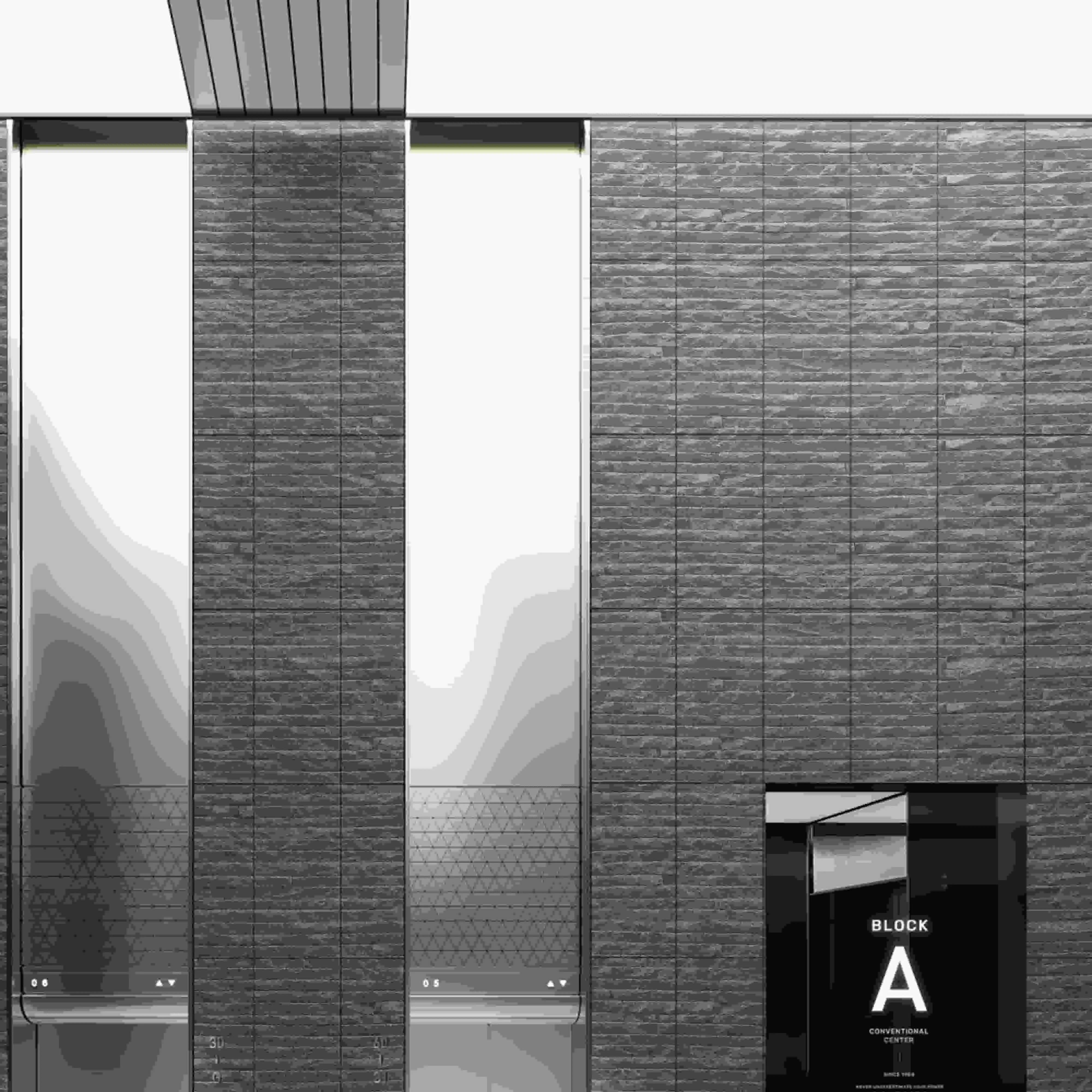
Still wondering how Muretto Stone (Light Grey) compares to other common healthcare materials? Let's break it down:
| Material | Hygiene Rating (1-5) | Durability (1-5) | Aesthetic Versatility | Maintenance Needs | Cost (Relative) |
|---|---|---|---|---|---|
| Muretto Stone (Light Grey) | 5/5 (Non-porous, germ-resistant) | 4.5/5 (Scratch/stain-proof) | High (Pairs with wood, metal, concrete) | Low (Wipe with disinfectant; no sealing needed) | Medium |
| Fair-Faced Concrete | 3/5 (Porous; needs sealing) | 5/5 (Extremely durable) | Medium (Industrial look; less versatile) | Medium (Seal yearly; prone to staining) | Low-Medium |
| Travertine (Beige) | 3.5/5 (Porous; requires regular sealing) | 4/5 (Durable but prone to etching) | High (Earthy, warm tone) | High (Seal every 6-12 months; avoid harsh chemicals) | Medium-High |
As you can see, Muretto Stone (Light Grey) leads the pack in hygiene and low maintenance, while holding its own in durability and versatility. It's an investment, but one that pays off in reduced long-term costs (fewer repairs, less frequent replacements) and happier patients and staff.
Choosing Muretto Stone (Light Grey) isn't just about picking a material—it's about investing in the people who use the space. Here's how it makes a difference:
It's a chain reaction: better materials lead to better spaces, better spaces lead to better care, and better care leads to better outcomes. That's the power of thoughtful design.
Healthcare facilities are more than just buildings—they're places of hope, healing, and humanity. The materials we choose to fill them with should reflect that. Muretto Stone (Light Grey) does exactly that: it's a material that works as hard as the people inside the facility, blending uncompromising hygiene with a warmth that feels deeply human.
Whether it's lining the corridors that staff rush down, covering the walls of a patient's room, or welcoming visitors in the reception area, Muretto Stone (Light Grey) isn't just part of the space—it's part of the healing process. It proves that in healthcare design, we don't have to choose between function and feeling. We can have both.
And in the end, isn't that what healthcare is all about? Caring for people—body, mind, and spirit—one thoughtful detail at a time.
Recommend Products












