
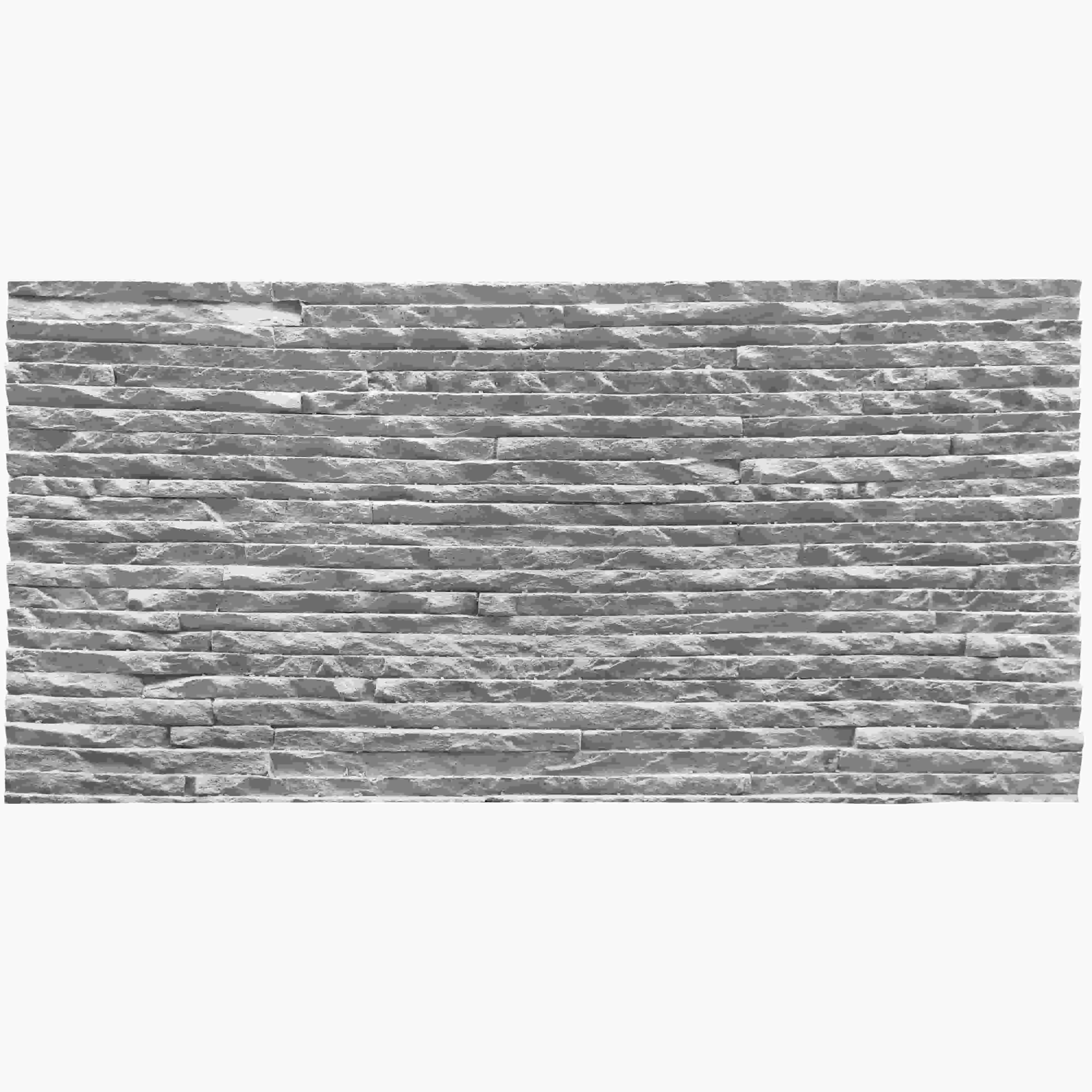
Picture this: You're standing in your backyard, sunlight dappling through the oak tree you planted years ago, and there's a quiet wish lingering in the air—a garden wall that doesn't just mark a boundary, but feels like a natural extension of the landscape. It should hold the warmth of a stone that's been part of the earth for centuries, yet fit seamlessly with the modern touches of your home. If that sounds familiar, let me introduce you to a material that might just be the answer: Muretto Stone (Light Grey) .
At first glance, Muretto Stone (Light Grey) might remind you of weathered limestone found in a countryside village—soft, unassuming, with a matte finish that seems to absorb light rather than reflect it. But look closer, and you'll notice the subtle complexity in its texture: tiny, irregular indentations like the marks of raindrops on ancient stone, and gentle variations in tone, from pale silver to warm taupe, that keep it from feeling flat or artificial. It's part of the MCM flexible stone series, which means it marries the authentic look of natural stone with the practicality of modern engineering—lightweight, flexible, and surprisingly easy to work with.
Unlike heavy natural stone slabs that require cranes and reinforced foundations, Muretto Stone (Light Grey) comes in thin, manageable panels. This flexibility is a game-changer for garden walls, where you might want gentle curves to follow the contour of your garden or custom cuts to frame a flower bed. I've spoken to landscape designers who rave about how it lets them "sculpt" walls rather than just build them—creating organic shapes that feel like they've grown out of the ground, not been stacked on top of it.
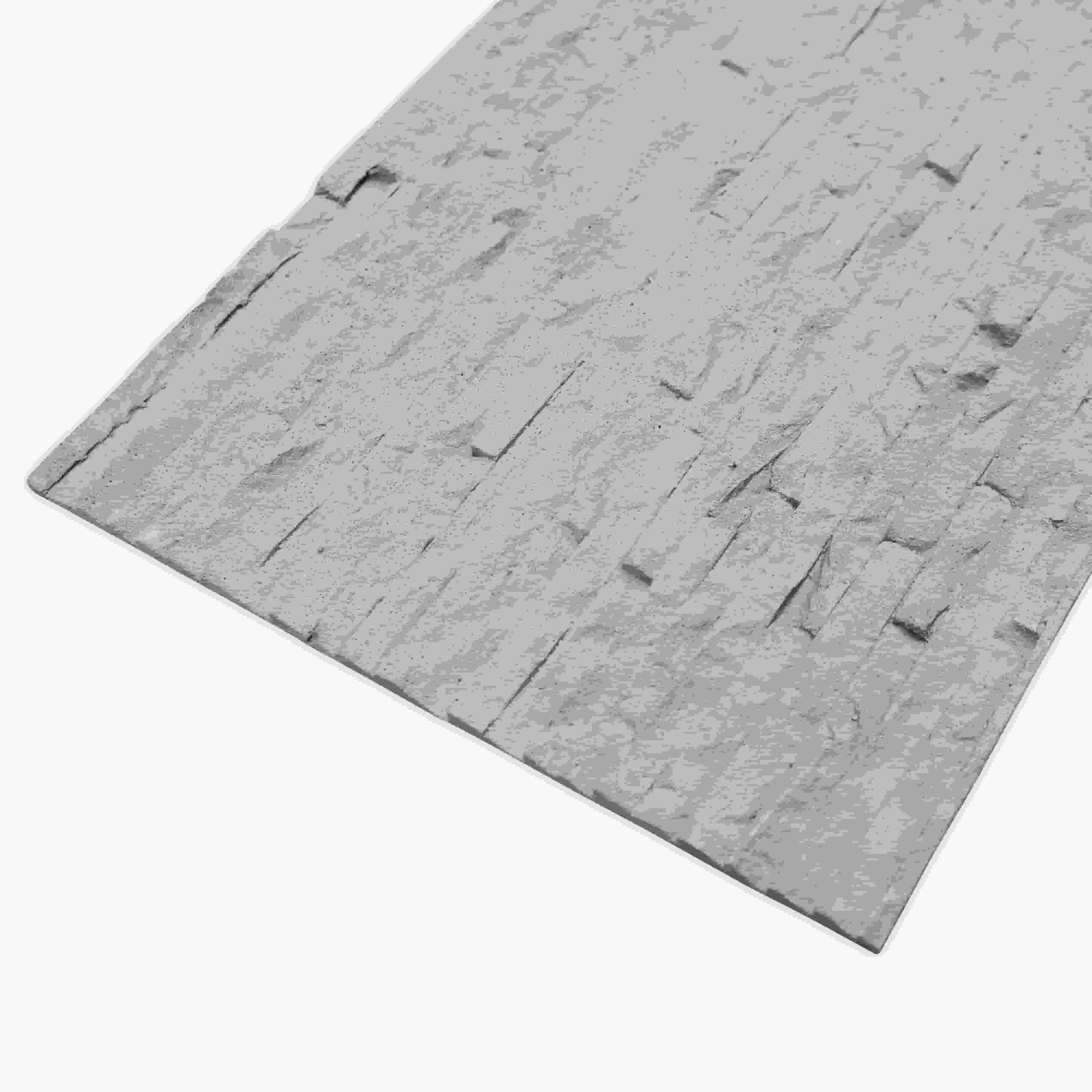
A garden wall has two jobs: to function and to feel. Muretto Stone (Light Grey) nails both. Let's start with function. It's built to withstand the elements—rain, frost, even the occasional hailstorm—without cracking or fading. Unlike painted surfaces that peel or wood that rots, this stone develops a subtle patina over time, growing more charming as it ages. One homeowner I know described it as "like a favorite sweater—getting better with every season."
Then there's the "feel" factor. Light grey is a chameleon color. On bright, sunny days, it takes on a soft, silvery hue that complements greenery, making your plants pop like they're in a painting. On overcast afternoons, it warms up, leaning into those taupe undertones that feel cozy and inviting. It doesn't compete with your garden—it elevates it. Whether you're growing vibrant roses, wild grasses, or a mix of succulents, Muretto Stone (Light Grey) acts as a neutral backdrop that makes every color in your garden sing.
And let's talk about sustainability. As part of the MCM family, it's made with eco-friendly materials and requires less energy to produce than traditional stone. For the environmentally conscious gardener, that's a big win—you're not just building a wall; you're making a choice that's kind to the planet, too.

The best garden walls aren't made of one material—they're a conversation between textures and tones. Muretto Stone (Light Grey) plays well with others, and here are a few pairings that designers swear by:
Wood grain board adds a touch of softness to Muretto Stone's ruggedness. Imagine a wall where the lower half is Muretto Stone (Light Grey), its rough texture grounding the space, and the upper half is vertical wood grain panels in a light oak finish. The contrast is striking—stone's permanence balanced by wood's warmth. Add a wooden bench along the wall, and suddenly you've created a nook that feels like a secret garden retreat. One designer told me she used this combo for a client who wanted "a wall that feels like a hug"—and judging by the way the client now spends every morning there with coffee, it worked.
For a more contemporary look, pair Muretto Stone (Light Grey) with fair-faced concrete. Concrete's smooth, sleek surface creates a bold contrast to the stone's texture, making both materials stand out. A popular trend is to alternate thin strips of concrete with wider panels of Muretto Stone, creating a rhythmic pattern that feels dynamic but not busy. It's perfect for a modern home where you want the garden to feel intentional but not overly formal. I visited a garden like this last spring, and what stuck with me was how the concrete reflected the sky, while the stone absorbed the sunlight—together, they made the wall feel like it was breathing with the day.
If you want to add a little drama, tuck small accents of rust mosaic stone into your Muretto Stone wall. These tiny, irregular tiles in warm oranges and reds mimic the look of autumn leaves or desert sunsets, adding unexpected pops of color without overwhelming the space. One homeowner used them to create a subtle "path" through the wall, guiding the eye from the patio to the far end of the garden. It's a small detail, but it turns the wall into a storyteller.
| Material | Color & Texture | Best For | Mood |
|---|---|---|---|
| Muretto Stone (Light Grey) | Soft silver-taupe, matte with natural indentations | Cottage gardens, modern minimalism, organic landscapes | Calm, timeless, connected to nature |
| Muretto Stone (Dark Grey) | Deep charcoal with hints of slate, more uniform texture | Contemporary gardens, urban yards | Sleek, sophisticated, bold |
| Fair-Faced Concrete | Pale grey, smooth with subtle grain | Modern, industrial, or minimalist designs | Clean, intentional, forward-thinking |
| Wood Grain Board | Warm oak or pine tones, visible wood grain | Rustic, cottage, or cozy garden spaces | Inviting, nostalgic, homey |
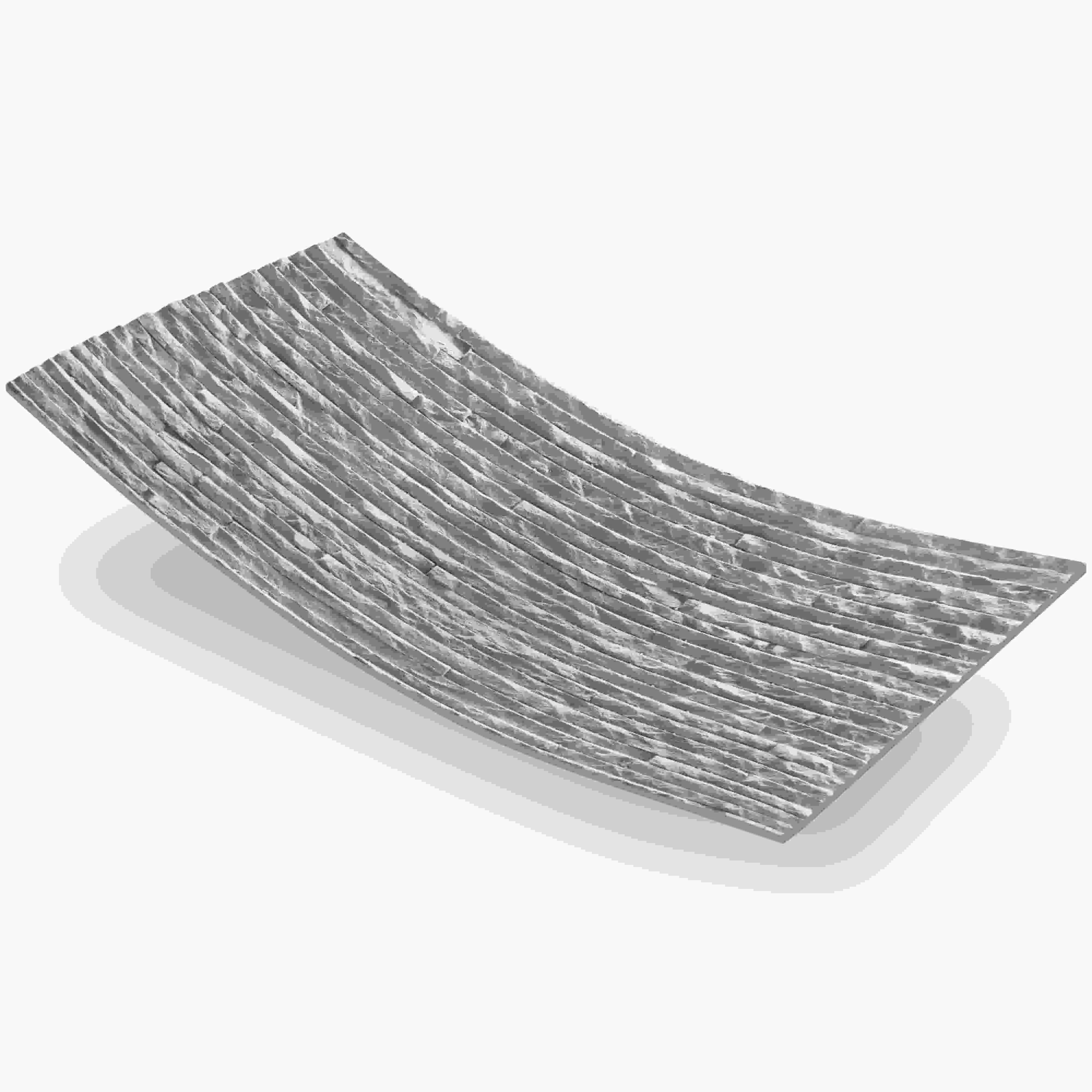
One of the biggest surprises about Muretto Stone (Light Grey) is how easy it is to install—even for DIY enthusiasts. Because it's lightweight, you don't need heavy machinery; just a few basic tools and a helper. The panels interlock snugly, and the flexible backing means they can adhere to curved surfaces without cracking. A professional installer can have a small wall up in a weekend, and a larger project might take a week—far faster than traditional stonework.
Caring for it is just as simple. A quick rinse with a hose every few months is usually enough to keep it clean. If you live in an area with heavy pollution or bird droppings, a soft brush and mild soap will do the trick. Unlike natural stone, it doesn't need sealing, and it resists mold and mildew—perfect for damp garden corners. One landscaper joked, "It's the kind of material even a plant killer can maintain."

I love hearing how materials change spaces, and Muretto Stone (Light Grey) has some great stories. Take Sarah, a retired teacher in Portland, who wanted to divide her large backyard into "rooms"—a play area for her grandchildren, a quiet reading nook, and a vegetable garden. She chose Muretto Stone (Light Grey) walls to separate these spaces, and now she talks about how the stone "feels like a gentle guide, not a strict boundary." The grandchildren climb on it (yes, it's durable enough!), she reads on a bench nearby, and the vegetables thrive against the wall's warmth. "It's not just a wall," she said. "It's part of our family."
Then there's Mark, a restaurant owner who added a Muretto Stone (Light Grey) wall to his outdoor patio. He paired it with string lights and potted olive trees, and customers now rave about the "European countryside vibe" right in the city. "It's become the backdrop for so many first dates and anniversary dinners," he told me. "People take photos of the wall like it's a landmark. Who knew a wall could be that popular?"
At the end of the day, a garden wall is more than just a structure. It's where your kids will carve their initials, where you'll lean to watch the stars, where your garden will grow and change with the years. Muretto Stone (Light Grey) doesn't just hold up a wall—it holds memories. It's nature and architecture, past and present, all wrapped into one material that feels both timeless and fresh.
So if you're dreaming of a garden wall that tells a story—yours—consider Muretto Stone (Light Grey). It's not just a choice of material; it's a choice to build something that will grow with you, that will turn your backyard into a place where nature and design dance together. And isn't that what a garden is all about?
Recommend Products












