
Home additions are a beautiful way to grow your space—whether you're adding a sunroom to soak up morning light, expanding the kitchen for family gatherings, or building a cozy guest suite. But here's the thing: all too often, these new spaces end up feeling like afterthoughts. The materials clash with your home's original exterior, the colors feel off, and suddenly that "addition" looks more like a awkward patch than a natural extension of your house. If you've ever winced at a neighbor's mismatched siding or a glaringly new brick wall next to weathered stone, you know exactly what I'm talking about. That's where Muretto Stone (Light Grey) comes in. It's not just another building material; it's a bridge between old and new, a way to make your home addition feel like it's always been there.
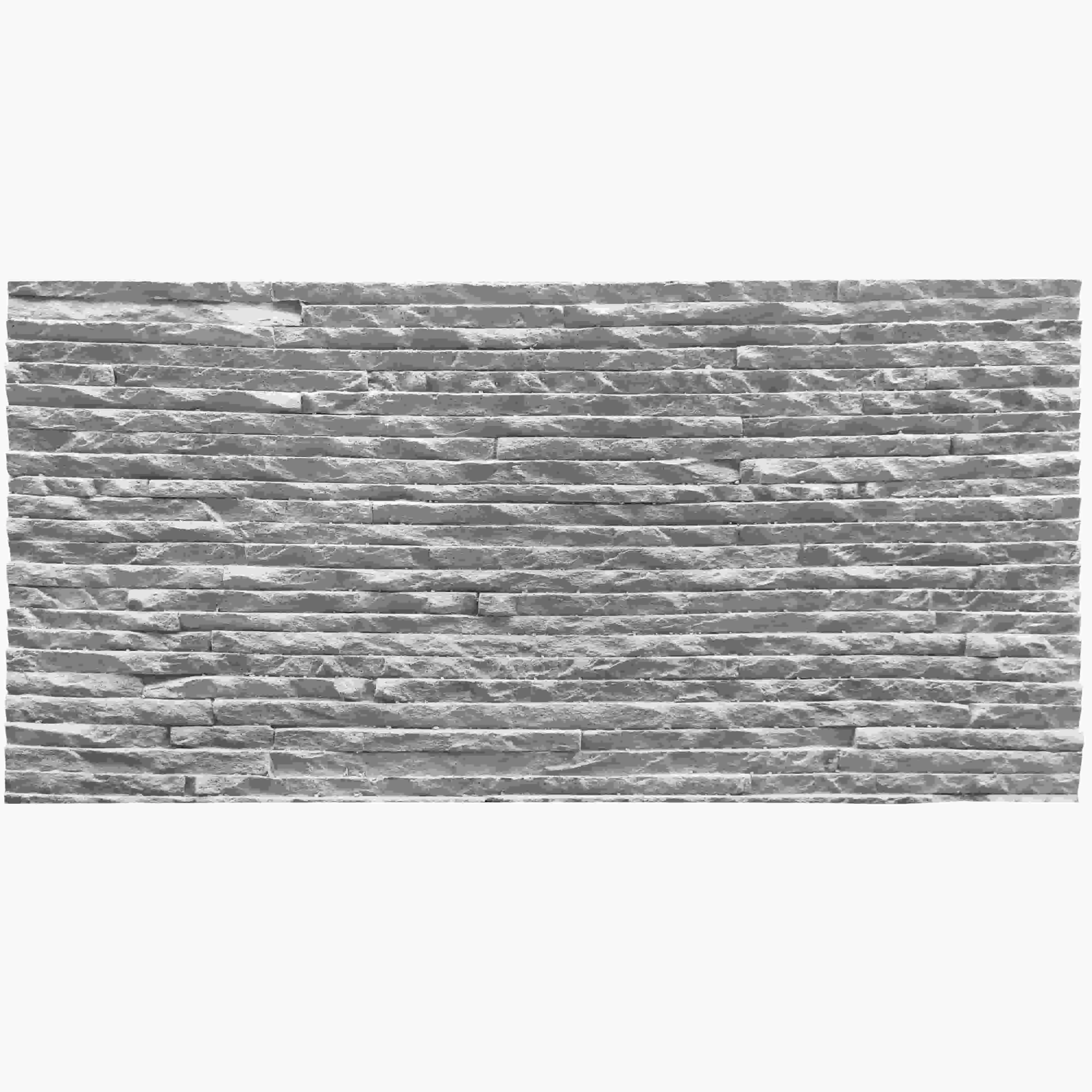
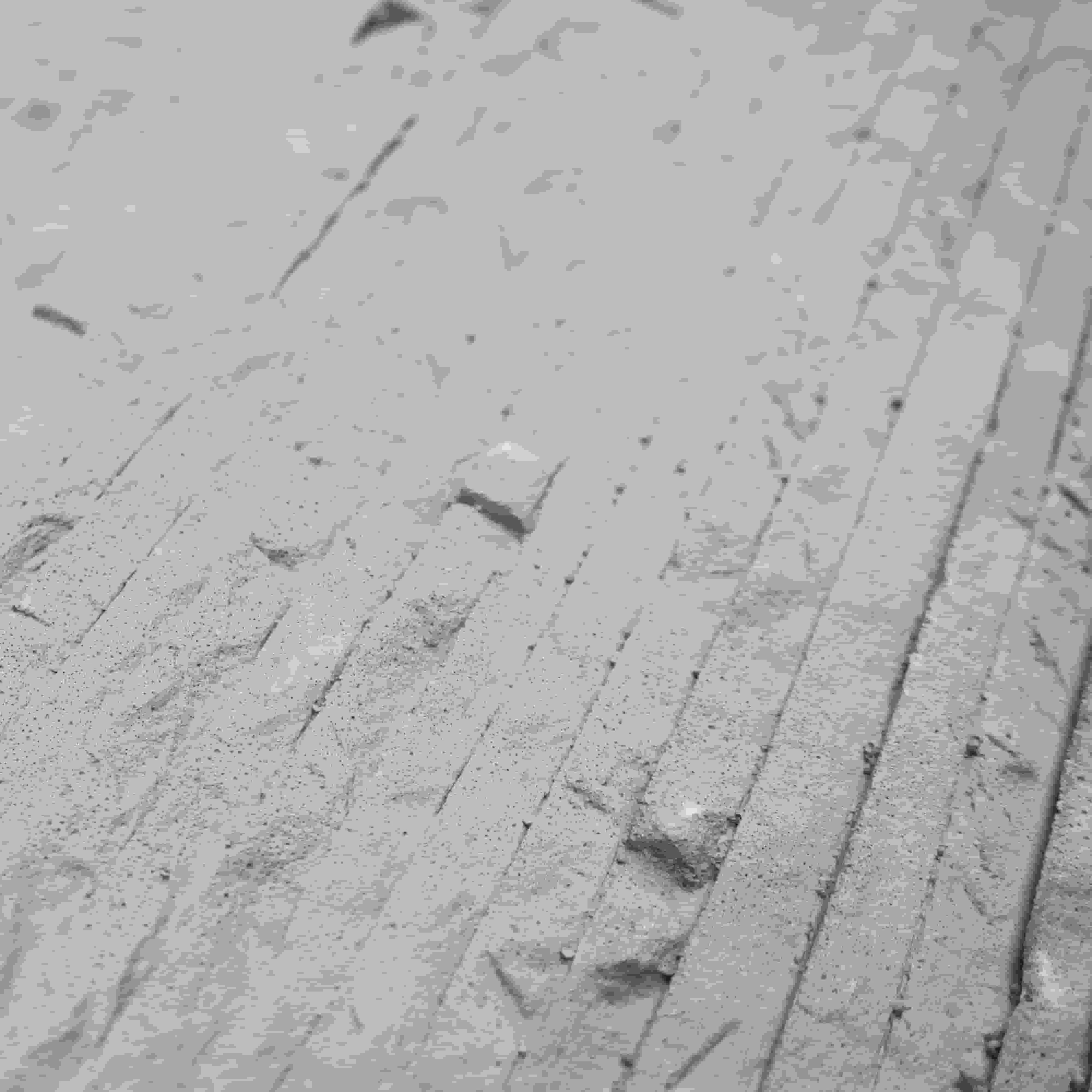
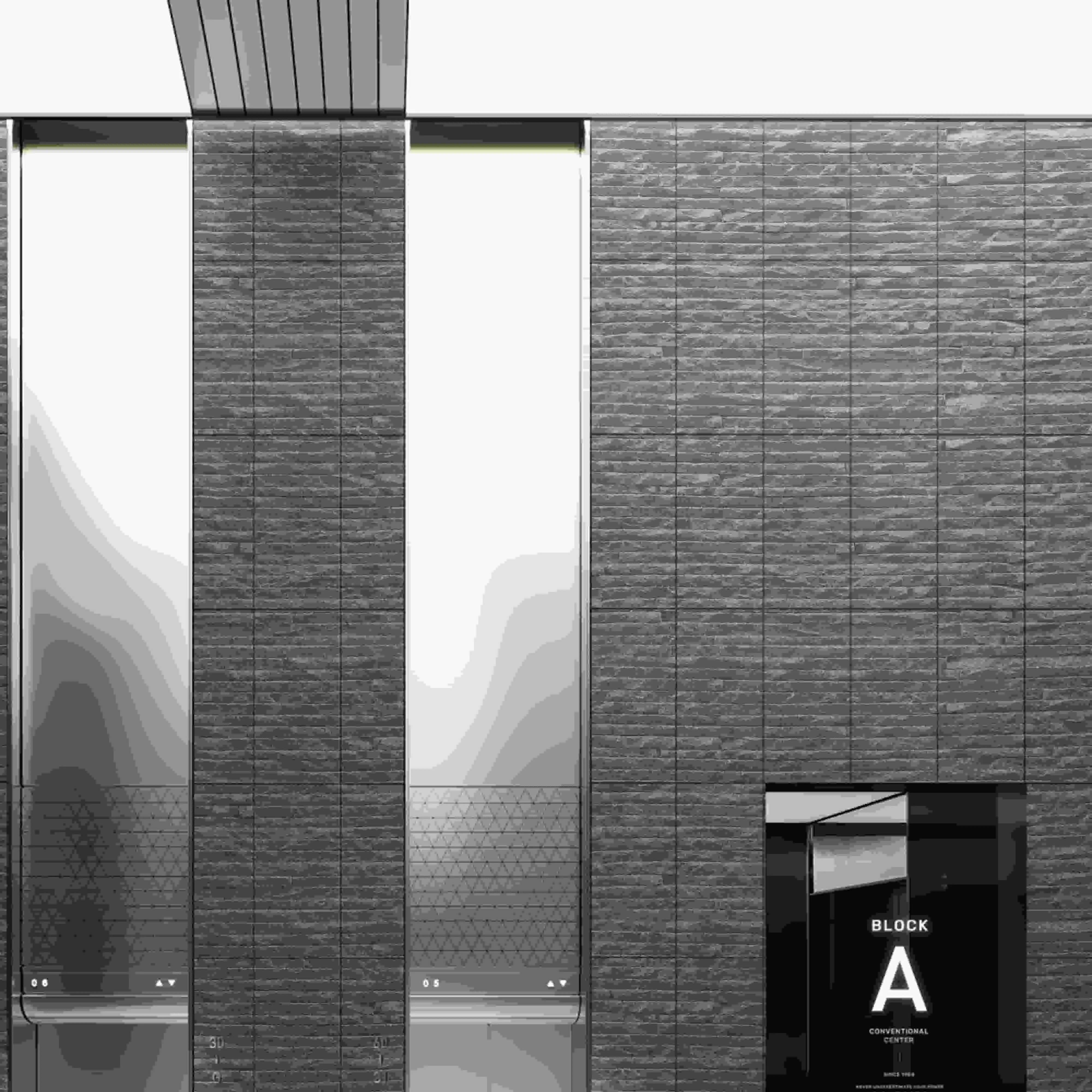
Let's start with the basics. Muretto Stone is part of a broader family of innovative building materials designed with both aesthetics and practicality in mind. The "light grey" variant, in particular, is a study in subtlety. Picture a soft, muted grey with gentle undertones that shift slightly in different lights—sometimes warm, sometimes cool, but never harsh. It's not the flat, uniform grey of cheap vinyl siding, nor is it the stark, industrial grey of some concrete panels. Instead, it has depth: tiny variations in texture, like the natural wear of stone that's been kissed by rain and wind for decades. Run your hand over it, and you'll feel a surface that's smooth yet tactile, with just enough grip to feel substantial, not slippery.
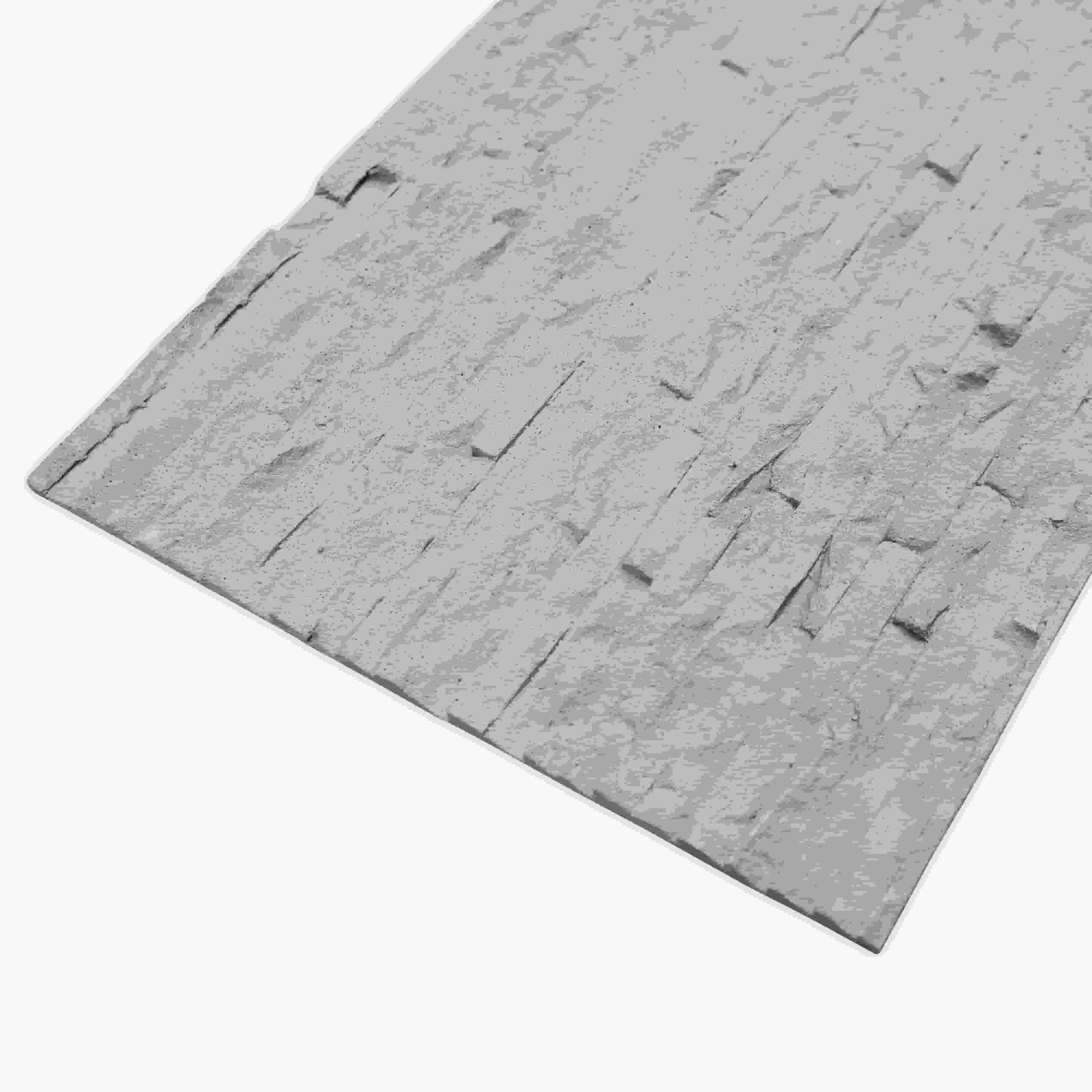
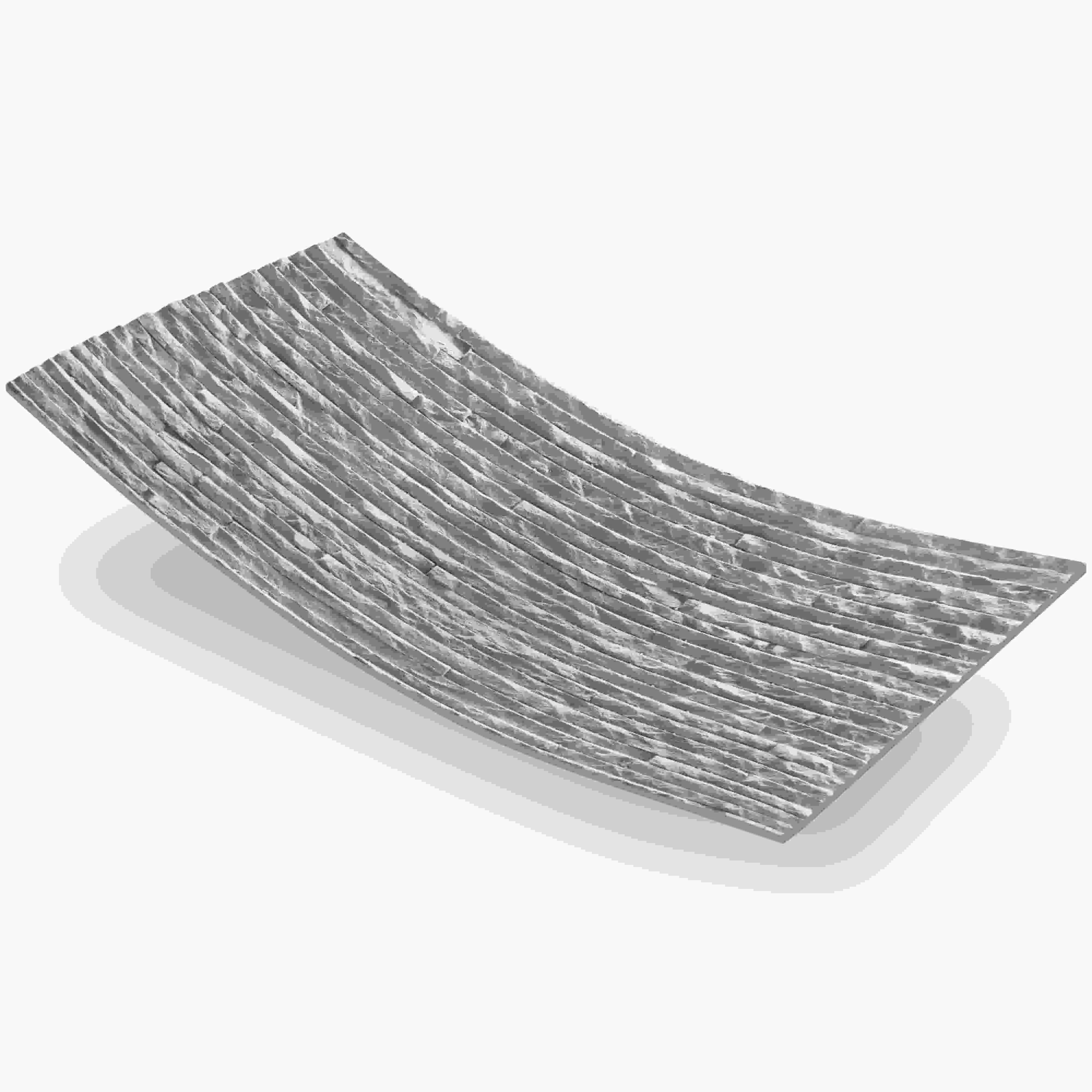
But what really sets Muretto Stone apart is its roots in MCM flexible stone technology. If you're not familiar with MCM, think of it as stone that's been given a "flexible" upgrade. Traditional stone is heavy, brittle, and hard to maneuver—great for foundations but tricky for additions where weight and adaptability matter. MCM flexible stone, though, is lightweight (we're talking a fraction of the weight of natural stone), thin, and surprisingly bendable. That means it can conform to curves, wrap around corners, and attach to a variety of surfaces without requiring massive structural support. For home additions, which often involve working with existing framing and uneven walls, that flexibility is a game-changer.
You might be thinking, "So it looks nice—why does 'seamless integration' matter so much?" Let me tell you a story. A friend of mine recently added a back porch to her 1920s cottage. She loved the original red brick exterior, so she ordered new red brick for the porch. But here's the kicker: modern brick is fired at higher temperatures, so the color was brighter, the texture smoother. From the street, you could spot the new porch a mile away—it looked like a red sticker slapped on a vintage postcard. Within a year, she repainted the entire exterior to match the new brick, and now her cottage has lost some of its original charm. All because the materials didn't integrate.
Seamless integration is about more than avoiding an eyesore. It's about preserving your home's character. When an addition blends in, it respects the history of the original structure. It also adds value—homes with additions that feel cohesive sell better than those with obvious mismatches. And let's not forget the emotional side: coming home to a space that flows naturally, where old and new feel like one, just feels… right. It's the difference between a house that feels "put together" and one that feels "patched up."
So, what makes Muretto Stone (Light Grey) such a pro at blending in? Let's break it down.
First, the color. Light grey is one of those chameleon colors that plays well with others. If your home's original exterior is lime stone(beige) , the soft grey of Muretto Stone won't clash—it'll complement the warmth of the beige, creating a gentle contrast that feels intentional. If you have weathered wood siding, the stone's texture mirrors the wood's natural grain, while the grey tones down the wood's richness without overwhelming it. Even if your house is white, light grey adds depth without making the addition look like a separate structure.
Second, the texture. Muretto Stone (Light Grey) isn't trying to mimic a specific type of stone perfectly—it's capturing the essence of aged stone. There are no fake "cracks" or forced "imperfections" here. Instead, the texture is organic: tiny pits, subtle ridges, and a matte finish that softens over time, just like natural stone. Compare that to, say, fair-faced concrete , which tends to have a sleek, modern look that can feel cold next to older materials. Muretto Stone, on the other hand, has a lived-in quality that helps it age in harmony with your home.
Third, the flexibility we mentioned earlier. Let's say your original home has a slightly uneven stone facade—common in older houses, where masons worked by hand, not machines. Traditional rigid materials (like brick or concrete blocks) would highlight those uneven spots, creating gaps or requiring extensive (and expensive) prep work to level the surface. MCM flexible stone, though, can flex and adapt. It can follow the contours of your existing walls, filling in small gaps naturally and creating a transition that's invisible to the untrained eye. It's like using a soft brush instead of a hard roller—you can blend the edges until they disappear.
I get it—you've got options. Maybe you're considering sticking with the same stone as your original house, or perhaps you've heard good things about historical pathfinders stone (another material designed for older homes). Let's put Muretto Stone (Light Grey) head-to-head with a few popular alternatives to see why it stands out.
| Material | Texture & Character | Compatibility with Older Homes | Installation Ease | Long-Term Durability |
|---|---|---|---|---|
| Muretto Stone (Light Grey) | Soft, varied grey with organic texture; ages naturally | Excellent—blends with stone, brick, wood, and lime stone(beige) | High (lightweight, flexible, minimal structural support needed) | Resistant to moisture, fading, and cracking; low maintenance |
| Lime Stone (Beige) | Warm, earthy beige with visible veining; classic look | Good, but color may clash with grey or cool-toned exteriors | Medium (heavier than Muretto; requires precise cutting) | Durable but porous—prone to staining if not sealed regularly |
| Fair-Faced Concrete | Sleek, uniform finish; modern, industrial vibe | Poor—often looks too "new" next to weathered materials | Low (heavy, requires formwork; hard to adjust on-site) | Very durable, but prone to cracking in freeze-thaw climates |
| Historical Pathfinders Stone | Replicates vintage stone textures; rich, deep colors | Very good for period-specific homes (e.g., Victorian, Colonial) | Medium (heavier than Muretto; may need custom cutting) | Durable, but color may fade faster than Muretto in direct sunlight |
The takeaway? Muretto Stone (Light Grey) isn't the only option, but it's the most versatile. It plays well with almost any existing material, installs without a headache, and holds up over time—all while looking like it belongs. If your home is a mishmash of styles (hello, 1970s ranch with a 1990s brick addition), Muretto Stone can act as a unifying element, tying everything together with its neutral palette.
Let's get practical. Muretto Stone (Light Grey) isn't just for exterior walls—it's surprisingly adaptable. Here are a few places where it really shines:
Sunrooms and Screened Porches: These spaces blur the line between indoors and outdoors, so the exterior material needs to look good from both sides. Muretto Stone (Light Grey) adds a cozy, earthy feel without blocking light (unlike dark stone or heavy wood). Plus, its moisture resistance means you won't have to worry about rain or humidity warping it over time.
Kitchen Extensions: Many homeowners add on to their kitchens to create open-concept spaces or larger dining areas. If your original kitchen has stone countertops or a brick backsplash, extending that aesthetic outside with Muretto Stone creates a seamless flow. Imagine stepping from your kitchen's stone floors onto a patio wrapped in the same light grey stone—it's like the space expands without skipping a beat.
Second-Story Additions: Weight is a huge concern here. Traditional stone can add tons of extra load to your home's foundation, requiring costly reinforcements. Muretto Stone, being lightweight, avoids that problem. I worked with a couple in Portland last year who added a second-story master suite; they used Muretto Stone (Light Grey) on the exterior, and you'd never guess it wasn't solid stone. Their contractor even commented that the installation was faster than using vinyl siding!
Outdoor Living Areas: Think fire pits, outdoor kitchens, or poolside cabanas. These spaces need to stand up to the elements, but they also need to feel inviting. Muretto Stone (Light Grey) holds up to rain, snow, and UV rays, and its non-slip texture is safer than polished stone around water. Plus, it pairs beautifully with wood accents—think a wooden pergola draped in vines next to Muretto Stone walls. Stunning.
One of the biggest myths about "nice" building materials is that they require a army of specialized contractors. Not Muretto Stone. While I always recommend hiring a pro for major structural work, the installation process itself is surprisingly straightforward—especially compared to natural stone or even brick.
First, the prep work. Your existing wall or framing needs to be clean and relatively smooth, but it doesn't have to be perfect. Remember, Muretto Stone is flexible, so minor bumps or unevenness can be worked around. Unlike tile, which requires a perfectly flat surface, Muretto Stone can conform to slight curves. The panels come in manageable sizes (usually 2x4 feet or similar), so you won't be wrestling with giant slabs. They're also lightweight enough that one person can carry them—no need for a crane or extra helpers.
Next, the attachment. Most installers use a strong, weather-resistant adhesive specifically designed for MCM materials. It's applied directly to the back of the stone panels, which are then pressed into place. For extra security, especially on exteriors, small mechanical fasteners (like screws with color-matched heads) can be used, but they're usually hidden in the grout lines or natural texture of the stone. No ugly nails sticking out here.
The best part? Since the panels are thin and flexible, cutting them is a breeze. A standard circular saw with a masonry blade works, or even a utility knife for smaller cuts. This is a big deal for home additions, where you often have odd angles or custom dimensions (like around windows or doors). You won't be stuck with pre-cut sizes that leave gaps or require awkward filler pieces.
Let's be real: no one wants to spend weekends power-washing or sealing their home's exterior. Muretto Stone (Light Grey) is designed for low-maintenance living. Its surface is non-porous, which means dirt, mold, and mildew have a hard time sticking. A quick rinse with a garden hose once or twice a year is usually enough to keep it looking fresh. Unlike lime stone(beige) , which can stain if you spill coffee or wine on it, Muretto Stone resists most common stains. And because it's UV-stable, it won't fade or turn pinkish in the sun—something that happens to cheaper grey siding over time.
I should note that, like any exterior material, it's not completely indestructible. If you live in an area with extreme hailstorms, you might see a few small dents, but they'll blend into the stone's natural texture. And if a panel does get damaged (say, from a wayward baseball), replacing it is easy—just peel off the old panel, apply new adhesive, and pop the new one in. No need to redo the entire wall.
At the end of the day, choosing Muretto Stone (Light Grey) for your home addition isn't just about picking a color or a texture. It's about embracing a mindset: that your home's new spaces should honor its past while creating room for your future. It's about saying, "I want this addition to feel like it was meant to be here, not just bolted on."
I've seen homeowners cry when they see their finished addition for the first time—not because it's perfect, but because it feels like home. One client, a retired teacher in Vermont, added a small library to her 1800s farmhouse. She'd worried the new space would ruin the home's historic charm, but with Muretto Stone (Light Grey) blending with the original fieldstone, it looked like the library had been there since the day the house was built. "It's like the house was waiting for this room," she told me. That's the magic of seamless integration.
So if you're planning a home addition, don't settle for "good enough." Don't let your new space be the one that makes people tilt their heads and say, "Hmm, when did they add that?" Choose materials that bridge old and new, that respect your home's story while writing the next chapter. Choose Muretto Stone (Light Grey). Your home (and your future self) will thank you.
Recommend Products












