
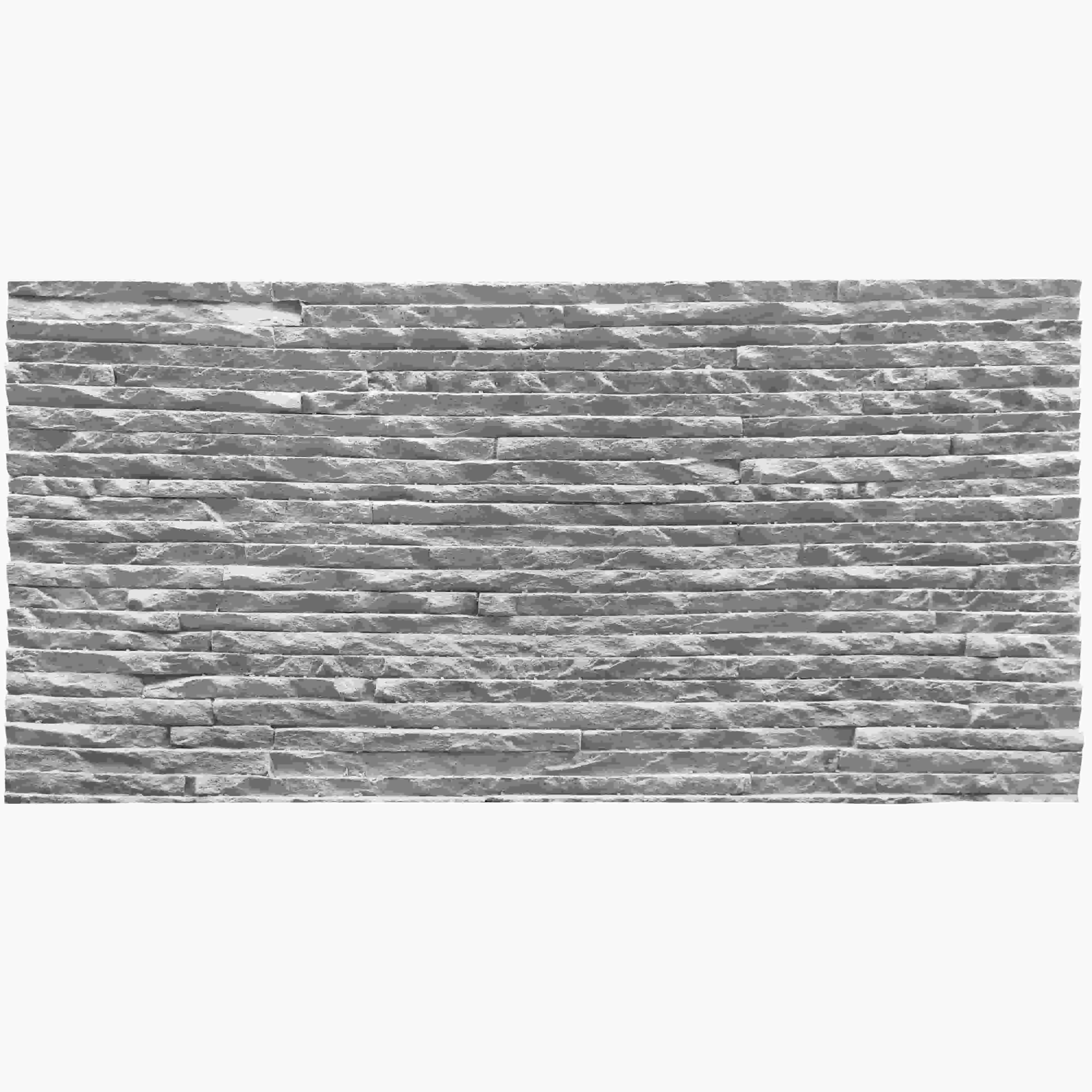
Drive through Riyadh in July, and the world feels like it's been baked to a crisp. The sun hangs low and fierce, turning asphalt into a shimmering mirage, and buildings—once sleek and modern—start to show signs of battle: a faded facade here, a hairline crack there. In Saudi Arabia, where summer temperatures regularly climb past 45°C, where sandstorms whip abrasive grit across cities, and where UV radiation is so intense it can bleach colors in months, building materials don't just need to look good—they need to survive a daily onslaught. That's where Muretto stone (light grey) comes in. More than just a pretty face, this cladding solution is engineered to thrive where other materials falter, making it a quiet revolution for architects and developers across the Kingdom.
To appreciate why Muretto stone (light grey) matters, you first need to understand the enemy: Saudi Arabia's unique climate. It's not just "hot"—it's a cocktail of extremes that test every inch of a building's exterior.
Take temperature, for starters. In inland cities like Riyadh or Buraydah, summer days often hit 50°C, while nights can drop to 25°C—a swing of 25°C in 12 hours. That kind of thermal expansion and contraction is brutal for rigid materials; over time, concrete cracks, stone tiles loosen, and paint peels. Then there's the sun's UV radiation, which breaks down chemical bonds in pigments, turning vibrant facades into dull shadows of their former selves. In coastal Jeddah, humidity adds another layer of stress, encouraging mold growth and corroding metal fixtures hidden behind cladding.
But perhaps the most underrated threat is sand. Saudi's sandstorms aren't gentle breezes—they're high-speed gusts carrying tiny, sharp grains of silica that act like sandpaper. Over months, they can wear down even the toughest surfaces, leaving pockmarks and exposing weaker layers beneath. Traditional materials like limestone or marble, while beautiful, often struggle here: limestone absorbs moisture and stains easily, while marble is prone to etching from sand abrasion.
The result? Buildings that require constant maintenance—repainting every few years, replacing cracked tiles, pressure-washing away sand damage. For developers and facility managers, that's not just a hassle; it's a drain on budgets and sustainability goals. So when a material like Muretto stone (light grey) promises to stand up to all this? It's not just a selling point—it's a lifeline.
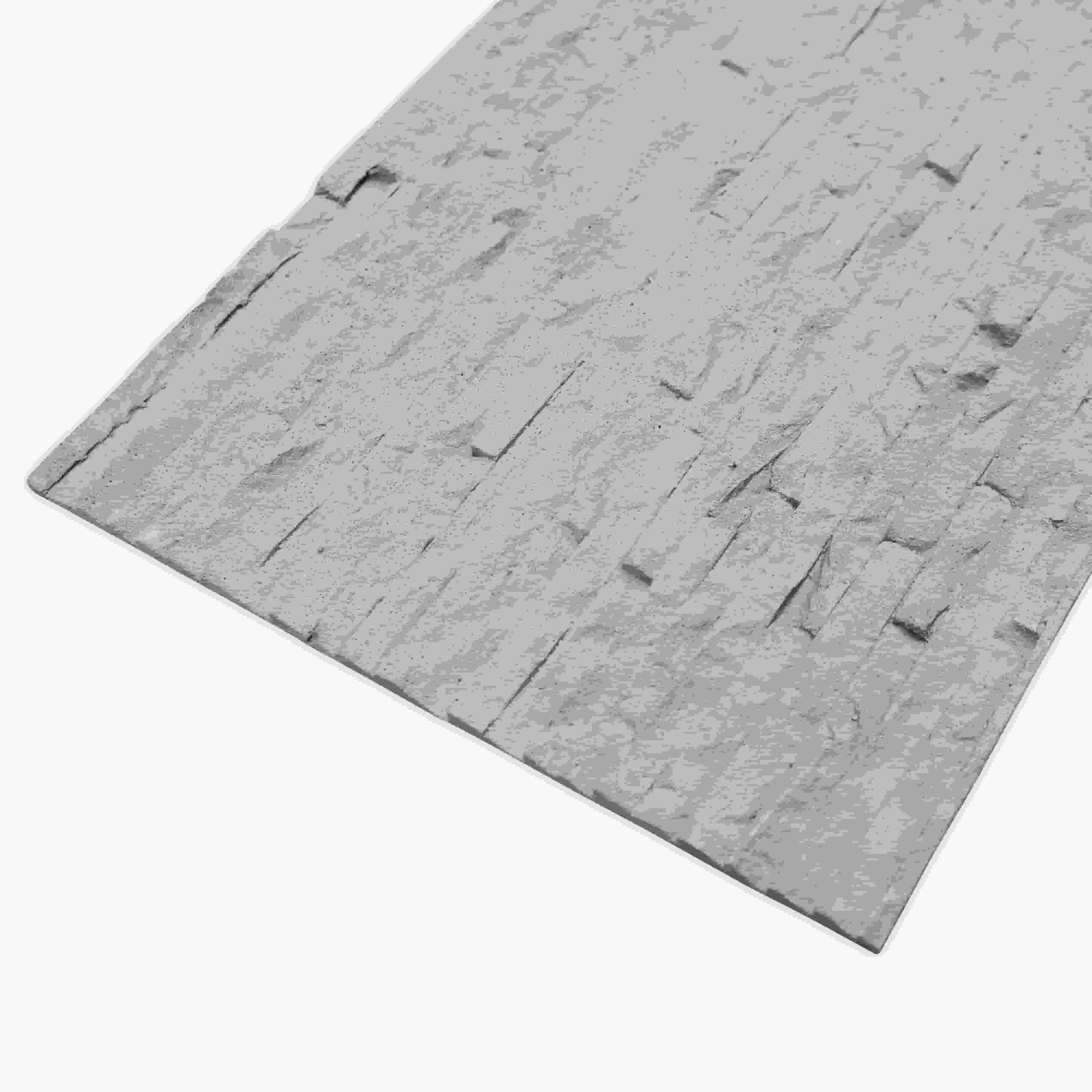
At its core, Muretto stone (light grey) is part of the MCM (Modified Composite Material) family—a category of building materials designed to blend the best of natural stone and modern engineering. Think of it as stone, but smarter. Unlike solid marble or granite, which are heavy and prone to cracking, Muretto stone is a composite: a mix of natural stone aggregates (like crushed travertine or limestone), high-performance polymers, and reinforcing fibers, all compressed into thin, flexible panels.
The "light grey" variant, in particular, is a study in practical elegance. Its soft, neutral tone isn't just trendy—it's functional. Light colors reflect sunlight rather than absorbing it, which helps keep building exteriors (and interiors) cooler. But what really sets it apart is its structure. These panels are thin (often 3-5mm thick), lightweight (around 4-6 kg/m²), and surprisingly flexible. That flexibility is key in Saudi's climate: when the temperature spikes, the panels expand slightly without warping; when it cools, they contract gently, avoiding the stress that snaps rigid materials.
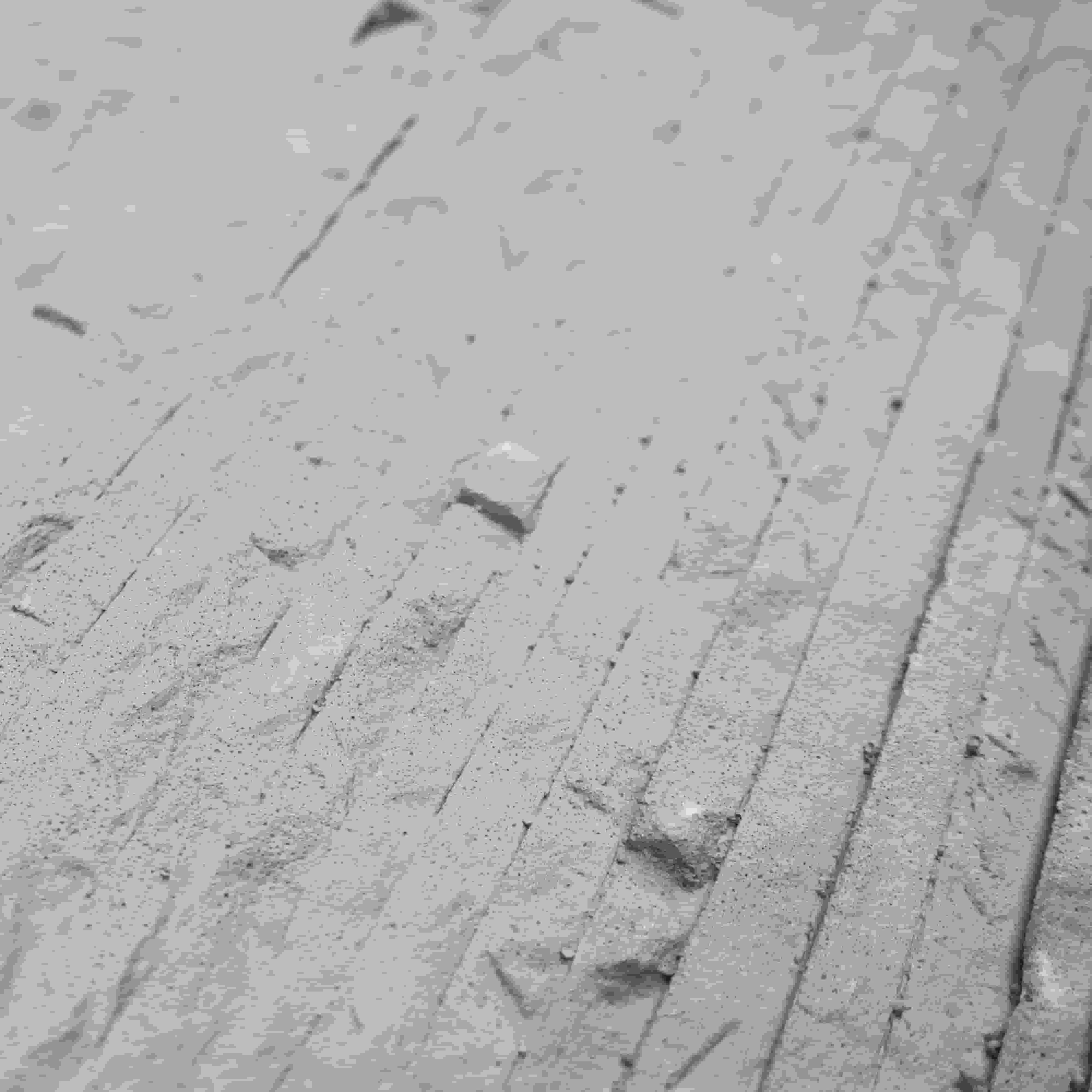
And yes, it looks like real stone. Run your hand over it, and you'll feel the subtle texture—the tiny pits and grains that mimic quarried stone—without the weight or brittleness. For architects aiming for that timeless, earthy aesthetic without the maintenance headache, it's a dream come true.
So, what exactly makes Muretto stone (light grey) a standout for Saudi projects? Let's break down its superpowers:
1. Thermal Shock Resistance: Remember that 25°C temperature swing we talked about? Muretto stone laughs it off. Its composite structure handles expansion and contraction without weakening, so you won't see the cracks that plague concrete or solid stone cladding.
2. UV and Color Stability: The pigments in Muretto stone (light grey) are mixed into the material, not just painted on. Combined with UV-resistant polymers, this means the color holds fast—no fading, even after years of Saudi sun. Unlike traditional paint, which might need a refresh every 2-3 years, Muretto stone's hue stays true for decades.
3. Sandstorm Survival: Those abrasive sand grains? They bounce off. The panels are coated with a protective layer that resists scratching and pitting, so even after a season of storms, the surface stays smooth and unmarked.
4. Low Maintenance, High Durability: No need for regular sealing, repainting, or pressure washing. A quick hose-down now and then is all it takes to keep Muretto stone (light grey) looking fresh. And because it's lightweight, it puts less stress on building structures, reducing the risk of sagging or detachment over time.
5. Water and Moisture Resistance: Even in humid coastal areas like Jeddah, Muretto stone doesn't absorb water. That means no mold, no mildew, and no staining from rain or dew—common issues with porous materials like traditional limestone.
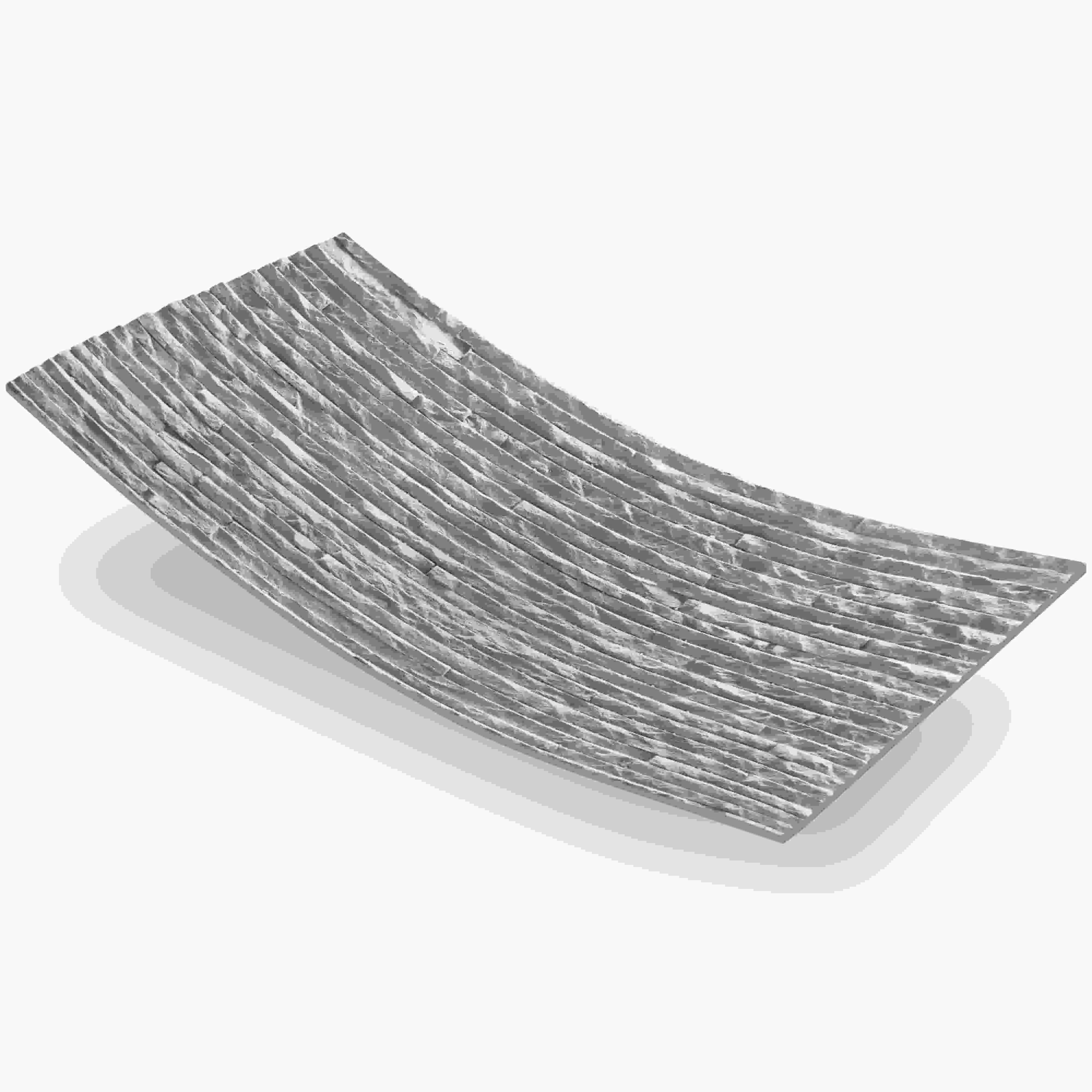
Muretto stone isn't a one-trick pony. The line includes Muretto stone (dark grey) and Muretto stone (beige) too, each with its own strengths. But for Saudi's desert climate, light grey often comes out on top. Let's compare:
| Feature | Muretto Stone (Light Grey) | Muretto Stone (Dark Grey) | Muretto Stone (Beige) |
|---|---|---|---|
| Heat Reflection | High (reflects 60-70% of sunlight) | Medium (absorbs more heat) | Medium-High (warmer tone but still reflective) |
| UV Color Retention | Excellent (light pigments resist fading) | Very Good (darker pigments fade slower than paint, but may show dust more) | Excellent (neutral tone masks minor fading) |
| Visibility of Dust/Sand | Less visible (light color hides dust between cleanings) | More visible (dark surface shows dust and sand clearly) | Moderate (beige blends with desert dust) |
| Best For | Inland cities (Riyadh, Buraydah) with extreme heat | Modern, sleek designs in cooler highlands (Abha) | Traditional or earth-toned projects (Al Ula, historical districts) |
For most Saudi projects, especially in sun-baked inland areas, Muretto stone (light grey) is the practical choice. Its heat reflection alone can lower indoor cooling costs by 10-15%—a big deal in a country where AC bills are a major expense. And since dust and sand are less visible on light grey, buildings stay looking cleaner longer, even in the thick of sandstorm season.
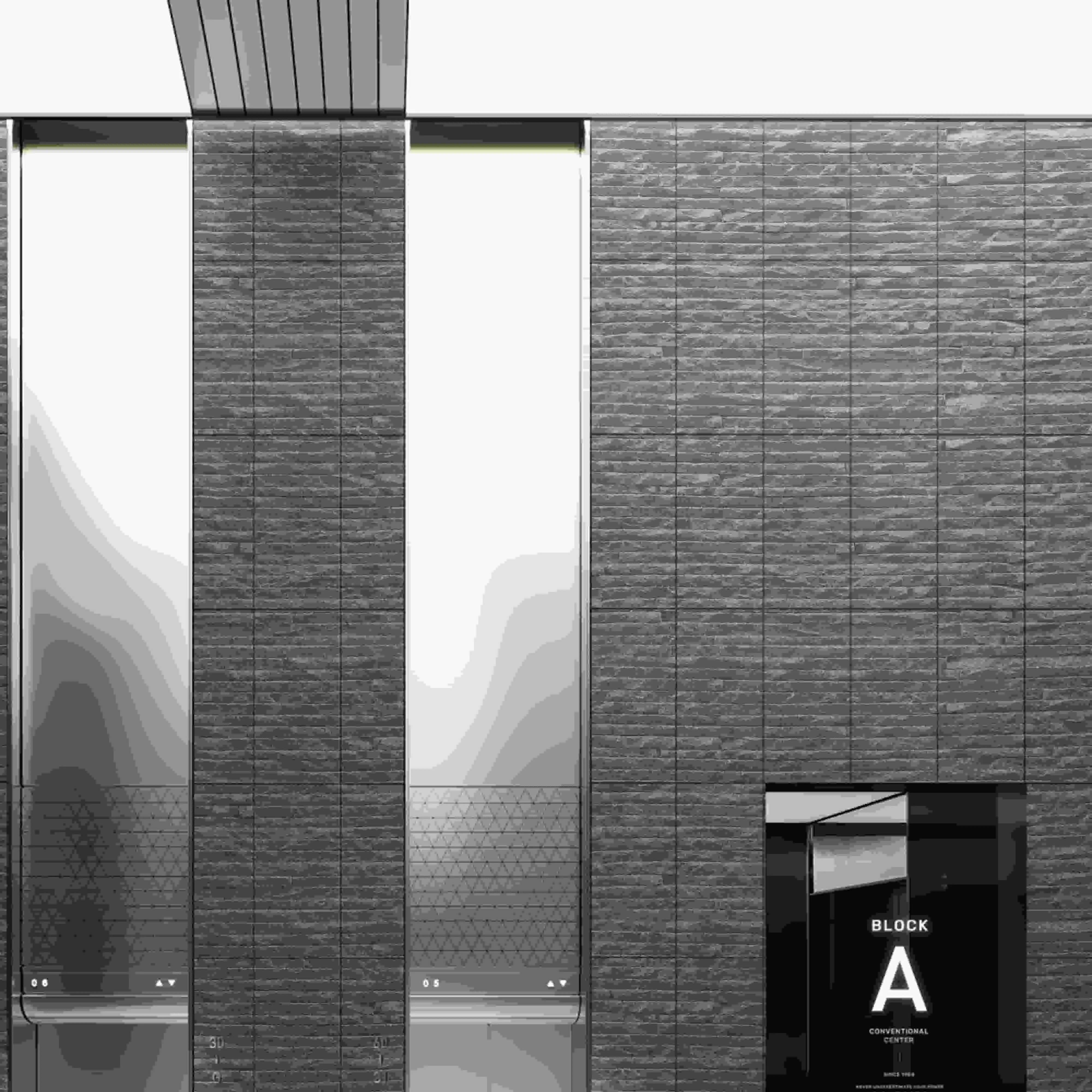
Talk is cheap—so let's look at where Muretto stone (light grey) has already proven itself in Saudi Arabia. Take the Al Khobar Tech Hub, a sprawling complex of offices and co-working spaces built in 2020. Its exterior is clad in light grey Muretto panels, and three years later, the facade still looks as crisp as the day it opened. "We were worried about sandstorms and UV damage," says project architect Lina Al-Mansoori. "But after two summers, there's zero fading, no cracks, and even the cleaning crew says it's easier to maintain than the concrete panels we used on the annex."
Then there's the Riyadh Green Residences, a mid-rise apartment building in the city's northern district. Here, developers chose light grey Muretto stone for its energy efficiency. "Our residents report their AC runs 20% less in summer compared to similar buildings with dark cladding," notes property manager Fahad Al-Saud. "That's a big selling point—lower utility bills and a cooler home."
Even in coastal Jeddah, where humidity is higher, Muretto stone shines. The Jeddah Marina Walk retail complex used light grey panels on its outdoor promenade, and despite salt air and occasional rain, the cladding remains free of rust or water damage. "We expected to replace panels after 5 years," says engineer Omar Khalid, "but they're still in great shape. It's saved us a fortune in maintenance."
Saudi Arabia isn't just building for today—it's building for the future. The Kingdom's Vision 2030 prioritizes sustainability, with green building certifications like LEED and Estidama becoming increasingly common. Muretto stone (light grey) fits right into this vision, thanks to its eco-friendly credentials.
First, its lightweight design reduces transportation costs and carbon emissions. A single truck can carry 10 times more Muretto panels than solid stone tiles, cutting fuel use during delivery. Then there's its durability: longer-lasting materials mean less frequent replacements, reducing waste. And since Muretto stone is made with recycled stone aggregates (up to 30% in some variants), it minimizes the need for quarrying new stone—a major plus for reducing environmental impact.
Perhaps most importantly, its thermal efficiency supports energy conservation. By reflecting heat and reducing cooling needs, buildings clad in Muretto stone use less electricity—a critical factor in a country where power generation is still largely fossil fuel-dependent. For developers chasing green certifications, these benefits add up fast.
In Saudi Arabia, building isn't just about creating spaces—it's about creating spaces that last. The desert doesn't care about trends or quick fixes; it rewards materials that respect its power. Muretto stone (light grey) does exactly that. It's tough enough to laugh off sandstorms, smart enough to beat the heat, and elegant enough to elevate any design—whether it's a modern office tower in Riyadh or a boutique hotel in Al Ula.
So the next time you drive through a Saudi city and spot a building that looks fresh, cool, and unbowed by the sun, take a closer look. Chances are, it's wearing Muretto stone. And in a climate this harsh, that's the highest compliment a building material can get.
Recommend Products












