
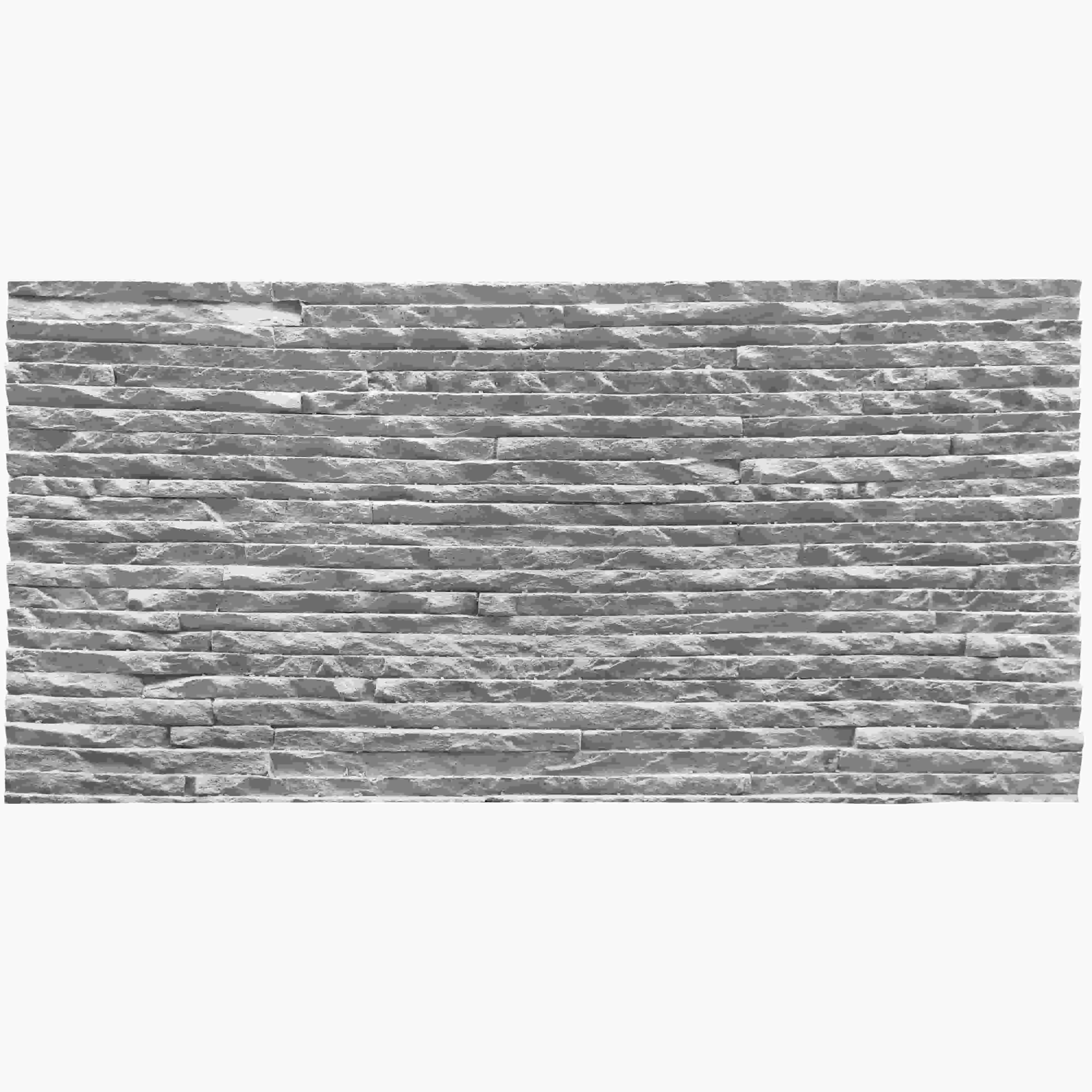
Exploring the material shaping modern Saudi homes with tradition and innovation
Saudi Arabia's architectural landscape is in the midst of a beautiful transformation. For decades, the kingdom's built environment was defined by stark contrasts: the timeless mud-brick structures of rural villages, the grand sandstone palaces of Riyadh's old quarters, and the sleek glass-and-steel skyscrapers of its modern cities. Today, however, there's a growing desire to bridge these worlds—to create homes that honor heritage while embracing the comforts and aesthetics of contemporary living. At the heart of this shift is a material that feels both familiar and fresh: Muretto stone. And among its variants, Muretto stone (light grey) has emerged as a quiet favorite, quietly redefining what Saudi residences look and feel like.
Walk through a new residential development in Jeddah, Riyadh, or Dammam, and you'll spot it: walls clad in a soft, textured grey that catches the light in a way that feels neither cold nor industrial. It's a material that invites touch, that tells a story of craftsmanship, yet fits seamlessly into open-concept layouts and minimalist designs. This is Muretto stone (light grey), and its rise in Saudi homes isn't just a trend—it's a reflection of how the kingdom's homeowners are reimagining "home" itself.
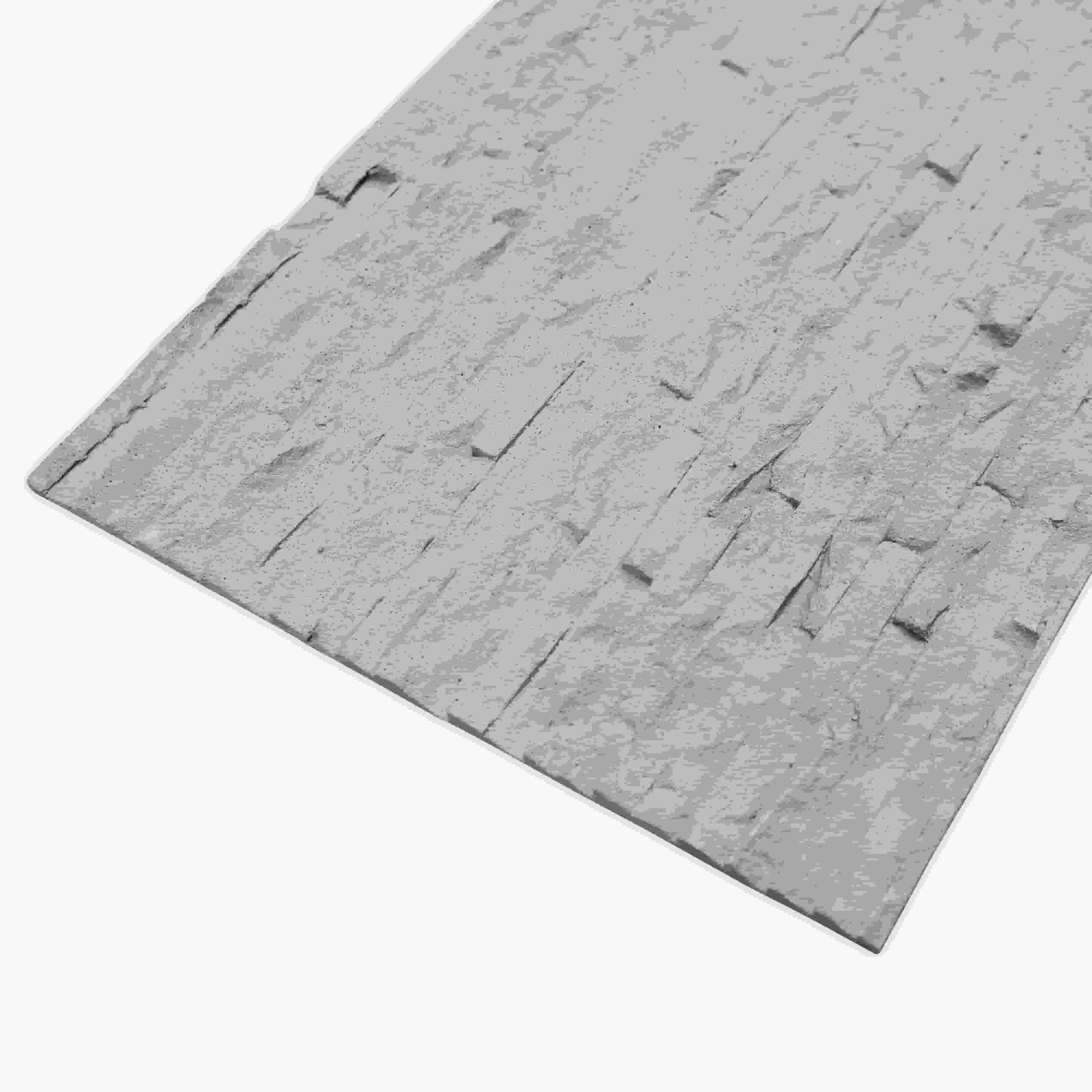
To understand why Muretto stone has become a staple in Saudi residences, it helps to look at the broader context of material choices in the region. For years, natural stone—like marble and granite—dominated luxury homes, but their weight, cost, and high maintenance made them impractical for many. Then came synthetic alternatives, but they often lacked the warmth of natural materials, leaving homeowners feeling disconnected from the earthy, organic textures that have defined Saudi design for centuries.
Enter MCM flexible stone—a category of cladding materials that combines the look and feel of natural stone with the flexibility and durability of modern composites. Muretto stone, a standout in this category, is engineered to mimic the rugged charm of traditional masonry without the drawbacks. Its name, derived from the Italian word for "small wall," hints at its heritage: it evokes the hand-laid stone walls of Mediterranean villages, yet it's been reimagined for the demands of 21st-century living. In Saudi Arabia, where "heritage with a twist" is the design mantra, this blend of old and new has struck a chord.
Muretto stone (light grey), in particular, has gained traction for a simple reason: it works. In a country where temperatures soar, light-colored materials reflect sunlight, keeping interiors cooler and reducing reliance on air conditioning. Its neutral palette acts as a blank canvas, allowing homeowners to layer in the rich, warm tones—deep browns, burnt oranges, and gold accents—that are staples of traditional Saudi decor. And unlike stark white or black, light grey feels soft, inviting, and versatile, whether used in a minimalist villa or a more ornate family home.
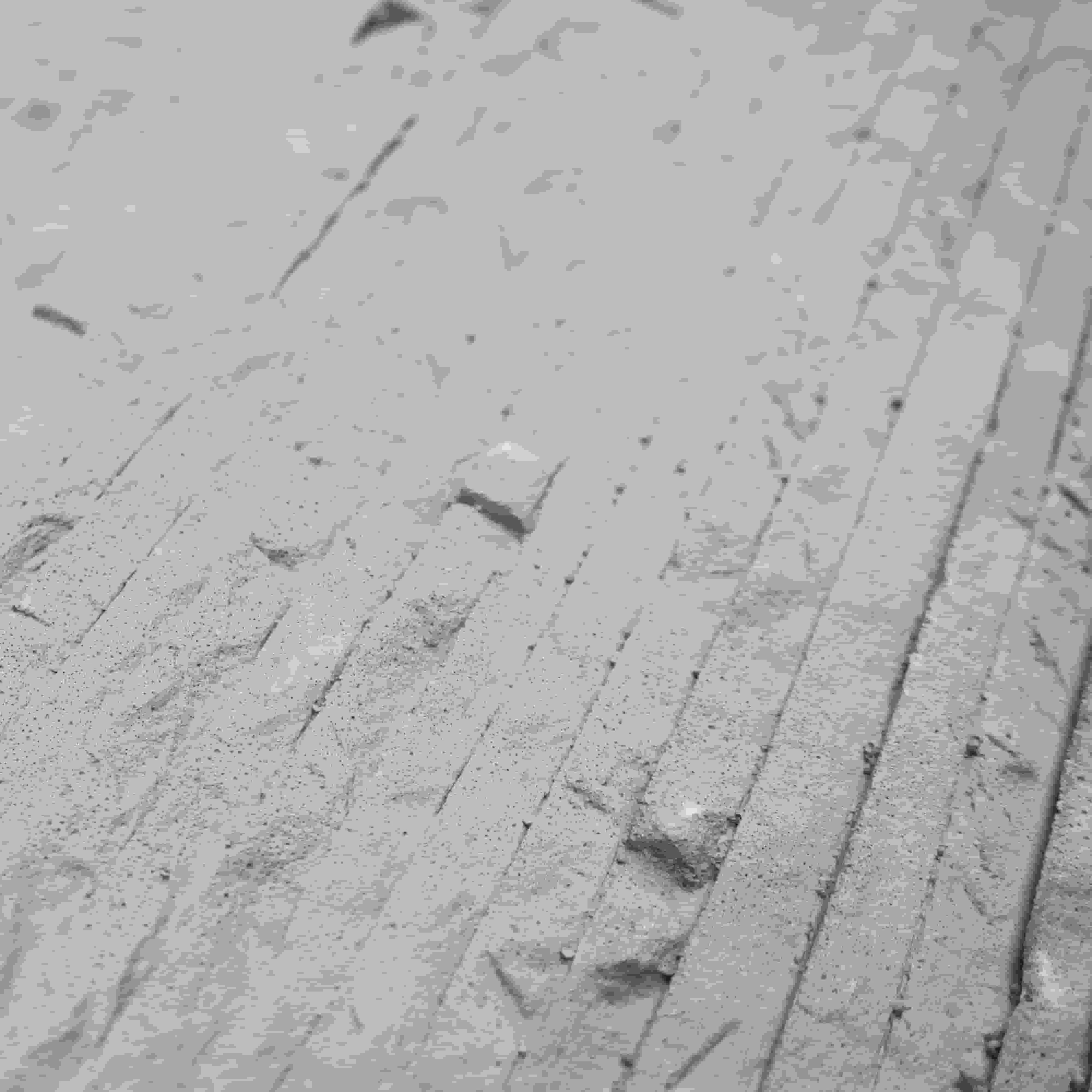
At first glance, Muretto stone (light grey) might seem like just another building material, but a closer inspection reveals why it's become a designer favorite. Let's start with texture: unlike smooth, polished stone, Muretto has a gently undulating surface, with tiny pits and ridges that catch the light. It's not rough enough to feel unrefined, nor so smooth that it feels sterile—just the right balance to add depth without overwhelming a space. Run your hand over it, and you'll notice a subtle grit, a reminder of its connection to natural stone.
Then there's its color. Muretto stone (light grey) isn't a flat, uniform grey; it has undertones of taupe and beige that warm it up, preventing it from feeling cold. In the harsh Saudi sunlight, it glows with a soft, diffused light, while in the evening, under warm indoor lighting, it takes on a cozy, earthy hue. This chameleon-like quality makes it adaptable to different times of day and different spaces, from sun-drenched courtyards to dimly lit bedrooms.
Durability is another key factor. Saudi Arabia's climate—hot, dry, and prone to sandstorms—can be tough on building materials, but Muretto stone (light grey) holds up. As part of the MCM flexible stone family, it's resistant to fading, cracking, and moisture, making it suitable for both interior and exterior use. It's also lightweight, which means it can be installed on walls that might not support heavier natural stone, opening up design possibilities in older homes or apartments.
Perhaps most importantly, Muretto stone (light grey) feels intentional. In a world of mass-produced materials, its slightly imperfect, handcrafted look adds character. It doesn't scream for attention; instead, it creates a sense of calm, a backdrop that lets the people and stories of the home take center stage. For Saudi families, who often gather in large groups and value hospitality, this understated elegance is a perfect fit.
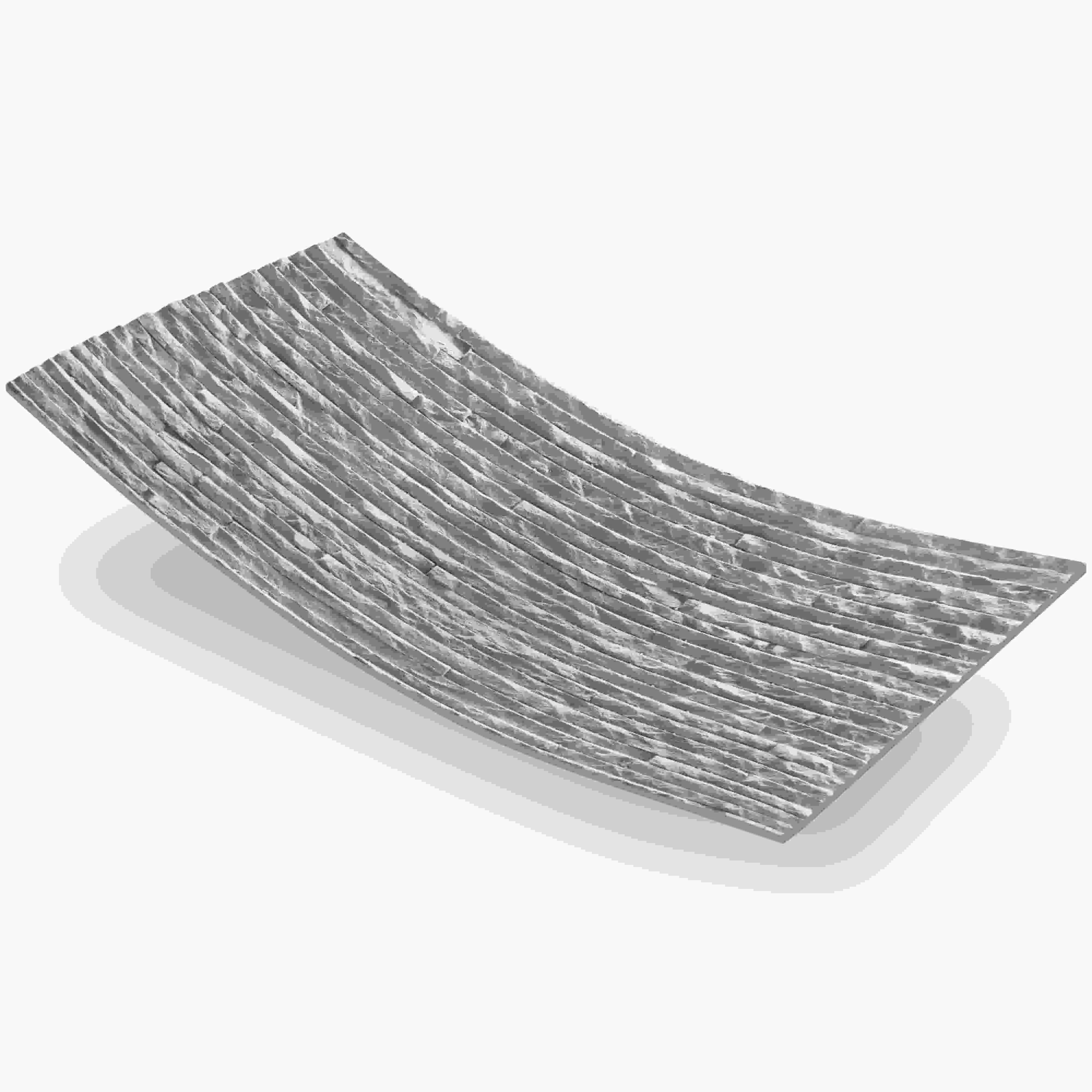
Saudi residential design today is all about balance: honoring the past without being trapped by it, embracing modernity without losing soul. Muretto stone (light grey) has become a linchpin in this balance, thanks to its ability to complement two of the biggest trends in Saudi homes: "heritage modernism" and "indoor-outdoor living."
Heritage modernism is exactly what it sounds like: modern spaces infused with traditional elements. Think open-concept living rooms with floor-to-ceiling windows, paired with carved wooden screens (a nod to mashrabiya) and Muretto stone (light grey) accent walls. The stone's texture echoes the rough-hewn sandstone of old Saudi forts, while its light color keeps the space feeling airy and current. Designers often pair it with brass fixtures or gold-leaf accents—traditional symbols of hospitality and luxury in Saudi culture—to create a look that feels both rooted and refined.
Indoor-outdoor living, meanwhile, is a necessity in a country where the climate encourages spending time outdoors for much of the year. Muretto stone (light grey) shines here, too. It's equally at home on exterior facades, where it withstands the elements, and on interior walls, creating a seamless flow between spaces. Imagine a villa with a Muretto-clad courtyard wall that extends into the kitchen, blurring the line between inside and out. Add potted date palms and a water feature, and you've got a space that feels like an oasis—something deeply resonant in Saudi culture.
Another trend Muretto stone (light grey) supports is "quiet luxury." In a shift away from overt opulence, Saudi homeowners are gravitating toward quality materials that speak for themselves. Muretto's subtle texture and neutral color embody this ethos: it's luxurious not because it's flashy, but because it feels timeless and well-crafted. It pairs beautifully with other understated materials, like travertine (beige) or fair-faced concrete, creating spaces that feel sophisticated without being overdone.
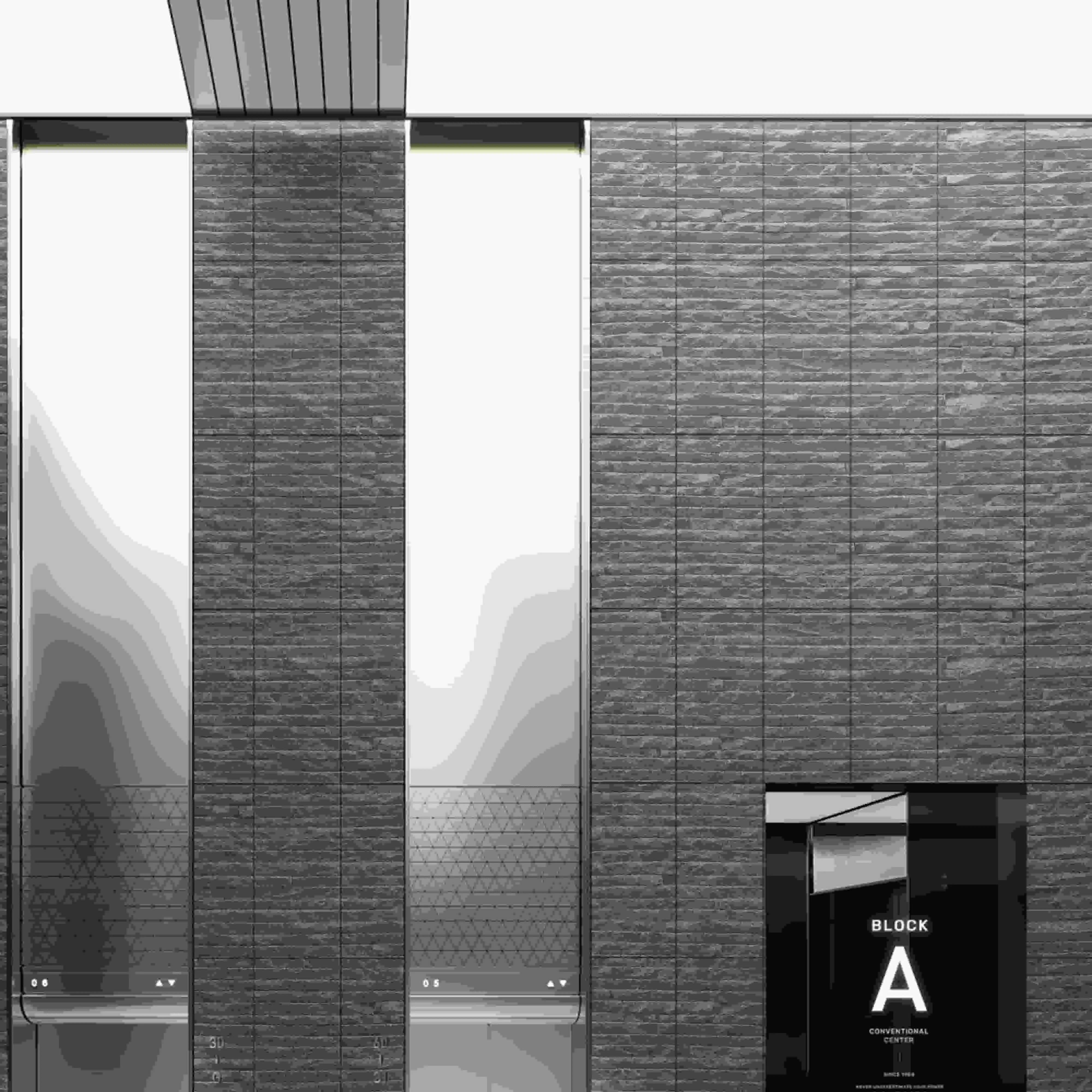
The versatility of Muretto stone (light grey) means it can be used just about anywhere in a home, but there are a few spots where it truly shines. Let's break down the most popular applications:
In Saudi Arabia, the exterior of a home is a statement of pride, and Muretto stone (light grey) makes a subtle yet striking one. Its light color reflects the sun, keeping the building cool, while its texture adds visual interest without overwhelming the landscape. Many homeowners opt for full Muretto cladding, while others use it as an accent, pairing it with wood or metal for a modern twist. Either way, it gives homes a welcoming, established feel—like they've been part of the landscape for years, even if they're brand new.
An accent wall can transform a room, and Muretto stone (light grey) is perfect for the job. In living rooms, it often serves as a backdrop for a TV or a fireplace, adding texture without competing with furniture. In bedrooms, it creates a cozy, cave-like feel, especially when paired with warm lighting. And in entryways, it sets the tone for the entire home—inviting, elegant, and grounded.
Kitchens and bathrooms demand materials that are both durable and stylish, and Muretto stone (light grey) delivers. In kitchens, it's used as a backsplash, adding texture to an otherwise sleek space. In bathrooms, it's ideal for shower walls or vanity surrounds, where its moisture resistance and easy maintenance shine. Plus, its neutral color works with any cabinetry or tile, from dark wood to bold, patterned ceramics.
From patios to pool surrounds, Muretto stone (light grey) is a favorite for outdoor areas. Its slip-resistant texture makes it safe for pool decks, while its durability stands up to rain and sand. Many homeowners use it to build outdoor fireplaces or seating walls, creating cozy gathering spots that feel like extensions of the home.
Muretto stone isn't a one-size-fits-all material. It comes in several variants, each with its own personality. While light grey is the most popular in Saudi homes, understanding how it compares to other options can help homeowners make the best choice for their space. Here's a breakdown:
| Variant | Color Palette | Best For | Aesthetic Vibe |
|---|---|---|---|
| Muretto Stone (Light Grey) | Soft grey with taupe/beige undertones | Exteriors, bright interiors, indoor-outdoor spaces | Airy, versatile, bridges modern and traditional |
| Muretto Stone (Dark Grey) | Deep charcoal with hints of slate | Accent walls, moody interiors, contemporary spaces | Dramatic, sophisticated, bold |
| Muretto Stone (Beige) | Warm sand with peach or terracotta undertones | Traditional interiors, heritage homes, desert-inspired designs | Earthy, cozy, rooted in tradition |
While dark grey and beige have their merits, light grey remains the top choice for most Saudi homeowners. Its ability to reflect light and complement a wide range of colors makes it more versatile, especially in a region where natural light is abundant and interior color schemes often lean warm. That said, some homeowners mix variants: using light grey for exteriors and beige for interiors, or pairing dark grey accents with light grey walls for contrast.
In an era where sustainability is increasingly important, Muretto stone (light grey) checks another box: it's an eco-friendly choice. As part of the MCM flexible stone family, it's made using a blend of natural minerals and recycled materials, reducing the need for quarrying raw stone. Its lightweight composition also cuts down on transportation emissions, and because it's easy to install, it reduces labor time and energy use on construction sites.
Durability is another sustainability win. Muretto stone (light grey) is resistant to fading, chipping, and moisture, meaning it won't need to be replaced or repaired frequently. In Saudi Arabia, where sandstorms can wear down less durable materials, this longevity is a major plus. Homeowners also appreciate that it requires minimal maintenance: a quick rinse with water is usually enough to keep it looking fresh, no harsh chemicals needed.
Then there's energy efficiency. As mentioned earlier, light-colored materials reflect sunlight, which can lower indoor temperatures by several degrees. In a country where air conditioning accounts for a large portion of household energy use, this translates to lower bills and a smaller carbon footprint. It's a small choice with a big impact—something that resonates with Saudi homeowners looking to build homes that are both beautiful and responsible.
As Saudi Arabia continues to invest in residential development—from luxury villas to sustainable communities—Muretto stone (light grey) shows no signs of slowing down. If anything, its popularity is set to grow, driven by a new generation of homeowners who value authenticity, versatility, and sustainability.
Designers are already finding new ways to use it, too. Some are experimenting with combining Muretto stone (light grey) with other MCM series, like the 3D printing series, to create custom textures and patterns. Others are using it in commercial spaces—restaurants, boutique hotels—to bring that same residential warmth to public areas. And as technology advances, we may see even more variants, with enhanced durability or custom color matching, making Muretto stone an even more flexible choice.
At its core, though, Muretto stone (light grey) success lies in its ability to tell a story—a story of a country moving forward while staying connected to its roots. In a Saudi home clad in Muretto stone, you'll feel the weight of tradition and the excitement of modernity, all in one material. It's not just a trend; it's a symbol of how Saudi Arabia is building its future: with intention, with warmth, and with an eye toward what makes a house a home.
In the ever-evolving world of Saudi residential design, Muretto stone (light grey) has emerged as more than just a building material. It's a bridge between past and present, a canvas for personal expression, and a testament to the kingdom's ability to blend tradition with innovation. Its subtle texture, versatile color, and practical benefits make it a favorite among homeowners and designers alike, and its role in shaping Saudi homes is only set to grow.
So, the next time you step into a modern Saudi home, take a moment to notice the walls. If they're clad in a soft, textured grey that feels both timeless and new, you'll know you're looking at Muretto stone (light grey)—a material that doesn't just build homes, but builds stories.
Recommend Products












