
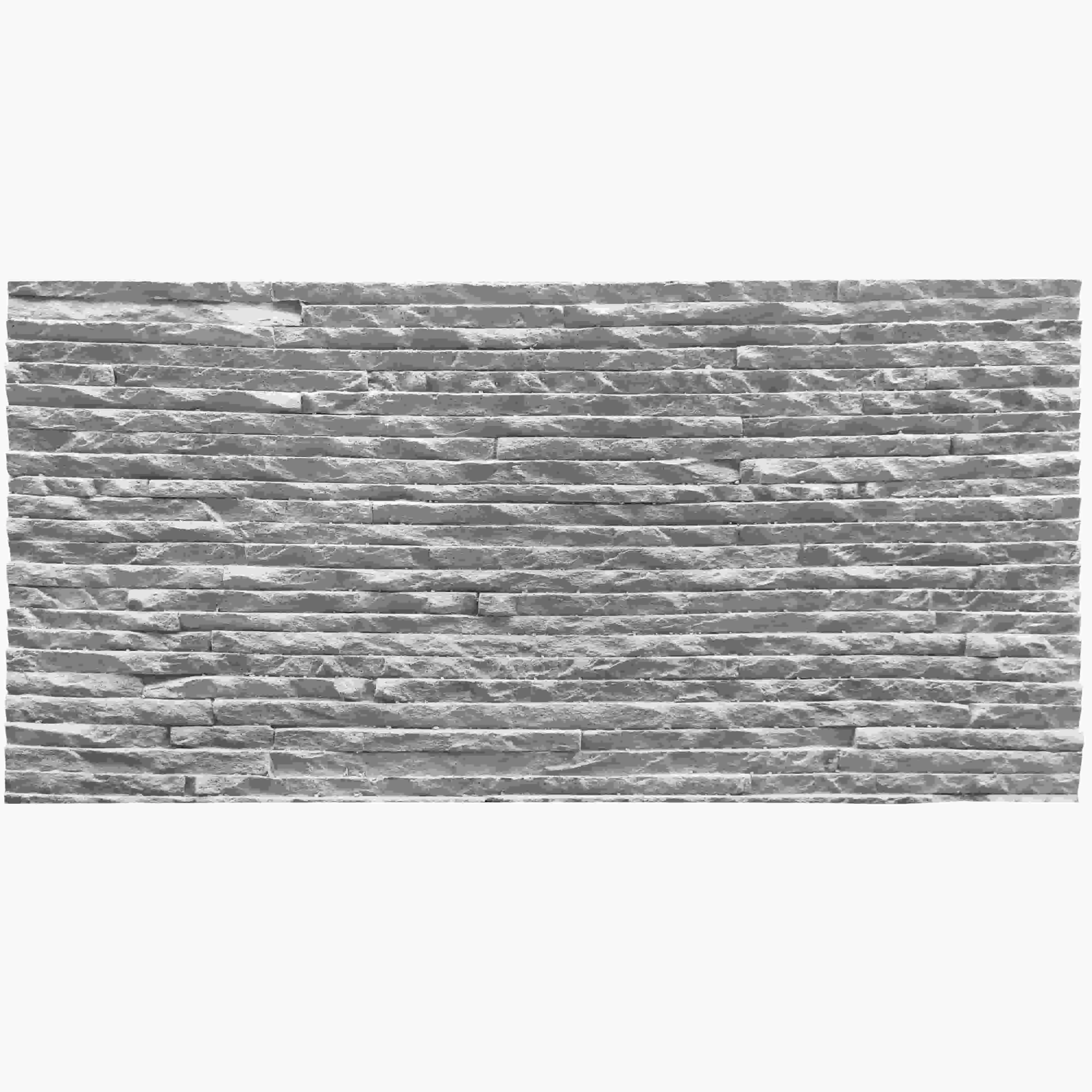
Picture this: You're an architect sketching a coastal home, or a homeowner finally tackling that backyard renovation. You've narrowed down your cladding options to a few samples, each with its own texture and hue. But as you run your hand over the smooth surface of Muretto Stone (Light Grey), a question creeps in: "Is this just a pretty face, or will it stand the test of time?" It's a question that haunts anyone investing in building materials—after all, no one wants to redo their exterior walls or kitchen backsplash every five years. Today, we're diving deep into Muretto Stone (Light Grey), a star player in the Modified Composite Material (MCM) family, to answer that burning question: How long does it actually last?
Before we get into Muretto Stone (Light Grey) specifically, let's back up. MCM stands for Modified Composite Material, and if you haven't heard of it, you're not alone—but you'll want to remember the name. Think of MCM as the "swiss army knife" of construction materials: it's lightweight, flexible, and designed to mimic the look of natural stone, wood, or concrete without the bulk or fragility. Unlike traditional stone slabs that can weigh 50+ pounds per square foot, MCM products clock in at a featherlight 3-5 pounds per square foot. That lightness makes installation easier, cuts down on structural stress, and opens up design possibilities (curved walls, anyone?).
At its core, MCM is a sandwich of sorts: a thin layer of natural minerals (like stone dust or ceramic) bonded to a reinforced polymer backing. This combo gives it the best of both worlds: the aesthetic appeal of natural materials and the durability of modern engineering. And Muretto Stone (Light Grey)? It's one of the most popular flavors in the MCM lineup, loved for its soft, neutral tone that pairs with everything from minimalist interiors to rustic exteriors.
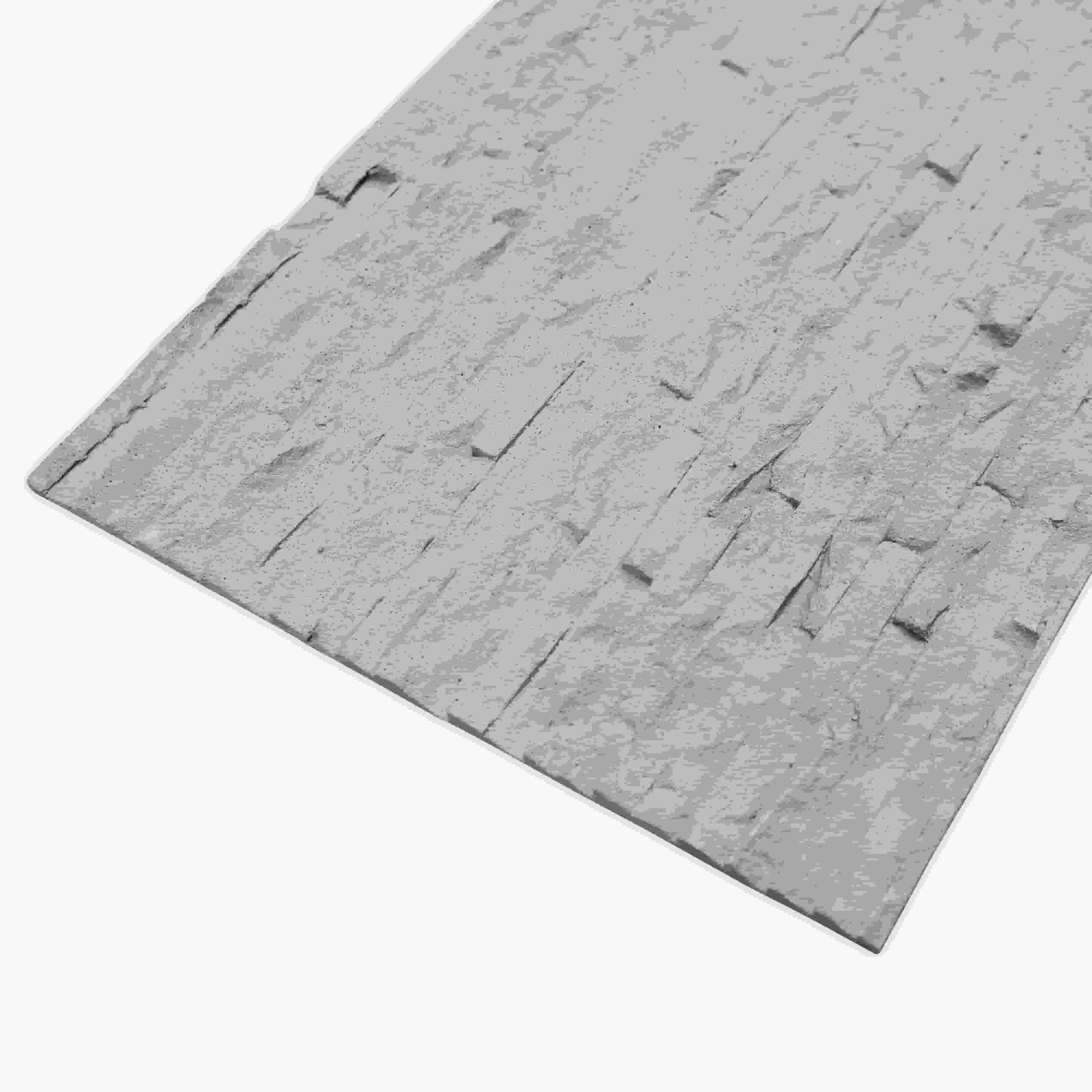
So, what makes Muretto Stone (Light Grey) tick? Let's break it down. First, the "stone" part: it's crafted from a blend of natural marble and limestone aggregates, ground into a fine powder and mixed with pigments to achieve that signature light grey hue—think storm clouds on a sunny day, or the soft glow of concrete but with more depth. Then there's the "modified" part: that powder is bound together with a high-performance polymer resin, which acts like a super-strong glue, and backed by a fiberglass mesh for added tensile strength. The result? A material that's not just thin (usually 3-4mm thick) but surprisingly tough.
But here's where it gets interesting: Muretto Stone (Light Grey) is part of the MCM flexible stone category. That "flexible" label isn't just a marketing buzzword—it means the material can bend up to 30 degrees without cracking. Imagine installing it on a rounded fireplace surround or a curved outdoor seating wall; traditional stone would shatter, but Muretto? It bends and adapts. This flexibility isn't just about design—it's a durability hack. Buildings shift over time (thanks to temperature changes, soil movement, or even earthquakes), and rigid materials crack under pressure. Muretto's flexibility lets it "give" without breaking, which is a big reason it lasts longer than you might expect.
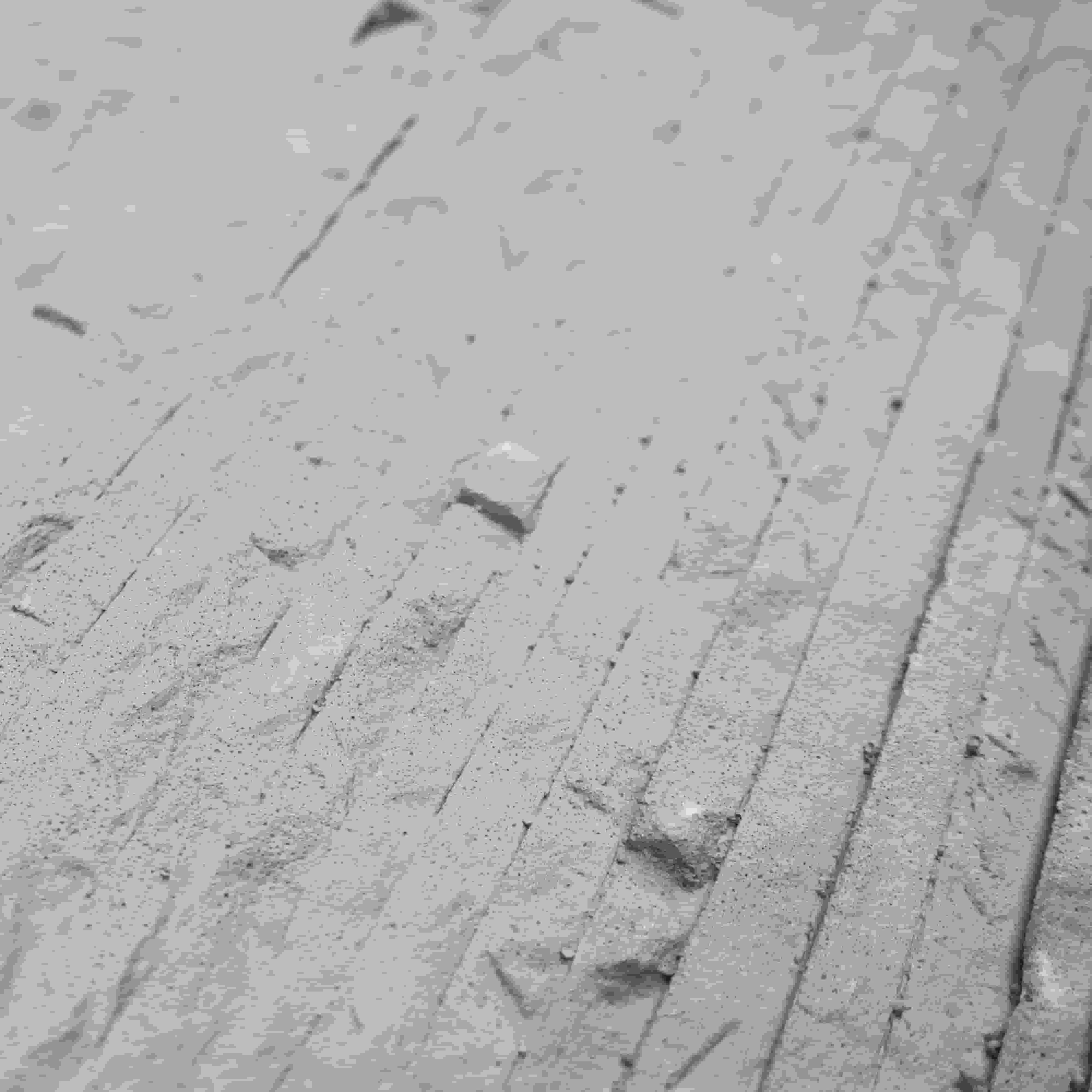
Let's cut to the chase: With proper installation and care, Muretto Stone (Light Grey) can easily last 30 to 50 years . That's not a typo. Some manufacturers even back this up with 20-year warranties, which is a bold move in an industry where 10-year guarantees are standard. But why does it last so long? Let's unpack the factors that keep Muretto going strong for decades.
Not all MCM is created equal, and Muretto Stone (Light Grey) benefits from top-shelf ingredients. The marble and limestone aggregates are sourced for their hardness (measured on the Mohs scale, if you're curious), and the polymer resin is engineered to resist UV rays, moisture, and temperature swings. Think about it: if you've ever left a plastic chair out in the sun, you know how quickly some polymers fade or become brittle. Muretto's resin is different—it's formulated to stand up to years of harsh sunlight without yellowing or cracking. That's why you'll see it used in desert climates (hello, Arizona!) and sunny coastal areas without issue.
Here's a dirty little secret: Most "short-lived" building materials fail not because of the material itself, but because of shoddy installation. Muretto Stone (Light Grey) is no exception. If your installer cuts corners—say, using cheap adhesive, leaving gaps between panels, or not prepping the substrate (the surface it's attached to)—water can seep in, causing mold, warping, or delamination (where the stone layer peels from the backing). But when installed correctly? It's like building a house on bedrock. Professionals will clean the substrate, use a high-quality, moisture-resistant adhesive, and seal the edges to keep water out. Do it right, and you're already halfway to that 50-year lifespan.
Let's talk about the elements. If you live in a place with freezing winters, heavy rain, or salty ocean air, you might assume your cladding is doomed. But Muretto Stone (Light Grey) is surprisingly resilient. Its low water absorption rate (less than 1%) means it won't soak up rain like a sponge, which is key for preventing freeze-thaw damage (that's when water seeps in, freezes, expands, and cracks the material). Salty air? The polymer backing acts as a barrier, so you won't get that rusty, pitted look you see on metal cladding. Even in humid climates, Muretto resists mold and mildew because it's non-porous. Compare that to wood, which swells and rots in moisture, or traditional concrete, which can develop cracks from freeze-thaw cycles. Muretto isn't invincible, but it's built to handle Mother Nature's curveballs.
Here's the best part: Muretto Stone (Light Grey) isn't high-maintenance. Unlike wood that needs staining every year or natural marble that requires regular sealing, Muretto is pretty hands-off. A quick hose-down with water and a soft brush (or a wipe with a damp cloth for interiors) is usually enough to keep it clean. If you live in an area with heavy pollution or lots of tree sap, you can use a mild, pH-neutral soap—just avoid harsh chemicals like bleach, which can eat away at the resin. And while it's not mandatory, sealing it every 5-7 years with a stone sealer will give it an extra layer of protection against stains (think red wine spills in the kitchen or bird droppings on the exterior). Do that, and you're practically guaranteeing it hits that 50-year mark.
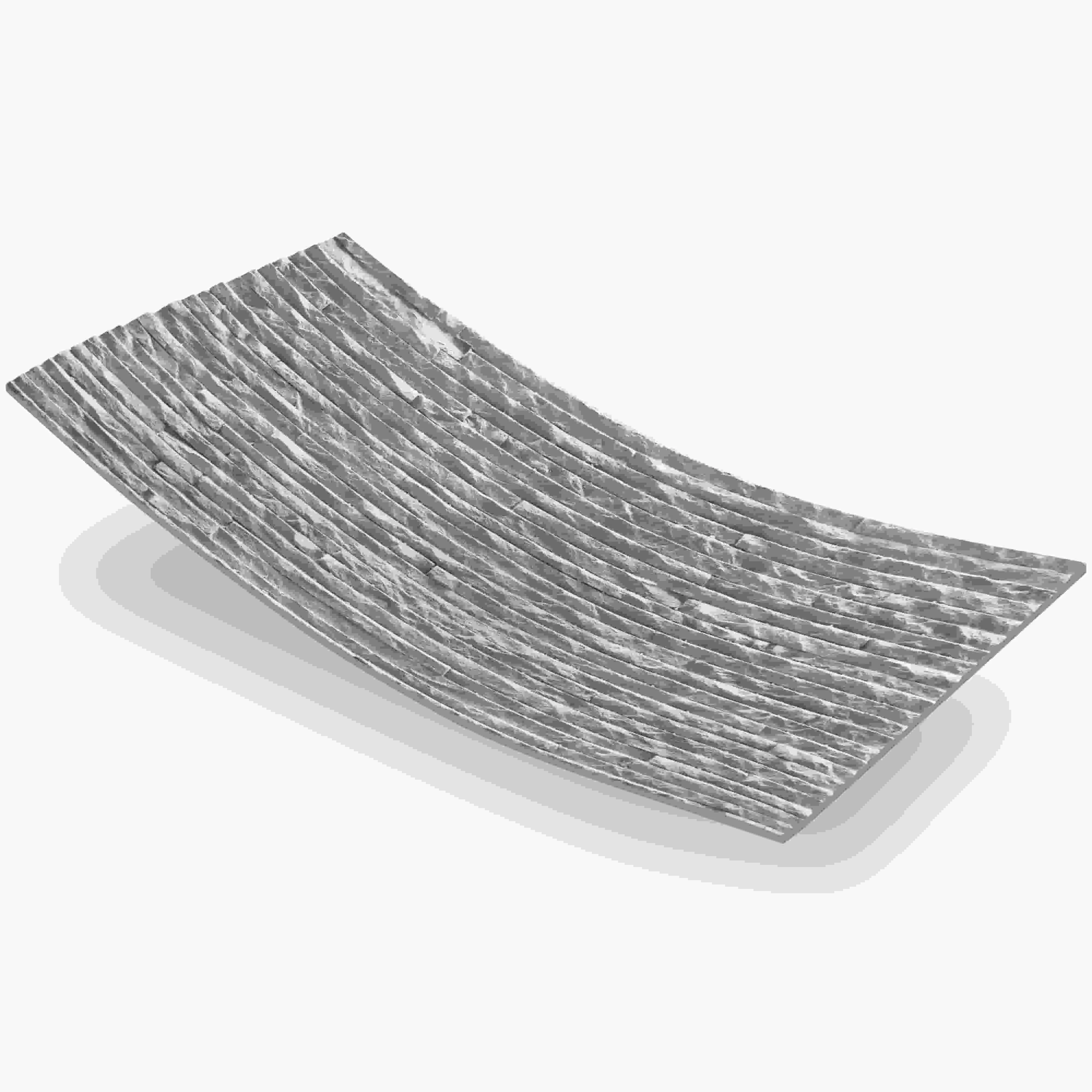
To really understand Muretto's lifespan, let's compare it to a few common alternatives. We'll use a table to keep things simple—no jargon, just the facts.
| Material | Average Lifespan | Key Durability Notes | Maintenance Needs |
|---|---|---|---|
| Muretto Stone (Light Grey) | 30-50 years | UV-resistant, moisture-proof, flexible (resists cracking from building movement) | Low: hose down/wipe clean; seal every 5-7 years (optional) |
| Fair-Faced Concrete | 50+ years | Extremely strong but heavy; prone to cracking if not reinforced | Medium: seal every 2-3 years; repairs for cracks can be costly |
| Wood Grain Board | 15-20 years | Prone to rot, warping, and insect damage in humid climates | High: stain/seal yearly; replace damaged boards every 5-10 years |
| Lunar Peak Silvery | 25-40 years | Metallic finish can fade in direct sunlight; less flexible than Muretto | Medium: clean with mild soap; touch up finish every 3-4 years |
See the pattern? Muretto Stone (Light Grey) holds its own against fair-faced concrete (a known durability champion) but with way less weight and easier installation. And compared to wood grain board or even Lunar Peak Silvery, it lasts twice as long with a fraction of the maintenance. It's not the absolute longest-lasting material out there (nothing beats solid stone, which can last centuries), but considering its cost, weight, and design flexibility, it's a standout.
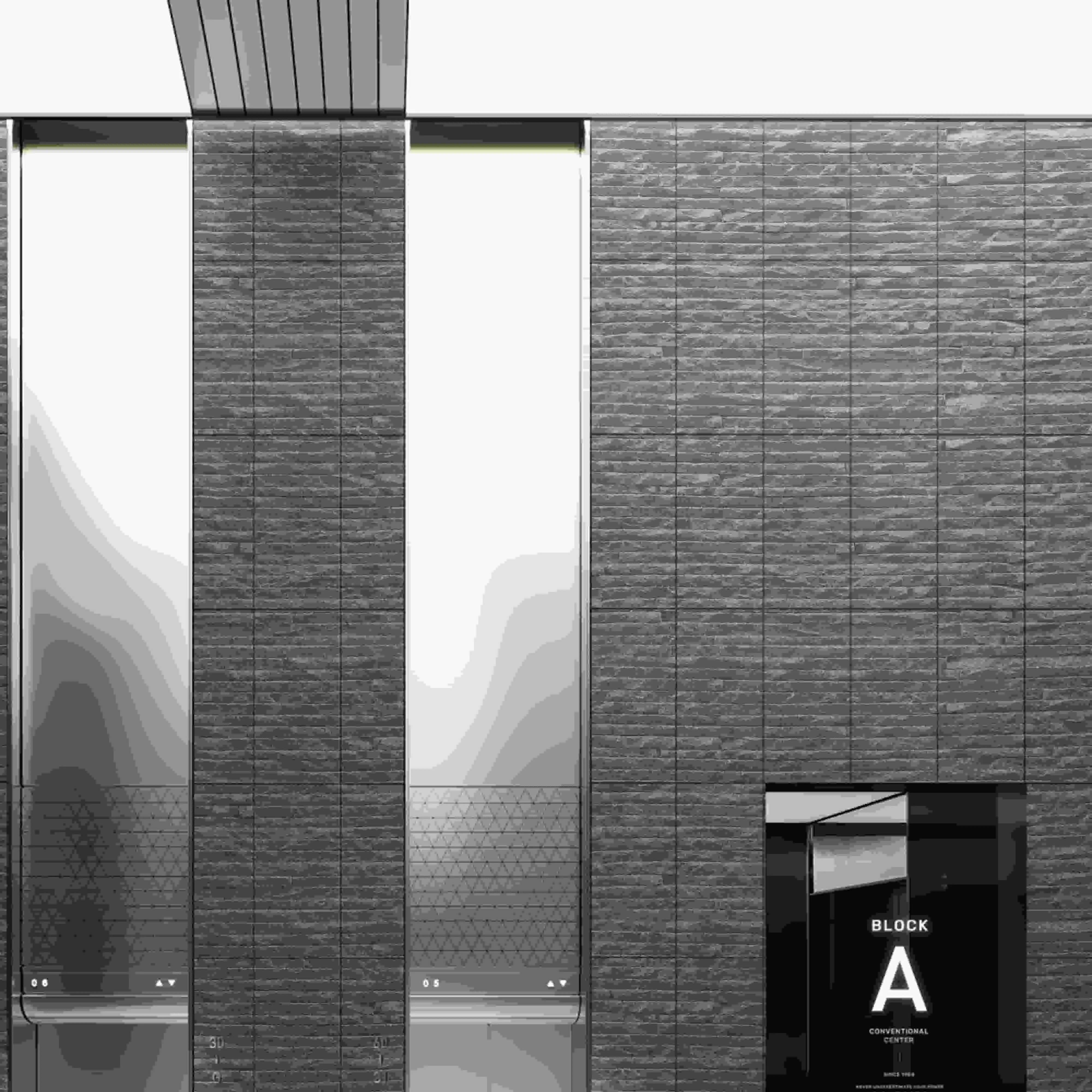
Numbers on a page are one thing, but real-world examples? That's where the rubber meets the road. Let's look at a few projects where Muretto Stone (Light Grey) has been put to the test.
Project 1: A Coastal Café in Portugal – Back in 2010, a café owner in Lisbon wanted a cladding material that could handle the salty sea breeze and the constant foot traffic from tourists. They chose Muretto Stone (Light Grey) for their exterior walls and outdoor bar counter. Fast forward to 2023, and the café still looks brand new. The owner swears by it: "We've had storms that flooded the street, and the Muretto didn't budge. No mold, no cracks—just a quick hose-down, and it's good as new."
Project 2: A Mountain Home in Colorado – In 2015, an architect used Muretto Stone (Light Grey) for the exterior of a chalet in the Rockies, where temperatures swing from -20°F in winter to 90°F in summer. The home has since survived heavy snowfall, freeze-thaw cycles, and even a minor avalanche (don't ask). When the architect revisited in 2022, the Muretto cladding was still intact—no cracks, no fading. "We were worried about the cold," the architect admitted, "but it's held up better than the natural stone we used on the chimney."
Project 3: A Urban Loft in Chicago – For an industrial-chic loft renovation in 2018, the designer chose Muretto Stone (Light Grey) for the kitchen backsplash and bathroom walls. Fast forward five years, and the material has withstood countless cooking splatters, steam from hot showers, and even a rogue tomato sauce spill (thanks, kids). "I was nervous about stains," the homeowner said, "but a quick wipe with a damp cloth, and you'd never know it happened. It still looks like the day it was installed."
Want to make sure your Muretto Stone (Light Grey) hits that 50-year mark? Here are a few expert tips:
1. Hire a Pro Installer – This can't be overstated. A certified MCM installer will know how to prep the substrate, use the right adhesive, and seal the edges properly. Ask for references and check their past work—you'll thank yourself later.
2. Keep It Clean – For exteriors, a monthly hose-down will prevent dirt and grime from building up (which can trap moisture). For interiors, a quick wipe with a damp cloth is all you need. Avoid pressure washers on high settings—they can damage the resin.
3. Watch for Drainage – Make sure water isn't pooling around the base of your Muretto cladding. Install proper gutters and downspouts to direct water away from the walls—standing water is the enemy of any building material.
4. Address Issues Early – If you notice a loose panel or a small crack (rare, but possible), fix it right away. Most MCM manufacturers sell replacement panels, and a quick repair will prevent water from seeping in and causing bigger problems.
5. Skip the Harsh Chemicals – Bleach, ammonia, and abrasive cleaners (like steel wool) can damage the resin and fade the color. Stick to mild soap and water, or a stone cleaner specifically designed for MCM.
Let's circle back to that initial question: "Is this just a pretty face?" The answer? A resounding no. Muretto Stone (Light Grey) isn't just a stylish choice—it's a smart, long-term investment. With a lifespan of 30-50 years, low maintenance needs, and resistance to the elements, it's built to grow with your home or project, not against it.
Sure, it might cost a bit more upfront than vinyl siding or basic tile, but when you factor in that you won't need to replace it for decades, the cost per year becomes negligible. And let's not forget the design perks: that soft light grey hue pairs with everything from warm wood tones (hello, wood grain board accents!) to bold colors like travertine (starry blue) or lunar peak silvery . It's versatile, it's durable, and yes— it's even a little bit cool.
So, whether you're building a beach house, renovating a kitchen, or designing a commercial space, Muretto Stone (Light Grey) isn't just a material—it's a partner in longevity. And in a world where so much feels temporary, that's a pretty valuable thing.
Recommend Products












