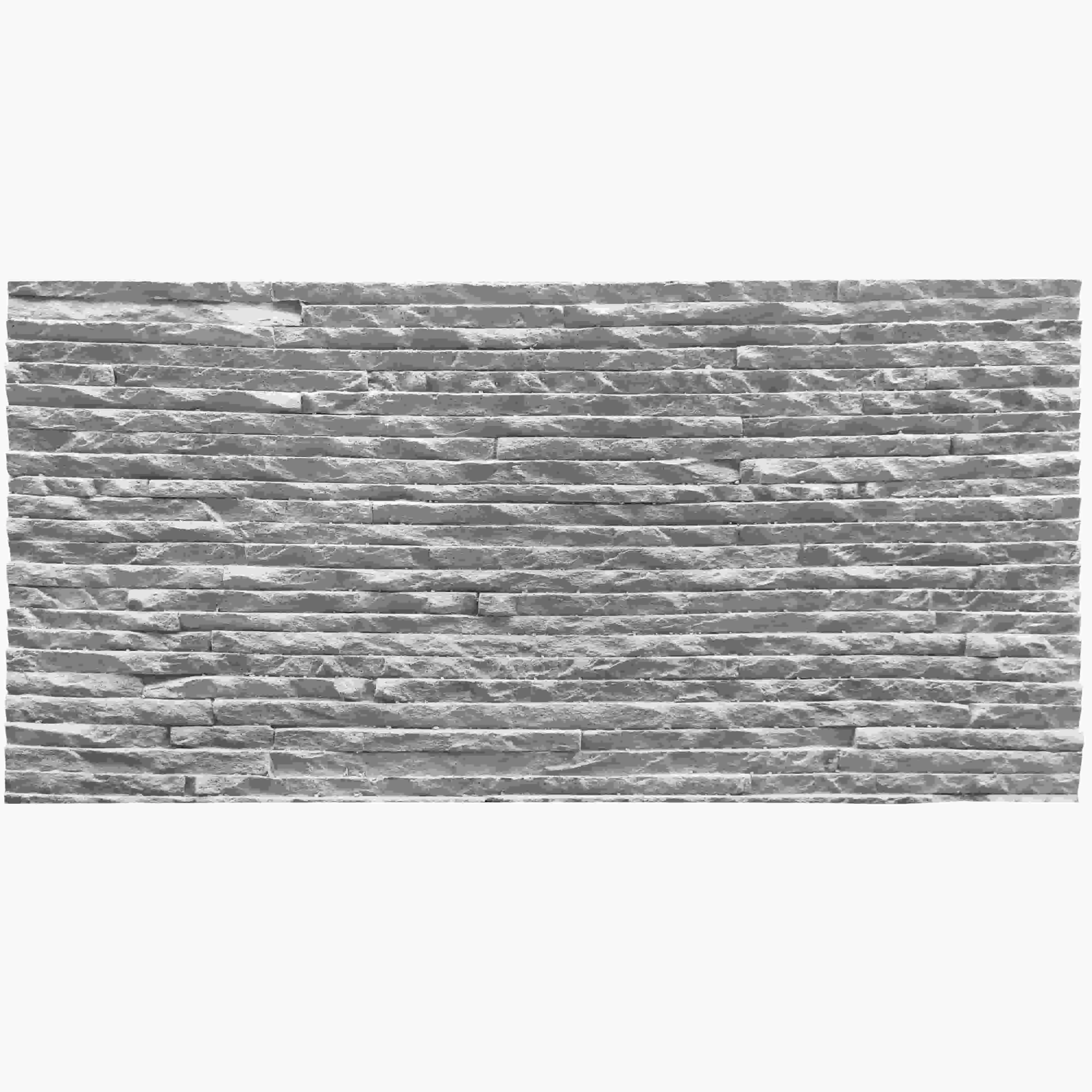
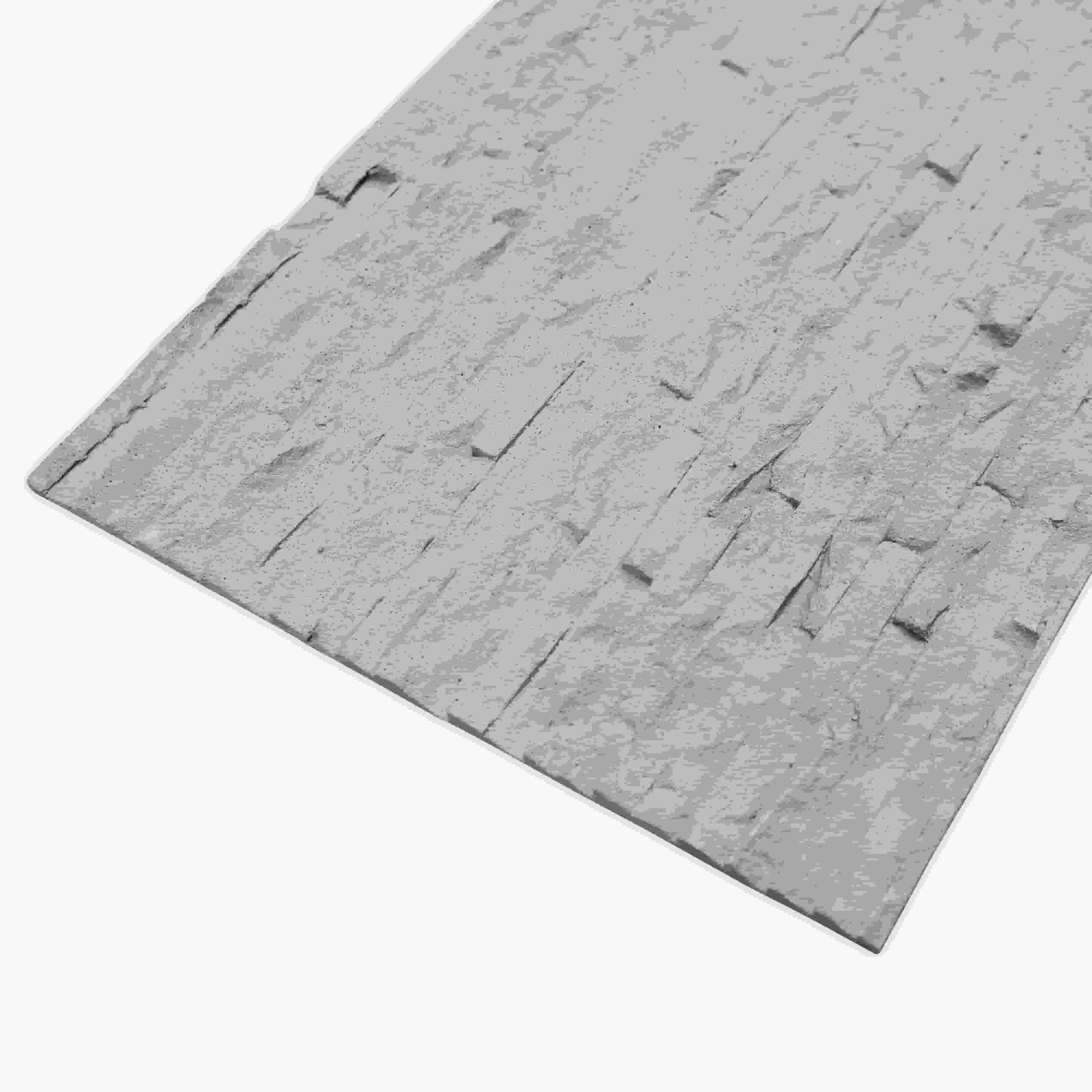
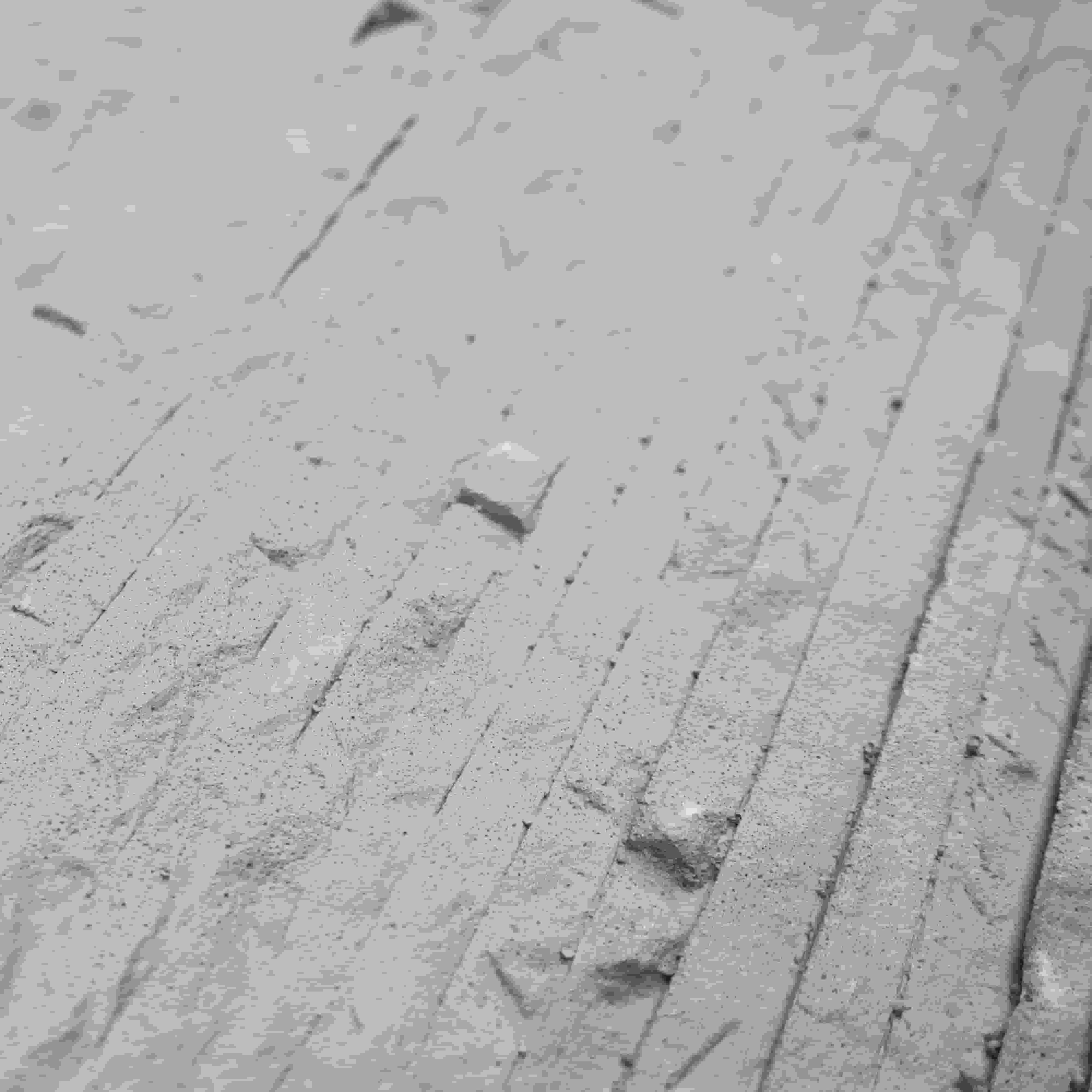
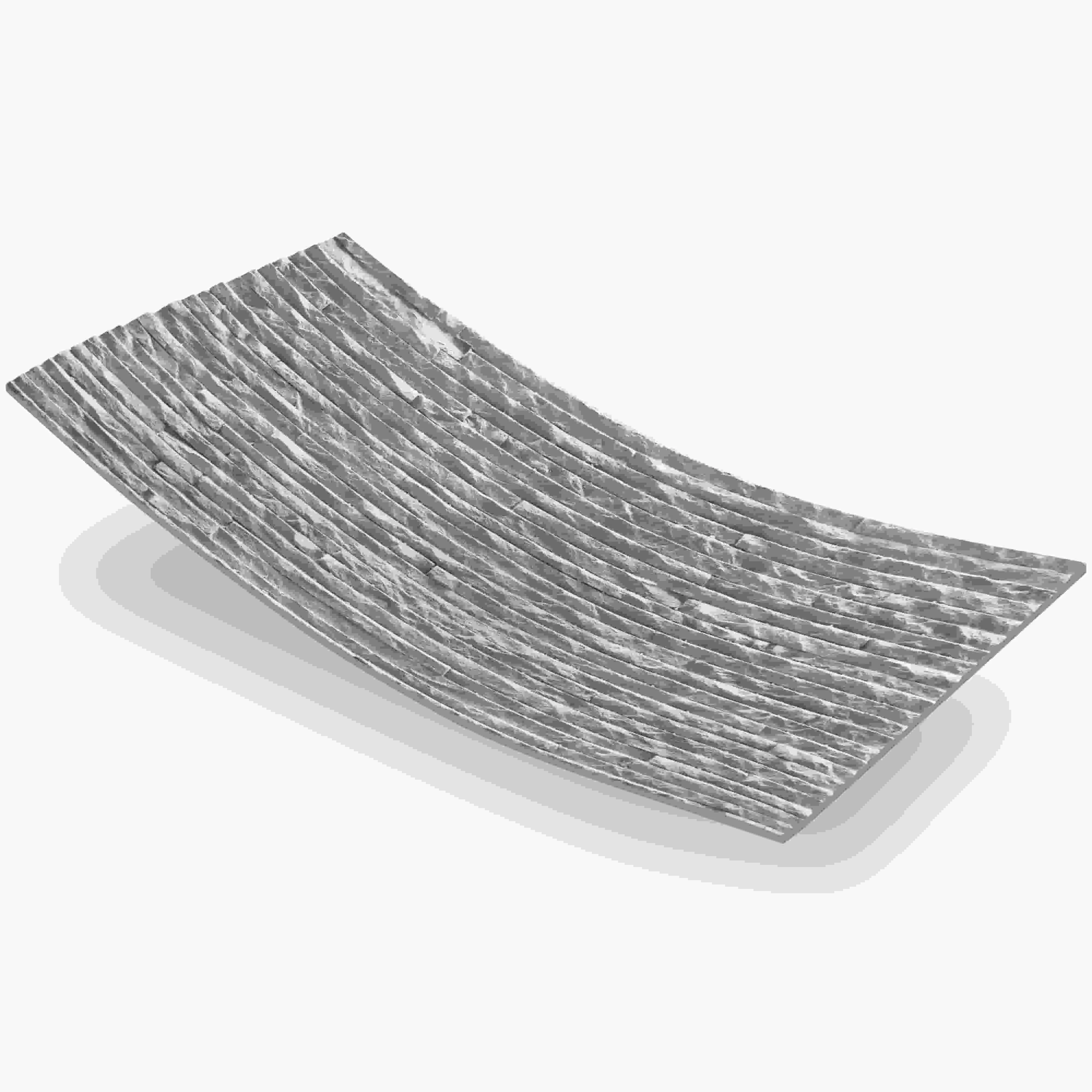
When we talk about "maintenance costs," we're not just talking about the occasional bucket of soap and a sponge. We're looking at the total cost of ownership over time: initial investment, routine cleaning, unexpected repairs, and even replacement costs down the line. Let's break this down step by step to see how Muretto Stone (Light Grey) stacks up.
1. Initial Investment: Paying a Little More Now to Save a Lot Later
First, let's address the elephant in the room: upfront cost. Muretto Stone (Light Grey) isn't the cheapest material on the market. If you're comparing it to low-grade vinyl siding or basic concrete panels, you'll likely see a higher initial price tag. But here's the thing: initial cost is just one piece of the puzzle. When you factor in maintenance, repairs, and replacement over 10, 15, or 20 years, Muretto often comes out ahead. Think of it as buying a quality appliance—you pay more upfront, but it lasts longer and costs less to fix.
For example, let's say you're installing a 500 sq. ft. exterior facade. Basic vinyl siding might cost $3–$5 per sq. ft. ($1,500–$2,500 total), while Muretto Stone (Light Grey) could run $8–$12 per sq. ft. ($4,000–$6,000 total). At first glance, vinyl seems cheaper. But vinyl fades in the sun, cracks in cold weather, and needs to be replaced every 10–15 years. Muretto, with proper care, can last 30+ years. Over 30 years, you'd replace vinyl twice (total cost: $3,000–$5,000) plus pay for cleaning and minor repairs. Muretto? One initial investment, minimal upkeep. Suddenly, that "expensive" choice doesn't seem so pricey.
2. Routine Cleaning Costs: How Much Time (and Money) Will You Spend?
Now, let's talk about the ongoing costs: cleaning. This is where Muretto Stone (Light Grey) really shines. Unlike porous stones like travertine or limestone, which require specialized cleaners and regular sealing, Muretto's non-porous surface is a breeze to maintain. Here's what a typical cleaning routine might look like:
-
Monthly:
A quick rinse with a garden hose to remove dust, dirt, and cobwebs. Cost: $0 (just water and a few minutes of your time).
-
Quarterly:
A gentle scrub with mild dish soap and a soft brush to tackle any stubborn grime (think bird droppings or pollen). Cost: $5–$10 for a bottle of soap, which will last 6–8 months.
-
Annually:
A deeper clean with a pressure washer (on low setting) to refresh the surface. If you don't own a pressure washer, renting one costs $50–$80 per day. Alternatively, hire a pro for $150–$200, but this is optional—most homeowners can DIY.
Total annual cleaning cost for Muretto Stone (Light Grey)? Roughly $100–$250, depending on whether you DIY or hire help. Compare that to travertine (beige), which requires:
-
Monthly:
Same hose rinse, but you also need to wipe up spills immediately to prevent staining (time cost: priceless if you're busy).
-
Quarterly:
Specialized travertine cleaner ($15–$25 per bottle) and a soft cloth to avoid scratching. Cost: $60–$100 per year.
-
Annually:
Professional sealing to protect against stains ($2–$5 per sq. ft.). For a 500 sq. ft. area, that's $1,000–$2,500 per year.
Do the math: Travertine's annual cleaning and sealing costs could hit $1,060–$2,600—10x more than Muretto. Over 10 years, that's an extra $10,000–$26,000. Ouch.
3. Repair Costs: When Things Go Wrong (and How Often They Will)
Even the most durable materials need repairs occasionally. Hailstorms, fallen branches, or accidental damage can happen to any exterior. The question is: how much will those repairs cost, and how often will they occur?
Muretto Stone (Light Grey) is surprisingly resilient. Its flexible composite material can withstand minor impacts without cracking, and its color runs through the entire panel (not just a surface layer), so scratches are less noticeable. If a panel does get damaged, replacing it is straightforward. MCM panels are lightweight and easy to handle, so labor costs are lower than for heavy natural stone. A single 2x4 ft. Muretto panel costs $30–$50, and hiring a handyman to install it would run $100–$150. Total repair cost per damaged panel: $130–$200.
Now, compare that to travertine. Travertine is brittle and porous, so a hailstorm could crack multiple tiles. Replacing a single travertine tile costs $20–$40 for the material, but because travertine is heavy and requires precise cutting, labor is $150–$250 per tile. Plus, if the damage is from staining (like oil or rust), you might need professional restoration ($300–$500 for a small area). Over 10 years, even a few repairs could add up to $1,000–$3,000 for travertine, versus $200–$500 for Muretto.
4. Long-Term Savings: The Total Cost of Ownership
Let's wrap this up with a big-picture view: total cost of ownership over 20 years. We'll compare Muretto Stone (Light Grey) to travertine (beige) and limestone (beige) for a 500 sq. ft. exterior:
|
Material
|
Initial Cost
|
Annual Cleaning/Sealing Cost
|
Estimated Repair Cost (20 years)
|
Replacement Cost (if needed)
|
Total 20-Year Cost
|
|
Muretto Stone (Light Grey)
|
$4,000–$6,000
|
$100–$250
|
$500–$1,000
|
$0 (no replacement needed)
|
$6,500–$11,000
|
|
Travertine (Beige)
|
$5,000–$8,000
|
$1,000–$2,500
|
$3,000–$6,000
|
$5,000–$8,000 (replacement at 15 years)
|
$33,000–$69,000
|
|
Limestone (Beige)
|
$4,500–$7,000
|
$800–$1,800
|
$2,000–$4,000
|
$4,500–$7,000 (replacement at 15 years)
|
$27,000–$50,000
|
The numbers speak for themselves. Over 20 years, Muretto Stone (Light Grey) costs a fraction of what travertine or limestone would. And that's not even accounting for the time you'll save—no more weekends spent sealing stone or rushing to clean spills. For busy property owners, that time is invaluable.