
Walk into any architectural supply showroom, and you'll likely feel the weight of choice pressing down—shelves lined with materials that promise to transform spaces, each whispering a different design language. For today's architects and interior designers, the decision often boils down to a dance between aesthetics and function: Does the material look as good as it performs? Can it withstand the test of time while still making hearts skip a beat when someone first lays eyes on it? Two contenders frequently step into this ring: the earthy, textured Muretto Stone (Light Grey) and the sleek, modern acrylic panels. Let's pull back the curtain on both, exploring how they stack up in real-world projects and why one might edge out the other depending on your vision.
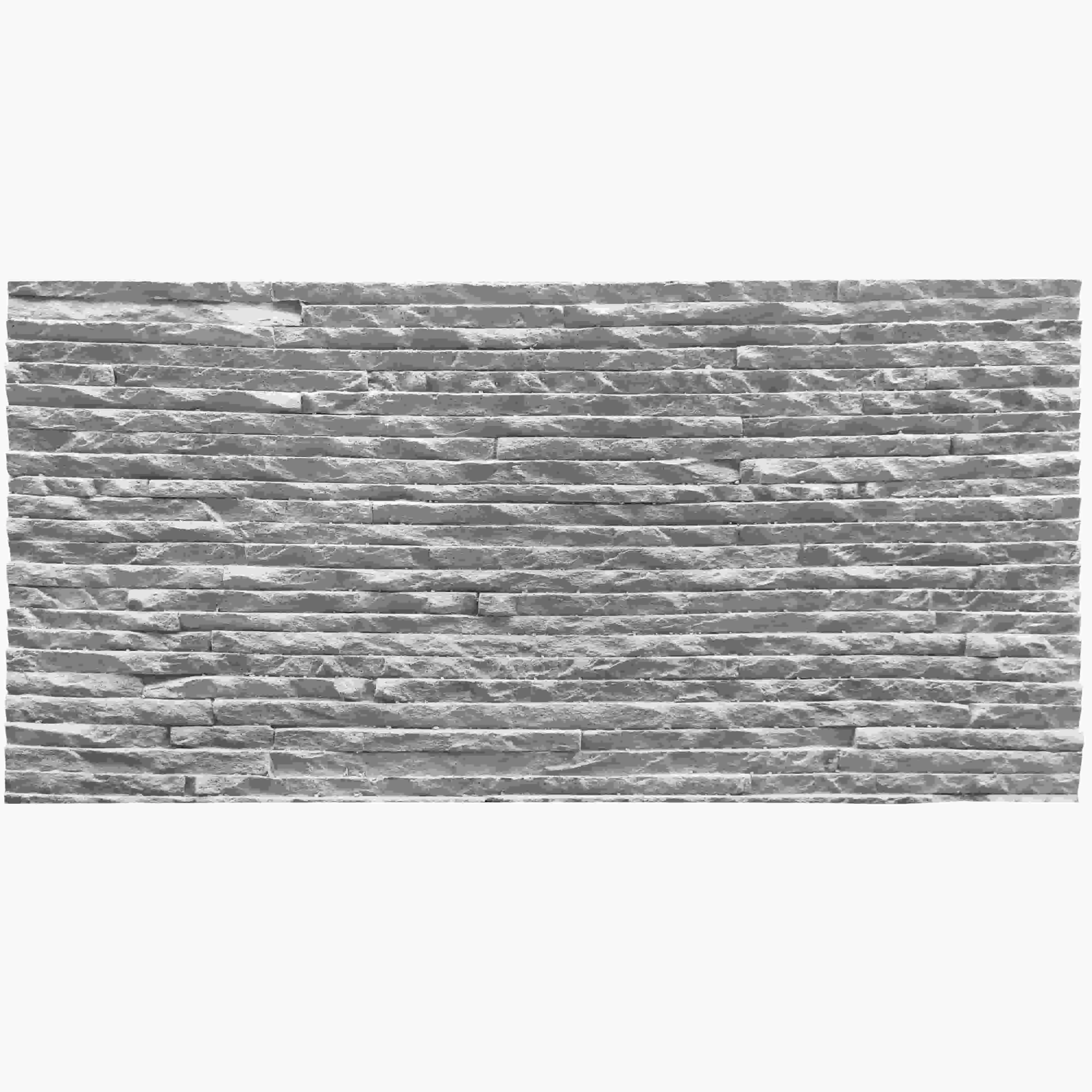
If materials had personalities, Muretto Stone (Light Grey) would be the wise elder in the room—calm, grounded, and rich with stories. Part of the broader family of flexible stone cladding panels, Muretto Stone isn't just a surface; it's a slice of the earth's history, reimagined for modern use. Let's break down what makes it tick.
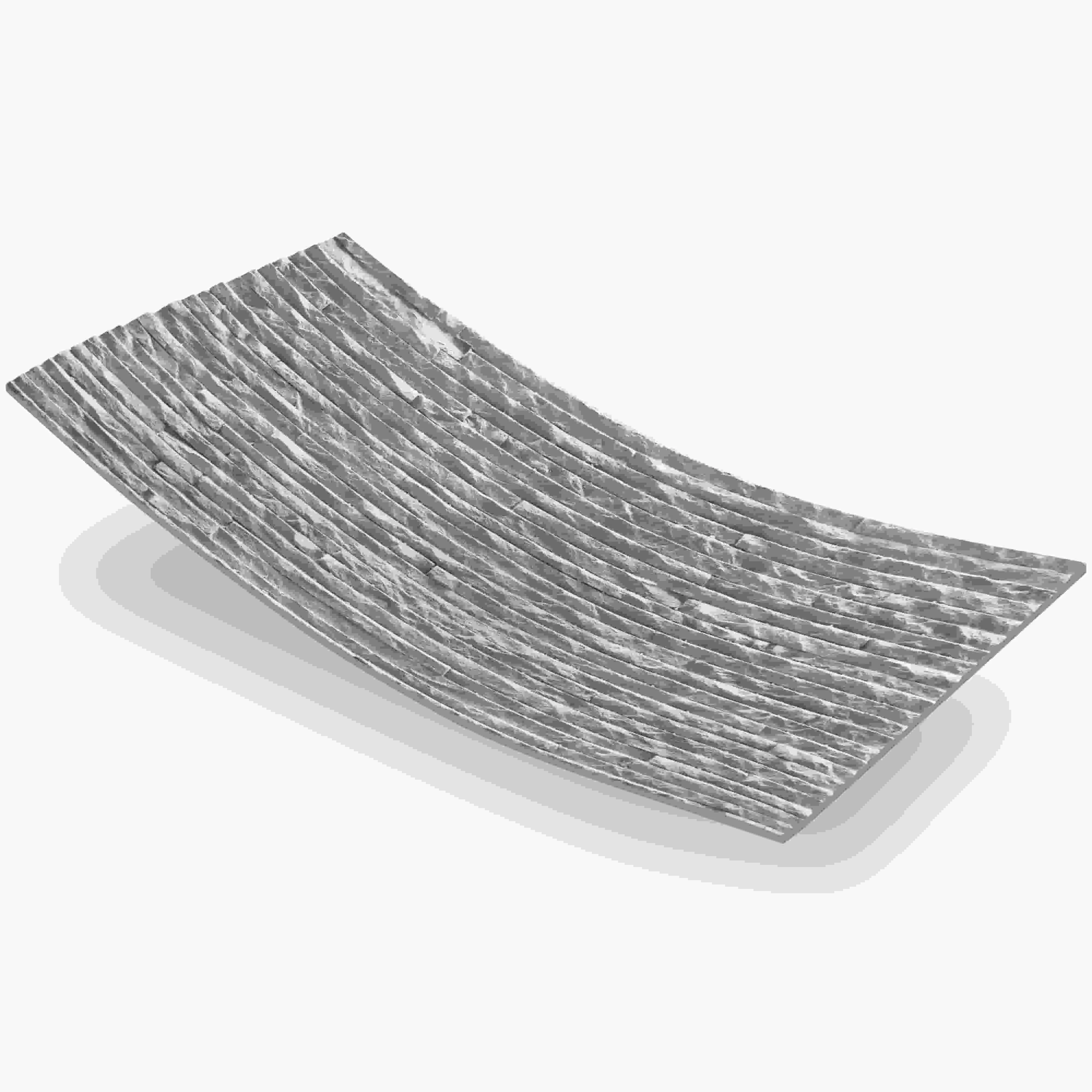
Muretto Stone starts with natural stone aggregates, often quarried from regions known for their high-quality sedimentary rocks, then blended with polymers to enhance flexibility and durability. The result? A material that—those tiny pits, subtle color variations, and organic textures—while shedding some of its bulk and brittleness. It's like taking a piece of the mountainside and making it malleable enough to wrap around a curved wall or fit into a tight corner.
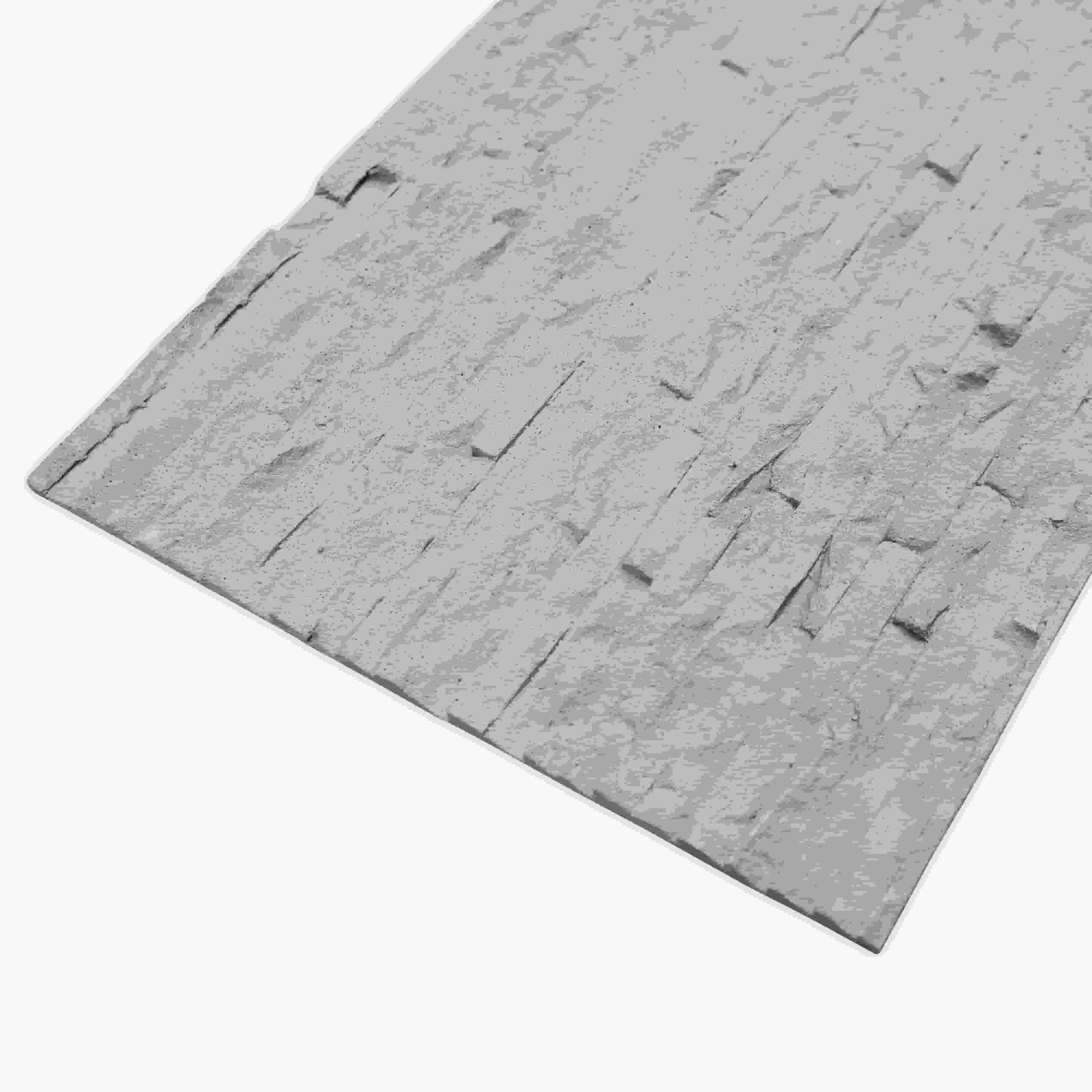
Light grey might sound understated, but in Muretto Stone, it's anything but boring. Picture a foggy morning over a quiet lake—the way the light plays on the water, shifting from soft silver to warm taupe as the sun rises. That's the magic of Muretto Stone (Light Grey). It's a chameleon, adapting to its surroundings: bright and airy in a sunlit kitchen, moody and sophisticated in a dimly lit restaurant. Unlike stark white or bold black, it doesn't demand attention; instead, it creates a canvas where other elements—art, furniture, people—can shine.
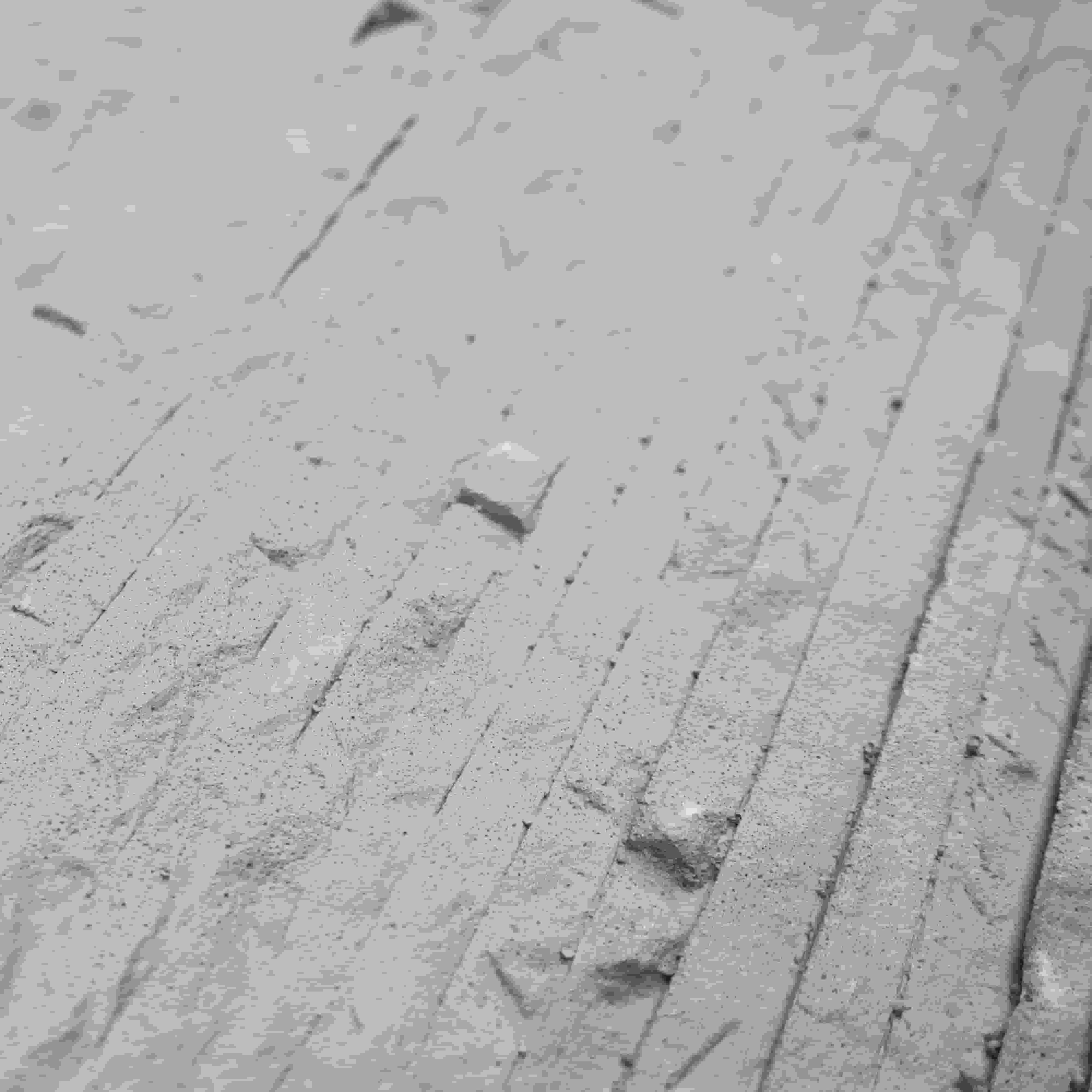
Run your hand along a Muretto Stone (Light Grey) surface, and you'll immediately feel the difference between it and synthetic alternatives. There's a tactile quality here—small ridges, tiny indentations, and the occasional fleck of mineral that catches your fingertips. It's the kind of texture that makes a space feel lived-in, like it's been part of the home for decades rather than installed last month. Designers often rave about how this texture adds depth; in a room with flat, smooth walls, Muretto Stone becomes the focal point, turning a plain surface into a conversation starter.
If Muretto Stone is the wise elder, acrylic panels are the energetic innovator—bold, versatile, and unapologetically modern. Made from polymethyl methacrylate (PMMA), a type of plastic known for its clarity and strength, acrylic panels have exploded in popularity over the past decade, and it's not hard to see why. They're the material equivalent of a blank canvas, ready to be painted, shaped, or lit up to match any design vision.
Don't let the "plastic" label fool you—modern acrylic panels are a far cry from the brittle, yellowing sheets of yesteryear. Today's versions are engineered to be impact-resistant, UV-stable, and surprisingly lightweight. They come in sheets, panels, or even custom-molded shapes, and can be transparent, opaque, colored, or even backlit for a glowing effect. Think of them as the Swiss Army knife of design materials: need a glossy accent wall? Acrylic. Want a see-through divider that blocks sound? Acrylic. Dreaming of a neon-lit bar front? You guessed it—acrylic.
Acrylic's biggest selling point is its finish. Unlike Muretto Stone's matte, earthy look, acrylic panels are all about reflection and sheen. A high-gloss acrylic surface can mirror light, making small rooms feel larger and dark spaces brighter. It's the reason you'll often find them in luxury boutiques or tech company lobbies—they scream "forward-thinking" and "sleek." And while clear acrylic is iconic, the color options are endless: from deep blues that mimic the ocean to soft pastels that feel like a breath of fresh air. Some manufacturers even offer metallic finishes, adding a touch of glamour to commercial spaces.
Let's cut to the chase: how do these two materials make you feel ? Aesthetic isn't just about looks—it's about emotion. Let's compare them side by side in real-world scenarios.
Imagine a small neighborhood café. On one wall, Muretto Stone (Light Grey) is installed in large, overlapping panels. The light from the windows catches the texture, casting soft shadows that shift throughout the day. It pairs with wooden tables and potted plants, creating a vibe that says, "Stay a while—this is a place to connect." Now, swap that wall for acrylic panels in a glossy white. Suddenly, the space feels brighter, more open, but also a touch clinical. It might pair better with chrome fixtures and minimalist furniture, appealing to a crowd that values efficiency over nostalgia. Neither is "better," but they tell drastically different stories.
Design isn't just visual—it's sensory. Muretto Stone (Light Grey) invites interaction. A child might run their hand along it, fascinated by the bumps and grooves. A homeowner might lean against it while cooking, feeling grounded by its solidity. Acrylic, on the other hand, is smooth—almost too smooth. It repels fingerprints (with the right finish) and feels cool to the touch, like a piece of high-end technology. This can be a plus in spaces where cleanliness is key (think hospitals or labs) but a minus in areas where warmth is prioritized (like a bedroom or living room).
Muretto Stone (Light Grey) has a timeless quality. Its neutral hue and natural texture mean it won't clash with evolving design trends. You could install it in a 1950s bungalow or a 2020s minimalist home, and it would feel right at home. Acrylic panels, while versatile, can lean trendy. A neon-pink acrylic accent wall might feel cutting-edge today, but in 10 years, it could read as dated. That said, classic clear or white acrylic has staying power—think of the iconic acrylic furniture from the mid-century modern era that still looks fresh today.
Looks matter, but let's get practical. How do these materials hold up when life happens—rain, spills, kids, pets, and the general wear and tear of daily use? Let's break it down.
| Feature | Muretto Stone (Light Grey) | Acrylic Panels |
|---|---|---|
| Durability | Resistant to scratches, moisture, and UV rays; ideal for high-traffic areas and exteriors. | Impact-resistant but prone to scratches; better for low-traffic interiors or protected exteriors. |
| Maintenance | Wipe with a damp cloth; occasional sealing (every 3-5 years for exteriors) to prevent staining. | Requires gentle cleaning (avoid abrasive sponges); scratches may need professional polishing. |
| Sustainability | Made from natural materials; often recyclable; aligns with green building materials standards. | Petroleum-based, but some brands offer recycled options; not as eco-friendly as natural stone. |
| Installation | Lightweight for stone, but still requires sturdy support; flexible enough for curved surfaces. | Lightweight and easy to cut/shape; can be installed with adhesives or mounting brackets. |
| Cost | Mid-to-high range; more expensive than acrylic but often viewed as a long-term investment. | Budget-friendly to mid-range; lower upfront cost but may need replacement sooner. |
Sustainability isn't just a buzzword anymore—it's a dealbreaker for many clients. Here, Muretto Stone (Light Grey) has a clear edge. Since it's made from natural stone aggregates and eco-friendly polymers, it's often recognized as a green building material, with low VOC emissions and minimal environmental impact during production. Acrylic panels, while durable, are derived from fossil fuels, and their recyclability depends on the manufacturer. That said, if your project prioritizes energy efficiency, acrylic's reflective properties can reduce lighting needs—so it's not entirely off the sustainability table.
For projects requiring large, seamless surfaces—think commercial facades or grand lobby walls—both materials offer options, but Muretto Stone (Light Grey) shines in the "big slab" category. Thanks to its flexible composition, it can be produced in larger panels (often up to 1200x2400mm) with minimal joints, creating a cohesive, monolithic look that feels expansive. Acrylic panels can also come in large sizes, but they're more prone to warping in extreme temperatures, making them less reliable for exterior big slab applications.
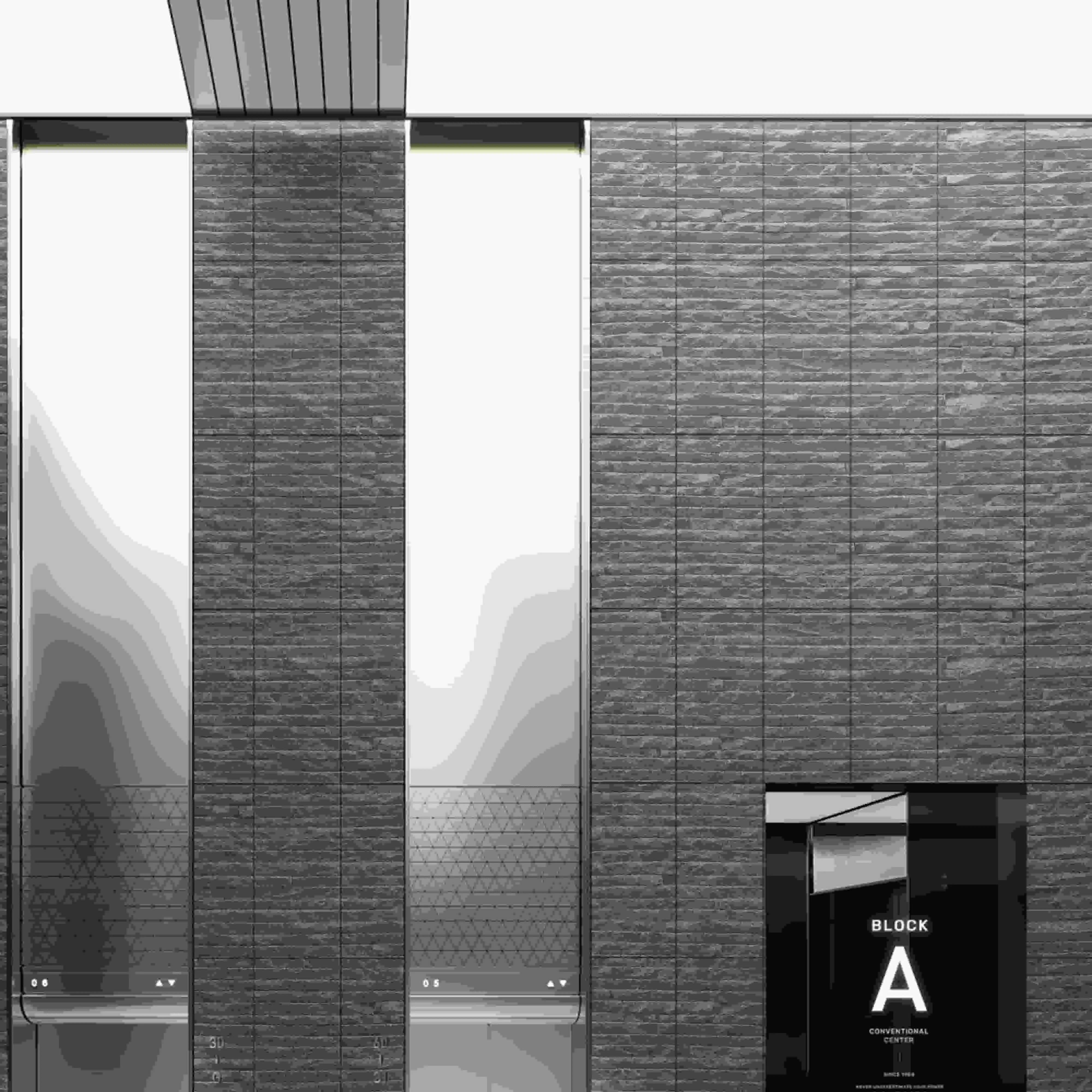
Let's get specific. When should you reach for Muretto Stone (Light Grey), and when is acrylic the better call? Here are some scenarios where each material takes center stage.
At the end of the day, there's no "winner"—only what works best for your project. Muretto Stone (Light Grey) is for the designer who wants to bring nature indoors, create a sense of permanence, and prioritize sustainability. It's the material you choose when you want the space to feel rooted, like it's been there forever. Acrylic panels, on the other hand, are for the innovator, the trendsetter, the one who wants to push boundaries with light, color, and modernity. They're the choice when you want to say, "This space is looking forward."
And here's a secret: they don't have to be enemies. Some of the most memorable designs blend the two—Muretto Stone walls grounding a room, with acrylic accents adding pops of shine. It's all about balance.
Whether you lean into the earthy charm of Muretto Stone (Light Grey) or the sleek modernity of acrylic panels, remember: materials are more than just surfaces. They shape how we experience a space, how we feel in it, and how we remember it. So take your time, run your hands over samples, and ask yourself: What story do I want this space to tell? The answer will guide you home.
Recommend Products












