
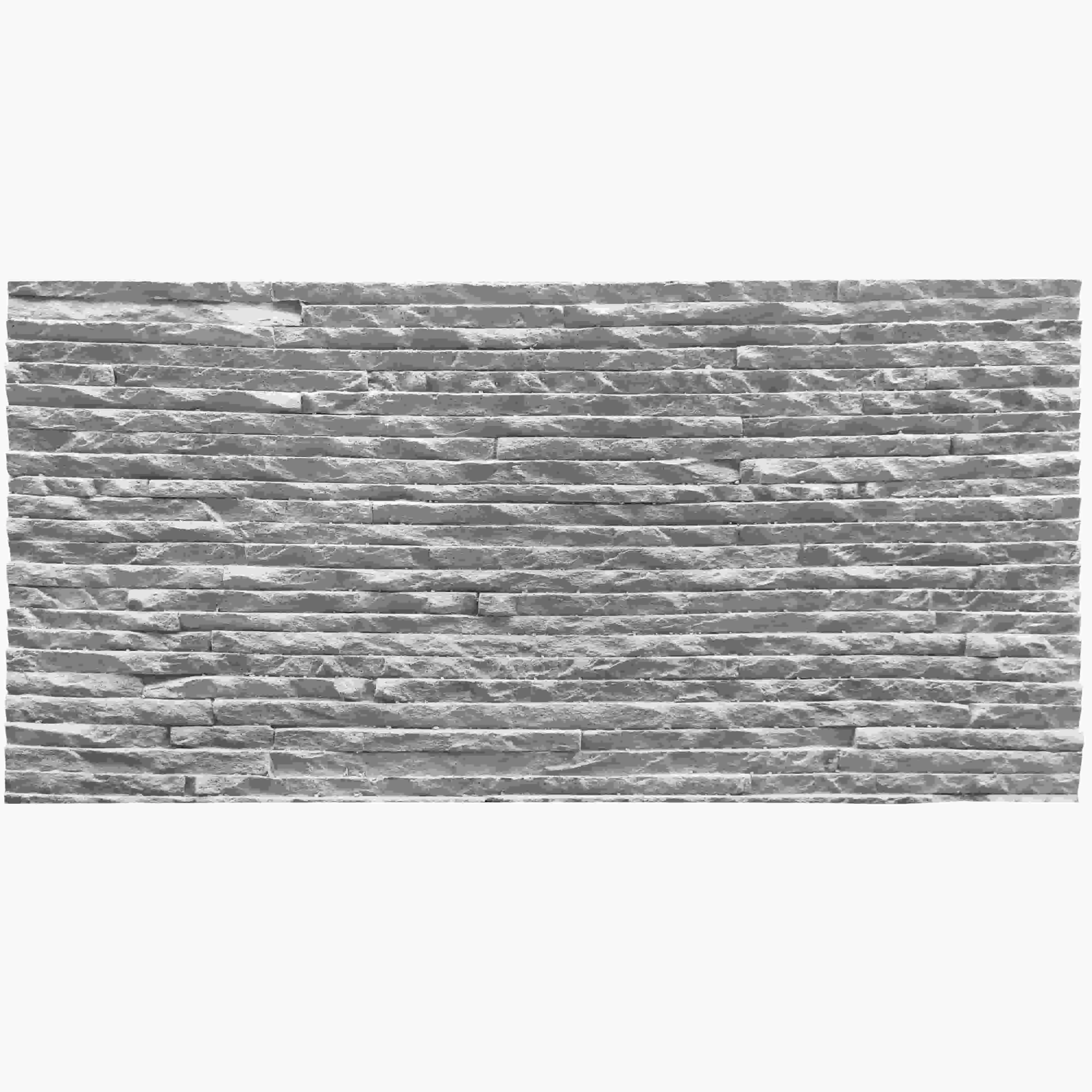
When you stroll through a neighborhood, what lingers in your memory? Is it the way sunlight dances on the rough, red surface of a brick cottage, or the calm, understated elegance of a light grey facade that seems to blend with the sky? The exterior of a building is more than just walls and a roof—it's the first impression, the personality, the silent language that connects a structure to its surroundings. Today, we're diving into two materials that define this conversation: brick, the beloved classic that has stood the test of time, and Muretto Stone (Light Grey), the modern contender redefining contemporary design. Let's explore their stories, their strengths, and how to choose between them.
Brick isn't just a building material—it's a piece of history. For thousands of years, humans have shaped clay into blocks, fired them in kilns, and stacked them to create homes, temples, and cities. From the ancient streets of Babylon to the row houses of Boston, brick has been a constant, evolving with each era but never losing its core charm: warmth. There's something inherently inviting about brick. Its earthy tones—deep reds, burnt oranges, soft browns—feel like a hug from the past. Run your hand over a brick wall, and you'll feel the irregularities: the slight bumps where the clay dried unevenly, the tiny crevices that trap decades of rain and sun. These imperfections aren't flaws; they're character. They tell you this building has lived, weathered storms, and stood firm.
Durability is another feather in brick's cap. Think about the oldest buildings in your town—chances are, many of them are brick. Why? Because brick laughs in the face of fire (it's naturally fire-resistant), scoffs at pests (termites and rodents can't chew through it), and shrugs off rain, snow, and wind. A well-built brick wall can last over a century with minimal upkeep. Sure, it might chip here and there, or the mortar between the bricks might crack (a process called "spalling"), but those are easy fixes. Repointing—the act of replacing old mortar with fresh—can breathe new life into a brick facade, making it look decades younger.
But brick isn't without its quirks. Installing it is an art form. It requires skilled masons who can lay each brick with precision, ensuring the wall is level, stable, and weather-tight. And brick is heavy—really heavy. A single standard brick weighs about 5 pounds, and a wall can add thousands of pounds to a building's structure. That means you need a strong foundation, which adds to the cost and complexity of construction. Maintenance, while manageable, isn't entirely hands-off. Over time, dirt, mold, or mildew can cling to the surface, dulling its color. A gentle scrub with water and mild detergent usually does the trick, but if you ignore it, those stains can become permanent.
Yet, for all these considerations, brick endures because it feels human . It's a material that ages gracefully, growing more beautiful with each passing year. It's the material of family homes, cozy cafes, and community centers—places that feel like they belong.
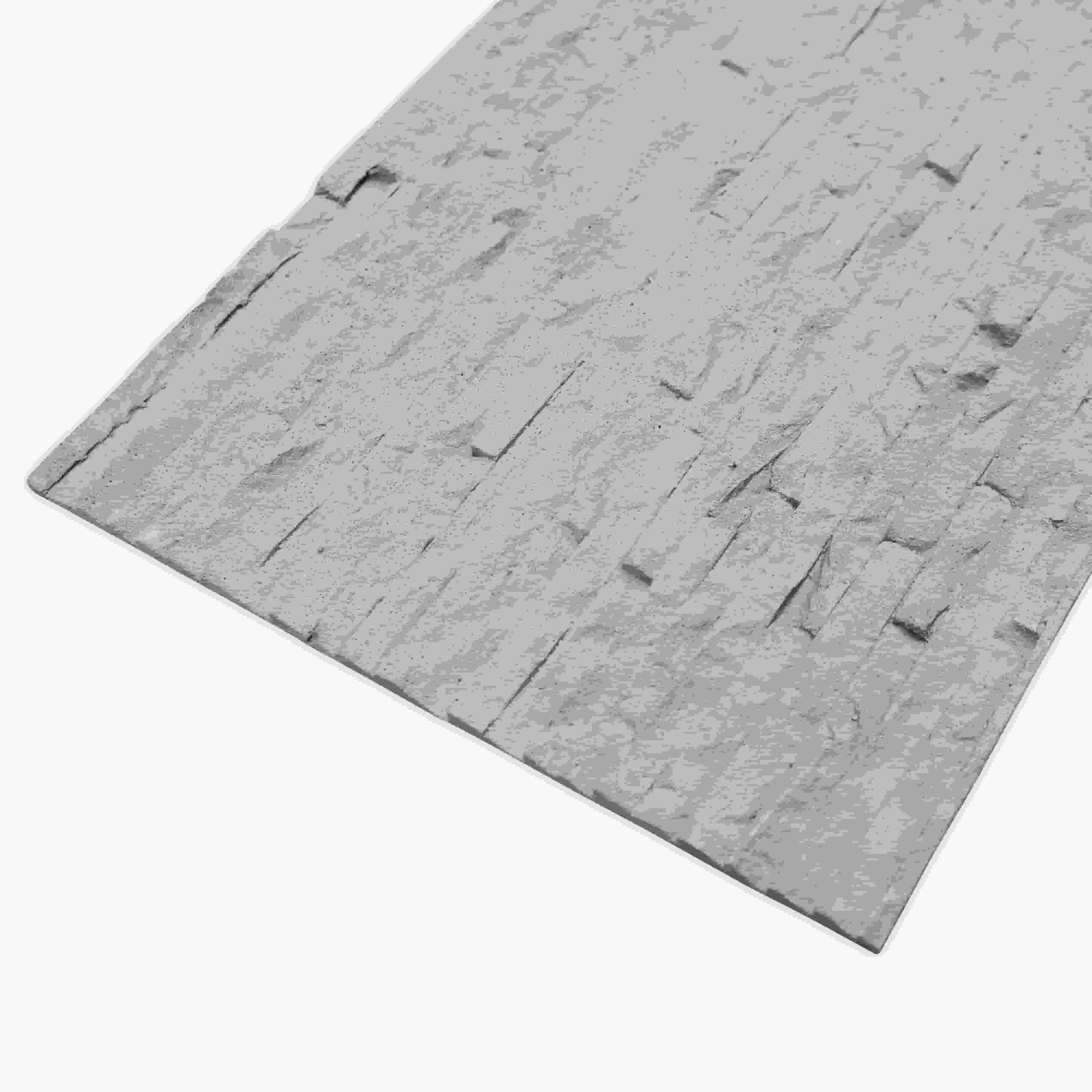
Now, let's shift to the other end of the spectrum: Muretto Stone (Light Grey). If brick is a well-loved novel, Muretto Stone is a crisp, modern poem—short, impactful, and full of subtle depth. At first glance, you might mistake it for natural stone, but look closer, and you'll notice something different: a smoothness, a consistency, a lightness that feels almost… flexible. That's because Muretto Stone (Light Grey) is often part of the MCM (Modified Composite Material) family, specifically designed as a MCM flexible cladding stone wall option. In simpler terms, it's stone reimagined for the 21st century.
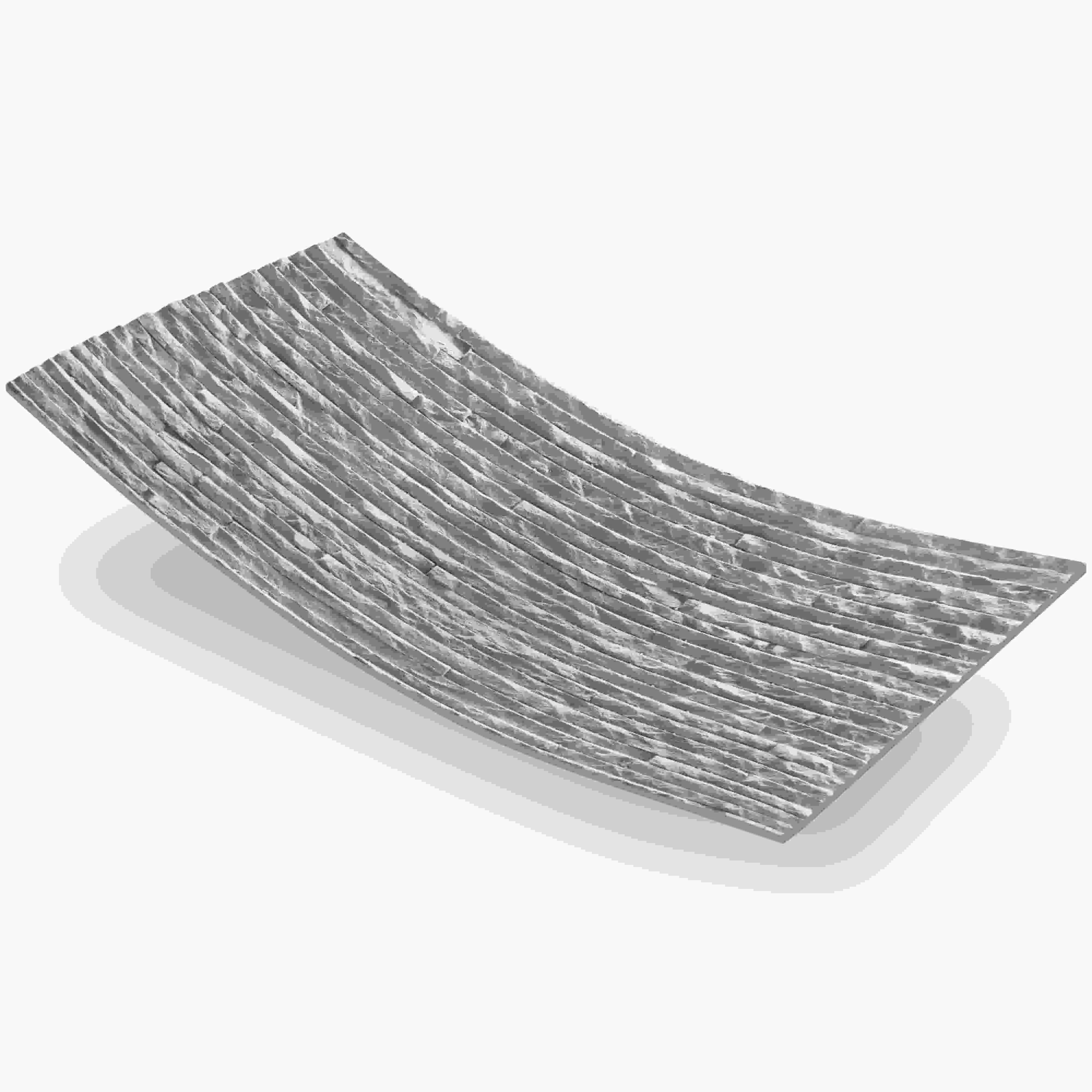
So, what makes MCM flexible cladding so special? Traditional stone cladding can be thick, heavy, and unforgiving. If a building shifts (and all buildings do, slightly, over time), rigid stone can crack. Not Muretto Stone. As a flexible stone , it has a little give—enough to handle minor movements without breaking. That flexibility also makes it incredibly versatile. It can cling to curved walls, wrap around corners, or even be used on ceilings (yes, ceilings!) without the risk of falling. And it's lightweight—about a third the weight of natural stone—so it doesn't require a beefed-up foundation. That's a game-changer for modern architects, who love pushing the limits of design with cantilevers, asymmetrical shapes, and bold facades.
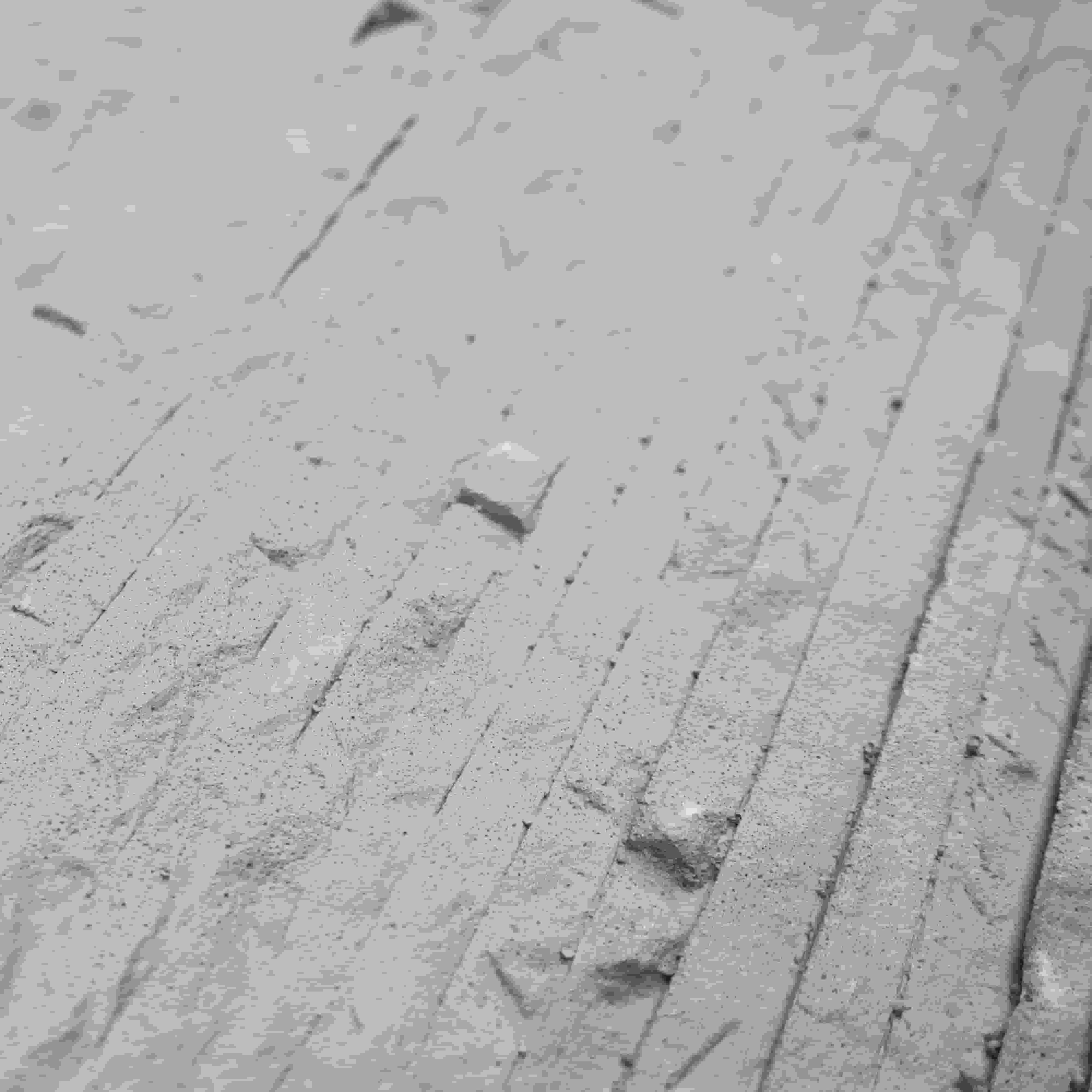
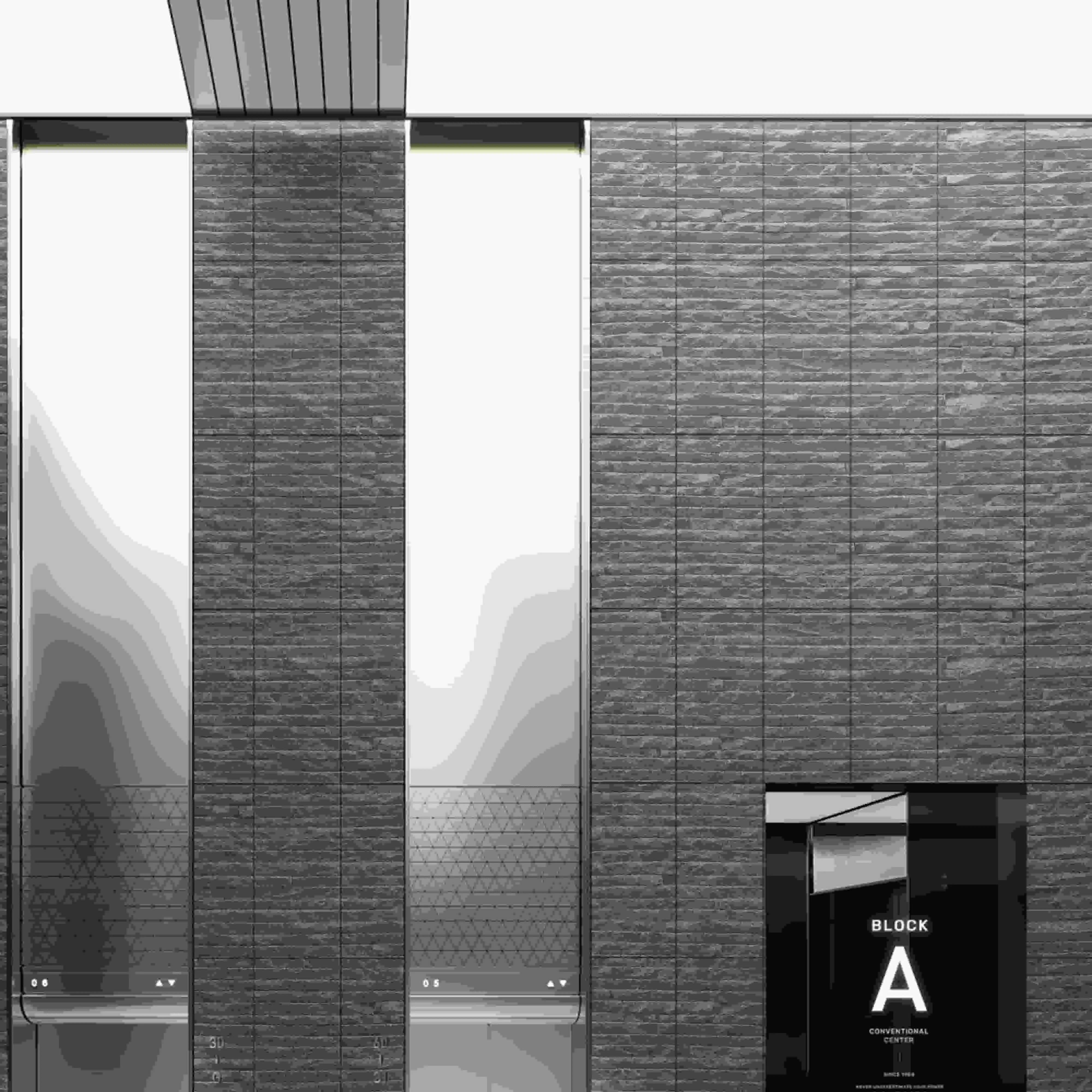
Aesthetically, Muretto Stone (Light Grey) is a master of understatement. Its light grey hue is neutral enough to complement any color palette—think soft whites, deep blues, or warm woods—but it has enough depth to stand on its own. The surface is smooth but not sterile; run your hand over it, and you'll feel tiny, intentional textures that mimic the look of quarried stone without the unevenness. It's the kind of material that lets the architecture speak for itself, rather than stealing the show. In a world where "less is more" reigns, Muretto Stone (Light Grey) is the quiet achiever.
Durability? It's a overachiever here, too. Muretto Stone is engineered to resist the elements: rain slides off its surface, UV rays don't fade its color, and it's impervious to mold and mildew. Unlike brick, which can absorb moisture and crack in freezing temperatures, Muretto Stone's non-porous surface repels water, making it ideal for humid or cold climates. And because it's factory-made, each panel is consistent in quality—no surprises, no weak spots. Installation is a breeze compared to brick. Since it's lightweight, you don't need a team of masons; a small crew with basic tools can install it in days, not weeks. It can be fixed with adhesive or mechanical fasteners, and there's no need for mortar. That means less labor, less mess, and faster project timelines.
Maintenance? Minimal. A quick rinse with a garden hose once or twice a year is all it takes to keep it looking fresh. No repointing, no sealing, no scrubbing. It's the perfect material for busy homeowners or commercial builders who don't want to worry about ongoing upkeep. And let's talk sustainability. MCM materials often use recycled stone or minerals, reducing waste. Their lightweight nature also cuts down on transportation emissions—trucks can carry more panels per trip, using less fuel. Plus, since Muretto Stone lasts so long (decades, with proper care), you won't be replacing it anytime soon, which is better for the planet, too.
Still on the fence? Let's break it down side by side. Here's how these two materials stack up in key areas:
| Feature | Brick | Muretto Stone (Light Grey) |
|---|---|---|
| Aesthetics | Warm, earthy tones (red, orange, brown); rough, organic texture with visible mortar lines. Evokes tradition and coziness. | Neutral light grey; smooth, consistent finish with subtle, stone-like texture. Feels modern, calm, and sophisticated. |
| Durability | High. Resistant to fire, pests, and weathering. May chip or erode over 50+ years; mortar can crack (requires repointing). | Excellent. Flexible and impact-resistant; resists moisture, UV rays, and fading. Minimal wear over 30+ years with no cracking. |
| Installation | Labor-intensive. Requires skilled masons; heavy, so needs strong foundation. Slow (100–200 sq ft/day per mason). | Lightweight. Can be installed with basic tools; adhesive or mechanical fixing. Fast (300–500 sq ft/day per crew). |
| Maintenance | Moderate. Occasional repointing (every 20–30 years); cleaning to remove mold/mildew; may need painting/staining for color refresh. | Low. Simple rinse with water; no repointing, sealing, or painting needed. Stains wipe off easily. |
| Cost | Mid-range. $8–$15 per sq ft (materials + labor). Higher upfront labor costs; lower long-term replacement needs. | Mid-to-high. $10–$20 per sq ft (materials + labor). Higher material cost offset by lower labor; long lifespan reduces total cost over time. |
| Environmental Impact | Sustainable if locally sourced. Recyclable, but production is energy-intensive (firing kilns). Heavy weight increases transportation emissions. | Eco-friendly. MCM uses recycled materials; lightweight reduces transportation emissions. Low maintenance cuts down on resource use. |
At the end of the day, there's no "better" material—only the right material for your vision. Let's say you're restoring a 1920s bungalow in a historic district. Brick is a no-brainer. It will blend seamlessly with the neighborhood's character, honor the home's history, and feel like it's always been there. Pair it with lime stone(beige) trim for a classic, cohesive look, and you'll have a facade that feels both timeless and welcoming.
On the flip side, if you're building a modern home with clean lines, floor-to-ceiling windows, and an open floor plan, Muretto Stone (Light Grey) would shine. It won't compete with the architecture; instead, it will enhance it, creating a sense of calm and spaciousness. Imagine it paired with fair-faced concrete accents and black metal fixtures—that's modern design at its best: bold, balanced, and utterly unforgettable.
And here's the beauty: you don't have to choose one or the other. Some designers mix brick and Muretto Stone to create hybrid facades that bridge tradition and modernity. Picture a brick base with Muretto Stone cladding above, or a brick chimney popping through a Muretto roofline. It's a way to honor the past while embracing the future—and that's where the magic of design truly happens.
Whether you lean into brick's warm nostalgia or Muretto Stone (Light Grey)'s sleek modernity, remember this: your building's exterior is an extension of your values. Do you prioritize tradition, craftsmanship, and a connection to history? Brick is your partner. Are you drawn to innovation, sustainability, and forward-thinking design? Muretto Stone is ready to collaborate.
At the end of the day, the best exterior material is the one that makes you smile every time you come home—or makes a stranger pause and think, "Wow, that's beautiful." Because in the end, buildings are for people, and people connect with stories. So tell yours boldly, whether it's written in brick or carved in MCM flexible cladding stone. The world is waiting to read it.
Recommend Products












