
Which Material Stands the Test of Time for Your Outdoor Spaces?
When it comes to designing the exterior of a home or commercial building, the choice of material isn't just about aesthetics—it's about longevity. After all, what good is a stunning facade if it fades, cracks, or rots within a few years? Homeowners, architects, and contractors alike often find themselves torn between materials that offer the beauty of nature and those that promise the resilience of modern engineering. Today, we're diving deep into two popular contenders: Muretto Stone (Light Grey) , a sleek, stone-inspired cladding option, and poly wood board , a wood-alternative favorite. Both claim to balance style and durability, but how do they really stack up when the rain pours, the sun blazes, and the years roll by? Let's break it down.
First, a quick note: we're focusing on exterior applications here—think siding, facades, outdoor patios, decks, and even accent walls. These spaces face the harshest of conditions: relentless UV rays, pounding rain, freezing snow, humidity, and temperature swings that can make even the sturdiest materials sweat. Durability isn't just a buzzword here; it's the difference between a space that looks fresh after a decade and one that needs a full overhaul. So, let's start by getting to know each material up close.
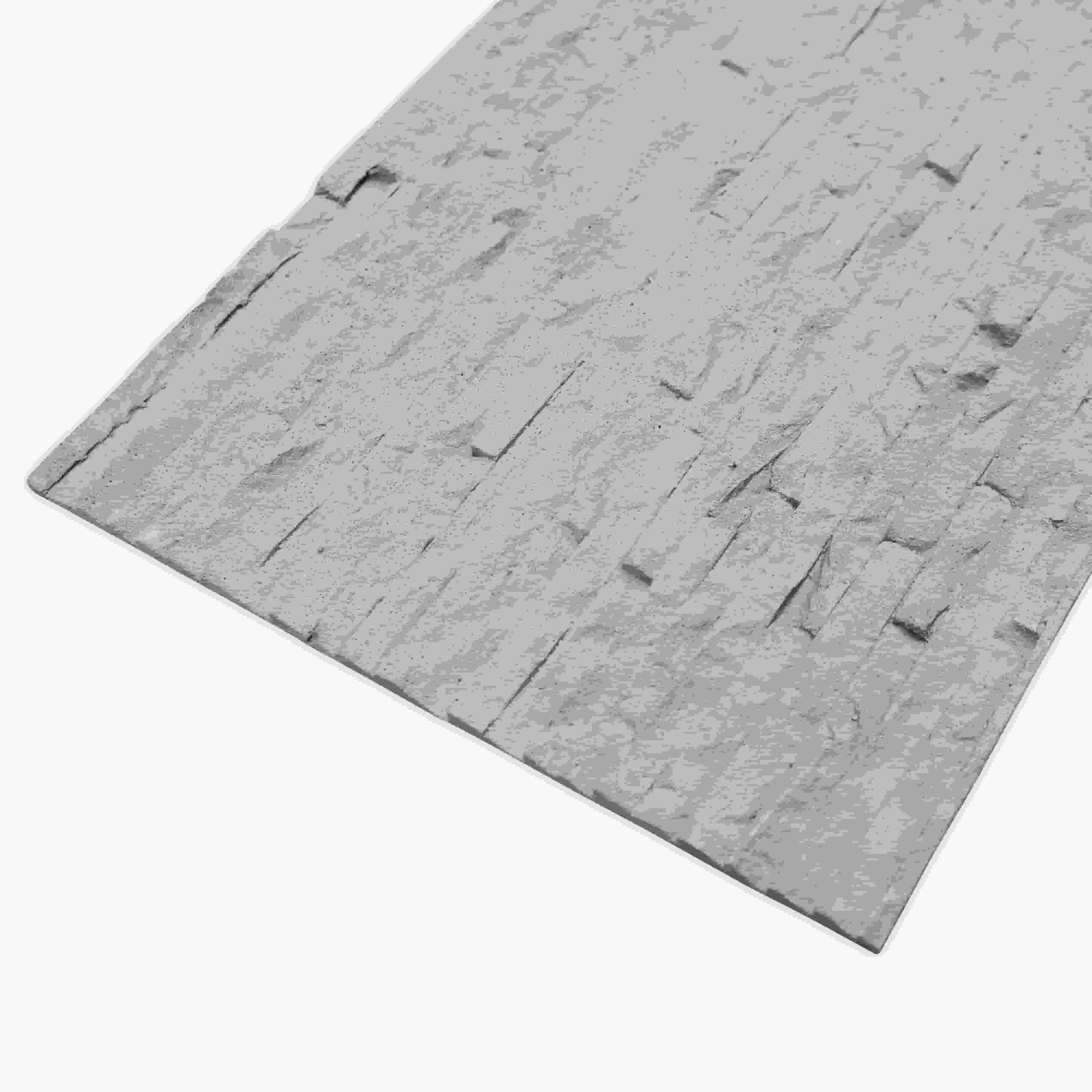
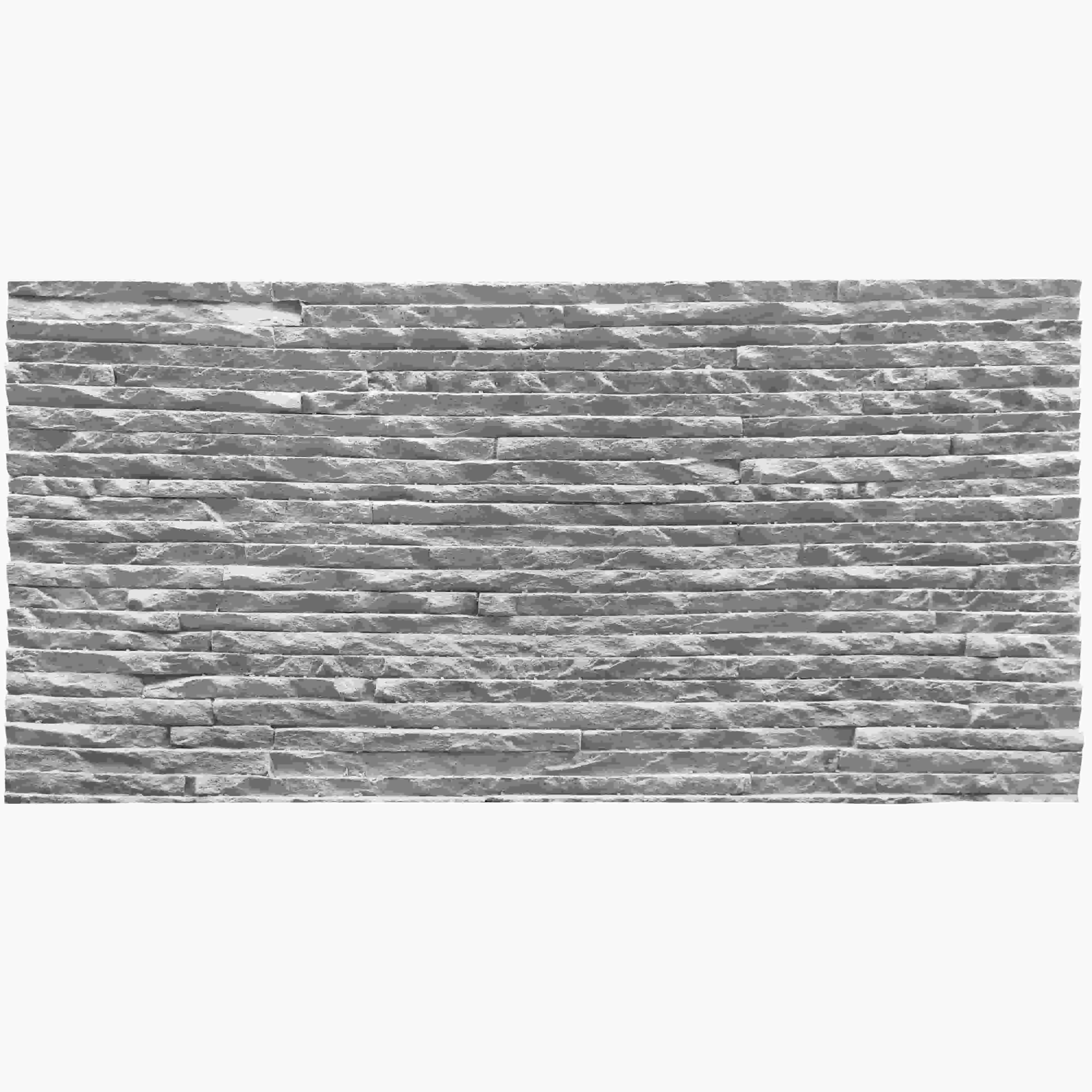
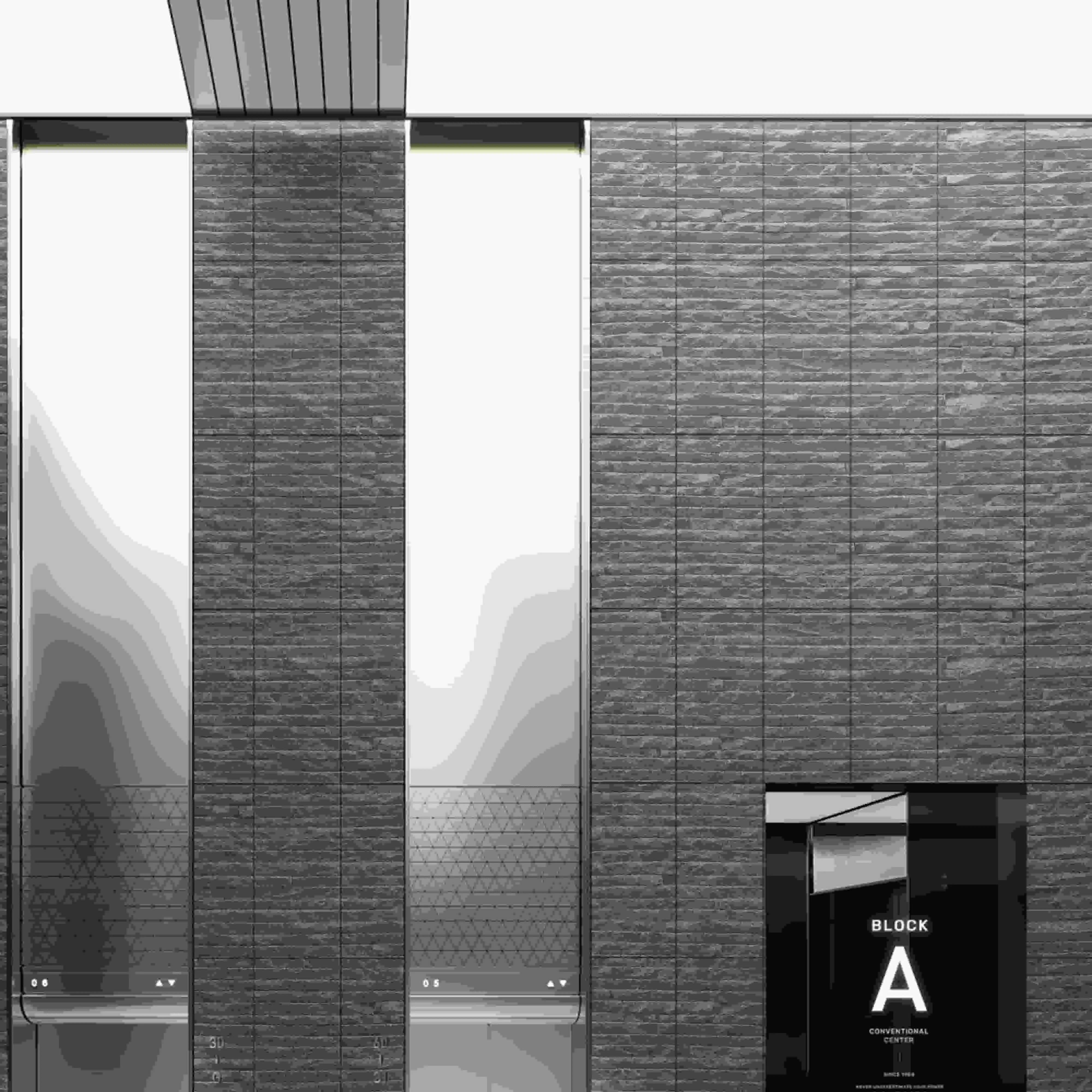
If you've ever walked through a European village and admired the weathered, textured stone walls of cottages and townhomes, you'll recognize the charm that Muretto Stone (Light Grey) aims to capture. But this isn't your grandmother's limestone or sandstone—it's a modern take on natural stone, engineered to perform better in the chaos of the outdoors. Part of the broader category of flexible stone cladding (a type of Modified Composite Material, or MCM), Muretto Stone (Light Grey) is designed to mimic the look and feel of traditional muretto stone (a rough, hewn stone common in Mediterranean architecture) while ditching the heaviness and fragility of natural stone.
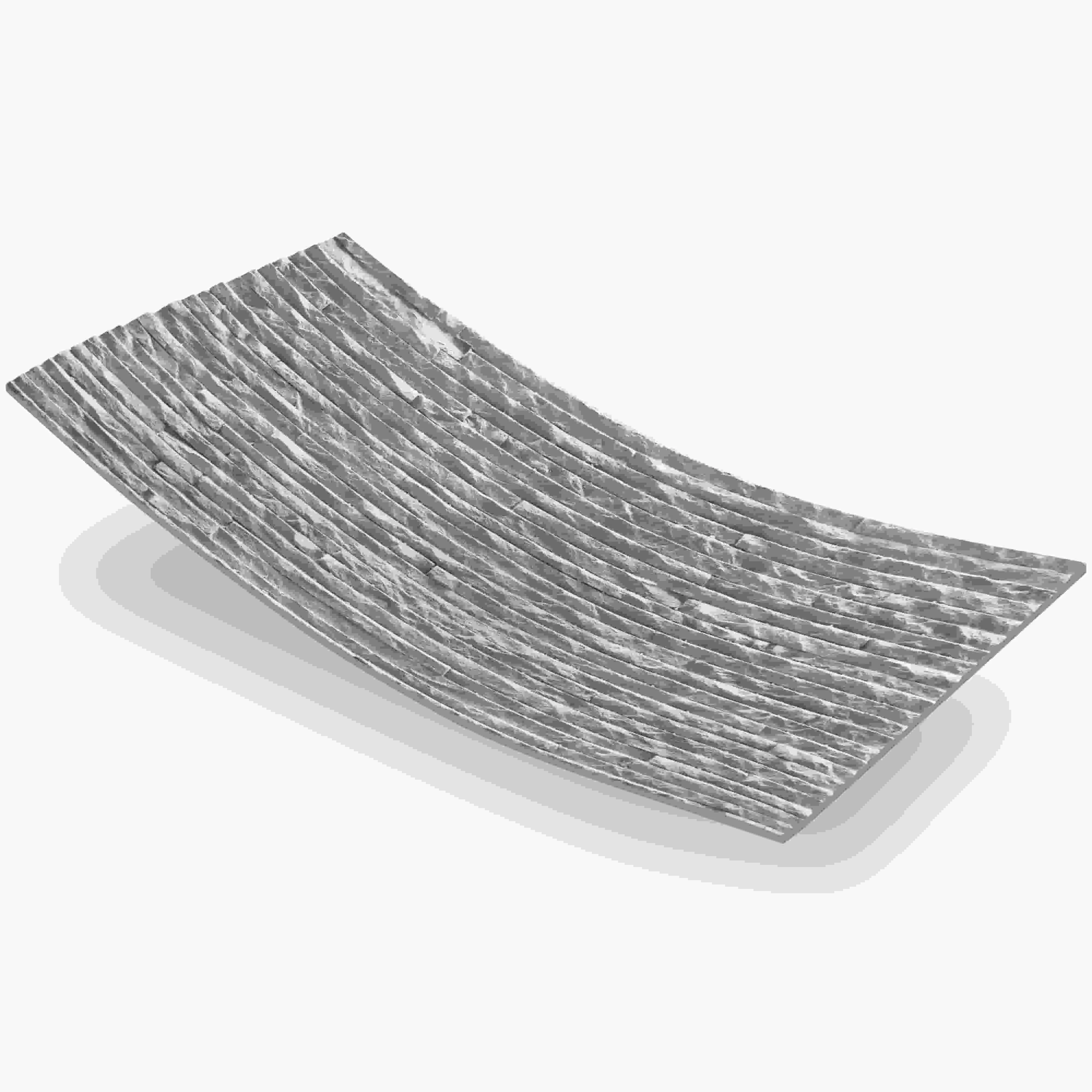
So, what's it made of? At its core, Muretto Stone (Light Grey) is a blend of natural stone particles, resins, and reinforcing fibers. This mix creates a material that's lightweight (a fraction of the weight of natural stone), flexible (it can bend slightly without cracking, making installation on curved surfaces a breeze), and incredibly dense. The light grey hue is intentional—neutral enough to complement any architectural style, from modern minimalism to rustic farmhouse, with subtle variations in tone and texture that give it that "lived-in" character without the maintenance headaches.
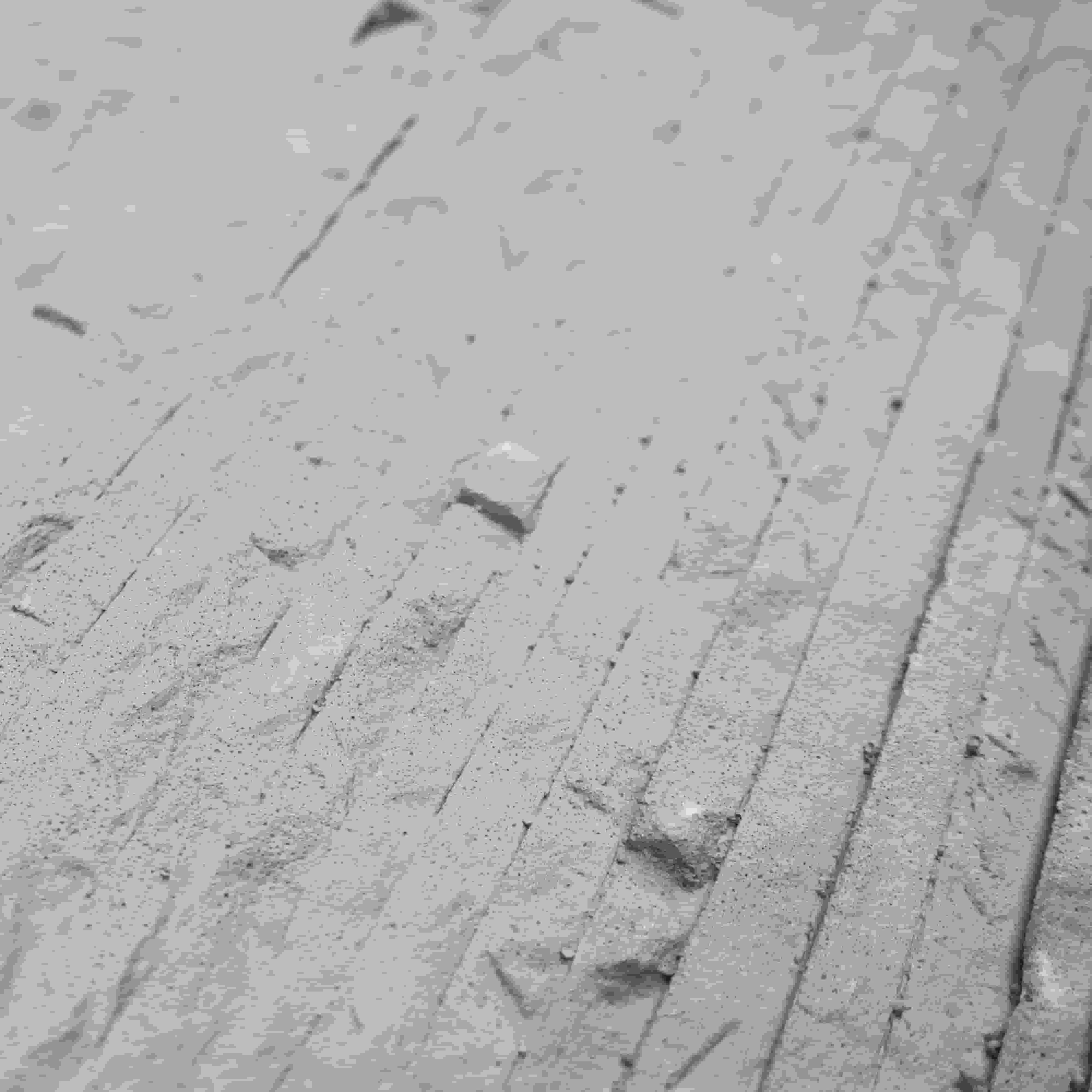
One of the first things you'll notice about Muretto Stone (Light Grey) is its texture. Unlike smooth, polished marble or granite, it has a matte, slightly rough surface—think of the feel of a weathered stone wall that's been touched by decades of rain and wind. This texture isn't just for show; it helps hide minor scratches and scuffs, which is a huge plus for high-traffic exterior areas. And because it's a composite, manufacturers can control the consistency of the material, ensuring that each panel looks like part of a cohesive whole while still retaining the organic, natural variation that makes stone so appealing.
But here's where it gets interesting: Muretto Stone (Light Grey) isn't just a pretty face. Its engineering makes it a standout in durability. Let's compare it to natural stone for a second: natural limestone, for example, is porous, meaning it can absorb water, leading to cracking in freezing temperatures or staining from rainwater. Muretto Stone (Light Grey), on the other hand, is non-porous (or nearly so), thanks to the resin binders that seal the stone particles together. That means no water absorption, no freeze-thaw damage, and no unsightly stains from dirt or algae. It's like having the beauty of natural stone with a suit of armor built in.
Now, let's shift gears to poly wood board —the "new kid on the block" in the world of exterior materials, though it's been around long enough to prove its worth. Poly wood (short for "polyethylene wood") is a composite material made by blending wood fibers (or sawdust) with plastic resins (usually HDPE, or high-density polyethylene). The result? A material that looks and feels like wood but claims to be resistant to the issues that plague natural wood: rot, mold, warping, and insect infestations.
If Muretto Stone (Light Grey) is all about channeling the rugged elegance of stone, poly wood board leans into the warmth and familiarity of wood. It comes in a range of finishes, from rich mahogany to soft cedar, with grain patterns that mimic the real thing so closely that you might find yourself reaching out to check if it's "real" wood. This aesthetic versatility has made it a go-to for homeowners who love the look of wood but don't want to deal with annual staining, sealing, or replacing rotted boards.
Poly wood board is often marketed as "maintenance-free," and for good reason. Unlike natural wood, it doesn't require painting, staining, or sealing. A quick hose-down with soap and water a few times a year is usually enough to keep it looking clean. It's also resistant to splintering, which is a big win for families with kids or pets who spend time outdoors. And because it's made with plastic, it's impervious to termites, carpenter ants, and other wood-boring pests—no more worrying about hidden infestations eating away at your deck or siding.
But poly wood board isn't without its quirks. For one, it's heavier than natural wood, which can make installation a bit more labor-intensive. It also has a tendency to expand and contract with temperature changes, which means installers need to leave gaps between boards to prevent warping or buckling. And while it's designed to resist fading, some users report that intense sunlight can still cause the color to lighten over time, especially in darker shades. Still, compared to natural wood, which can warp, crack, and rot within 5-10 years in harsh climates, poly wood board seems like a durable alternative—at least on paper.
Now, the moment we've been waiting for: comparing Muretto Stone (Light Grey) and poly wood board head-to-head in the durability department. We'll evaluate them across six critical categories that make or break exterior materials: weather resistance, impact resistance, UV stability, moisture resistance, temperature fluctuation tolerance, and longevity with maintenance.
When we talk about weather resistance, we're talking about how well a material holds up against rain, snow, sleet, hail, and even salt spray (for coastal areas). Let's start with Muretto Stone (Light Grey).
Muretto Stone (Light Grey): Thanks to its dense, non-porous composition, Muretto Stone (Light Grey) is a champion here. Rainwater beads up and runs off the surface instead of soaking in, which means no water damage, no mold growth, and no efflorescence (that white, powdery residue that forms on porous stones when water evaporates). In snowy climates, it doesn't absorb moisture, so freezing temperatures won't cause it to crack (a common issue with natural stone, which expands when water freezes inside its pores). And for coastal properties? The resin binders in Muretto Stone (Light Grey) resist corrosion from saltwater, making it a better choice than metal cladding or even some natural stones that can pit or discolor from salt spray.
Poly Wood Board: Poly wood board is also water-resistant, but not quite as impervious as Muretto Stone. While it won't rot like natural wood, prolonged exposure to standing water can cause some swelling, especially if the boards aren't properly ventilated. In areas with heavy rainfall or high humidity, you might notice the edges of poly wood boards softening slightly over time. Hail is another concern: while small hailstones might bounce off, larger ones (an inch or more in diameter) can leave dents or even crack the surface, especially if the board is thin. And saltwater? Poly wood board can handle it, but the plastic components may degrade faster in coastal air, leading to brittleness over time.
Winner: Muretto Stone (Light Grey). Its non-porous, dense structure gives it the edge in all weather conditions, from heavy rain to salt spray.
Exterior materials take a beating from more than just the weather. Think about kids playing with balls, stray branches blowing in the wind, or even accidental bumps from ladders or gardening equipment. Impact resistance matters.
Muretto Stone (Light Grey): Stone is inherently tough, and Muretto Stone (Light Grey) is no exception. Its high density and fiber reinforcement make it resistant to dents and scratches. A stray baseball or a falling branch might leave a small mark, but it's unlikely to crack or chip. Even a hard impact with a ladder is more likely to damage the ladder than the stone panel. This is a big advantage for high-traffic areas like commercial building facades or outdoor patios where accidental impacts are common.
Poly Wood Board: Poly wood board is softer than stone, so it's more prone to dents and scratches. A heavy object dropped on it (like a toolbox or a potted plant) can leave a noticeable indentation, and sharp objects (like a shovel or a bike) can scratch the surface, exposing the inner wood fibers. While these blemishes are mostly cosmetic, they can accumulate over time, making the material look worn. Some manufacturers add impact modifiers to their poly wood formulas, but even then, it can't match the toughness of stone.
Winner: Muretto Stone (Light Grey). Its stone composite composition makes it far more impact-resistant.
The sun's UV rays are a silent enemy of exterior materials, breaking down pigments and causing colors to fade over time. Let's see how our two contenders hold up.
Muretto Stone (Light Grey): Most manufacturers add UV inhibitors to the resin binders in Muretto Stone (Light Grey), which helps prevent color fading. The light grey color itself is also an advantage—darker colors absorb more heat and fade faster, but light grey reflects sunlight, reducing UV damage. In fact, tests show that Muretto Stone (Light Grey) retains up to 90% of its original color after 10 years of direct sunlight exposure. Even in sunny regions like Arizona or Florida, you're unlikely to notice significant fading, just a slight mellowing of the tone that can actually enhance its "weathered" charm.
Poly Wood Board: Poly wood board also contains UV stabilizers, but it's more prone to fading than stone. Darker poly wood colors (like mahogany or walnut) fade the fastest, often turning a lighter, more washed-out shade within 3-5 years. Lighter colors (like cedar or natural wood tones) hold up better, but even they can lose their vibrancy over time. Some brands offer "fade-resistant" formulas, but independent tests show that most poly wood boards still fade more noticeably than Muretto Stone (Light Grey) after prolonged sun exposure. And once the color fades, there's not much you can do—unlike natural wood, you can't stain poly wood board to restore its color.
Winner: Muretto Stone (Light Grey). Its UV-resistant formulation and light color give it superior fade resistance.
Moisture isn't just about rain—it's about humidity, dew, and even condensation that can get trapped behind cladding or under deck boards. Excess moisture leads to mold, mildew, and rot, so resistance here is crucial.
Muretto Stone (Light Grey): As we mentioned earlier, Muretto Stone (Light Grey) is non-porous, so it doesn't absorb moisture. That means no mold, no mildew, and no rot—ever. Even in humid climates like the American South or Southeast Asia, where mold thrives, Muretto Stone (Light Grey) stays clean and dry. It's also resistant to efflorescence, which is a big plus for maintaining its appearance. Installers love it because it doesn't require a vapor barrier (though proper ventilation is still recommended to prevent moisture buildup behind the panels).
Poly Wood Board: Poly wood board is moisture-resistant, but not completely moisture-proof. While it won't rot, trapped moisture between boards can lead to mold growth on the surface (though this is mostly cosmetic and can be cleaned off). In very humid environments, you might also notice a slight "sweating" on the surface of poly wood boards, which can make them slippery when wet. And if the boards are installed too tightly (without proper gaps for ventilation), moisture can get trapped and cause the plastic components to degrade over time, leading to brittleness.
Winner: Muretto Stone (Light Grey). Its non-porous nature makes it impervious to mold, mildew, and rot.
Materials expand when heated and contract when cooled, and extreme temperature swings (common in places like the Midwest, where you can have -20°F winters and 100°F summers) can cause cracking, warping, or buckling. Let's see how Muretto Stone (Light Grey) and poly wood board handle the heat and cold.
Muretto Stone (Light Grey): Stone is known for its thermal stability, and Muretto Stone (Light Grey) is no exception. Its low thermal expansion coefficient means it expands and contracts very little with temperature changes. Even in regions with extreme swings, you're unlikely to see cracks or warping. In fact, it's often used in passive heating and cooling systems because it absorbs heat during the day and releases it at night, helping regulate building temperatures. The only caveat? In very hot weather, the surface can get warm to the touch, but that's a minor issue compared to warping or cracking.
Poly Wood Board: Poly wood board has a higher thermal expansion coefficient than stone, meaning it expands and contracts more with temperature changes. In hot weather, boards can expand and push against each other, causing buckling or "cupping" (edges lifting up). In cold weather, they contract, leaving larger gaps between boards. This is why installers have to be meticulous about leaving expansion gaps—usually 1/4 to 3/8 of an inch between boards, depending on the climate. Even with proper gaps, extreme temperature swings can still cause minor warping over time, especially in thin or low-quality poly wood boards.
Winner: Muretto Stone (Light Grey). Its thermal stability makes it ideal for regions with extreme temperature fluctuations.
Durability isn't just about resisting damage—it's about how long a material lasts with minimal upkeep. Let's compare lifespans and maintenance needs.
Muretto Stone (Light Grey): When it comes to longevity, Muretto Stone (Light Grey) is a heavyweight. Most manufacturers warranty it for 20-25 years, but in reality, it can last 30+ years with proper installation. Maintenance is minimal: a quick rinse with a hose every few months to remove dirt and debris, and maybe a gentle scrub with a soft brush and mild detergent if it gets particularly dirty. There's no need for sealing, painting, or staining—ever. Even if a panel gets damaged (say, from a fallen tree branch), it can be replaced individually without having to redo the entire facade or patio.
Poly Wood Board: Poly wood board has a shorter lifespan, typically 15-20 years with good maintenance. While it's low-maintenance compared to natural wood, it still requires more upkeep than Muretto Stone. You'll need to clean it regularly to prevent mold growth, and if it fades significantly, you might want to replace it sooner for aesthetic reasons. Some brands offer warranties of 25 years, but these often cover structural issues (like cracking or warping) rather than cosmetic issues (like fading). And because poly wood board is heavier and more rigid, replacing individual boards can be trickier, especially if the surrounding boards have expanded or contracted over time.
Winner: Muretto Stone (Light Grey). Longer lifespan and virtually no maintenance make it the clear choice here.
So far, Muretto Stone (Light Grey) has come out on top in every durability category, but that doesn't mean poly wood board doesn't have its place. Let's look at some real-world scenarios where each material might be the better choice.
Commercial Buildings: Office complexes, hotels, and retail spaces often use Muretto Stone (Light Grey) for their facades because of its durability and professional, polished look. It can withstand heavy foot traffic, harsh weather, and the wear and tear of commercial use, all while maintaining its aesthetic appeal for decades.
High-End Residences: Homeowners who want a luxurious, natural stone look without the weight and cost of real stone often choose Muretto Stone (Light Grey) for exterior accent walls, entryways, or patio cladding. Its light grey color complements modern and traditional homes alike, adding texture and depth to the exterior.
Coastal Properties: Thanks to its saltwater resistance, Muretto Stone (Light Grey) is a favorite for beach houses and coastal businesses. It won't corrode or discolor from salt spray, and its durability means it can handle the strong winds and rain common in coastal areas.
Historic Renovations: When restoring historic buildings, architects often look for materials that mimic the original stone while offering modern durability. Muretto Stone (Light Grey)'s weathered texture and neutral color make it a great match for historic facades, blending in seamlessly with the original architecture.
Outdoor Decks and Patios: Poly wood board is a popular choice for decks because of its wood-like appearance and slip resistance (when wet). It's also comfortable underfoot, stone, which can get hot in the sun. Just keep in mind that it may need replacement sooner than stone.
Fences and Railings: For fences and railings, the warm, natural look of poly wood board is hard to beat. It's also lightweight enough for DIY installation, which appeals to homeowners looking to save on labor costs.
Outdoor Furniture: Poly wood board is commonly used for outdoor chairs, tables, and benches because it's durable, easy to clean, and doesn't splinter. It's a great choice for residential backyards or small commercial spaces like cafes.
Temporary or Low-Budget Projects: If you're on a tight budget or don't plan to stay in your home long-term, poly wood board offers a more affordable upfront option than Muretto Stone (Light Grey), even if it needs replacement sooner.
Let's talk numbers. Cost is always a factor in material selection, and while Muretto Stone (Light Grey) has better durability, it does come with a higher upfront price tag. Let's break down the costs for a typical exterior project, like a 500-square-foot patio or facade.
| Cost Factor | Muretto Stone (Light Grey) | Poly Wood Board |
|---|---|---|
| Material Cost (per sq. ft.) | $15–$25 | $8–$15 |
| Installation Cost (per sq. ft.) | $8–$12 | $5–$10 |
| Total Upfront Cost (500 sq. ft.) | $11,500–$18,500 | $6,500–$12,500 |
| Lifespan | 30+ years | 15–20 years |
| Cost per Year (Average) | $383–$617 | $325–$833 |
As you can see, while poly wood board has a lower upfront cost, Muretto Stone (Light Grey) becomes more cost-effective over time thanks to its longer lifespan. For example, if you install poly wood board for $12,500 and need to replace it after 20 years, you'll spend another $12,500 (adjusted for inflation) for a total of $25,000 over 40 years. Muretto Stone (Light Grey), on the other hand, would only need one installation ($18,500) over 40 years, saving you money in the long run.
In today's world, environmental impact is just as important as durability and cost. Let's see how Muretto Stone (Light Grey) and poly wood board stack up in terms of sustainability.
Muretto Stone (Light Grey): As a flexible stone composite, Muretto Stone (Light Grey) has several eco-friendly advantages. First, it uses natural stone particles, which are abundant and don't require cutting down trees. Second, its lightweight nature reduces transportation costs and carbon emissions—less fuel is needed to transport panels to the job site compared to heavy natural stone. Third, because it's durable and long-lasting, it reduces the need for frequent replacements, which means less waste in landfills. Some manufacturers even use recycled stone dust in their formulas, further reducing environmental impact. The main downside? The resin binders are petroleum-based, which are non-renewable, but this is offset by the material's longevity.
Poly Wood Board: Poly wood board is often marketed as eco-friendly because it's made from recycled plastic (usually from milk jugs and detergent bottles) and wood fibers (often from sawmill waste). This keeps plastic out of landfills and reduces the demand for virgin wood. However, it's still a plastic-based product, which means it's not biodegradable. When it reaches the end of its lifespan, it can be recycled (if facilities are available), but many poly wood boards end up in landfills, where they take centuries to break down. Additionally, the manufacturing process for poly wood board requires energy to melt and mold the plastic, which contributes to carbon emissions.
Winner: It's a tie, depending on your priorities. Muretto Stone (Light Grey) has better longevity and lower replacement waste, while poly wood board uses recycled materials. If sustainability is your top concern, both are better than natural stone (which requires mining) or untreated natural wood (which contributes to deforestation).
After diving deep into the durability, maintenance, cost, and applications of Muretto Stone (Light Grey) and poly wood board, there's no denying that Muretto Stone (Light Grey) is the superior choice for exterior durability. Its ability to withstand weather, impacts, UV rays, moisture, and temperature fluctuations, combined with its long lifespan and minimal maintenance, makes it a smart investment for anyone looking to build or renovate an exterior space that will stand the test of time.
That said, poly wood board isn't a bad option—it's affordable, easy to install, and offers a warm, wood-like aesthetic that many homeowners love. It's best suited for projects where budget is a primary concern, or where the wood look is non-negotiable, like decks or fences in mild climates.
At the end of the day, the choice comes down to your priorities: Do you want a material that looks great and lasts decades with almost no upkeep? Go with Muretto Stone (Light Grey). Are you willing to trade some longevity for a lower upfront cost and a cozy, wood-like feel? Poly wood board might be the way to go.
Whichever you choose, remember that proper installation is key. Even the most durable material will fail if it's not installed correctly, so hire a reputable contractor who has experience with your chosen material. And if you're still on the fence, consider using both—Muretto Stone (Light Grey) for the main facade or patio, and poly wood board for accent pieces like railings or furniture. This way, you get the best of both worlds: durability where it matters most, and warmth where you want it.
In the battle of exterior durability, Muretto Stone (Light Grey) is the clear winner. It's not just a material—it's a long-term investment in the beauty and resilience of your outdoor space. And in a world where we're all looking to build things that last, that's a win worth celebrating.
Recommend Products












