
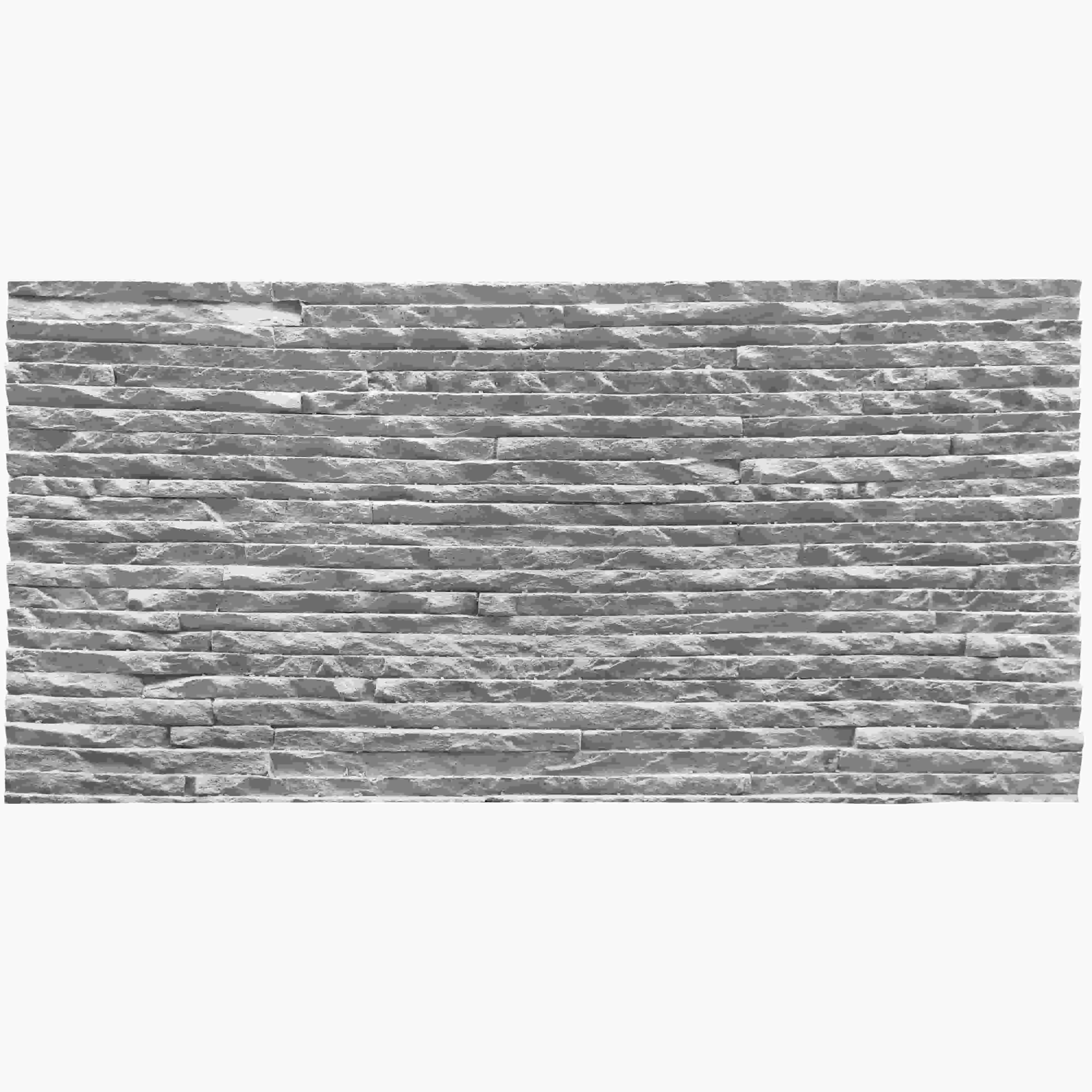
In the world of interior and exterior design, the smallest details often make the biggest impact. When it comes to cladding materials, few options blend durability, versatility, and aesthetic charm quite like Muretto Stone. Today, we're zooming in on two of its most sought-after shades—light grey and dark grey—to help you decide which one will turn your space from "nice" to "unforgettable." Whether you're revamping a home, designing a café, or planning a commercial project, let's explore how these two tones shape mood, style, and functionality.
Before we dive into shades, let's get to know Muretto Stone a little better. Part of the broader family of flexible stone cladding panels , Muretto Stone is a modified composite material designed to mimic the look and texture of natural stone—think weathered limestone or aged granite—without the heaviness or installation hassle. It's lightweight, resistant to moisture and UV rays, and boasts a unique surface texture that adds depth to any wall or facade. What sets it apart? Its flexibility makes it ideal for curved surfaces, and its neutral color palette ensures it pairs seamlessly with other materials, from wood to metal to glass. Now, let's meet the two stars of the show: light grey and dark grey Muretto Stone.
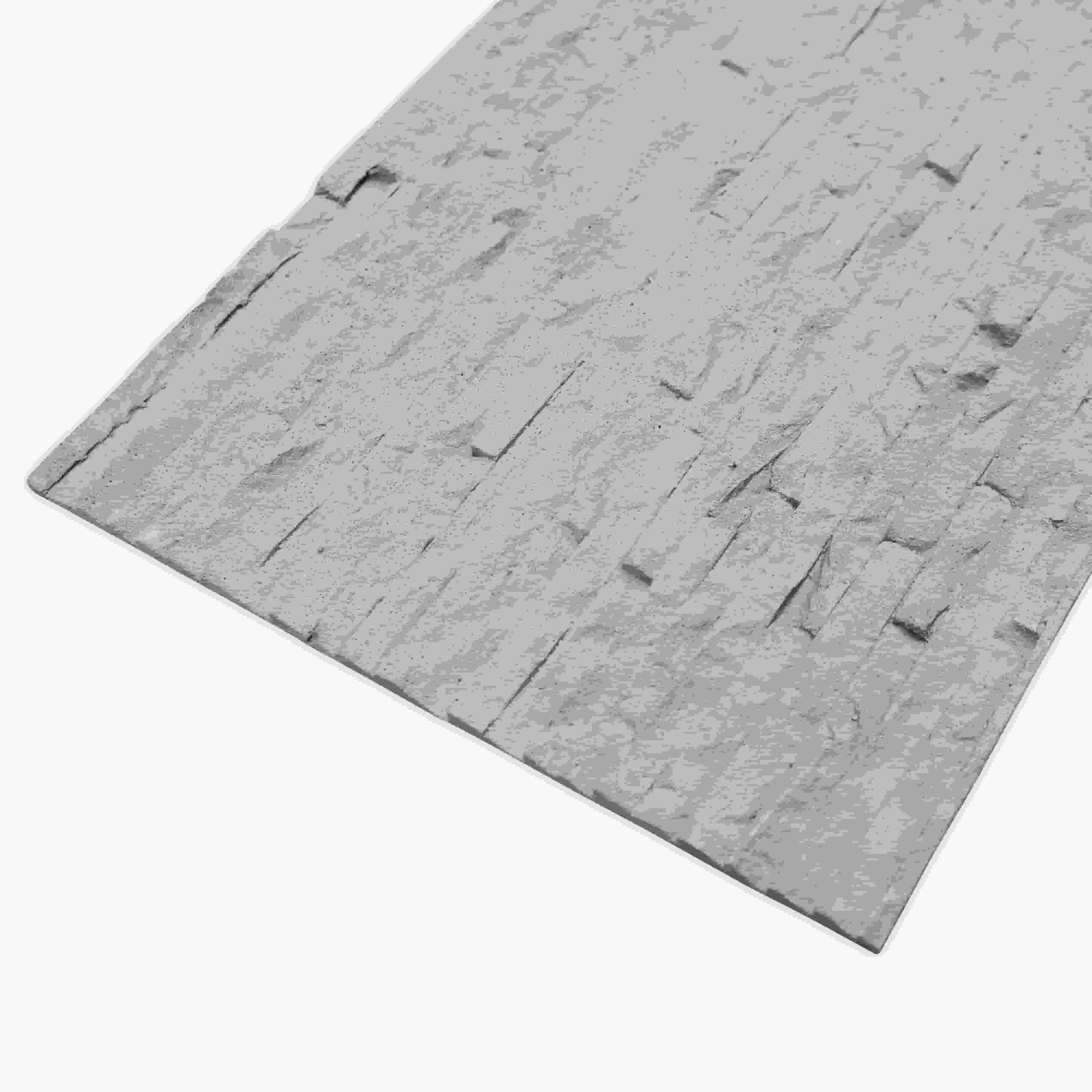
Light grey Muretto Stone is like a breath of fresh air in design. Picture a soft, silvery-grey hue with subtle undertones of warm beige or cool blue, depending on the light. Its texture is gently textured—think the smoothness of fair-faced concrete but with the organic, handcrafted feel of natural stone. This shade doesn't just cover walls; it elevates them into backdrops that feel calm, open, and timeless.
Small rooms? Low natural light? Light grey Muretto Stone is your secret weapon. It reflects sunlight, making even compact spaces feel larger and brighter. A client once told me they used it in their 600-square-foot apartment's living room, and visitors regularly mistake it for being 100 square feet bigger. It's also a chameleon when it comes to style: pair it with wood grain board accents for a Scandinavian vibe, or with brass fixtures and white linens for a touch of modern elegance.
Ambiance-wise, light grey Muretto leans into calmness. It's the kind of shade that makes a morning coffee feel more peaceful and a work-from-home day less stressful. In commercial settings, it's a hit for cafes and co-working spaces—places where people want to relax without feeling overwhelmed. Imagine a yoga studio with light grey walls, soft natural light, and wooden floors: that's the serenity light grey Muretto brings to life.
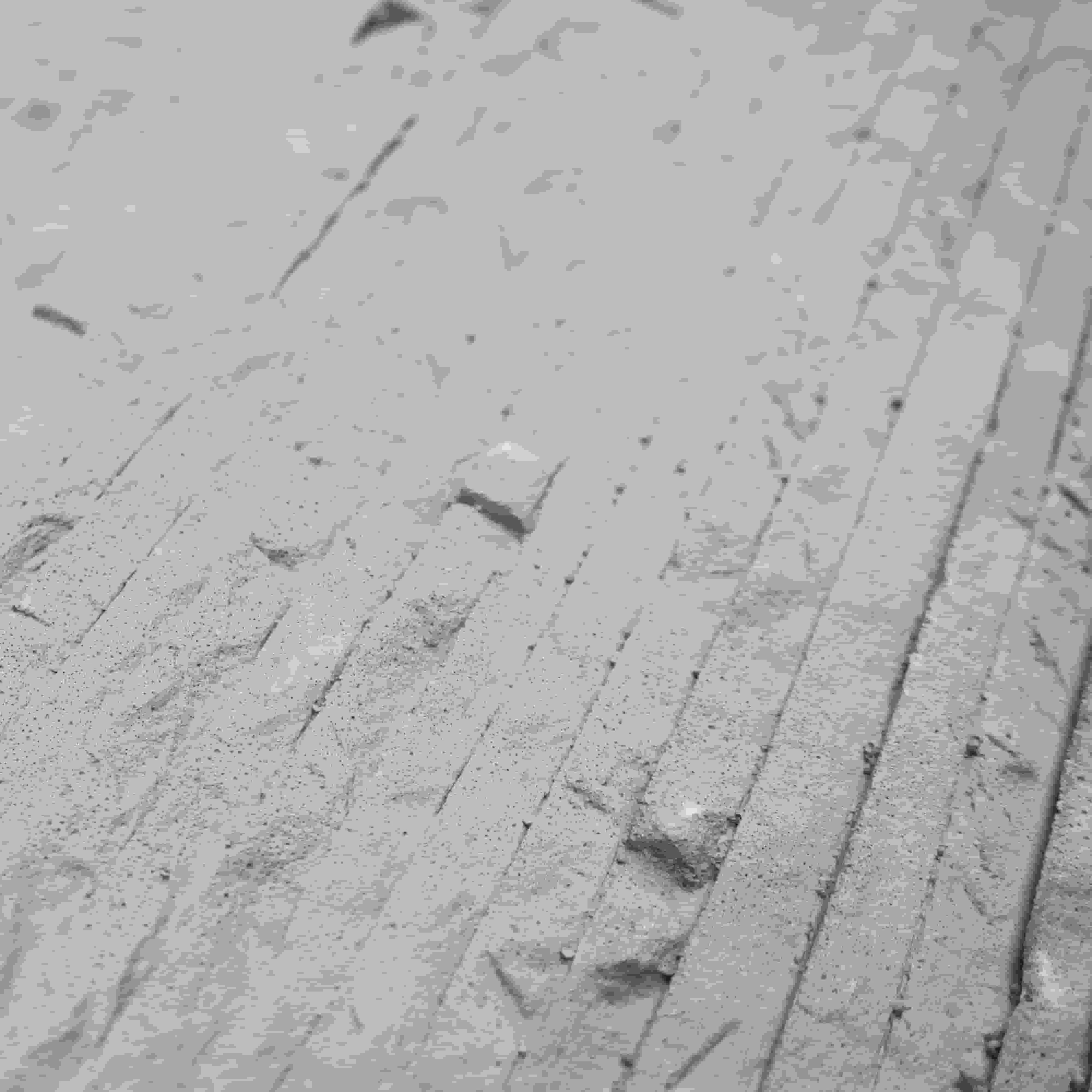
If light grey is the calm breeze, dark grey Muretto Stone is the quiet storm—sophisticated, dramatic, and full of character. Its deeper hue, often with hints of charcoal or slate, creates a sense of intimacy and luxury. Unlike flat, solid dark paints, Muretto's texture adds dimension; when light hits it, shadows play across its surface, making walls feel dynamic and alive.
Dark grey Muretto thrives in spaces where you want to set a mood. Think hotel lobbies with high ceilings, where a dark grey accent wall behind a reception desk immediately says "luxury." Or a home theater, where the deep tone absorbs light and enhances the immersive experience. It's also surprisingly versatile: in a modern kitchen, dark grey Muretto backsplashes pair beautifully with white cabinetry and marble countertops, creating a sleek, high-end look. In industrial-style spaces, it complements exposed brick and metal fixtures like a match made in design heaven.
One common misconception? That dark grey makes spaces feel small. Not true—when used strategically. A restaurant in downtown Portland used dark grey Muretto on one wall of their dining area, and customers rave about how it feels "cozy but not cramped." The key is balance: pair it with light-colored furniture, large windows, or mirrored accents to keep the space from feeling heavy. It's the shade for those who want to say "I have style" without needing to explain it.
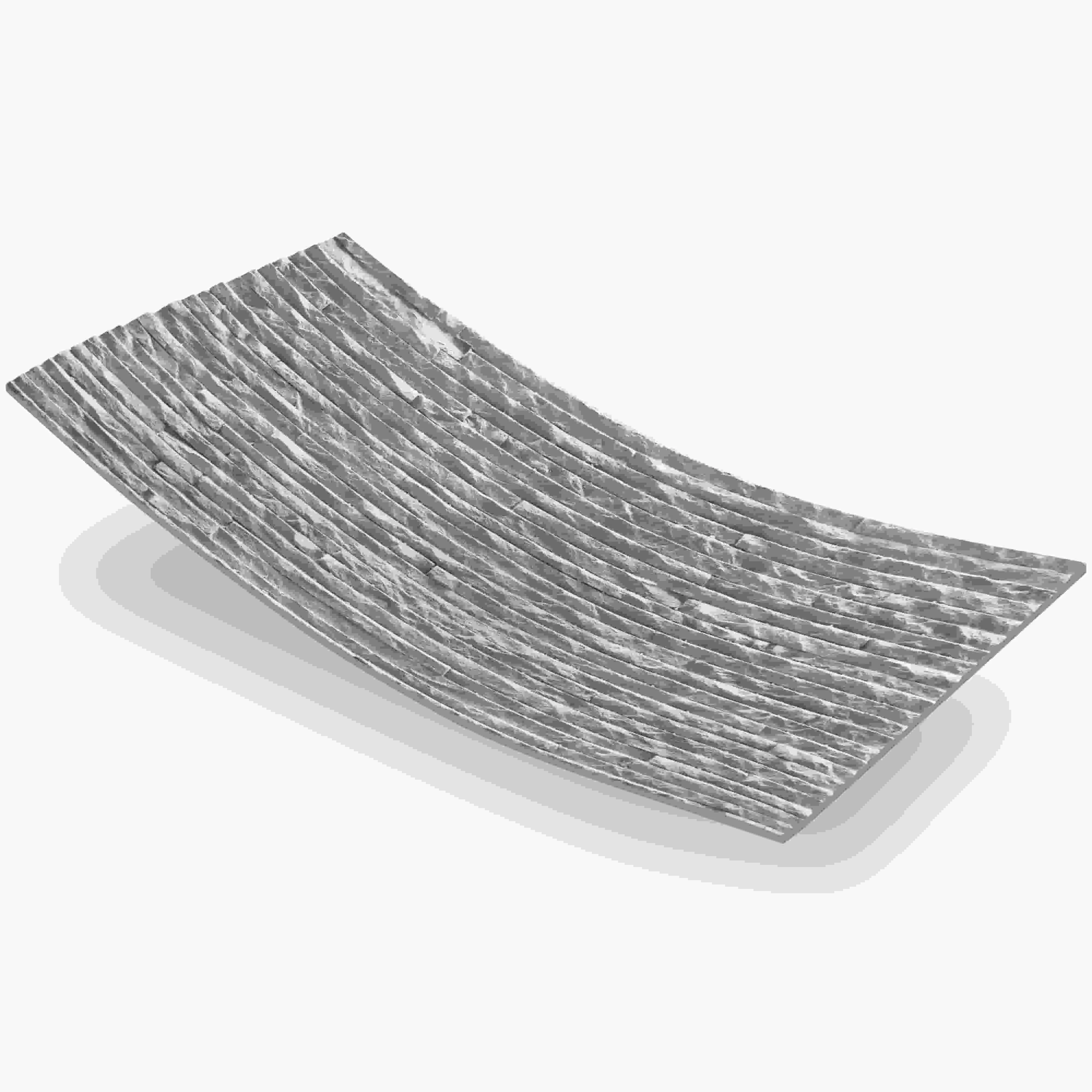
| Feature | Muretto Stone (Light Grey) | Muretto Stone (Dark Grey) |
|---|---|---|
| Color Undertones | Soft silver, warm beige, or cool blue; brightens spaces | Charcoal, slate, or deep graphite; adds depth and richness |
| Best For Small Spaces | Yes—reflects light to expand visual space | Yes, if paired with light accents and ample lighting |
| Mood & Ambiance | Calm, airy, timeless; ideal for relaxation or focus | Sophisticated, intimate, dramatic; great for statement areas |
| Texture Visibility | Subtle; texture softens into the light hue | Bold; shadows highlight texture for a dynamic look |
| Maintenance | Shows dust and scuffs slightly more; easy to clean with mild soap | Hides dust well; occasional wiping prevents buildup in texture crevices |
| Complementary Materials | Wood grain board , white marble, light-toned textiles | Brass, fair-faced concrete , mirrored surfaces, bold art |
1. Lighting Conditions: North-facing rooms with limited sunlight might benefit from light grey to brighten things up. South-facing spaces with harsh light can handle dark grey without feeling washed out.
2. Room Function: Bedrooms and home offices often thrive with light grey (calm = better sleep/focus). Dining rooms and feature walls? Dark grey adds drama.
3. Existing Decor: If your furniture is mostly dark wood or leather, light grey can balance the heaviness. If you have light, minimalist pieces, dark grey adds contrast.
4. Longevity: Light grey is a classic that rarely feels dated. Dark grey is trendy but versatile enough to stay stylish—just avoid overusing it in small, closed-off spaces.
5. Sample First: Always order samples! Muretto Stone's color shifts with light—what looks "light grey" in a sunny showroom might feel cooler in your evening-lit living room.
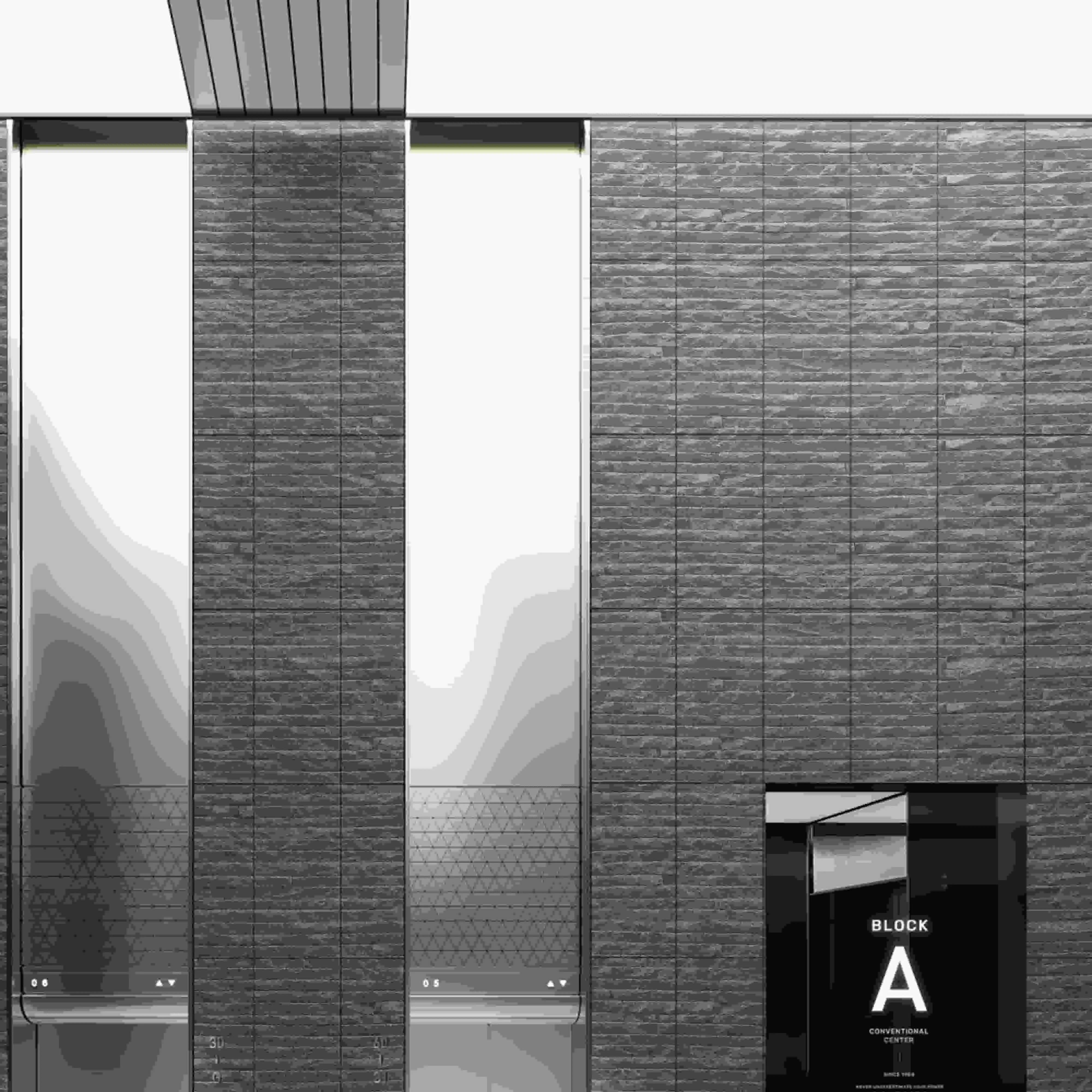
Residential Project: A Modern Home in Seattle
A designer friend recently used light grey Muretto on the exterior of a Seattle home, pairing it with
rough granite stone (medium grey)
accents around the entryway. The result? A house that blends into the city's rainy, overcast days while still standing out with its clean lines. Inside, the kitchen features dark grey Muretto on the island backsplash, creating a focal point that ties the space together.
Commercial Project: A Boutique Hotel in Barcelona
The lobby of this hotel uses dark grey Muretto on the main wall, behind a floor-to-ceiling fireplace. The warm glow of the fire contrasts with the cool dark stone, making guests feel welcome the moment they walk in. Upstairs, guest rooms opt for light grey Muretto, paired with soft linens and wooden headboards, to create a serene retreat after a day of exploring the city.
At the end of the day, choosing between light grey and dark grey Muretto Stone isn't about "better" or "worse"—it's about what feels right for your space and your story. Light grey is the reliable friend who makes every day brighter; dark grey is the bold companion who helps you make a statement. And here's a little secret: there's no rule that says you can't use both. A light grey wall with a dark grey accent panel? A bathroom with light grey shower walls and a dark grey vanity backsplash? The possibilities are endless.
So, whether you're drawn to the calm of light grey or the drama of dark grey, remember: Muretto Stone isn't just a material—it's a tool to create spaces that feel like "you." And when a space feels like "you," that's when magic happens.
Recommend Products












