
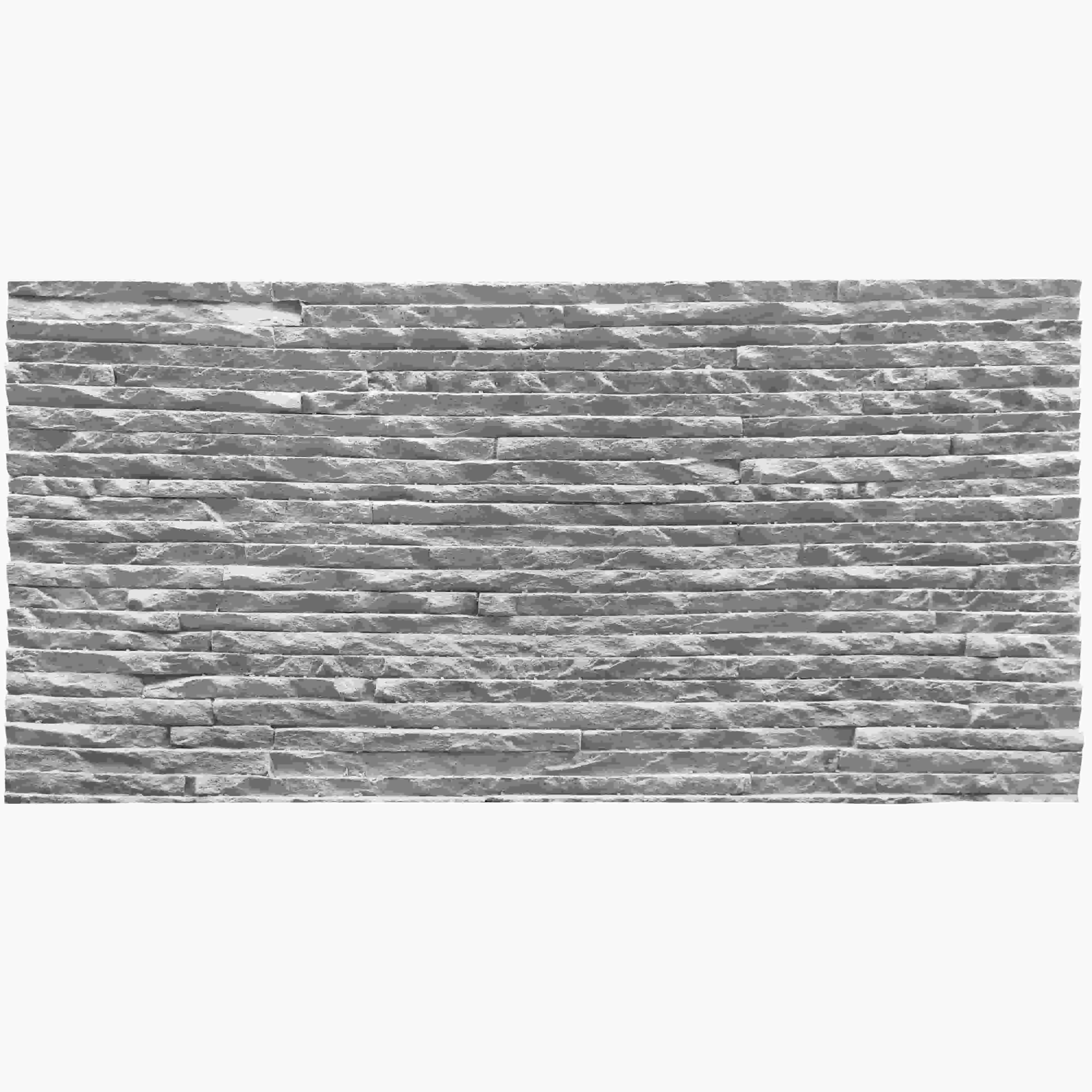
Let's start with the question that often tops the list: How much will it cost? When comparing Muretto Stone (Light Grey) and engineered stone, the answer isn't just about the sticker price—it's about long-term value, installation hurdles, and even hidden expenses like repairs down the line.
Muretto Stone (Light Grey) falls under the umbrella of MCM Flexible Stone , a category known for blending natural stone aesthetics with the practicality of modern engineering. One of its biggest cost advantages? Weight. Unlike dense engineered stones, flexible stone is ultra-lightweight—think 3-5kg per square meter— which slashes transportation and handling costs. Imagine ordering materials for a kitchen backsplash or a commercial lobby: fewer delivery trucks, less manual labor to haul heavy slabs, and lower risk of damage en route. These savings add up fast, especially for large projects.
Initial material costs for Muretto Stone (Light Grey) typically range from $25 to $45 per square foot, depending on the supplier and finish. Compare that to mid-range engineered stones, which often start at $50 per square foot and climb higher for premium patterns. And because flexible stone is thinner (usually 2-4mm thick), you get more coverage per panel—another win for your budget.
Engineered stone, made from crushed natural stone and resin, has long been marketed as a "luxury alternative" to marble or granite. Its appeal lies in consistency—no two slabs are identical, but the variation is far more controlled than natural stone. However, that consistency comes at a cost. High-end engineered stones can hit $100 per square foot or more, and that's before factoring in installation.
Here's the catch: engineered stone is heavy. A standard 2cm slab weighs around 18kg per square meter, requiring reinforced structures for installation (especially on walls) and specialized labor to avoid cracks during fitting. For a 100-square-foot kitchen countertop, that could mean $500–$800 extra in labor alone compared to Muretto Stone (Light Grey). Over time, if a slab chips or stains, repairs are pricey—often requiring a full replacement of the damaged section.
When we talk about cost, we can't ignore durability. A material that needs frequent repairs or replacement will eat into your savings, no matter how cheap it was upfront. Muretto Stone (Light Grey), with its flexible core, resists cracking from temperature changes or minor impacts—think a dropped pot in the kitchen or a stray soccer ball hitting an exterior wall. Engineered stone, while tough, is prone to chipping at the edges, and deep stains (like red wine or oil) can be permanent without professional sealing every 1–2 years. For busy households or high-traffic commercial spaces, Muretto's low-maintenance nature translates to fewer unexpected costs over time.
Cost is important, but a material's true worth shines in how it performs daily. Let's dig into durability, aesthetics, installation ease, and maintenance— the factors that turn a "nice-looking" material into a reliable one.
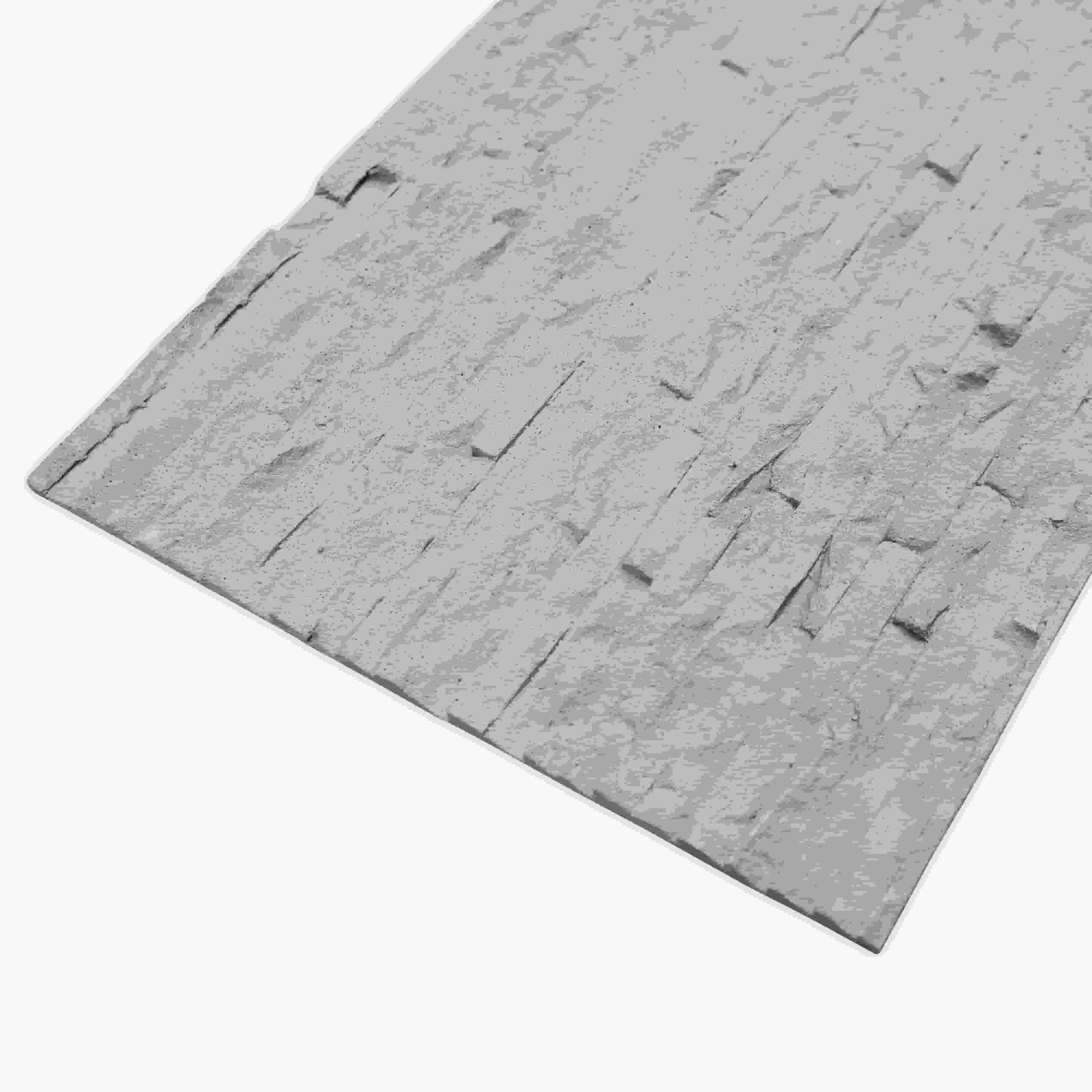
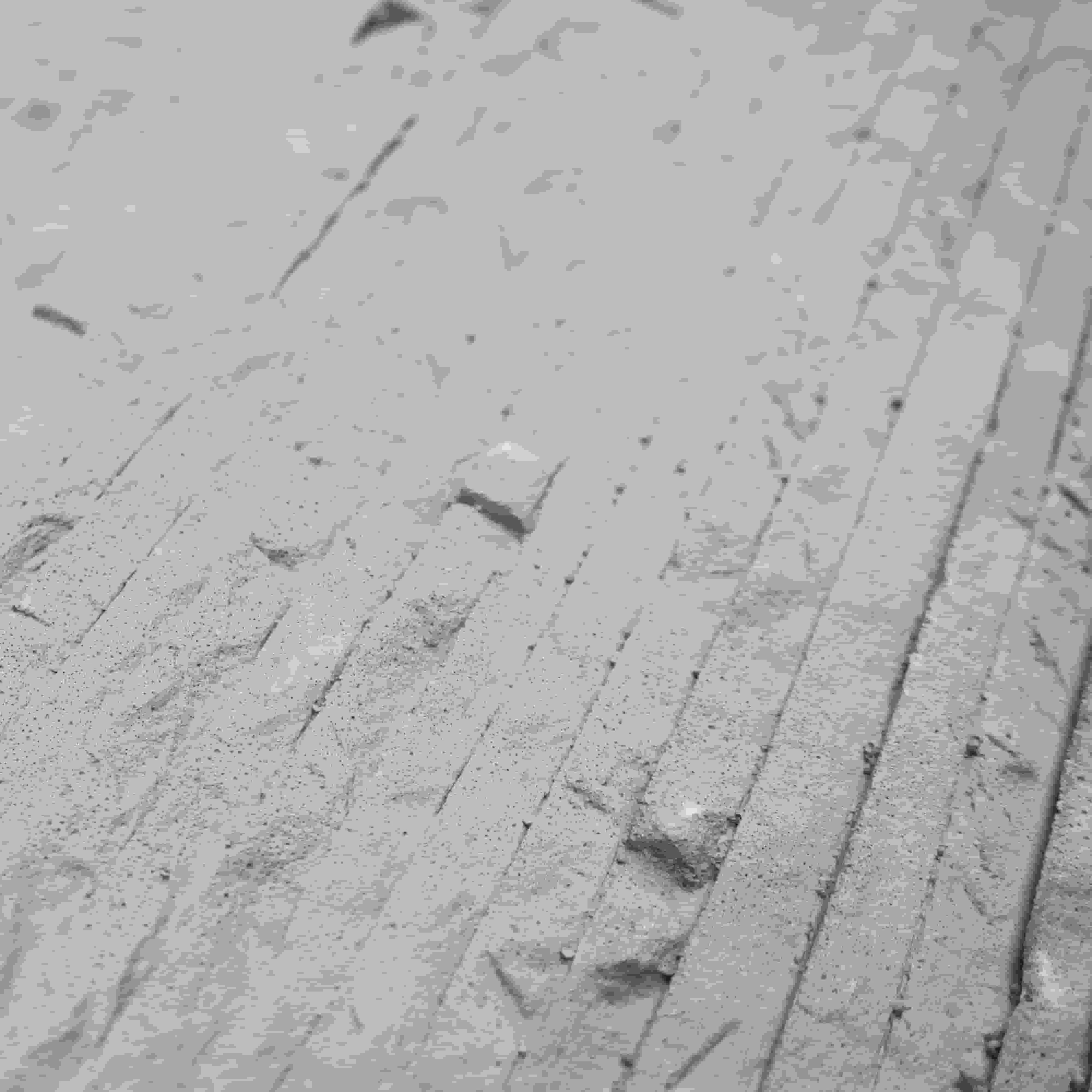
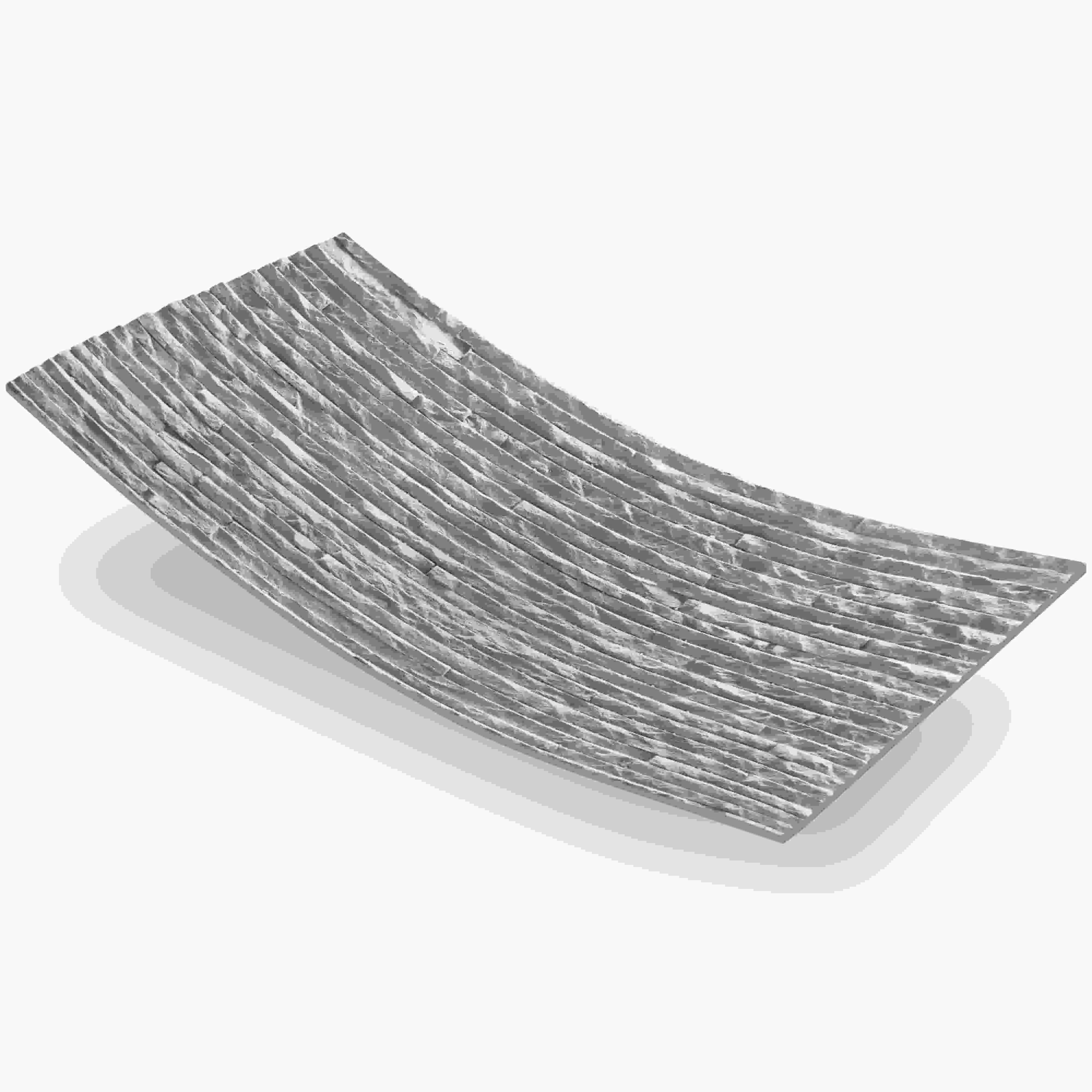
Muretto Stone (Light Grey) gets its name from its "muretto" texture—Italian for "small wall"—which mimics the weathered charm of old-world stone. But don't let the rustic look fool you: this is a material built for modern life. Thanks to its flexible base (often a fiberglass or polymer backing), it bends without breaking, making it ideal for curved surfaces or uneven walls. It's also water-resistant, UV-stable (so that light grey hue won't fade in sunlight), and scratch-resistant enough to handle busy family homes or bustling cafes.
Engineered stone, on the other hand, is rigid. It's highly resistant to scratches and heat (most can handle hot pans up to 300°F), but that rigidity makes it vulnerable to cracking under stress—like if the floor shifts slightly or a heavy object is dropped. It's also less breathable than flexible stone, which can lead to moisture buildup behind walls in humid climates, causing mold or discoloration over time.
At the end of the day, we choose materials that make us feel something. Muretto Stone (Light Grey) excels here. Its light grey tone is soft but not sterile—think the color of morning fog over a stone courtyard—with subtle texture that catches the light, adding depth to any space. Run your hand over it, and you'll feel the slight grain, a nod to natural stone without the unevenness that can make cleaning a chore.
Engineered stone, while sleek, often has a "polished" look that can feel clinical in cozy settings. Some higher-end options mimic natural stone veins, but they lack the organic variation that makes spaces feel alive. For example, pairing Muretto Stone (Light Grey) with Wood Grain Board creates a warm, earthy contrast—think a kitchen backsplash in light grey stone next to wooden cabinetry—that engineered stone, with its uniform finish, struggles to replicate.
Installation can make or break a project timeline—and your sanity. Muretto Stone (Light Grey) is a dream here. Its lightweight, flexible design means it can be cut with standard tools (no diamond blades required) and installed with basic adhesive, even by DIY enthusiasts. A small bathroom renovation? You could tackle it in a weekend with a friend. For pros, it cuts labor time by 30-40% compared to engineered stone, which often needs specialized equipment and teams of installers to lift and secure heavy slabs.
Engineered stone installation is a job for experts. The weight alone requires at least two people to maneuver, and precise measurements are non-negotiable—one mistake, and you've wasted an expensive slab. It also needs a perfectly level surface; any imperfection can lead to cracks later. For homeowners, that means higher labor bills and longer project timelines.
Let's talk about real life: spills, kids, pets, and the occasional clumsy guest. Muretto Stone (Light Grey) is low-maintenance by design. A quick wipe with soap and water is usually enough to clean up coffee spills or food splatters. Unlike natural stone, it doesn't need sealing, and its resin coating resists stains. Even in high-moisture areas like bathrooms, it holds up well—no need to worry about water seeping in and causing warping.
Engineered stone, while stain-resistant, isn't invincible. Harsh cleaners (like those with bleach or acid) can dull the finish, and deep scratches often require professional polishing. Some brands also recommend sealing every 1-2 years to maintain water resistance—a small chore, but an added cost and hassle over time.
| Factor | Muretto Stone (Light Grey) | Mid-Range Engineered Stone |
|---|---|---|
| Initial Material Cost | $25–$45/sq. ft. | $50–$80/sq. ft. |
| Installation Labor Cost | $10–$15/sq. ft. (DIY-friendly) | $20–$30/sq. ft. (pro-only) |
| Durability | Flexible, crack-resistant, UV-stable | Rigid, scratch-resistant, prone to chipping |
| Aesthetic Appeal | Organic texture, soft light grey tone, blends with natural materials like Wood Grain Board | Sleek, uniform finish; limited variation |
| Maintenance | No sealing required; soap and water cleaning | Sealing recommended every 1–2 years; avoid harsh cleaners |
| Best For | Residential interiors/exteriors, commercial spaces, curved surfaces | High-end countertops, low-traffic walls, modern minimalist designs |
Still on the fence? Let's map it out with real-life examples:
Recommend Products












