
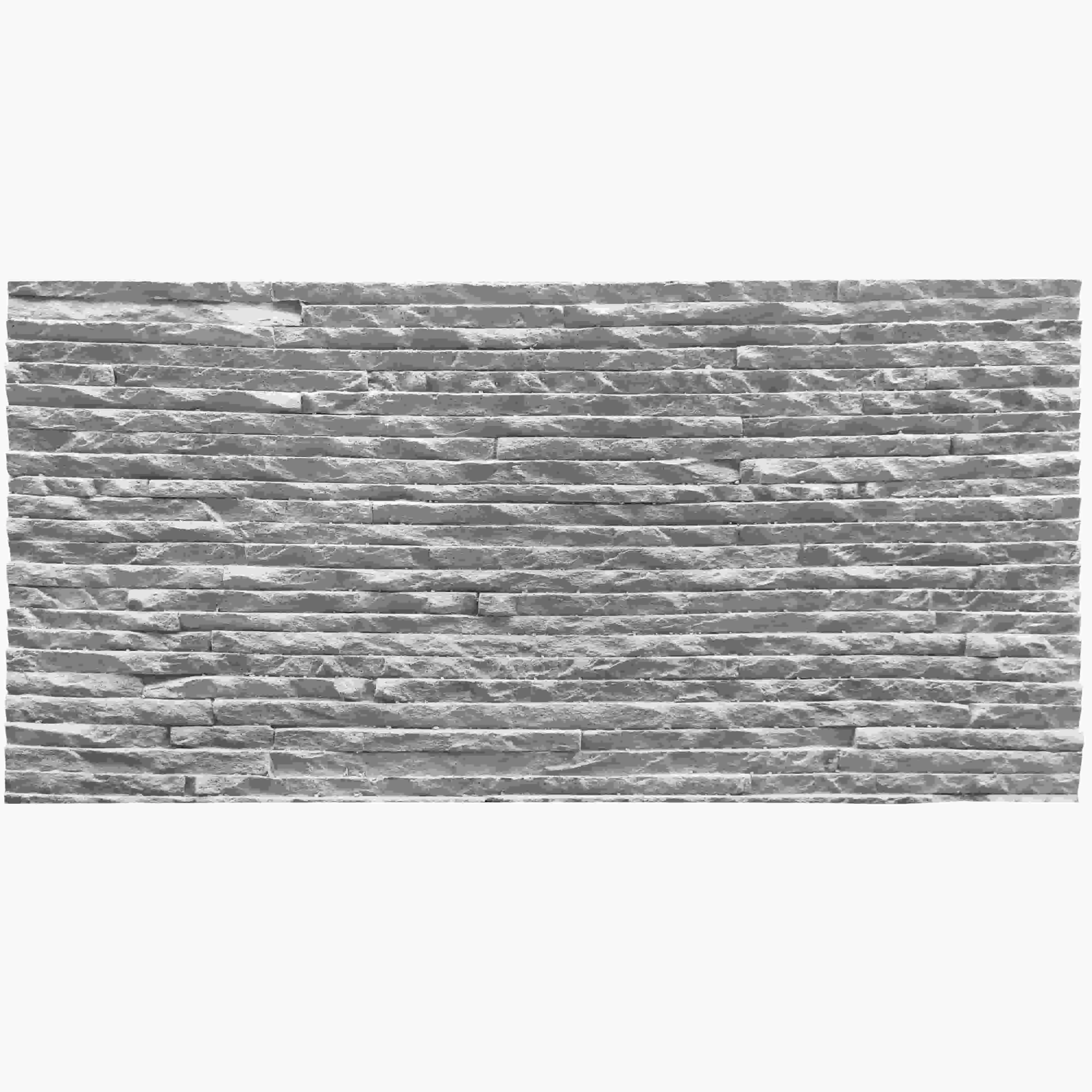
Navigating the Delicate Dance Between Seclusion and Sunlight in Modern Design
Walk into any modern home, office, or public space today, and you'll likely notice a silent tug-of-war: the desire for abundant natural light versus the need for privacy. Architects and homeowners alike grapple with this tension daily. A sun-drenched room feels uplifting, but not if it means sacrificing the comfort of knowing your space is your own. On one end of the spectrum, glass facades have long been celebrated for their ability to flood interiors with light, blurring the line between indoors and out. On the other, heavy stone walls offer seclusion but can leave spaces feeling dark and closed off. Enter Muretto Stone (Light Grey) – a material that's quietly redefining this balance, and sparking a conversation about how we design for both light and privacy in the 21st century.
Picture this: a home office tucked into the corner of a busy urban apartment. You need sunlight to stay focused, but you also need to avoid the awkwardness of neighbors glimpsing your morning coffee ritual or midday Zoom calls. A glass wall might solve the light problem, but even with blinds, you're left with a choice: block the light or invite prying eyes. A solid concrete wall? It keeps the world out, but turns your workspace into a cave by 3 p.m. This is where materials like Muretto Stone (Light Grey) step in – not as a compromise, but as a harmonious solution that honors both needs.
To understand Muretto Stone (Light Grey), let's start with its roots. Part of the MCM (Modified Composite Material) flexible stone family, this material marries the durability of natural stone with the flexibility of modern composites. Unlike traditional stone slabs, which are heavy and rigid, Muretto Stone is lightweight, thin, and surprisingly adaptable – making it ideal for everything from residential facades to commercial interiors. But what truly sets its light grey variant apart is how it interacts with light and privacy.
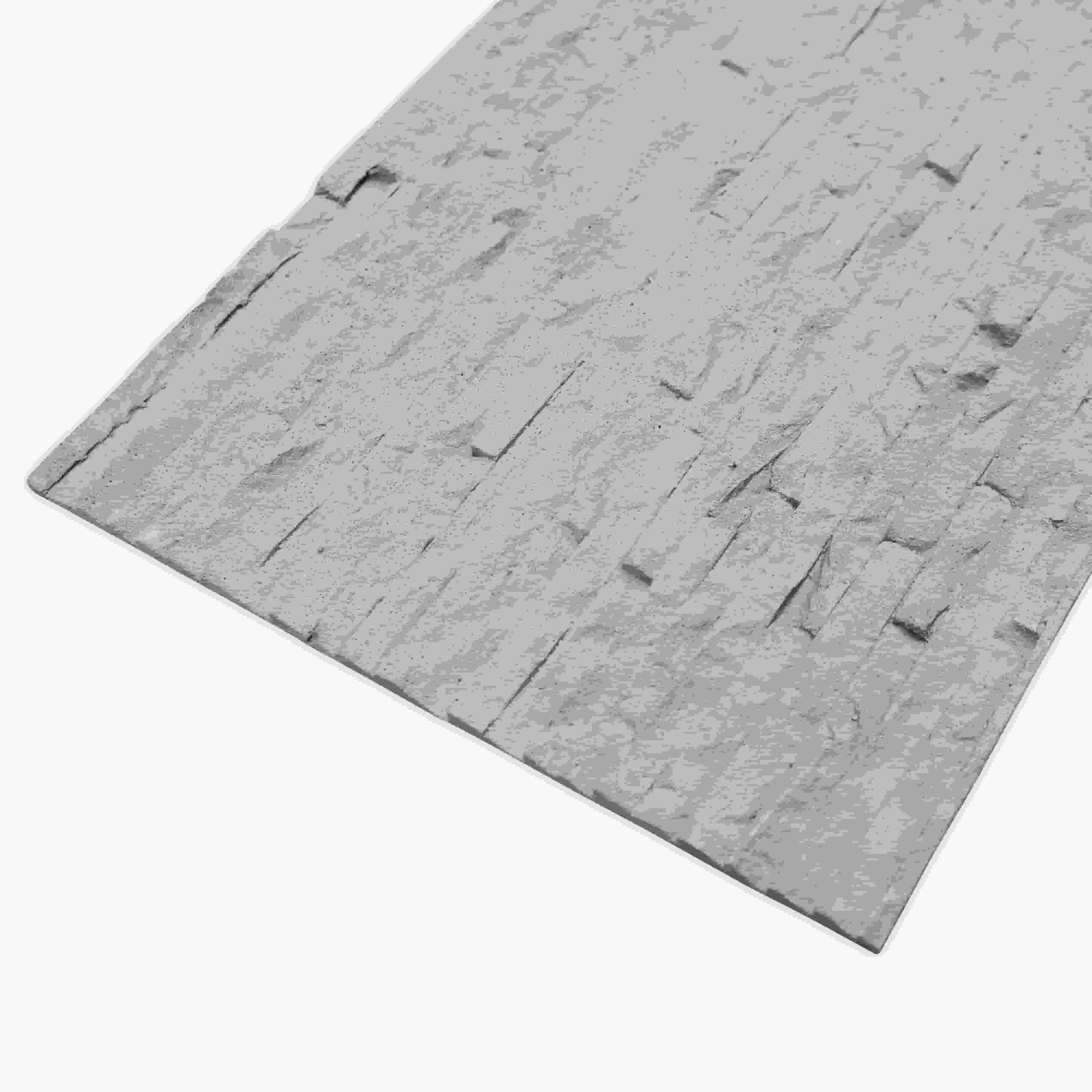
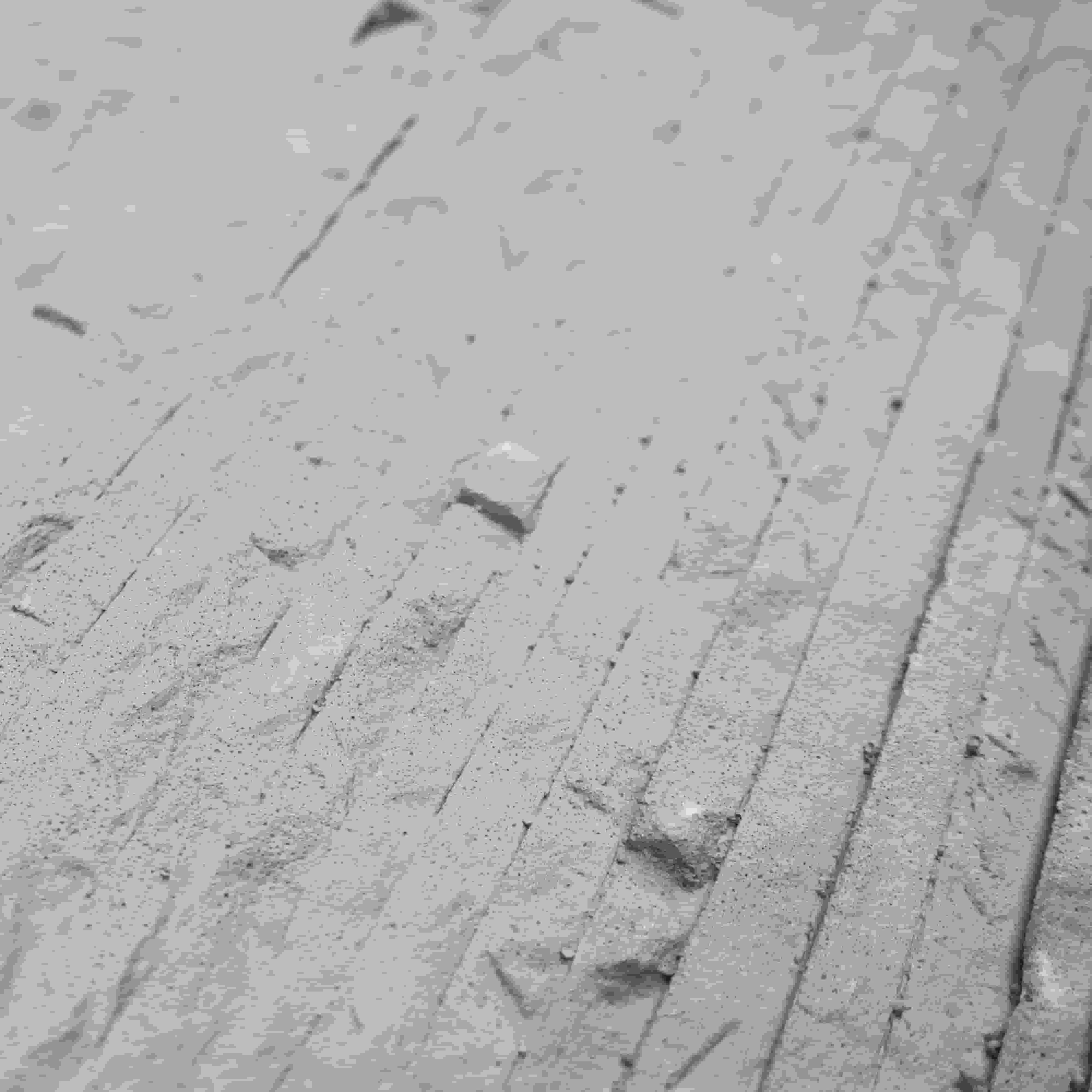
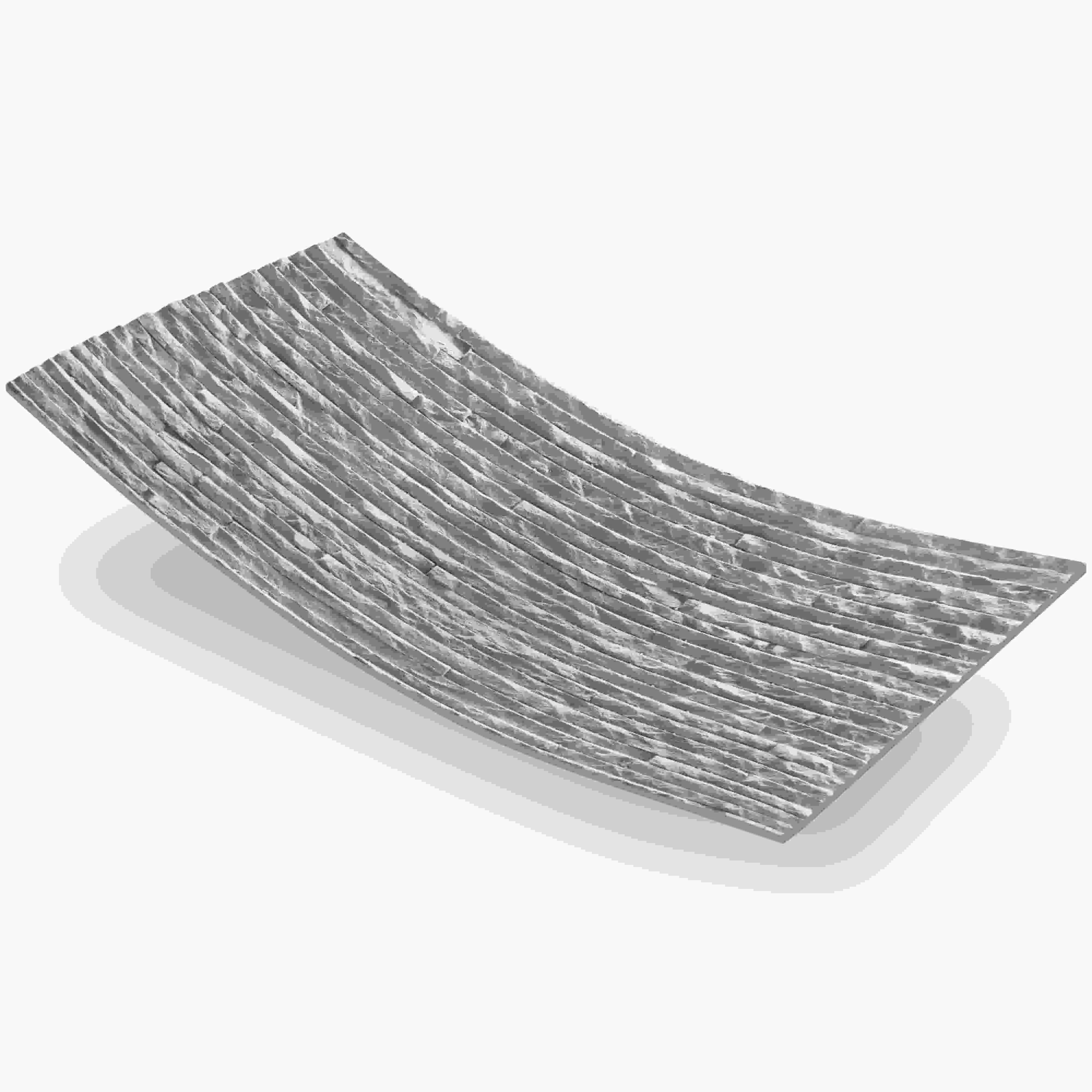
Run your hand over Muretto Stone (Light Grey), and you'll feel a texture that's both rough and refined. It mimics the look of aged limestone walls – the kind you might find in a Tuscan villa or a centuries-old European cottage – with subtle grooves and uneven surfaces that catch and scatter light. This isn't just about aesthetics; that texture is key to its magic. When sunlight hits the surface, it doesn't bounce off harshly like it does with glass. Instead, it diffuses, creating a soft, diffused glow that fills a room without the glare. Imagine standing in a kitchen wrapped in Muretto Stone (Light Grey) panels: the morning sun streams in, but instead of harsh shadows, you get a warm, golden haze that makes even early mornings feel inviting.
Privacy with Muretto Stone (Light Grey) isn't about blocking the world out – it's about filtering it. Unlike a solid concrete wall, which creates a stark barrier, Muretto Stone allows light to pass through indirectly. Think of it as a curtain made of stone: you can't see through it, but light finds its way in. This is a game-changer for spaces like bathrooms, bedrooms, or home offices, where seclusion is non-negotiable but darkness is not. A bathroom with Muretto Stone (Light Grey) walls feels airy, not cramped, because light still circulates, even if the neighbors can't peek in.
Light grey is a neutral, but it's far from boring. Muretto Stone (Light Grey) comes in a spectrum of shades, from soft dove grey to deeper charcoal-tinged hues, each with its own personality. Pair the lighter variants with warm woods and brass fixtures for a cozy, cottage-like feel; opt for darker tones with black metal accents for an industrial edge. It's versatile enough to blend into minimalist designs or stand out as a focal point. And because it's part of the MCM family, it plays well with other materials – think wood grain board accents or Lunar Peak Silvery metallic panels for a modern twist.
For decades, glass facades have been the poster child of modern architecture. Sleek, transparent, and futuristic, they promise to "bring the outdoors in," turning buildings into glowing beacons of light. From skyscrapers like New York's One World Trade Center to boutique cafes with floor-to-ceiling windows, glass has dominated the design world for its ability to create open, airy spaces. But for all its allure, glass has a dark side when it comes to privacy and light control.
Glass is a master at transmitting light – maybe too good. On a sunny day, a glass-walled room can become a greenhouse, with temperatures spiking and glare making screens unreadable. To combat this, designers often turn to tinted glass, frosted films, or blinds – but each solution undermines the original appeal. Tinted glass dulls the natural light, turning bright days into muted ones. Frosted films obscure views entirely, defeating the "indoor-outdoor connection" glass is supposed to create. Blinds? They're functional, but they feel like a Band-Aid, cluttering the clean lines of a modern space.
Here's the paradox of glass: the more light it lets in, the more it lets others see out. A glass facade at night becomes a mirror – but not the good kind. Flip on the lights inside, and your living room, bedroom, or office becomes a stage for anyone passing by. This is why so many glass-heavy homes end up with curtains drawn 24/7, turning those "open, airy" spaces into dark, closed-off rooms. It's a trade-off that leaves many homeowners frustrated: they wanted light, but they got a fishbowl instead.
Glass isn't just a privacy culprit – it can also be a sustainability nightmare. Producing glass requires high temperatures, consuming massive amounts of energy. And while double-glazed or low-emissivity (low-e) glass can improve insulation, it adds significant cost to installation. Muretto Stone (Light Grey), by contrast, is lightweight, reducing the structural load of buildings and cutting down on transportation emissions. Its MCM composition also means it's made with fewer natural resources than traditional stone, making it a greener choice for eco-conscious designers.
| Feature | Muretto Stone (Light Grey) | Glass Facades |
|---|---|---|
| Privacy | High: Opaque but allows diffused light; no visibility through panels. | Low: Transparent by default; requires tinting/films/blinds to add privacy. |
| Light Quality | Soft, diffused glow; reduces glare and harsh shadows. | Bright, direct light; prone to glare and overheating. |
| Aesthetic | Warm, organic, textured; fits traditional, industrial, and modern styles. | Sleek, modern, minimalist; creates a "floating" appearance. |
| Maintenance | Low: Resistant to stains, weather, and fading; easy to clean with water. | High: Prone to fingerprints, smudges, and scratches; requires regular cleaning. |
| Sustainability | Eco-friendly: Lightweight (reduces building load), made with recycled materials in some cases. | Energy-intensive to produce; may require extra insulation to offset heat loss/gain. |
| Cost | Moderate: More affordable than high-end glass; lower installation costs due to light weight. | High: Expensive materials and installation; additional costs for tinting/films. |
Muretto Stone (Light Grey) and glass are just two players in the material game. For designers seeking alternatives that balance privacy and light, the MCM lineup offers a wealth of options, each with its own unique personality. Let's explore a few standouts.
Lunar Peak Silvery is for those who crave modernity without sacrificing privacy. This metallic-finish MCM panel has a subtle sheen that reflects light rather than absorbing it, creating a shimmering effect that changes with the time of day. Like Muretto Stone, it's opaque, so privacy is guaranteed, but its reflective surface bounces light around a room, making spaces feel larger and brighter. Imagine a restaurant with Lunar Peak Silvery walls: at sunset, the panels catch the golden light, turning the interior into a warm, glowing space – all while keeping diners shielded from the street.
Wood grain board is a love letter to nature. Made to mimic the look of real wood – complete with knots, grains, and subtle color variations – this MCM material adds warmth and texture to any space. Like Muretto Stone, it's opaque, but its natural pattern scatters light gently, creating a cozy, cabin-like atmosphere. It's perfect for bedrooms or living rooms where comfort is key. A home office with wood grain board walls feels less like a sterile workspace and more like a retreat, with sunlight filtering through in soft, dappled patterns.
Travertine (Beige) is a classic for a reason. Its porous surface – with tiny holes and channels formed by mineral deposits – acts like a natural diffuser, scattering light in all directions. Beige travertine leans warm, making it ideal for spaces that need a touch of elegance without feeling cold. Think of a hotel lobby with travertine walls: the light from chandeliers bounces off the stone's surface, creating a soft, golden ambiance that welcomes guests. And because it's part of the MCM family, it's lighter and more durable than natural travertine, making installation a breeze.
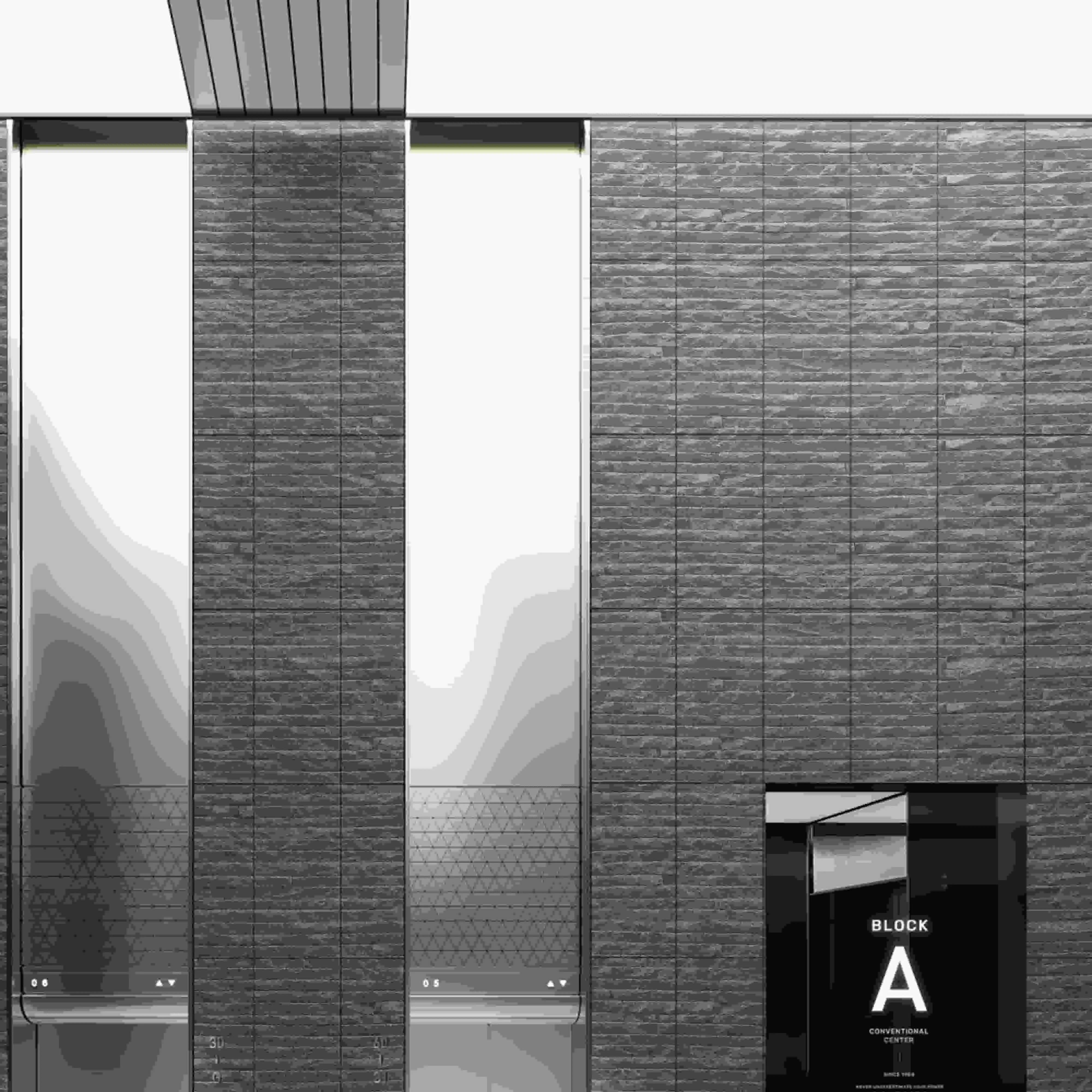
At the end of the day, there's no "best" material – only the best material for the job. Glass facades will always have their place in architecture, especially for buildings where showcasing the interior or maximizing views is priority. But for spaces where privacy and light quality matter equally, Muretto Stone (Light Grey) emerges as a compelling choice. Its ability to filter light softly, offer seclusion, and adapt to diverse aesthetics makes it a material that understands the human need for both connection and privacy.
Whether you're designing a home, a café, or an office, the key is to ask: What story do I want the space to tell? Do I need it to feel open and expansive, or cozy and intimate? How will light move through it throughout the day, and who will be looking in? Muretto Stone (Light Grey) doesn't just answer these questions – it turns them into an opportunity to create spaces that feel human, balanced, and beautifully alive.
In the end, architecture is about more than materials. It's about how we live, work, and connect with the world around us. And in that story, Muretto Stone (Light Grey) is a quiet yet powerful narrator – one that reminds us that light and privacy don't have to be enemies. They can be partners, creating spaces that feel both bright and like home.
Recommend Products












