
The surfaces that shape first impressions—durability, beauty, and the art of choosing right
Step into any hotel lobby, and you're immediately immersed in a narrative. The lighting, furniture, and layout all play a role, but it's the materials that ground the story—walls that breathe warmth, floors that invite exploration, textures that linger in memory long after check-in. For hoteliers, choosing between two heavyweights like Muretto Stone (Light Grey) and marble isn't just about aesthetics; it's about balancing luxury with practicality, tradition with modernity, and creating a space that feels both timeless and uniquely yours.
In this guide, we'll dive into what makes each material tick: their visual appeal, how they stand up to the chaos of daily lobby traffic, the care they demand, and the stories they help tell. By the end, you'll have a clearer picture of which surface deserves a spot in your hotel's first chapter.
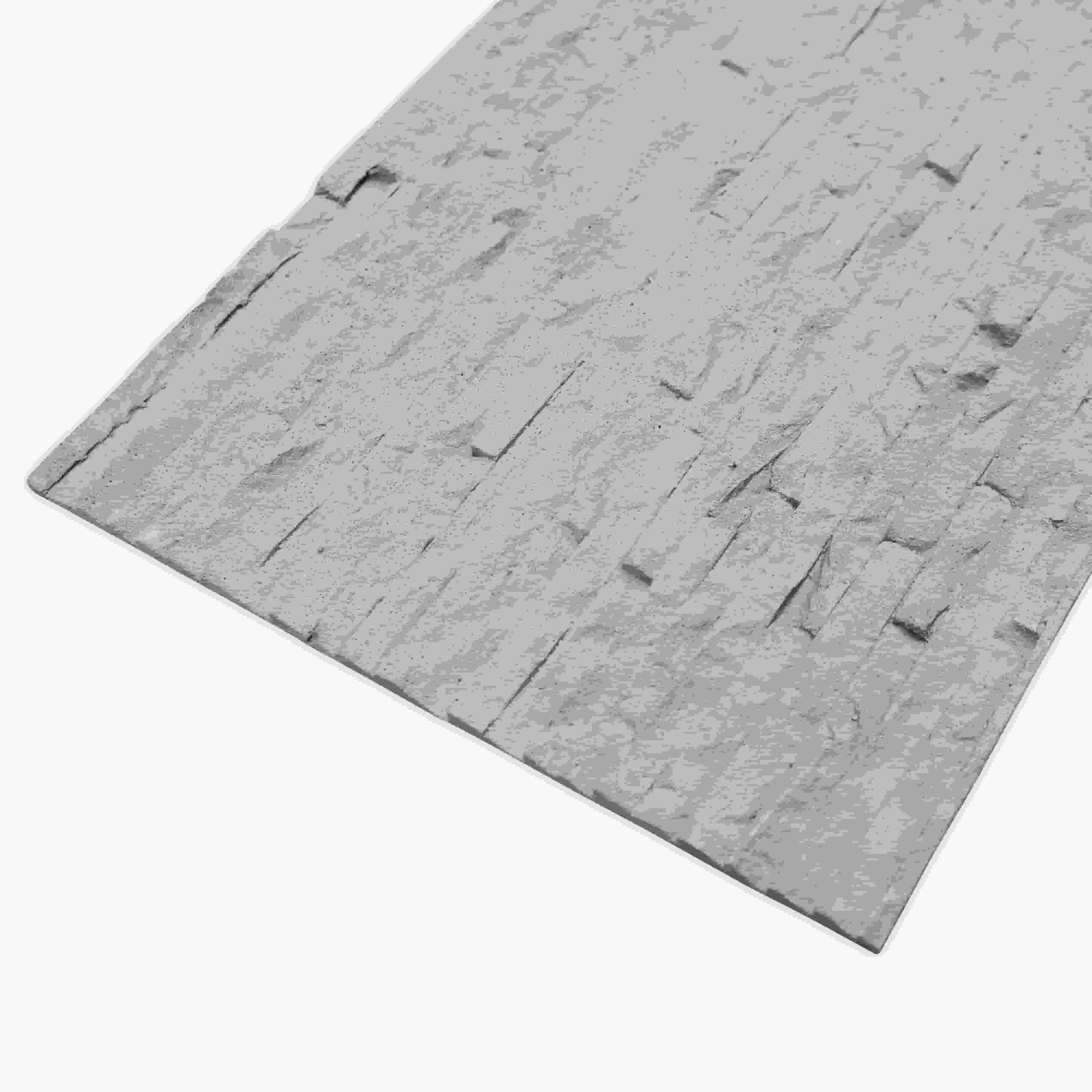
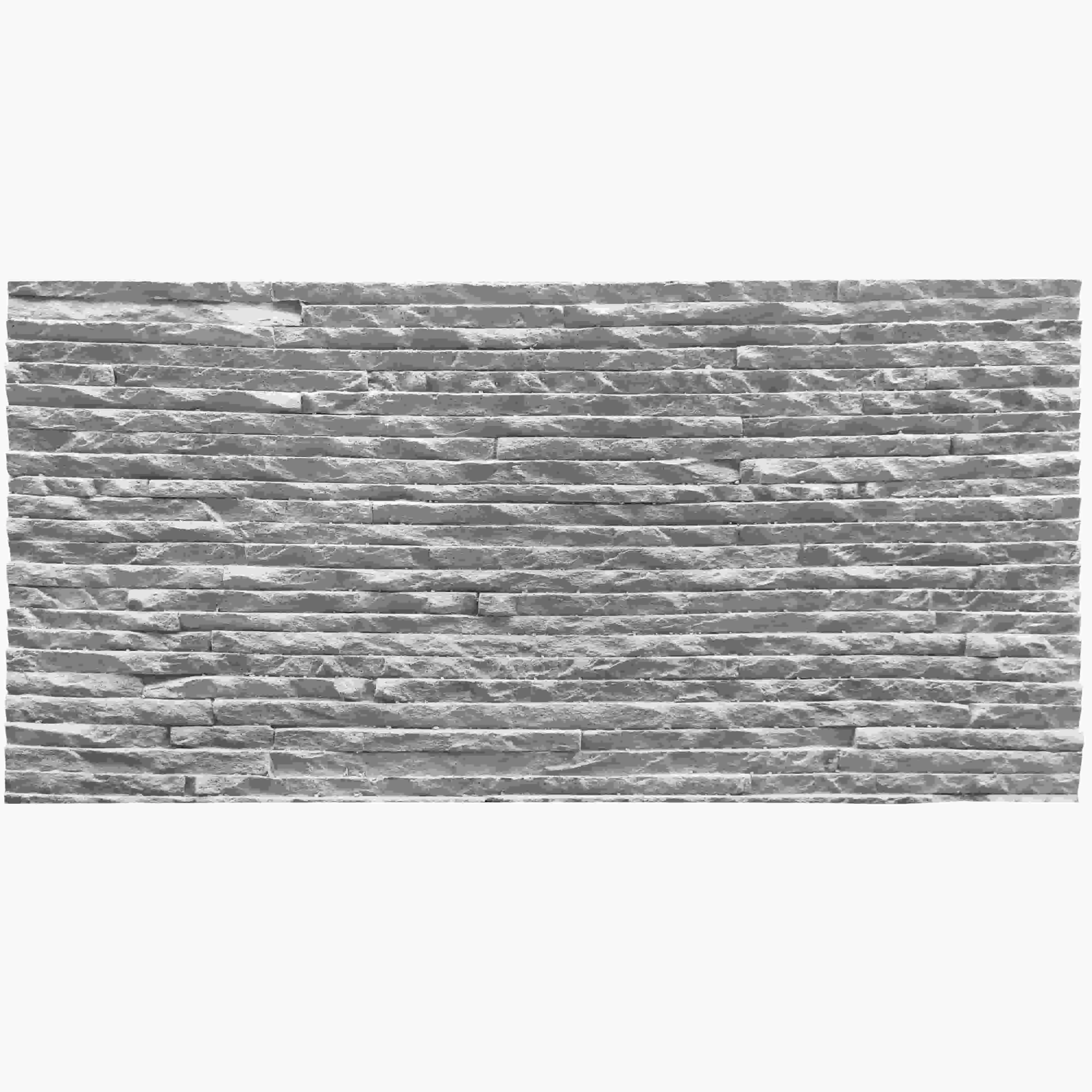
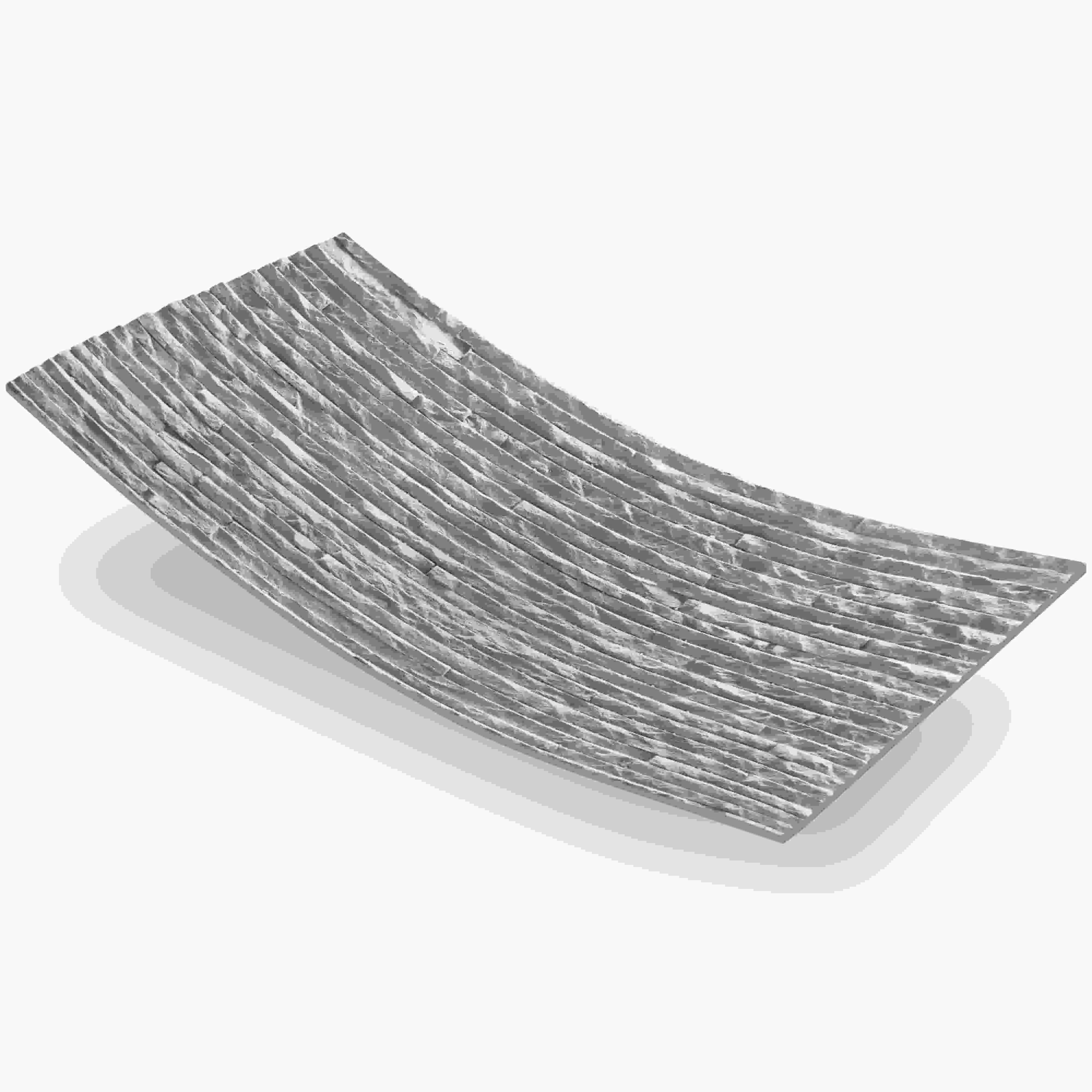
If marble is the grand ballroom dancer, Muretto Stone (Light Grey) is the cozy café pianist—quietly captivating, with a warmth that feels lived-in and authentic. Hailing from regions where rustic elegance reigns (think coastal Italy or sunlit Greek islands), muretto stone has long been prized for its soft, weathered texture and neutral palette. Light grey muretto, in particular, strikes a rare balance: it's subtle enough to let other design elements shine, yet rich enough to add depth to any space.
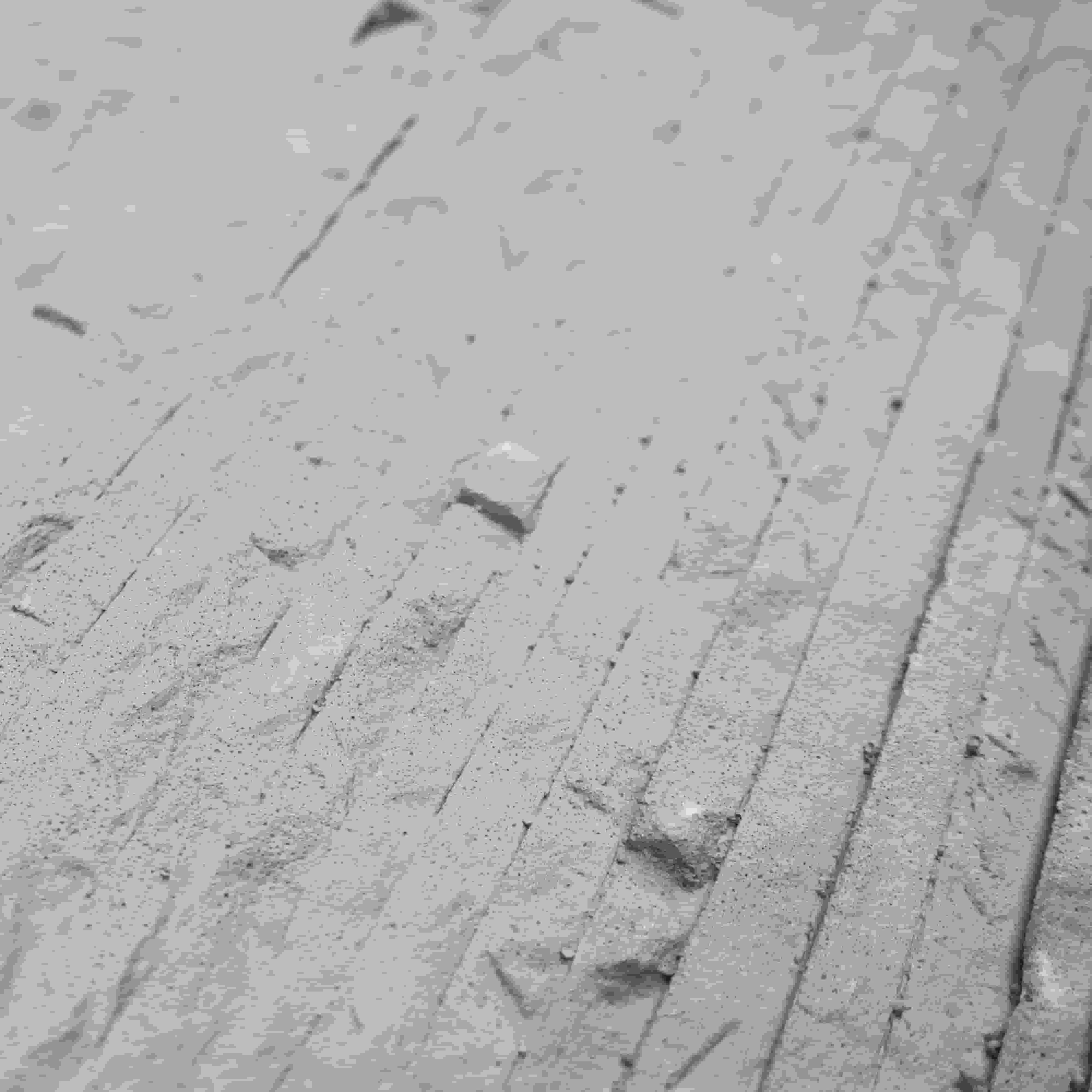
Muretto Stone (Light Grey) isn't about bold statements—it's about nuance . Its surface is gently pockmarked, as if kissed by time, with soft variations in tone that mimic the look of aged plaster or sun-bleached stone. Unlike marble's dramatic veining, muretto's charm lies in its uniformity with a twist: no two slabs are identical, but their differences are subtle, creating a cohesive backdrop that feels organic, not chaotic. Pair it with warm wood accents, terracotta planters, or even a pop of color like Travertine (Starry Blue) in accent walls, and you've got a lobby that feels like a Mediterranean villa—inviting, relaxed, and effortlessly sophisticated.
Hotel lobbies are war zones for surfaces: rolling suitcases, spilled lattes, scuffing heels, and the occasional stray umbrella. Muretto Stone (Light Grey) thrives here. Its dense composition resists scratches better than many natural stones, and its non-porous surface (when properly sealed) repels stains from coffee, wine, or even the odd makeup smudge. Unlike marble, which can etch when exposed to acidic substances, muretto stone holds its own—making it a smart pick for high-traffic areas where beauty can't come at the cost of resilience.
Let's be real: hotel maintenance teams have enough on their plates without adding "polish marble" to the daily to-do list. Muretto Stone (Light Grey) is a breath of fresh air in this regard. A quick sweep and damp mop with mild soap are usually all it takes to keep it looking sharp. Sealing? Only once every 2–3 years, compared to marble's annual (or even biannual) sealing needs. For busy hotels, that translates to lower long-term costs and fewer disruptions to guest experience.
Today's travelers care about the planet, and muretto stone delivers. Made from natural limestone and clay, it's sourced locally in many regions, reducing carbon footprints from transportation. Its production process uses minimal energy, and its longevity means less frequent replacement—unlike trendy synthetic materials that fade or wear out in a decade. For hotels aiming to market themselves as eco-conscious, muretto stone checks the box for both sustainability and style.
Marble is more than a material—it's a legacy. For centuries, it's adorned palaces, museums, and grand hotels, symbolizing opulence and refinement. From the Taj Mahal to the lobby of The Ritz, its luminous surface and intricate veining have made it the gold standard for luxury. Take Marble Veil White , for example: its creamy base is streaked with veins of soft grey and gold, like a watercolor painting frozen in stone. It's not just a surface; it's a work of art.
Marble doesn't just decorate a lobby—it dominates it, in the best way. Its high-gloss finish reflects light, making spaces feel larger and brighter, while its unique veining patterns add movement and intrigue. A lobby clad in Marble Veil White feels instantly upscale, evoking old-world glamour with a modern edge. Pair it with brass fixtures, crystal chandeliers, and velvet seating, and you've got a space that screams "five-star luxury." But marble isn't one-note: darker marbles like Nero Marquina (black with white veins) lean moody and modern, while pink marbles add a playful, romantic twist.
Here's the rub: marble is stunning, but it's not the toughest kid on the block. It's porous, meaning it absorbs liquids quickly—spill a glass of red wine, and you'll have a stain within minutes if not treated immediately. It's also prone to etching from acidic substances like lemon juice or vinegar, leaving dull marks that are hard to repair. In high-traffic lobbies, scratches from luggage or furniture legs are common, requiring professional polishing to fix. For hotels that prioritize aesthetics over all else, this might be a trade-off worth making—but it's not for the faint of heart.
Marble demands attention. To keep it looking pristine, it needs annual sealing (more often in humid climates), regular dusting to prevent scratches, and immediate cleanup of spills. Professional maintenance—like honing or polishing—might be needed every 2–3 years, adding to long-term costs. For boutique hotels with small lobbies, this is manageable; for large resorts with thousands of guests daily, it can become a logistical headache.
There's no getting around it: marble is expensive. From extraction to installation (its weight requires reinforced flooring), costs can run 2–3 times higher than muretto stone. But for hotels targeting ultra-luxury markets, it's an investment that pays off. Marble signals exclusivity, and guests often associate it with a premium experience—making it easier to justify higher room rates.
| Factor | Muretto Stone (Light Grey) | Marble (e.g., Marble Veil White) |
|---|---|---|
| Aesthetic | Soft, weathered texture with subtle tonal variations—ideal for rustic, Mediterranean, or boutique vibes. | High-gloss finish with dramatic veining—perfect for opulent, classic, or high-luxury settings. |
| Durability | Resistant to scratches, stains, and etching—excellent for high-traffic lobbies. | Porous and prone to stains/etching; requires careful handling in busy areas. |
| Maintenance | Low-fuss: sweep, mop, seal every 2–3 years. | High-maintenance: seal annually, polish regularly, immediate spill cleanup. |
| Cost | Mid-range: 30–50% less expensive than marble. | Premium: 2–3x the cost of muretto stone (material + installation). |
| Sustainability | Eco-friendly: natural materials, low-energy production, long lifespan. | Resource-intensive: quarrying and transportation have higher carbon footprints. |
| Best For | Boutique hotels, coastal resorts, eco-lodges, or spaces aiming for "approachable luxury." | Five-star hotels, historic properties, or brands targeting ultra-luxury clientele. |
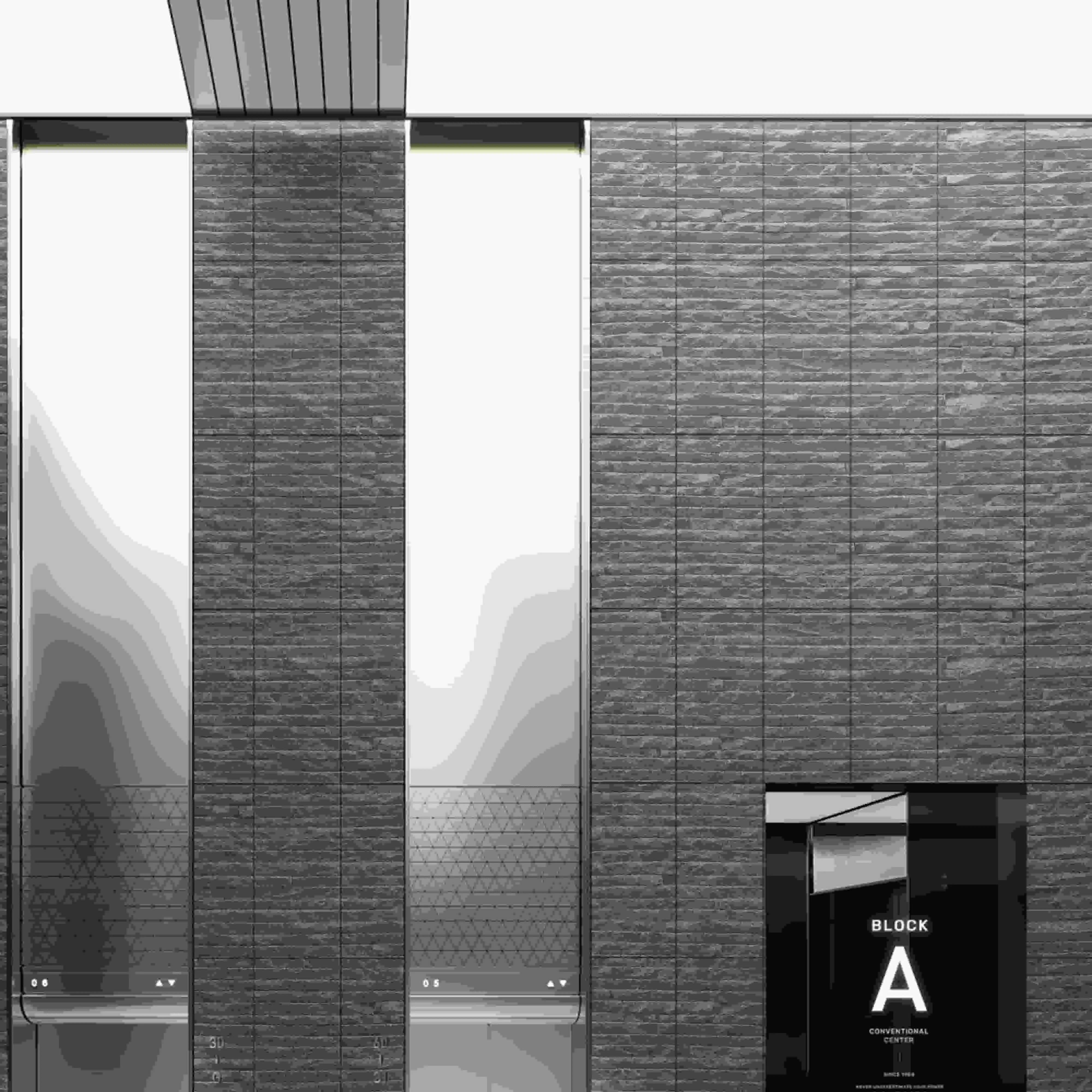
Sometimes, the best lobby designs aren't about choosing one material—they're about layering textures to create depth. For example, a hotel might use Muretto Stone (Light Grey) on the floor for durability, then add a feature wall of Travertine (Starry Blue) to infuse color and modernity. Or pair marble accents (like a reception desk top) with Fair-Faced Concrete walls for an industrial-luxury hybrid that feels fresh and unexpected.
Eco-conscious hotels might even blend muretto stone with Rammed Earth Board (Matcha Green) —a material with a rich, earthy texture that nods to sustainability while adding a pop of organic color. The key is to let each material's strengths shine: muretto for high-traffic areas, marble for focal points, and bold accents like Travertine (Starry Blue) or rammed earth for personality.
At the end of the day, there's no "better" material—only the one that aligns with your hotel's identity. If your brand is about timeless luxury, exclusivity, and unapologetic opulence, marble (think Marble Veil White) will speak to your guests. If you're crafting a space that feels warm, welcoming, and rooted in authenticity—without skimping on style—Muretto Stone (Light Grey) is your ally.
And remember: great design isn't static. It evolves, adapts, and surprises. Maybe you'll use muretto stone in the lobby, marble in the elevator vestibules, and throw in a wall of Travertine (Starry Blue) in the lounge for that "wow" factor. The goal? To create a lobby that doesn't just look good—it feels right for the travelers who walk through your doors.
After all, the best hotel lobbies aren't just spaces—they're experiences. And the right material? It's the first step in making that experience unforgettable.
Recommend Products












