
Walk into any commercial space—a bustling hotel lobby, a sleek corporate office, or a trendy retail store—and the first thing that strikes you isn't just the layout or lighting. It's the materials. The walls, floors, and surfaces around us shape how we feel, how we interact, and even how we perceive a brand. For architects, designers, and project managers, choosing the right material isn't just about aesthetics; it's about balancing durability, cost, sustainability, and the unique personality of a space. Two materials that often end up in the spotlight for commercial projects are Muretto Stone (Light Grey) and Natural Granite. Both bring distinct strengths to the table, but they're far from interchangeable. In this article, we'll dive into their differences, helping you decide which one aligns best with your project's goals—whether you're aiming for a modern, low-maintenance vibe or a timeless, luxurious feel.
Before we jump into the nitty-gritty, let's make sure we're on the same page about what these materials are. They might both fall under the "stone-like" umbrella, but their origins, compositions, and properties are worlds apart.
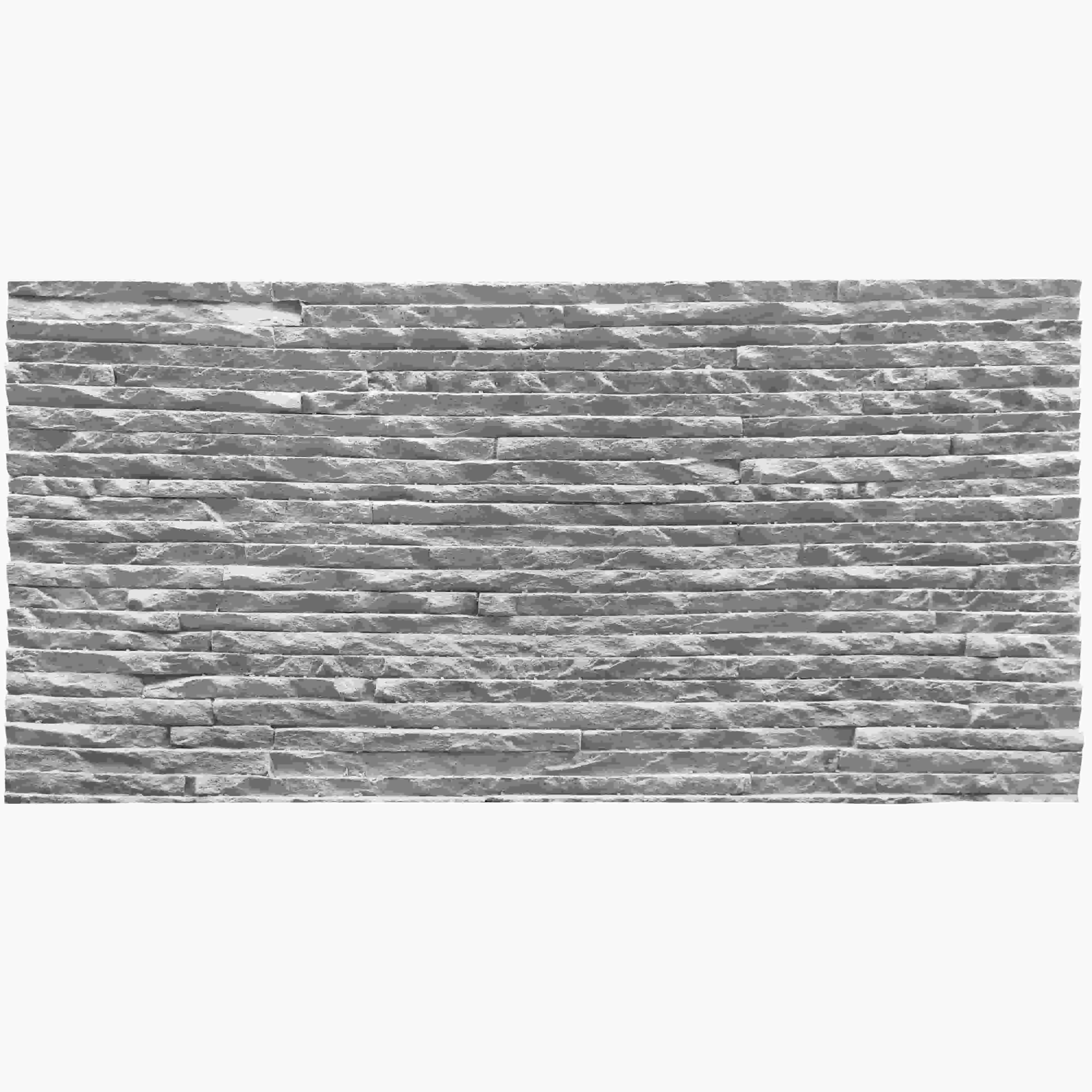
Muretto Stone (Light Grey) is part of a newer generation of building materials known as modified composite materials (MCM), often linked to lines like MCM flexible stone. Unlike natural stone, it's not quarried from the earth—it's engineered. Think of it as a high-tech blend of natural minerals (like limestone or cement), polymers, and additives, all mixed and molded to create a lightweight, durable panel. The "light grey" variant is exactly what it sounds like: a soft, neutral grey with a subtle, matte texture that leans modern and understated. Its claim to fame? It mimics the look of natural stone but with more control over consistency and performance.
What makes Muretto Stone stand out is its flexibility (hence the "flexible stone" connection) and uniformity. Unlike natural stone, which can vary wildly in color and pattern from slab to slab, Muretto Stone (Light Grey) offers a consistent look across large surfaces. That's a big deal for commercial projects where you might need 500+ square feet of wall cladding to look cohesive. It's also thinner and lighter than traditional stone—typically 3–5mm thick—making it easier to handle and install.
Natural Granite, on the other hand, is as old as the earth itself. Formed from cooling magma deep underground, this igneous rock is prized for its (hardness) and natural beauty. Quarried from sites around the world—Italy, Brazil, India, and China, to name a few—granite comes in a rainbow of colors, but for commercial projects, you'll often see neutral tones like black, white, or grey. Its surface is granular, with flecks of minerals like quartz and feldspar, and each slab has unique veining and patterns that tell a story of millions of years of geological activity.
Granite's reputation is built on durability. It's one of the hardest natural stones available, which is why it's a staple in high-traffic areas. But with that hardness comes weight: slabs can be 20–30mm thick and incredibly heavy, requiring specialized equipment to transport and install. It's also porous by nature, meaning it needs regular sealing to resist stains—a detail that can add to long-term maintenance costs.
In commercial design, aesthetics aren't just about "looking nice"—they're about brand identity. A tech startup might want a clean, futuristic vibe, while a luxury resort might lean into organic, opulent textures. Let's break down how Muretto Stone (Light Grey) and Natural Granite stack up visually.
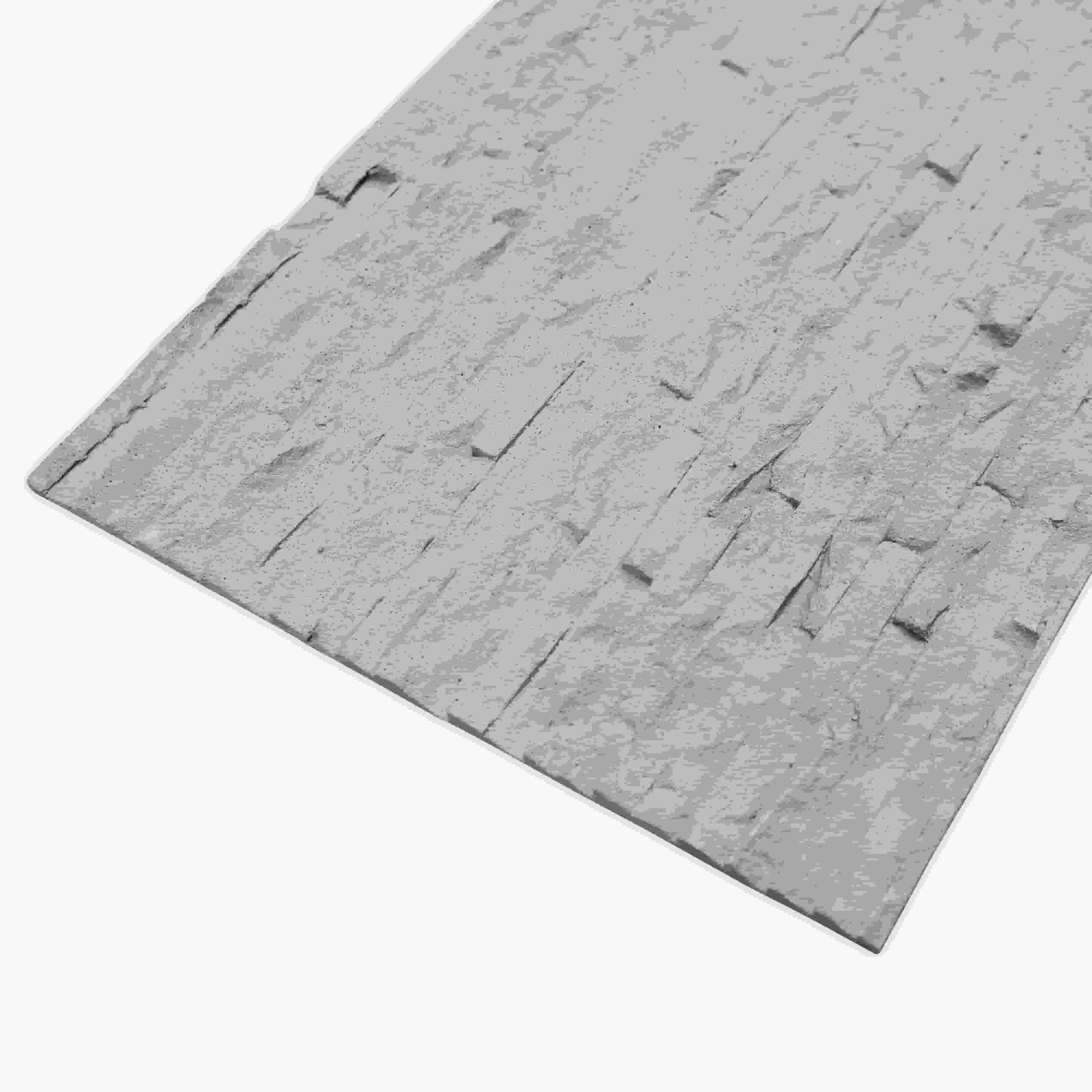
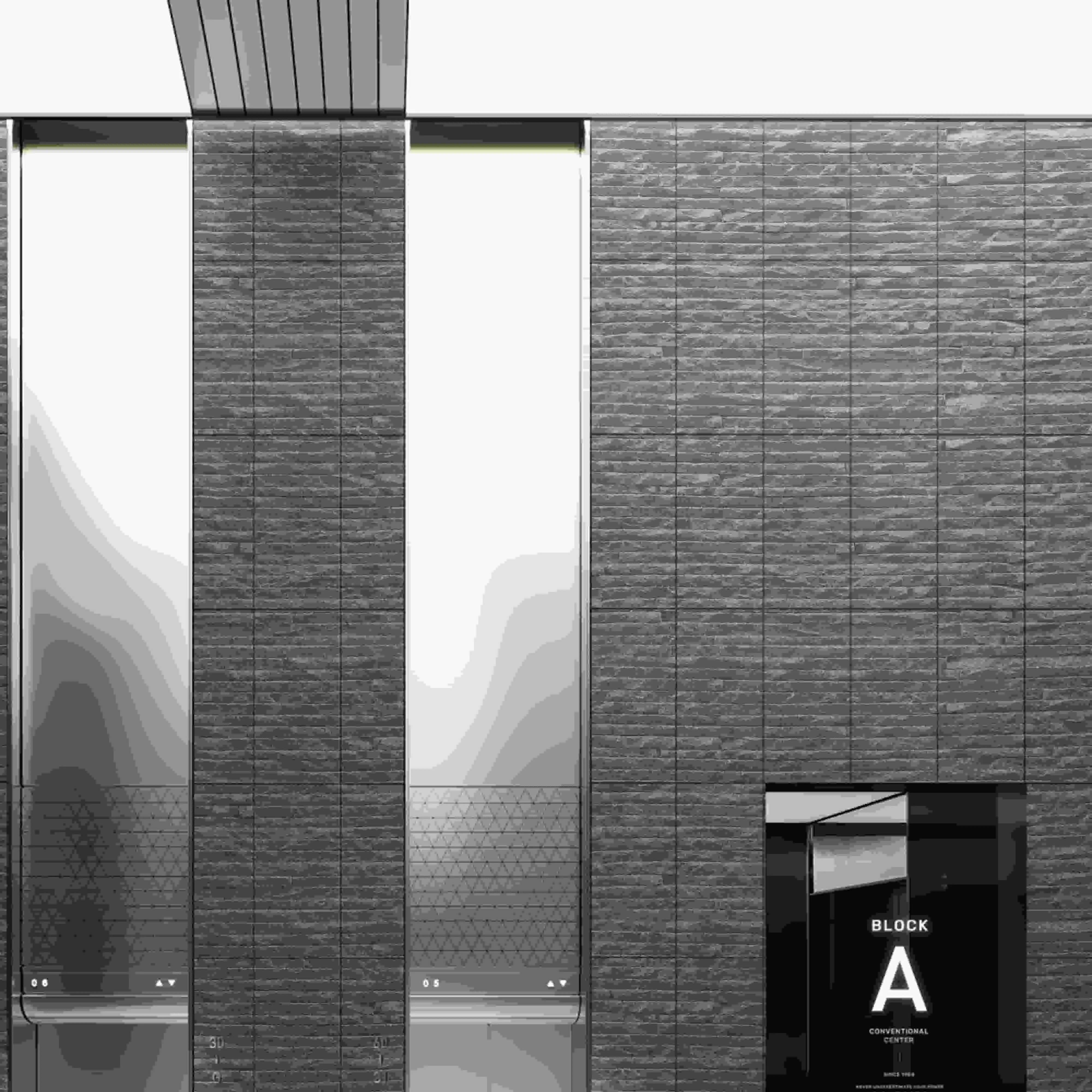
Muretto Stone (Light Grey) is a designer's dream for projects that demand uniformity. Its light grey hue is soft but not washed out, with a texture that's subtle—think fine sandpaper rather than rough gravel. The finish is often matte, which helps hide fingerprints and smudges (a godsend for high-touch surfaces like elevator walls or retail counters). Because it's engineered, you won't get the random veins, pits, or color variations that natural stone is known for. Every panel looks like the last, which is perfect for large-scale installations: imagine a 200-foot wall in a convention center where you don't want a rogue dark streak throwing off the entire palette.
It also plays well with other materials. Pair it with fair-faced concrete for an industrial-chic look, or with wood accents for warmth. Its neutrality makes it a chameleon—equally at home in a minimalist café or a high-end boutique. One downside? If you're after "one-of-a-kind" character, Muretto might feel too… consistent. It's not going to be the star of the show in a space that celebrates natural imperfection.
Natural Granite is all about personality. No two slabs are identical. You might get a slab with soft, wispy white veins cutting through grey, or one with bold black flecks that look like constellations. This uniqueness is a double-edged sword. On one hand, it creates visual interest—imagine a hotel lobby where the reception desk is a single slab of grey granite, its patterns telling a story that no other desk in the world can replicate. On the other hand, that variability can be a headache if you need multiple slabs to match. Order 10 slabs of "grey granite," and you might end up with five that are light grey, three that are medium, and two with unexpected pink undertones. For brands that value uniformity, that's a risk.
Granite also offers more finish options: polished (shiny, reflective), honed (matte), or leathered (textured with a slight sheen). A polished surface can make a space feel larger and brighter, while a leathered finish adds grip (great for flooring in wet areas like pool decks). But that shine comes with a caveat: it shows scratches and water spots more easily than Muretto's matte surface.
Commercial spaces are tough on materials. We're talking thousands of footsteps daily, spills (coffee, wine, cleaning chemicals), temperature swings, and even the occasional furniture scrape. Let's see how these two hold up.
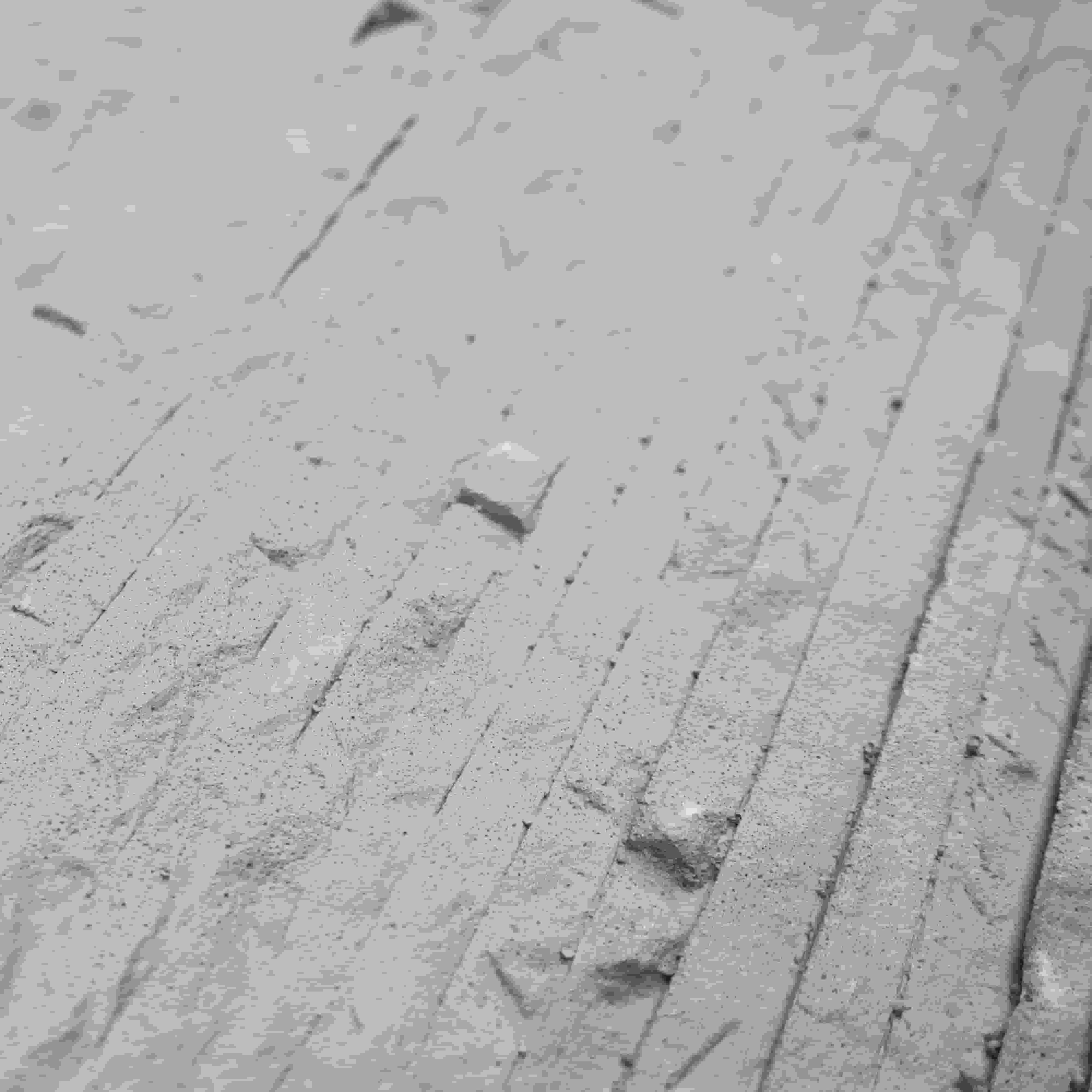
Muretto's claim to fame here is its flexibility. Thanks to its composite makeup, it's less prone to cracking or chipping than rigid natural stone. drop a heavy vase on a Muretto floor, and you might get a small scratch, but the panel itself is unlikely to shatter. Its lightweight nature also means it puts less stress on building structures, which is a big plus for renovation projects where the existing framework can't handle heavy loads.
Moisture resistance is another win. Unlike natural stone, Muretto doesn't absorb water easily, making it a solid choice for kitchens, bathrooms, or outdoor patios (though it's not completely waterproof—you'll still need proper sealing for submerged areas). It's also resistant to UV rays, so that light grey color won't fade if used on exterior walls or skylights. The only real weak spot? Extreme heat. While it can handle normal room temperatures, direct exposure to open flames (like a commercial grill in a restaurant) might cause discoloration.
Granite is famous for being hard—like, "scratch-resistant to knives and keys" hard. It's why you'll often see it in restaurant kitchens, where pots and pans are constantly dragged across surfaces. It also stands up to heat like a champ: set a hot pot directly on it, and it won't warp or burn. But here's the catch: its hardness makes it brittle. A sharp impact—say, a delivery cart slamming into a corner—can cause a slab to crack, and once it cracks, it's not repairable. You'll have to replace the entire slab, which is costly and time-consuming.
Granite is also porous. Without regular sealing (every 1–3 years, depending on foot traffic), liquids like wine or oil will seep in, leaving permanent stains. Even with sealing, acidic substances like lemon juice or vinegar can etch the surface, leaving dull spots. For high-maintenance spaces like hotel lobbies or airport terminals, that means extra upkeep: nightly cleaning with pH-neutral cleaners, and periodic resealing that might require closing off sections of the space.
Installation might not be the sexiest part of a project, but it can make or break your timeline and budget. Let's talk about what it takes to get these materials from the warehouse to the wall.
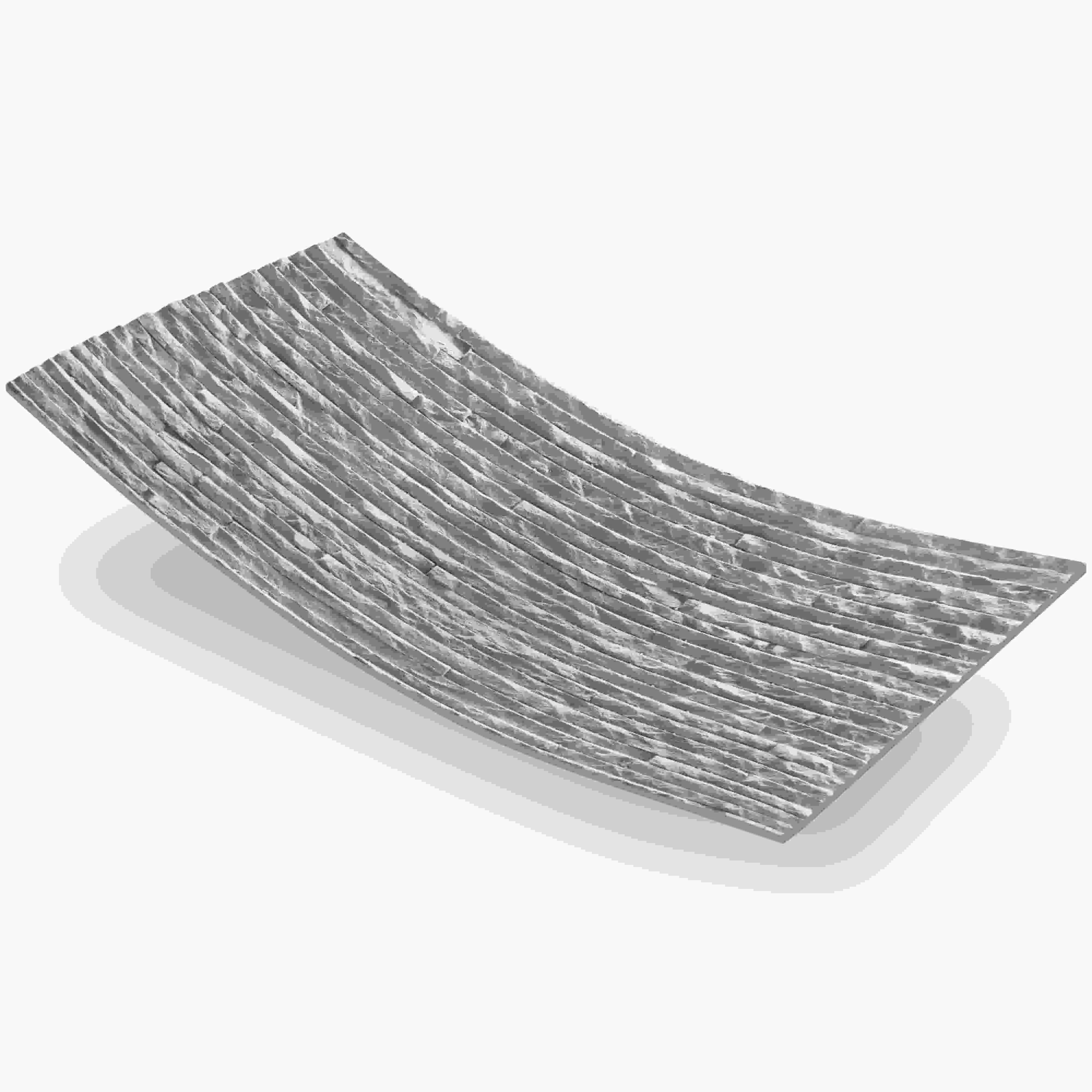
Muretto Stone (Light Grey) is a game-changer for installers. At just 3–5mm thick and weighing around 4–5 kg per square meter, it's easy to carry—no need for cranes or forklifts. You can even cut it on-site with standard tools (a circular saw with a diamond blade works) without worrying about dust or breakage. This speed translates to lower labor costs: a team of two can install 50 square meters in a day, compared to half that with granite.
Its flexibility also means it can adhere to slightly uneven surfaces. If your subfloor has a small bump or dip, Muretto can flex to fit, whereas granite would crack under pressure. For renovation projects where the original structure is less than perfect, this is a huge advantage.
Granite is the opposite: heavy, rigid, and labor-intensive. A standard 20mm-thick slab weighs around 50 kg per square meter—imagine carrying a small refrigerator up a flight of stairs, and you get the idea. Installers need specialized training, and you'll often need to reinforce floors or walls to support the weight. For high-rise buildings, elevator capacity becomes a concern: you might have to schedule deliveries outside of peak hours to avoid overloading lifts.
Cutting granite is also a precision job. It requires water-cooled saws to prevent overheating, and even then, there's a risk of the slab splitting. Wastage is common—up to 10% of slabs might crack during transport or installation, driving up material costs. And once it's installed, it's not going anywhere. Removing granite requires jackhammers, which is messy, time-consuming, and expensive if you ever decide to redesign the space.
Let's talk numbers. For commercial projects, budget is always a factor, but it's not just about the upfront cost—it's about the total cost of ownership over the material's lifespan (which can be 10–20 years for commercial spaces).
Muretto is generally more affordable upfront. Prices start at around $30–$50 per square meter, depending on the supplier. Compare that to natural granite, which can range from $80–$150 per square meter (and that's before factoring in rare or imported varieties). Transport costs are also lower because it's lighter—trucking 1000 square meters of Muretto might cost $500, whereas granite could set you back $2000 or more.
Maintenance costs are minimal, too. No sealing, no special cleaners—just a quick wipe with soap and water. Over 10 years, you're looking at maybe $100–$200 in upkeep for a 100-square-meter installation. For a commercial building material supplier, this makes Muretto an attractive option for clients on tight budgets or projects with fast turnarounds.
Granite's initial price tag is steep, but it's not just the material itself. Installation labor is more expensive (think $50–$80 per square meter vs. Muretto's $20–$30), and you'll need to budget for extras like sealers ($20–$50 per gallon) and specialized tools. Over time, maintenance adds up: sealing every 1–3 years costs around $1–$3 per square meter each time, and if a slab cracks, replacement can run $200–$500 per square meter.
That said, granite has a longer lifespan—up to 50 years with proper care, compared to Muretto's 20–30 years. For projects where the client plans to own the building long-term, the higher upfront cost might pay off. But for leasehold spaces or projects with 10–15 year lifespans, Muretto often comes out ahead.
These days, sustainability isn't just a buzzword—it's a requirement for many commercial projects, especially those aiming for LEED certification or green building standards. Let's see how these two materials measure up in terms of environmental impact.
Muretto has a smaller carbon footprint from the start. Since it's made from a blend of natural minerals and recycled polymers, it uses less energy to produce than quarrying and processing natural stone. Its lightweight nature also reduces transport emissions—trucks carry more panels per trip, meaning fewer fossil fuels burned. Some manufacturers even use recycled content (like crushed glass or reclaimed concrete) in their mixes, further lowering environmental impact.
At the end of its life, Muretto can often be recycled into new composite materials, though this depends on local recycling facilities. It's also mold and mildew resistant, which means fewer chemicals are needed for cleaning—another plus for indoor air quality.
Granite is a natural resource, but that doesn't automatically make it sustainable. Quarrying disrupts ecosystems, stripping away topsoil and vegetation, and the process uses massive amounts of water and energy. Transporting heavy slabs across the globe (say, from Brazil to Dubai) adds to its carbon footprint. On the flip side, granite is 100% natural and biodegradable—at the end of its life, it can be crushed and used as aggregate for roads or landscaping. It also doesn't off-gas harmful chemicals, which is a win for indoor air quality.
The key here is sourcing. Granite from local quarries with strict environmental standards is better than imported varieties, but that limits your color and pattern options. For clients prioritizing sustainability above all else, Muretto often has the edge.
| Factor | Muretto Stone (Light Grey) | Natural Granite |
|---|---|---|
| Material Type | Engineered composite (MCM flexible stone line) | Natural igneous rock |
| Aesthetics | Consistent light grey, subtle matte texture, uniform panels | Granular texture, unique veining/patterns, color variations |
| Durability | Flexible, chip-resistant, moisture-resistant; less heat-resistant | Hard, scratch/heat-resistant; porous (needs sealing), brittle |
| Installation | Lightweight (4–5kg/m²), easy to cut/transport; fast installation | Heavy (50kg/m²), requires structural support; labor-intensive |
| Cost (Material + Install) | $50–$80 per m² (lower upfront, minimal maintenance) | $130–$230 per m² (higher upfront, ongoing sealing costs) |
| Sustainability | Lower carbon footprint, recycled content options, recyclable | High quarrying impact, but natural and biodegradable |
To bring this all together, let's look at two hypothetical (but realistic) commercial projects and see which material makes sense.
Case Study 1: A Fast-Casual Restaurant Chain
Imagine a chain of burger joints aiming to expand to 50 locations in 2 years. They need a durable, affordable wall cladding that looks clean and modern across all stores. Muretto Stone (Light Grey) is the clear pick here. Its uniformity ensures brand consistency, its lightweight panels make installation fast (critical for meeting tight opening deadlines), and its low maintenance means franchise owners won't have to budget for frequent sealing. Plus, the matte finish hides grease splatters—always a plus in a kitchen.
Case Study 2: A Luxury Hotel Lobby
Now, picture a 5-star hotel in a tourist hotspot, wanting to make a statement with its lobby. The client values exclusivity and timelessness, and budget is less of a concern. Natural Granite is the way to go. A polished slab of grey granite with striking white veins becomes a focal point, signaling luxury and durability. Yes, it costs more upfront, but the hotel plans to own the property for decades, and the natural beauty will age gracefully, adding to the space's character over time.
At the end of the day, choosing between Muretto Stone (Light Grey) and Natural Granite comes down to your project's priorities. If you need consistency, affordability, and ease of installation, Muretto is the workhorse. If you're after natural beauty, long-term durability, and don't mind the extra cost and maintenance, Granite is the luxury option.
And remember: there's no "wrong" choice—only the right one for your goals. Whether you're a commercial building material supplier advising clients or a designer sketching out your next big project, understanding these differences will help you create spaces that look great, perform better, and stand the test of time.
Recommend Products












