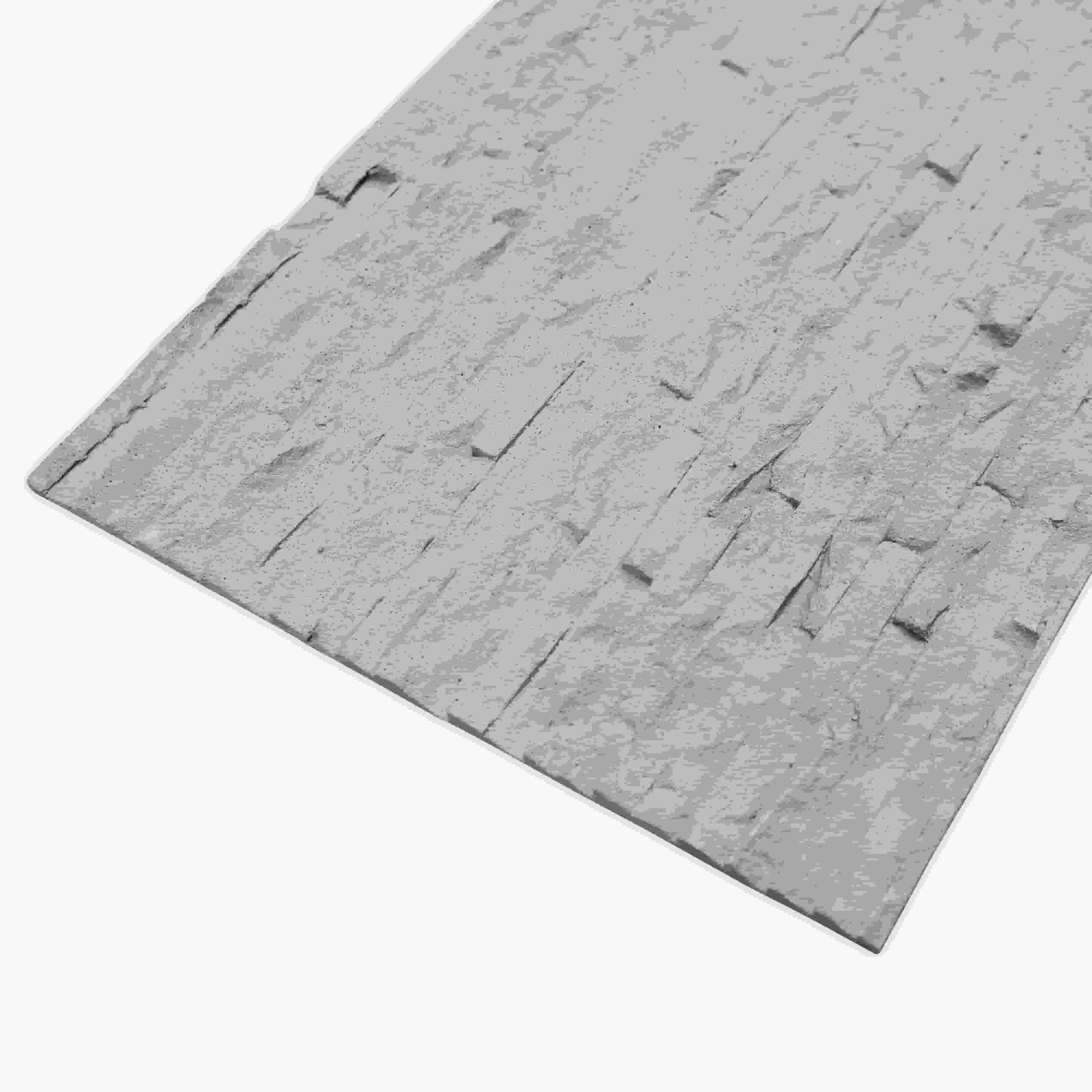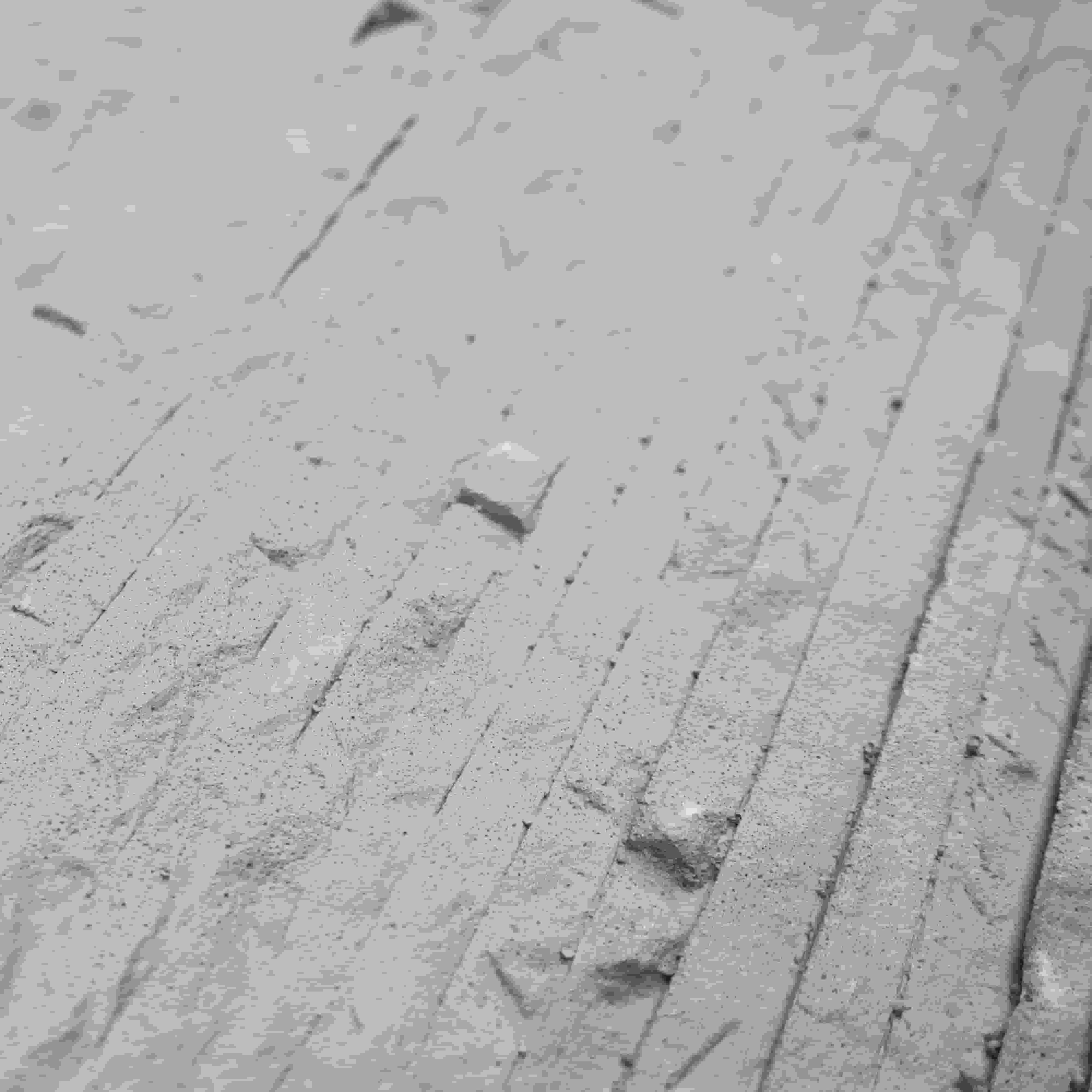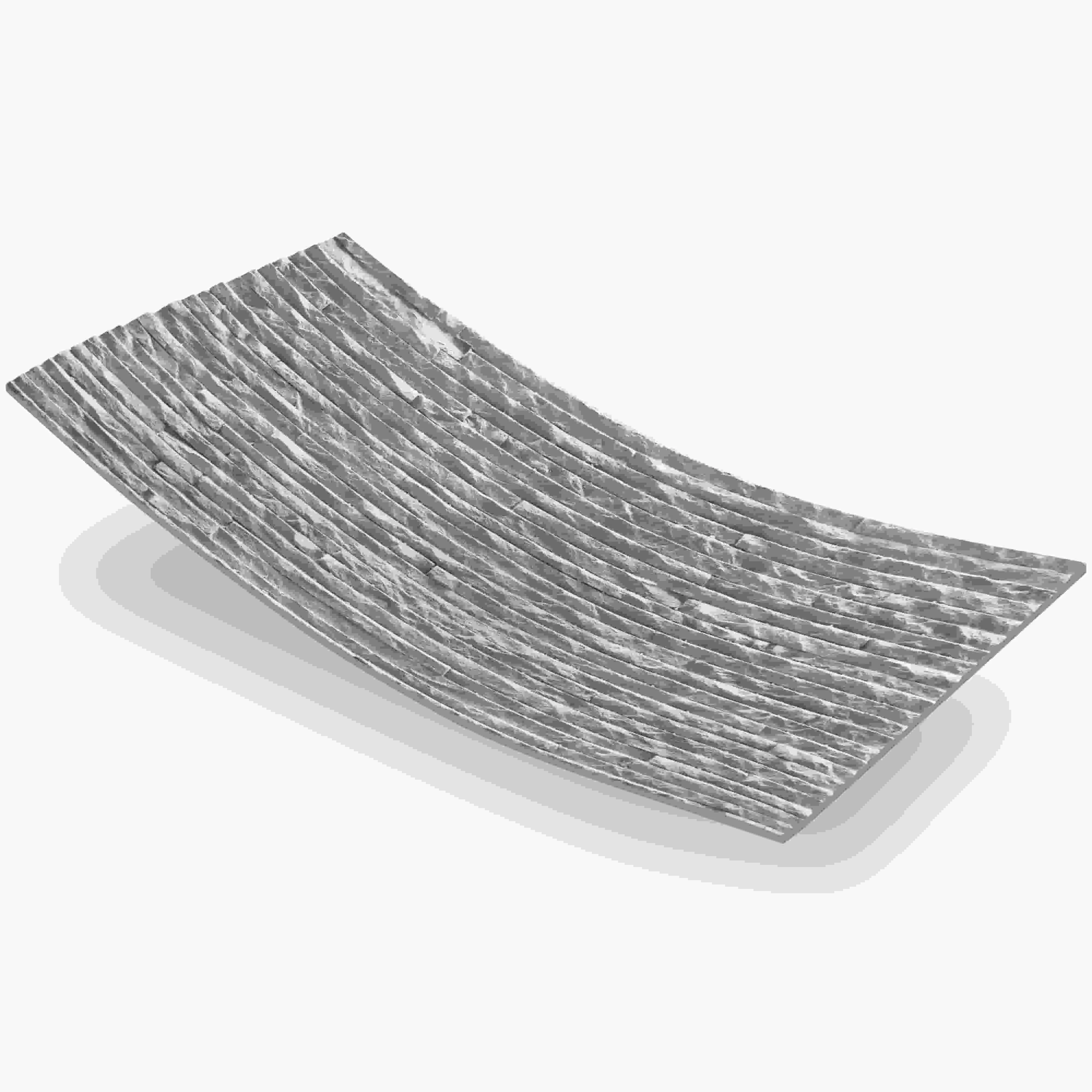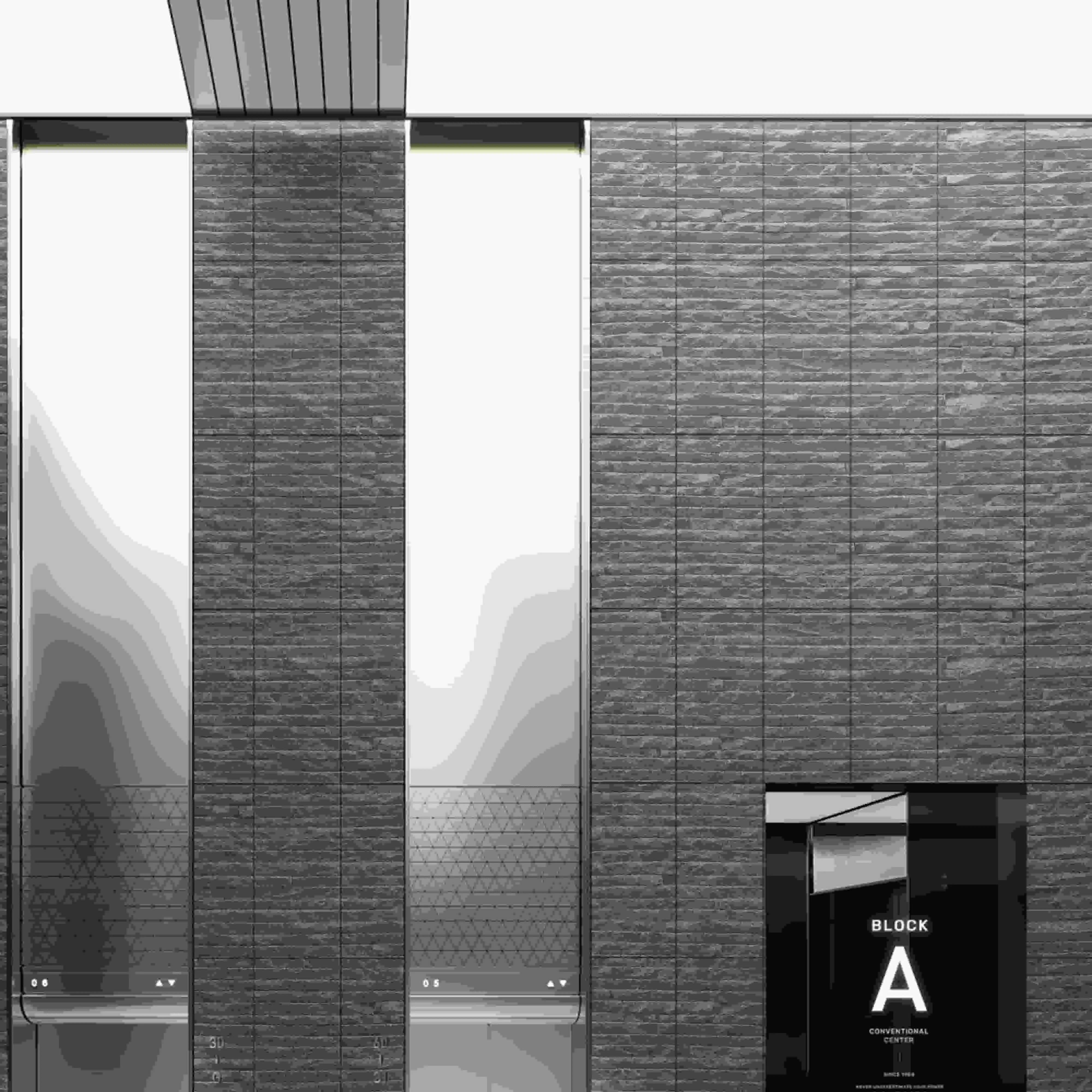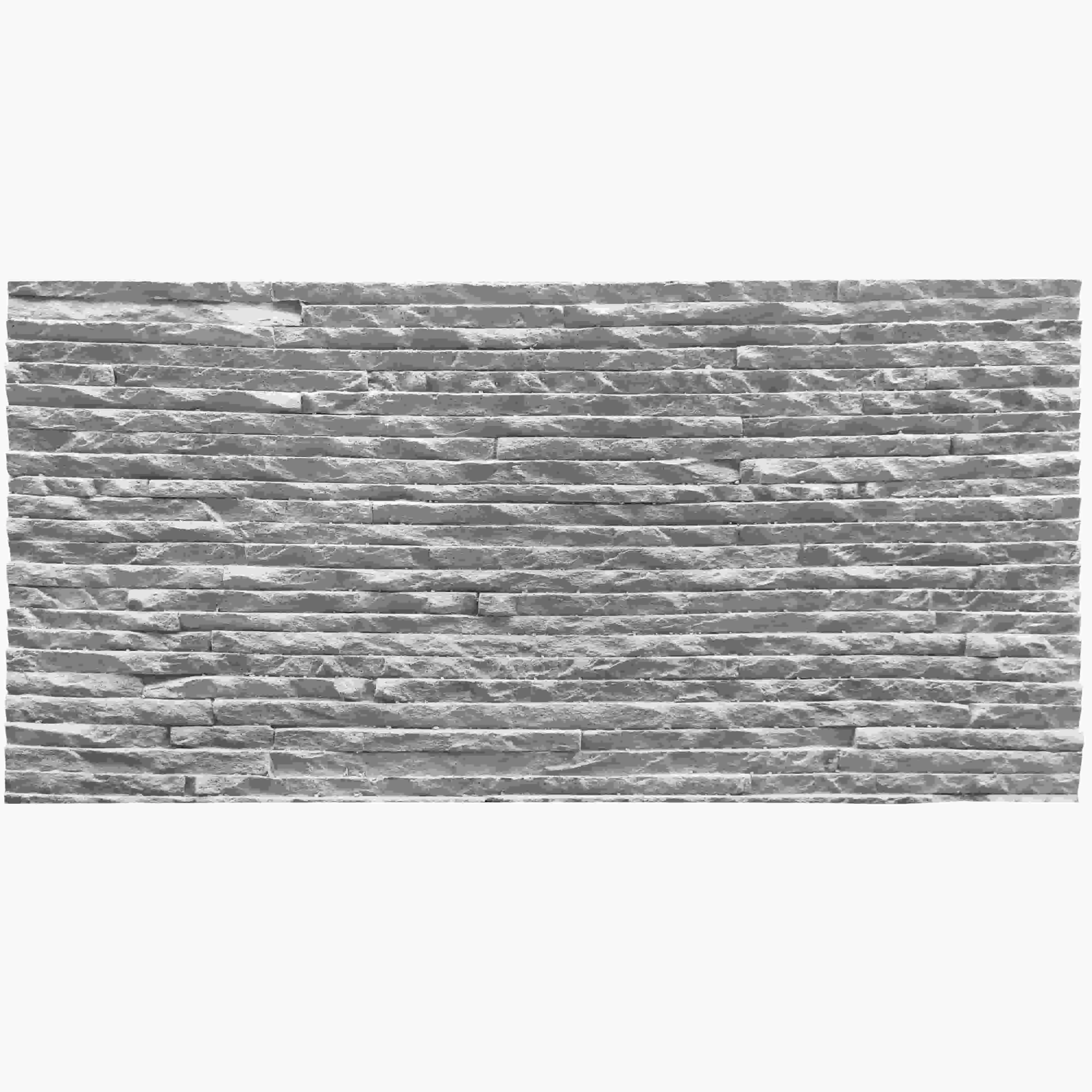
Take Muretto Stone (Light Grey) first. Run your hand over its surface, and you'll feel the subtle, weathered texture of a stone that's seen decades of sun and rain—without the actual decades of aging. It's part of the MCM flexible stone family, which means it borrows the best from natural stone but adds a modern twist. The light grey hue isn't flat; it has depth, with soft variations that shift from pale silver to warm taupe depending on the light. Think of it as the color of morning fog over a quiet meadow—calming, but full of character. Tiny pits and grains mimic the look of quarried stone, giving walls a tactile, organic feel that makes even large spaces feel intimate.
Porcelain tiles, on the other hand, are the definition of "sleek." They're fired at high temperatures to create a smooth, glassy surface that's uniform in color and texture. If you're after a minimalist, high-gloss look—say, a modern apartment with clean lines—porcelain delivers. But here's the catch: that uniformity can sometimes feel… clinical. Without the natural variations of stone, walls clad in porcelain can lack warmth. It's like comparing a perfectly retouched photo to one taken in natural light—both are nice, but one feels more alive.
Muretto Stone (Light Grey) also plays well with different design styles. Pair it with wood accents and potted plants, and it leans rustic. Combine it with black metal fixtures and large windows, and it becomes industrial-chic. Porcelain, while versatile, tends to lock you into a specific vibe—mostly modern or contemporary. If your style leans eclectic or you want a material that ages gracefully (developing a patina over time), Muretto has the edge here.