
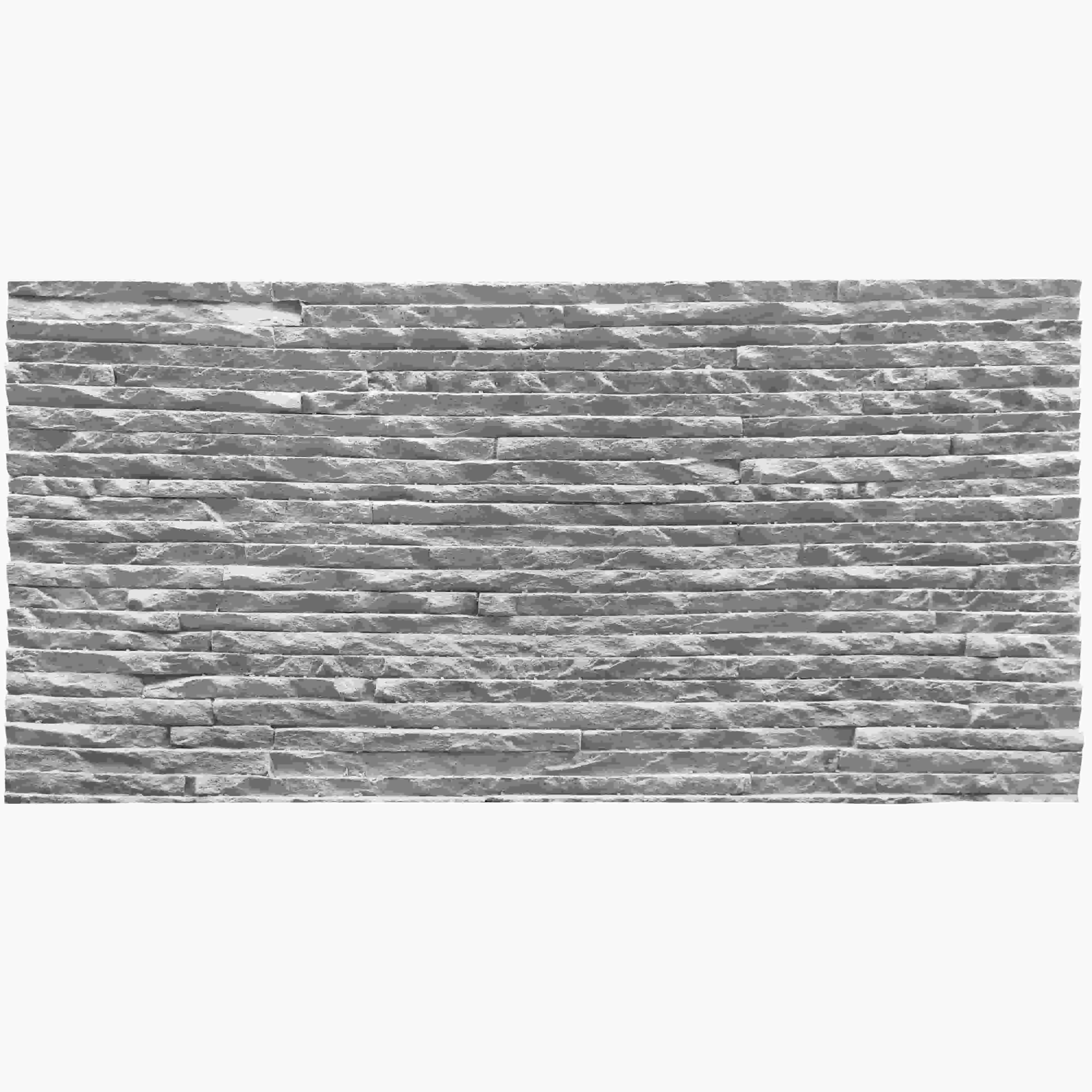
When you stand in front of a house, what catches your eye first? For many, it's the exterior—the texture of the walls, the warmth of the color, the way it blends with the landscape. But beyond curb appeal, there's a silent hero at work: the material that shields your home from rain, snow, scorching sun, and howling winds. For decades, traditional stucco has been a go-to choice, beloved for its classic look and affordability. But in recent years, a new contender has emerged: Muretto Stone (Light Grey) , a modern composite material that's turning heads in architecture and construction. Today, we're diving deep into the question that keeps homeowners, architects, and builders up at night: Which one truly stands the test of time when Mother Nature throws her worst at it?
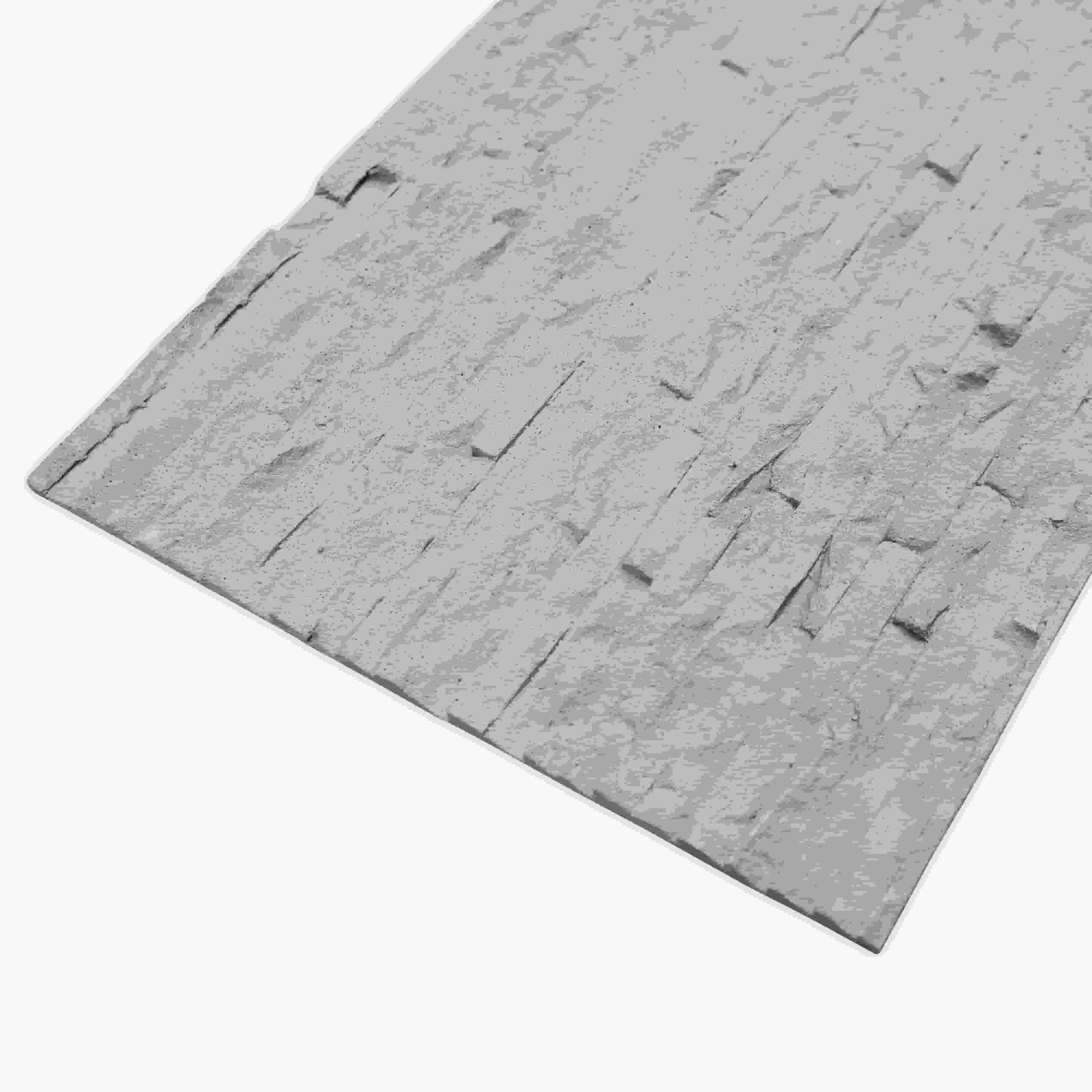
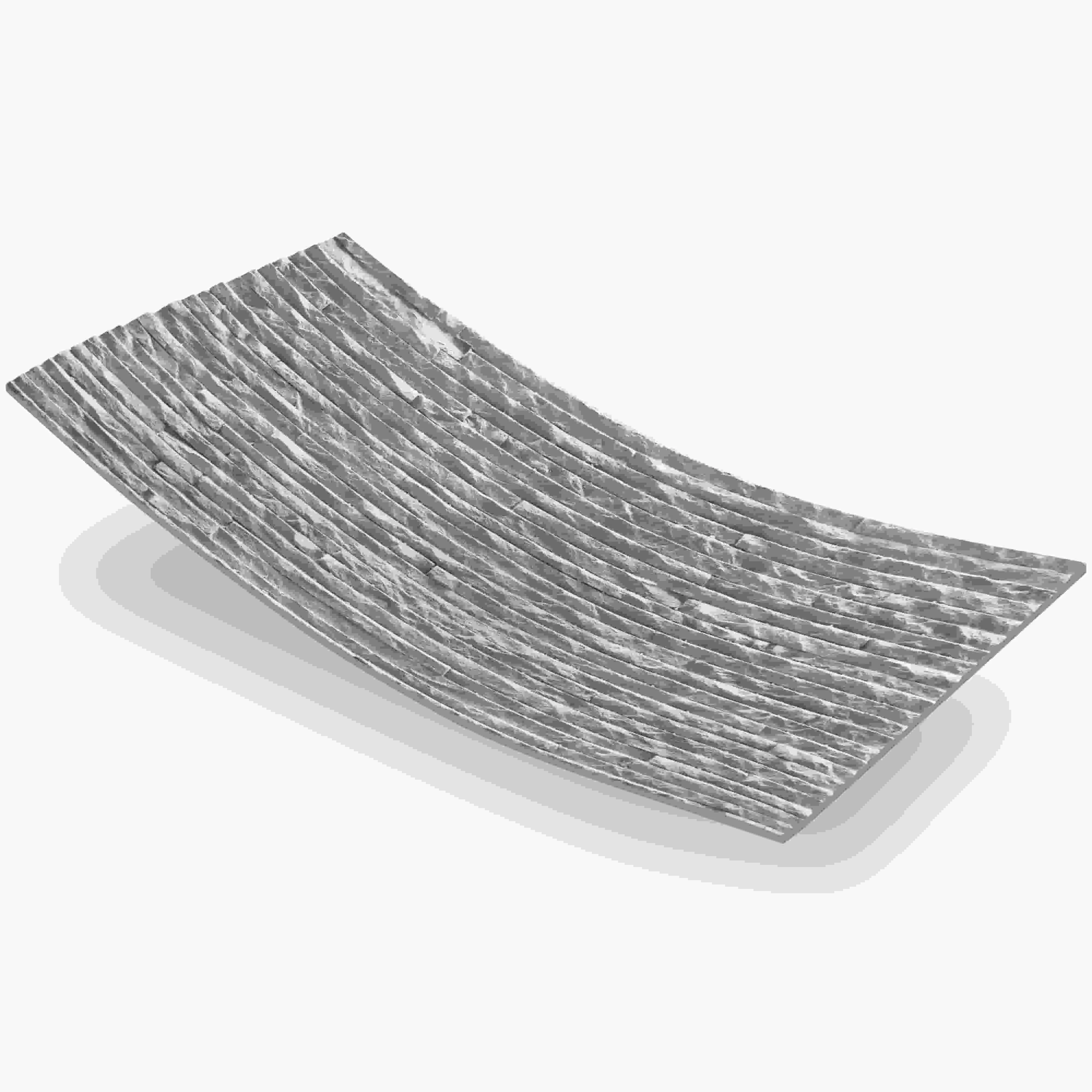
If you're not familiar with Muretto Stone, you're not alone. It's part of a broader category of innovative building materials known as mcm flexible stone —products designed to mimic the beauty of natural stone while packing in modern engineering for durability. Muretto Stone (Light Grey), in particular, is a modified composite material crafted from a blend of natural aggregates (think crushed stone, minerals), high-performance polymers, and reinforcing fibers. The result? A panel that's thin (often just 4-6mm thick), lightweight, and surprisingly flexible—qualities that set it miles apart from rigid traditional materials.
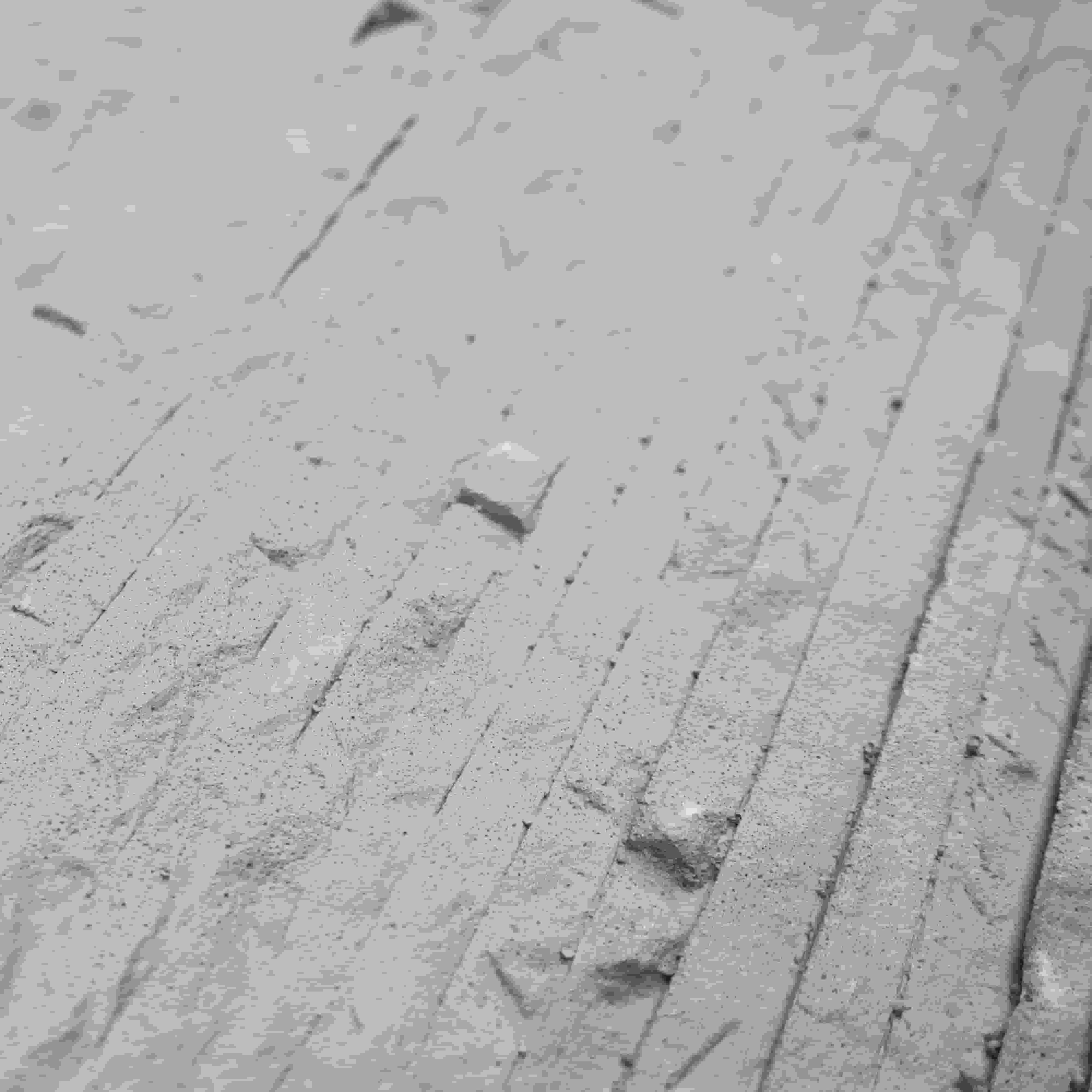
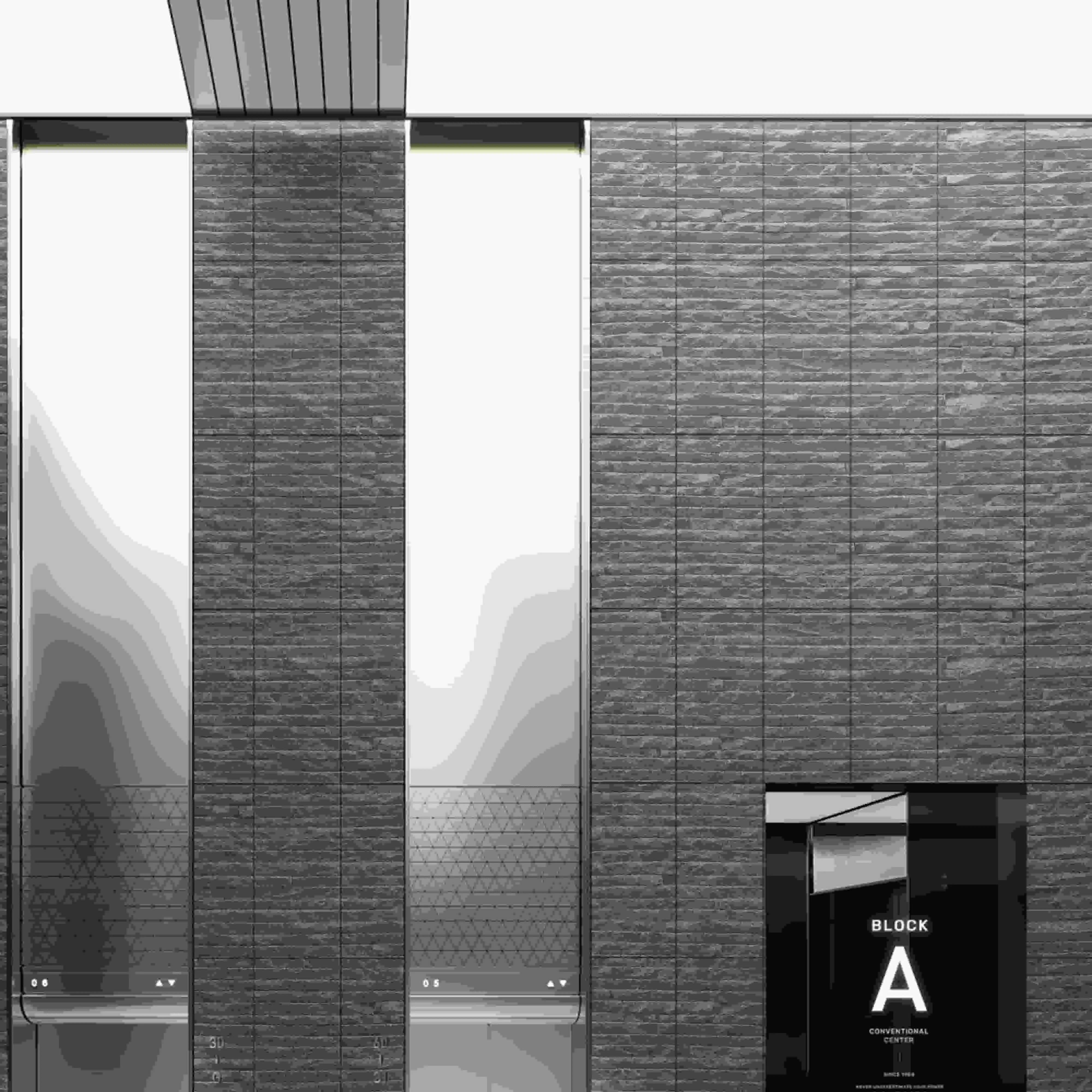
Visually, it's a stunner. The light grey hue is soft yet sophisticated, with a subtle, organic texture that echoes the look of aged limestone or weathered concrete without the heaviness. It's the kind of material that makes a modern home feel grounded and a traditional home feel refreshed. But here's the kicker: its beauty isn't skin-deep. That polymer matrix we mentioned? It's the secret sauce behind its weather resistance, creating a barrier that natural stone or stucco often can't match.
Stucco has been around for centuries, and for good reason. Made from a simple mix of cement, sand, lime, and water, it's applied in layers over a lath (a wooden or metal framework), drying to form a hard, solid surface. It's affordable, easy to apply, and can be tinted to almost any color. Walk through older neighborhoods, and you'll see stucco homes that have weathered decades of storms—proof that, when maintained, it can hold its own.
But here's the catch: stucco is porous by nature. When it dries, tiny air pockets form, making it prone to absorbing water. Over time, that water seeps in, freezes in cold climates, expands, and cracks the surface. Add in the sun's UV rays, which break down the cement binder, and you've got a recipe for chipping, fading, and mold growth. It's not that stucco is "bad"—it's just that modern materials have raised the bar for what we should expect from our home exteriors.
To really understand how these two stack up, let's put them head-to-head across the weather-related challenges every exterior material faces. We'll break it down into key categories, from rain to snow to scorching heat, and see how Muretto Stone (Light Grey) and traditional stucco perform.
| Weather Challenge | Muretto Stone (Light Grey) | Traditional Stucco |
|---|---|---|
| Water Resistance | Low porosity (polymer binders repel water); resists pooling and absorption. Ideal for rainy climates like the Pacific Northwest. | Highly porous; absorbs water, leading to cracks, mold, and rot over time. Requires regular sealing to stay protected. |
| UV Stability | Pigments are integrated into the polymer matrix, resisting fading or chalking even in intense sunlight (think Arizona or Florida summers). | UV rays break down the cement binder, causing surface "chalking" (a powdery residue) and color fading within 5-7 years. |
| Thermal Expansion & Contraction | Flexible core allows it to expand/contract with temperature swings (no cracking in freeze-thaw cycles or desert heat). | Rigid; expands in heat and contracts in cold, leading to hairline cracks that grow over time. |
| Impact Resistance | Reinforcing fibers absorb impacts from hail, flying debris, or accidental bumps (common in high-wind areas like coastal regions). | Brittle when dry; prone to chipping or denting from hail or even a stray baseball. |
| Freeze-Thaw Durability | Non-porous design prevents water absorption, so no ice expansion to crack the material (perfect for snowy climates like the Northeast). | Absorbed water freezes, expands, and "pops" the surface, leading to flaking and spalling. |
Numbers on a page are one thing, but let's talk real-world scenarios. Take two identical homes in Portland, Oregon—one clad in Muretto Stone (Light Grey), the other in traditional stucco. Both face 40+ inches of annual rain, high humidity, and mild winters with occasional freezes.
After 5 years, the stucco home shows telltale signs of wear: hairline cracks spiderwebbing across the south-facing wall (thanks to UV damage), a dark streak of mold near the foundation (from water absorption), and a slightly faded color. The homeowner has already re-sealed it twice and is bracing for a costly repair to fix those cracks before they worsen. The Muretto Stone home? It looks almost new. The light grey color hasn't faded, there's zero mold (water beads right off the surface), and the only "damage" is a tiny scratch from a falling branch—easily touched up with a matching paint pen.
Or consider a home in Phoenix, Arizona, where summer temperatures soar to 110°F and UV rays are relentless. Stucco here is known to "chalk" within 3-4 years, leaving a dusty residue on hands and clothes. The Muretto Stone (Light Grey) home? After 6 years, its finish is still smooth, the color consistent, and the AC bill is lower—thanks to the material's natural insulating properties (another bonus of that polymer core).
Weather resistance is critical, but let's not overlook the other reasons homeowners and architects are falling for Muretto Stone. Unlike stucco, which is applied wet and requires time to cure (and can be messy), Muretto Stone comes in lightweight panels that are easy to install—even over existing surfaces like fair-faced concrete or old brick. That means less labor, less mess, and a faster project timeline.
Aesthetically, it plays well with others. Pair it with lunar peak silvery accents for a modern, industrial vibe, or mix it with rammed earth board (another MCM favorite) for a warm, earthy look. Stucco, by contrast, is limited in texture—you can get smooth, rough, or "sand" finishes, but that's about it. And if you ever want to change the color? Stucco requires a full re-coat; Muretto Stone can often be painted (check with the manufacturer) for a fresh look.
Traditional stucco has earned its place in history, but when it comes to weather resistance, Muretto Stone (Light Grey) is the clear winner. Its non-porous, flexible design, UV stability, and freeze-thaw durability make it a smarter long-term investment—especially in harsh or variable climates. It's not just about avoiding repairs (though that's a huge plus); it's about peace of mind. Knowing your home's exterior can stand up to rain, snow, sun, and wind for decades means more time enjoying your space and less time worrying about maintenance.
Of course, every home is unique. If you live in a mild climate with little rain or extreme temperatures, stucco might still make sense—especially if you love its classic look and are willing to keep up with sealing. But for most homeowners, Muretto Stone (Light Grey) offers the best of both worlds: the beauty of natural stone, the durability of modern engineering, and a weather resistance that traditional stucco simply can't match.
At the end of the day, your home's exterior is more than just a pretty face. It's a shield, a statement, and a reflection of the care you put into it. With Muretto Stone (Light Grey), you're not just choosing a material—you're choosing decades of worry-free beauty, come rain or shine.
Recommend Products












