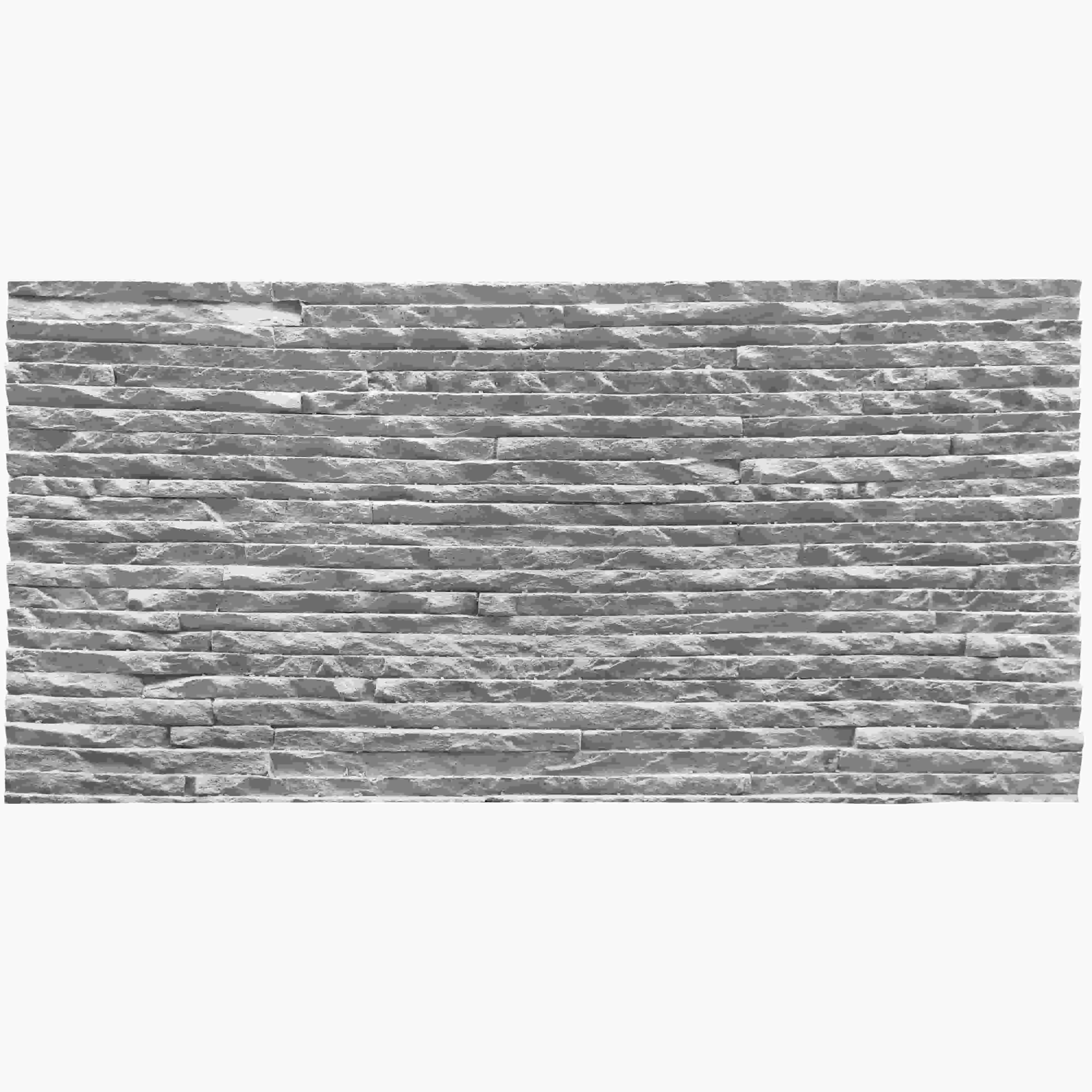
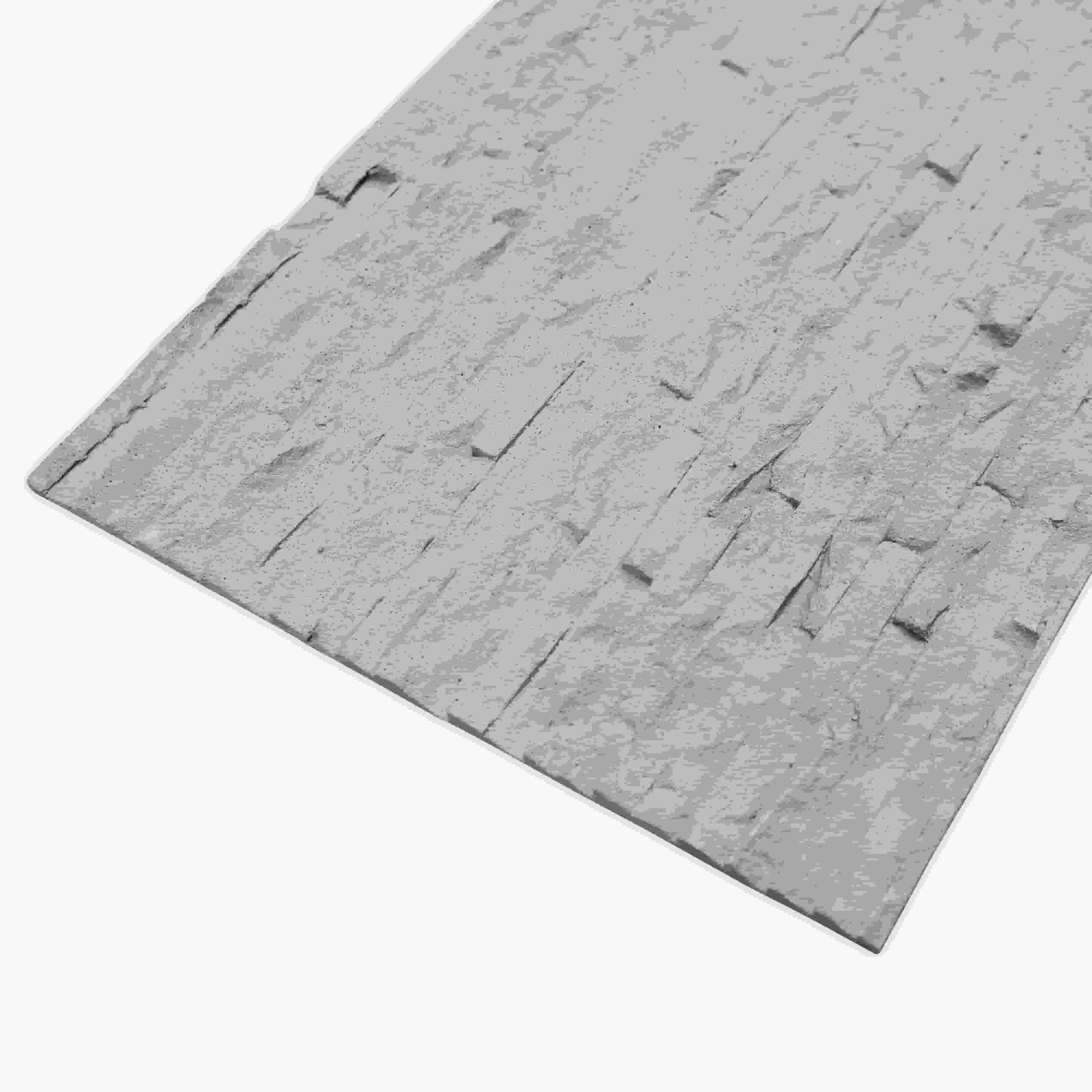
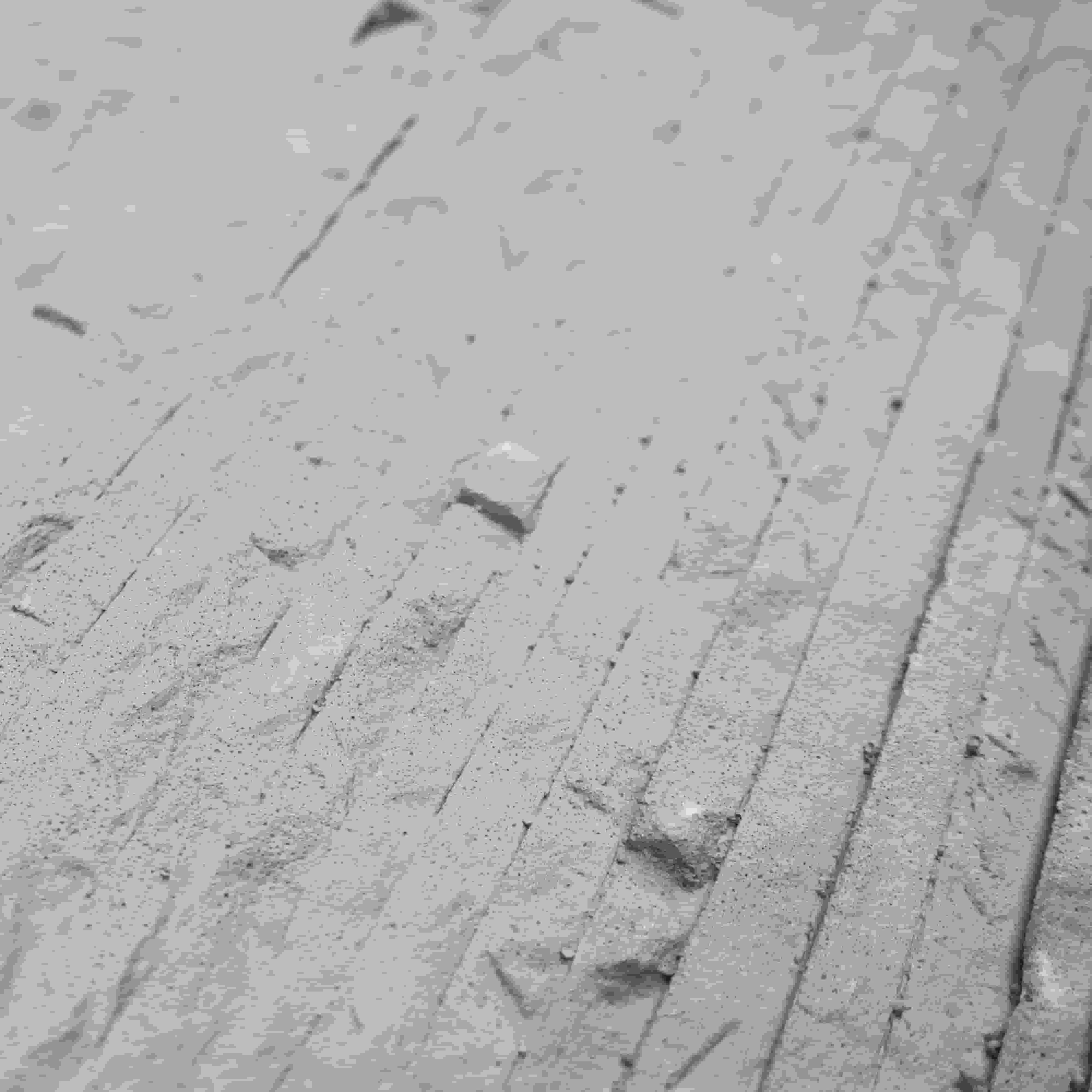
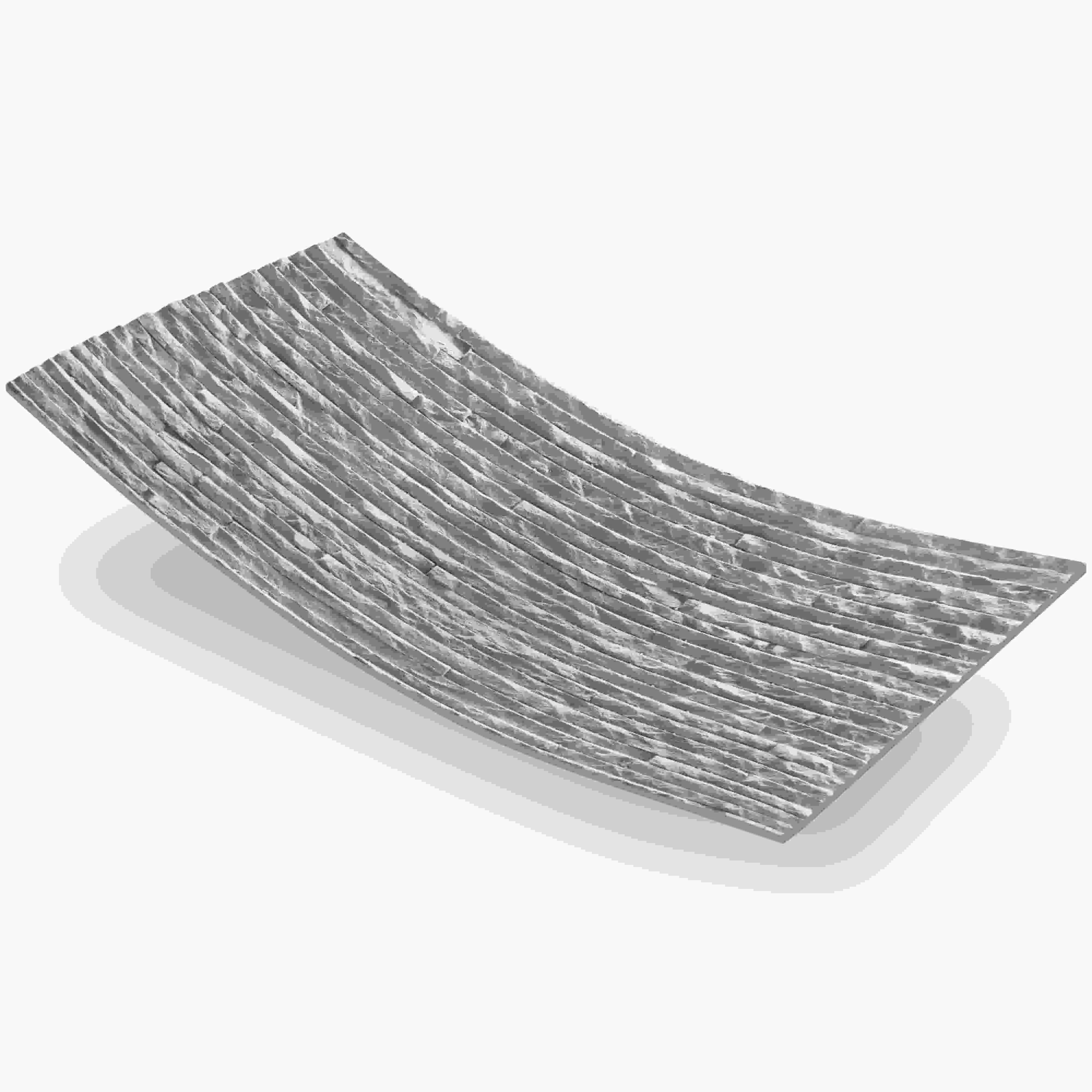
Choosing between Muretto Stone (Light Grey) and Travertine isn't about picking "the best"—it's about picking what's best for
you
. Let's break down the key factors that matter most for poolside living.
1. Durability: Standing Up to Sun, Water, and Wear
Poolside surfaces take a beating. They're exposed to constant moisture, chemicals, and foot traffic. Muretto Stone (Light Grey) shines here. As an engineered
flexible stone
, it's designed to resist cracking, chipping, and fading. Even if a heavy object drops, it's more likely to bounce than break. Travertine, being a natural stone, is durable too—but it's softer than Muretto. Over time, heavy furniture or sharp objects can leave scratches, and freeze-thaw cycles (in colder climates) might cause small cracks if not sealed properly.
2. Slip Resistance: Safety First (Especially with Kids)
Slippery surfaces around pools are a disaster waiting to happen. Muretto Stone (Light Grey) has a textured finish that provides excellent grip, even when wet. It's not abrasive—your bare feet will thank you—but it's enough to prevent slips. Travertine, with its natural pores, is also slip-resistant, but it depends on the finish. Polished Travertine can be slippery when wet, so most pool owners opt for honed or tumbled Travertine, which has a rougher texture. Still, Muretto's engineered texture is more consistent, which is reassuring if you have clumsy teens or wobbly toddlers.
3. Aesthetics: Setting the Mood
This is where personal taste takes over. Muretto Stone (Light Grey) is all about modern elegance. Its uniform color and subtle texture work beautifully with contemporary homes, glass pool fences, and minimalist landscaping. It's clean, crisp, and feels "current." Travertine, by contrast, is warm and organic. Its natural veining and earthy tones (think beiges, golds, and even the starry blues) add character, making it perfect for Mediterranean, rustic, or bohemian-style homes. It's the difference between a sleek city loft and a cozy countryside villa—both lovely, just different vibes.
4. Maintenance: How Much Time Do You Want to Spend Cleaning?
Let's be real: no one wants to spend weekends maintaining their pool deck. Muretto Stone (Light Grey) is a low-maintenance dream. Its non-porous surface means no sealing is required. A quick sweep and an occasional hose-down with water is all it takes to keep it looking fresh. Travertine, though, needs a bit more love. Its pores trap dirt and liquids, so it needs to be sealed every 1–2 years (more if you have a saltwater pool). Spills should be wiped up immediately to avoid staining, and you'll need a special stone cleaner to avoid damaging the surface. If you're short on time, Muretto is the clear winner here.
5. Cost: Balancing Budget and Beauty
Price is always a factor. Muretto Stone (Light Grey), being an engineered product, tends to be more affordable than high-quality natural Travertine. You'll save on both material and installation costs (thanks to its lightweight, flexible nature). Travertine, especially rare varieties like
Travertine (Starry Blue)
, can be pricier, and installation is often more labor-intensive (hello, heavy slabs). That said, some homeowners see Travertine as an investment—its natural beauty can boost curb appeal and resale value, which might offset the initial cost.