
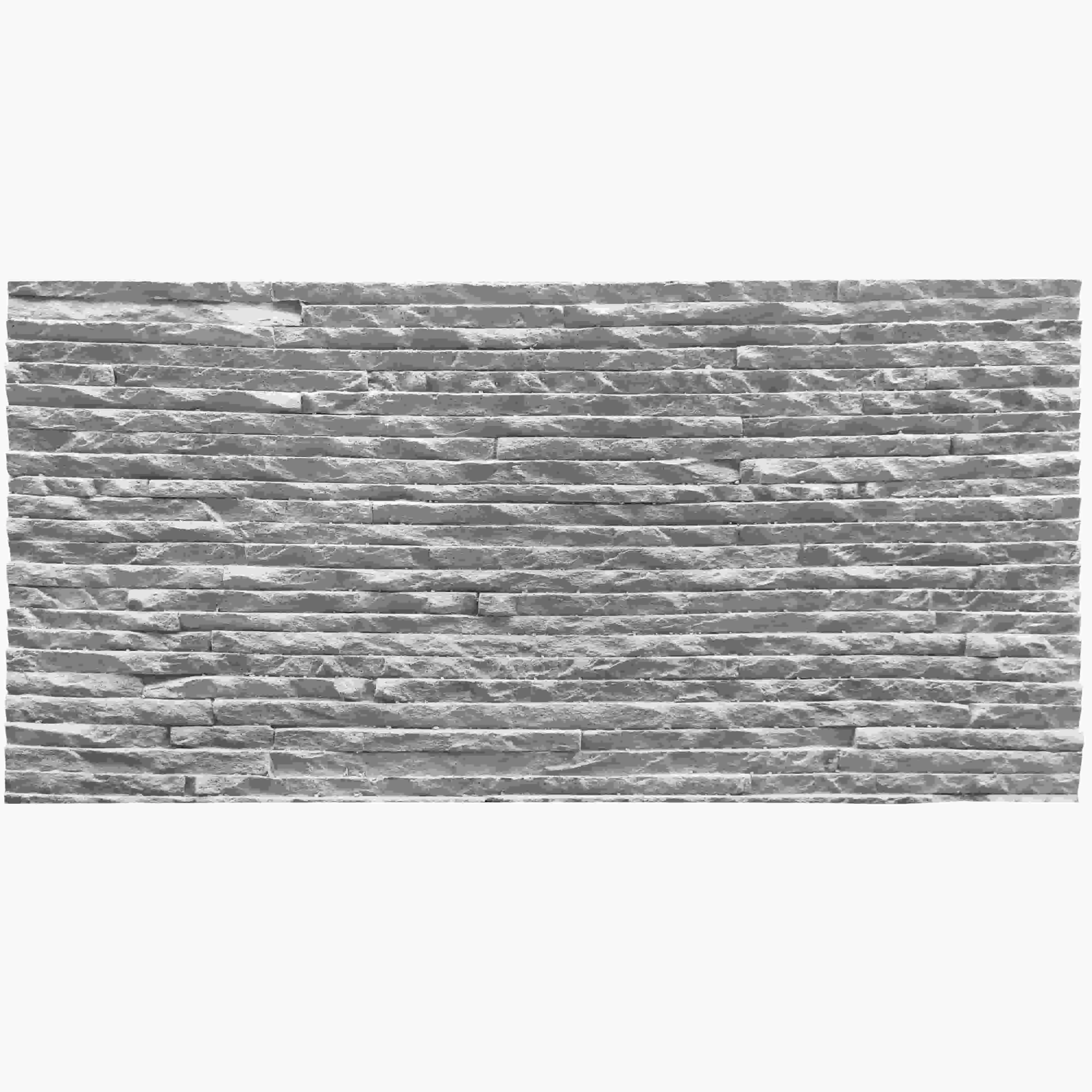
A deep dive into two exterior cladding giants—Which stands the test of time, and which stands with the planet?
When you're planning to revamp your home's exterior, the choice of cladding isn't just about picking a color or texture. It's a commitment—one that will influence how your property looks in 10 years, how much time you spend on upkeep, and even how gently (or harshly) your home impacts the environment. In a market flooded with options, two contenders often rise to the top for homeowners and architects alike: Muretto Stone (Light Grey), a sleek, modern interpretation of natural masonry, and Vinyl Siding, a budget-friendly staple known for its widespread availability. But beyond the initial price tag and curb appeal, how do these two really compare? Let's break it down, focusing on the two factors that matter most in the long run: longevity and sustainability.
Longevity in exterior cladding boils down to three key questions: How well does it resist the elements? How much maintenance does it demand? And how gracefully does it age over time? Let's start with Muretto Stone (Light Grey), a product that leans into the durability of natural stone while embracing modern engineering.
Muretto Stone (Light Grey) is part of a new generation of flexible stone cladding panels, designed to mimic the look and feel of traditional masonry without the weight or fragility. Crafted from a composite of natural stone aggregates, mineral binders, and reinforcing fibers, it's engineered to stand up to the harshest of weather conditions. Unlike pure natural stone, which can crack under thermal expansion, Muretto's flexibility allows it to expand and contract with temperature changes—meaning no unsightly gaps or fractures after a hot summer or freezing winter.
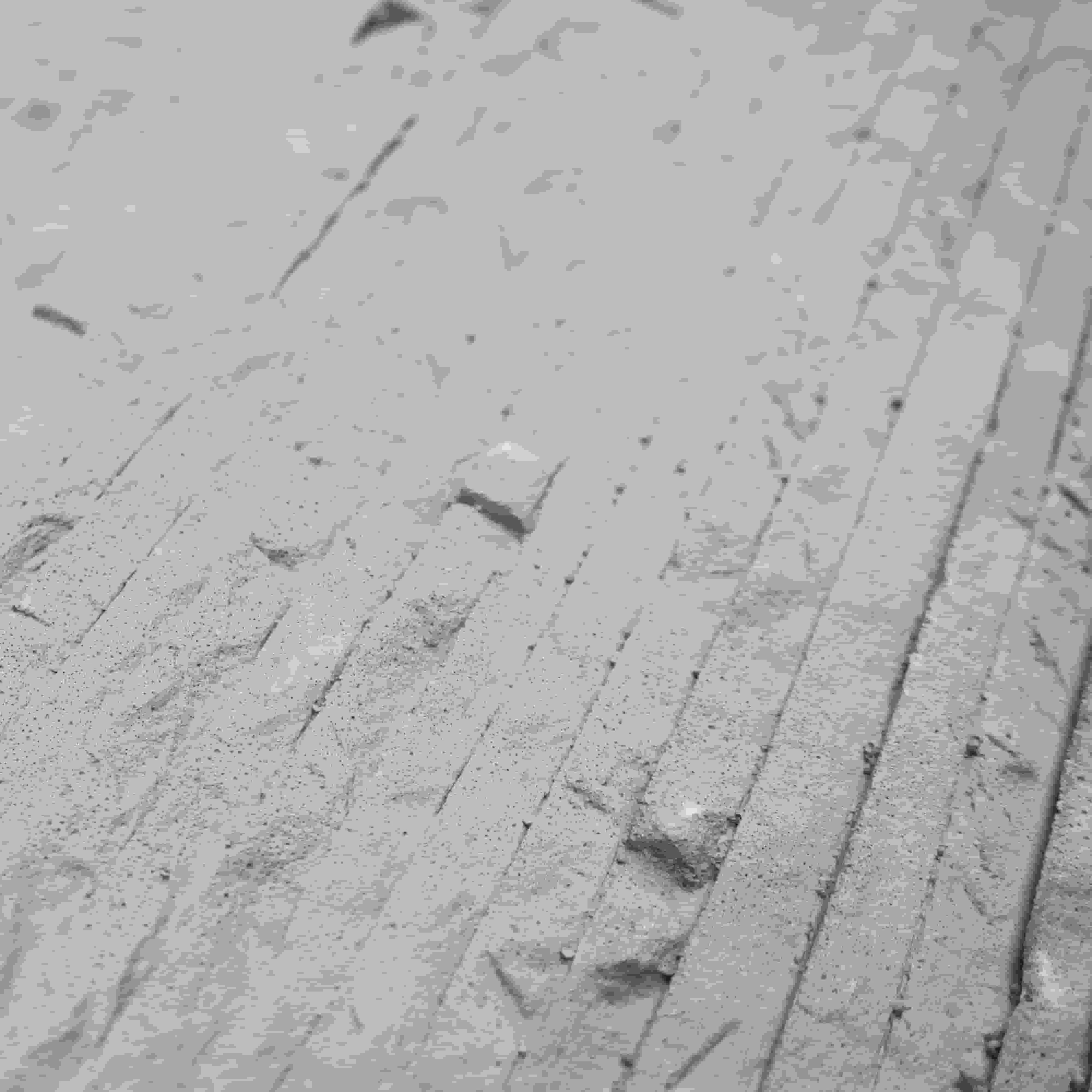
UV resistance is another standout feature. Light grey hues are particularly prone to fading under intense sunlight, but Muretto's pigments are integrated into the material itself, not just painted on. Homeowners in sun-drenched regions like Arizona or Florida report that even after 15 years, their Muretto Stone (Light Grey) exteriors retain that soft, muted grey tone, free from the chalky, washed-out look that plagues cheaper claddings. Moisture is another enemy of exteriors, but Muretto's non-porous surface resists water absorption, preventing mold, mildew, and rot—common issues in humid climates like the Pacific Northwest.
Maintenance? Minimal. A quick rinse with a garden hose once or twice a year is usually enough to keep it looking fresh. Unlike wood or even some stone products, it doesn't require sealing, painting, or staining. And if a panel does get damaged—say, from a stray baseball or storm debris—individual panels can be replaced without tearing up the entire wall, saving time and money on repairs.
Vinyl siding, on the other hand, has long been lauded for its affordability and ease of installation. Made from polyvinyl chloride (PVC) resin mixed with plasticizers and pigments, it's lightweight and comes in a variety of colors and styles, from wood-grain imitations to smooth panels. But when it comes to longevity, vinyl has some notable limitations.
Thermal sensitivity is vinyl's Achilles' heel. In extreme heat—think summer days in Texas where temperatures hit 100°F—vinyl can warp or buckle, especially if it's not properly installed with gaps for expansion. Conversely, in freezing cold, the material becomes brittle, making it prone to cracking from impacts or even strong winds. Homeowners in northern states often notice hairline cracks in their vinyl siding after a harsh winter, which can lead to moisture seepage if left unaddressed.
Fading is another common complaint. While modern vinyl comes with "fade-resistant" claims, many homeowners find that after 5–7 years, their once-vibrant siding starts to look dull, especially in darker colors. Light grey vinyl may hold up better than, say, red or blue, but it still can't match the color stability of Muretto's integrated pigments. Maintenance for vinyl isn't overly demanding—occasional washing with soap and water is standard—but it's not maintenance-free. Loose panels, cracked edges, or damaged corners often require replacement, and unlike Muretto, finding an exact color match for older vinyl can be a challenge, leading to patchy, mismatched exteriors.
| Feature | Muretto Stone (Light Grey) | Vinyl Siding |
|---|---|---|
| Expected Lifespan | 50+ years with minimal maintenance | 20–30 years (often needs replacement sooner in extreme climates) |
| Resistance to Elements | High (UV, moisture, impact, thermal expansion) | Moderate (prone to warping, cracking, and fading) |
| Maintenance Needs | Low (annual rinsing, occasional panel replacement) | Moderate (regular washing, frequent panel repairs/replacement) |
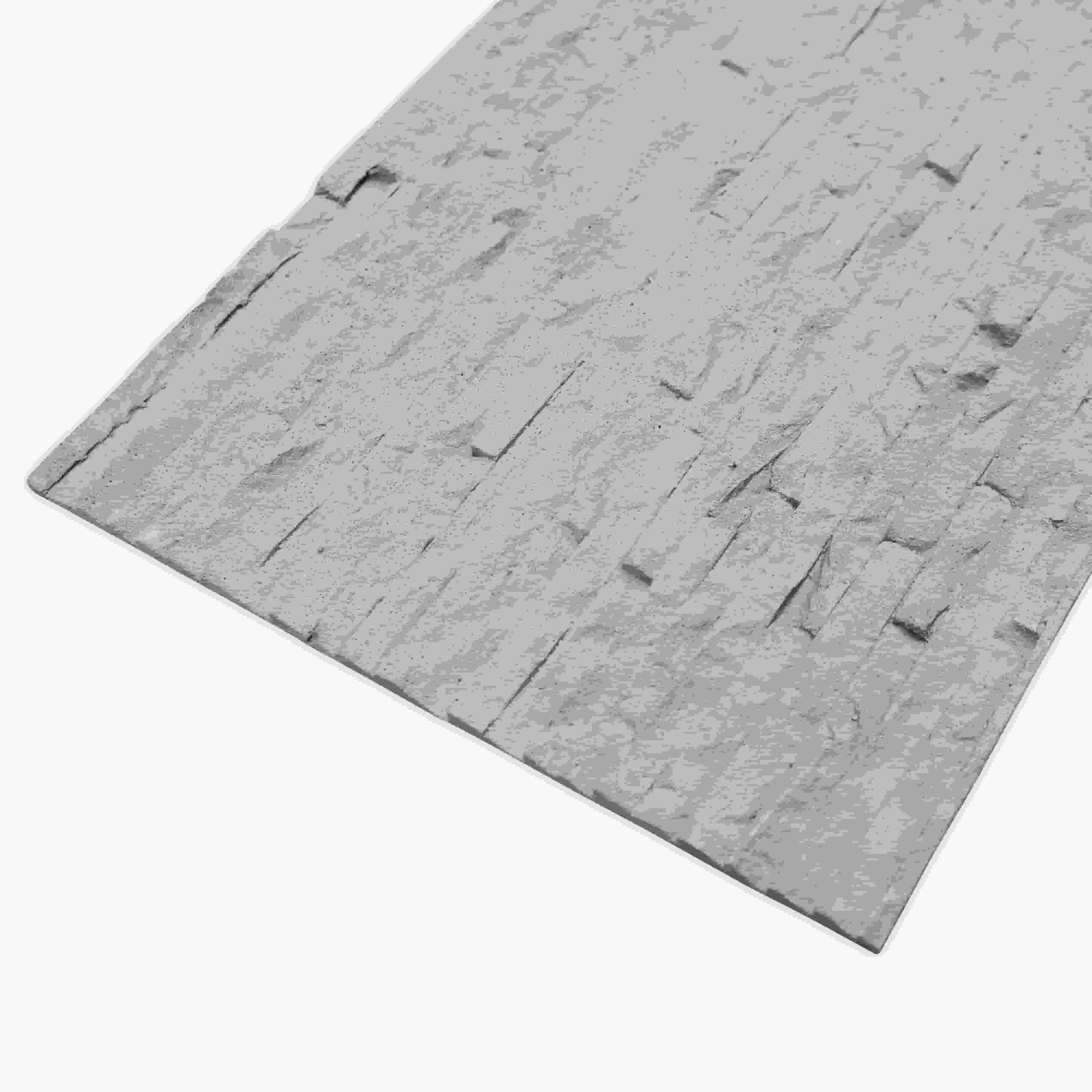
In an era where "green building" is more than just a buzzword, sustainability has become a make-or-break factor for many homeowners and developers. From production to disposal, the environmental impact of cladding materials matters—and Muretto Stone (Light Grey) and Vinyl Siding couldn't be more different in this regard.
Muretto Stone (Light Grey) aligns with the principles of green building materials in several key ways. First, its production process prioritizes resource efficiency. Unlike traditional stone quarrying, which can be energy-intensive and environmentally disruptive, Muretto uses a significant portion of recycled stone aggregates—leftover fragments from quarrying operations that would otherwise end up in landfills. This reduces the demand for virgin stone extraction, lowering the material's carbon footprint from the start.
Low volatile organic compounds (VOCs) are another plus. Many cladding materials release harmful chemicals into the air during and after installation, but Muretto's mineral-based binders are free from harsh solvents, making it a healthier choice for both installers and homeowners. This is a big win for indoor air quality, too—since exterior cladding can off-gas into living spaces, especially in tightly sealed homes.
Energy efficiency is where Muretto really shines. Stone is a natural insulator, and Muretto's thickness (typically 8–12mm) adds an extra layer of thermal mass to a home's exterior. This helps regulate indoor temperatures by absorbing heat during the day and releasing it at night, reducing the load on heating and cooling systems. In fact, studies have shown that homes clad in stone-based materials can see energy savings of 10–15% compared to those with vinyl siding, which offers little to no insulation value on its own.
End-of-life considerations are also important. When Muretto panels eventually reach the end of their lifespan (which, as we've established, is decades away), they can be crushed and reused as aggregate in new construction projects or returned to the earth as inert material. There's no toxic off-gassing or microplastic pollution—just a material that cycles back into the environment without harm.
Vinyl siding's affordability often comes with a hidden price tag: its environmental impact. Let's start with production. PVC, the main component of vinyl, is derived from petroleum—a non-renewable resource. The manufacturing process also releases dioxins, a group of highly toxic chemicals linked to cancer and developmental issues, into the air and water. While modern facilities have reduced emissions, vinyl production still ranks among the most polluting in the building materials industry.
Energy efficiency is another weak spot. Vinyl siding is thin (usually 0.4–0.5mm thick) and offers minimal thermal resistance. To compensate, many homeowners add insulation behind the siding, but this adds to the overall cost and environmental impact. Even with insulation, vinyl's lack of thermal mass means homes lose heat faster in winter and gain heat quicker in summer, leading to higher energy bills and a larger carbon footprint over time.
The end-of-life problem is perhaps vinyl's biggest sustainability flaw. PVC is notoriously difficult to recycle. While some programs exist to repurpose old vinyl siding into new products, the market for recycled vinyl is small, and most discarded siding ends up in landfills. There, it can take centuries to break down, and as it does, it leaches toxic chemicals like phthalates (used to make vinyl flexible) into the soil and groundwater. When vinyl is incinerated—often as part of waste-to-energy programs—it releases dioxins back into the atmosphere, compounding its environmental harm.
It's worth noting that sustainability isn't just about a material's production—it's also about how long it lasts. A product that needs to be replaced every 20 years (like vinyl) has a higher cumulative environmental impact than one that lasts 50+ years (like Muretto), even if the initial production of the latter is slightly more resource-intensive. When you factor in the energy, materials, and emissions associated with manufacturing and installing new siding every two decades, vinyl's "budget-friendly" appeal starts to fade.
To put these differences into perspective, let's meet Sarah, a homeowner in Portland, Oregon, who renovated her 1960s ranch home in 2010. Initially drawn to vinyl siding for its low upfront cost, she opted for light grey vinyl to match the neighborhood's aesthetic. By 2018, she noticed the siding was warping around the south-facing walls and fading to a patchy, uneven grey. A severe windstorm in 2020 tore off several panels, and when she went to replace them, she discovered the manufacturer had discontinued her color. Left with mismatched siding, Sarah decided to invest in a more durable option: Muretto Stone (Light Grey).
"The difference has been night and day," she says. "It's been three years, and the Muretto still looks brand new—even after our rainy winters and hot, dry summers. I used to spend every spring pressure-washing the vinyl; now, I just hose down the Muretto once a year. And knowing that it's made from recycled stone and won't end up in a landfill someday? That peace of mind is priceless."
Sarah's story isn't unique. Across the country, homeowners and builders are increasingly prioritizing long-term value over short-term savings, and materials like Muretto Stone (Light Grey)—with its blend of durability, low maintenance, and sustainability—are leading the charge.
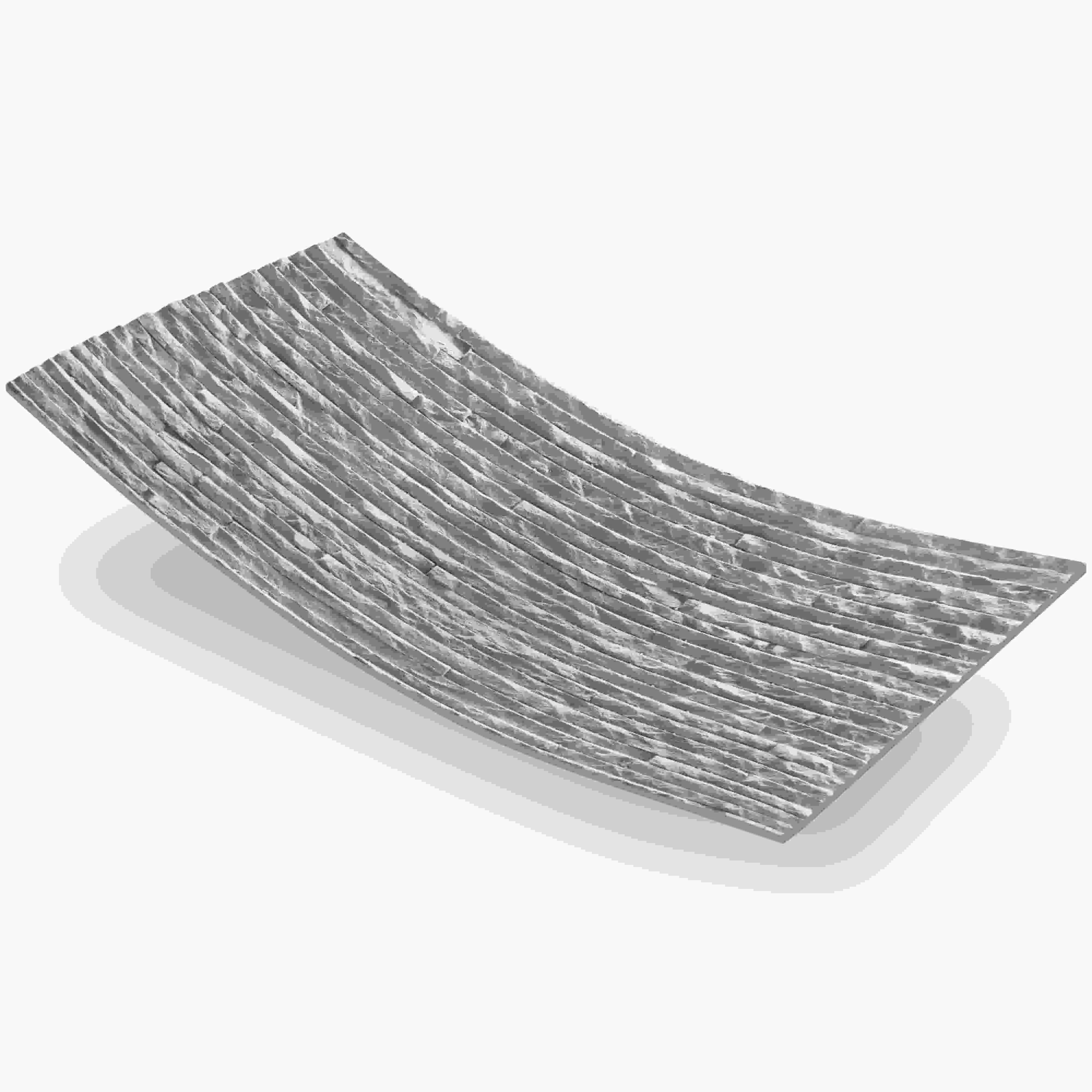
When it comes to longevity, Muretto Stone (Light Grey) outperforms vinyl siding in nearly every category: it's more durable, requires less maintenance, and retains its beauty for decades longer. Its flexibility and resistance to the elements make it a smart choice for any climate, from humid coastal areas to dry inland regions.
On sustainability, the gap is even wider. Muretto's use of recycled materials, low VOCs, energy efficiency, and recyclable end-of-life make it a leader in green building materials, while vinyl's reliance on fossil fuels, toxic production process, and poor recyclability raise red flags for eco-conscious consumers.
Of course, budget is always a consideration. Vinyl siding has a lower upfront cost, but when you factor in replacement, repairs, and energy bills over time, Muretto becomes the more economical choice. It's an investment in your home's future—and the planet's.
So, if you're looking for exterior cladding that will stand strong against time, weather, and environmental impact, Muretto Stone (Light Grey) isn't just an option—it's the future of responsible, beautiful building.
Recommend Products












