

If you've ever stepped into a space adorned with muretto stone, you know its magic. Whether it's the soft, earthy vibe of muretto stone (beige) in a cozy living room, the sleek modernity of muretto stone (dark grey) in a kitchen backsplash, or the understated elegance of muretto stone (light grey) in a commercial lobby, this material has a way of turning ordinary rooms into something extraordinary. But like any beloved feature in your home or workspace, muretto stone needs a little care to stay looking its best. The good news? You don't need to be a professional cleaner or invest in fancy gadgets. With a few simple habits and smart strategies, you can keep your muretto stone surfaces vibrant and fresh for years to come. Let's dive in.
Before we talk about cleaning and care, let's get to know muretto stone a bit better. Unlike some rigid natural stones, muretto stone is often crafted as a flexible composite material, blending durability with a surprisingly organic texture. Its surface can range from subtly porous to semi-smooth, depending on the finish, and its color variations—from light grey to dark grey to beige—aren't just about aesthetics; they can affect how stains and wear show up over time. For example, muretto stone (beige) might reveal water spots more noticeably than dark grey, while dark grey could mask minor scuffs better than light grey. Understanding these nuances is the first step to tailoring your maintenance routine.
Another key point: muretto stone is designed to be resilient, but it's not invincible. Harsh chemicals, abrasive tools, or neglect can dull its finish or even cause discoloration. The goal here isn't perfection—it's consistency. Small, regular efforts will always beat sporadic deep cleans when it comes to preserving that "just installed" look.
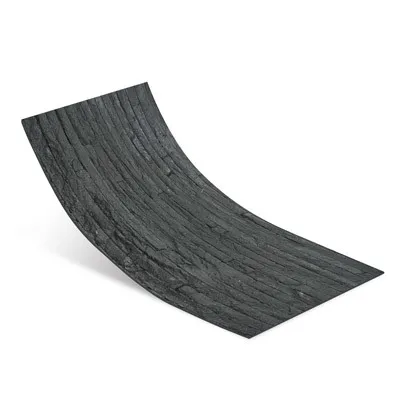
Think of daily cleaning as the "brushing your teeth" of muretto stone care—simple, quick, and non-negotiable. Here's how to do it right:
Dust first, then wipe. Start by dry-dusting the surface with a microfiber cloth or a soft duster. This removes loose dirt, pollen, or crumbs that could scratch the stone when you add moisture later. For high-traffic areas like floors or countertops, aim to do this once a day. For lower-traffic spots, every other day should suffice.
Go gentle with water. After dusting, dampen a clean microfiber cloth with lukewarm water (avoid hot water, which can dry out the stone over time) and wipe the surface in gentle, circular motions. This step catches any remaining grime without stripping away the stone's natural oils or sealant. For muretto stone (light grey), which can show streaks more easily, wring the cloth out well—you want it damp, not wet.
Skip the soap (mostly). Unless you're dealing with sticky residue (like spilled soda or food), plain water is usually enough for daily cleaning. Soap, especially with harsh detergents, can leave a filmy buildup that dulls the stone's finish over time. If you must use soap, opt for a pH-neutral, stone-safe cleaner (look for labels that say "gentle" or "for natural stone") and dilute it heavily—no more than a teaspoon per liter of water.

Even with daily care, accidents happen. A dropped glass of red wine, a splatter of cooking oil, or a forgotten wet towel can leave their mark. The key is to act fast—and use the right approach for the stain type. Let's break down the most common culprits and how to handle them:
Water spots and rings. These are usually caused by mineral deposits in water (like from a wet glass left on a counter). For light spots on muretto stone (beige or light grey), mix equal parts water and white vinegar (yes, vinegar is safe here in small doses!) and dab gently with a cloth. Rinse with clean water and dry immediately. For darker spots or on dark grey stone, skip the vinegar—just use a damp cloth and buff dry with a microfiber towel.
Food and beverage stains. Coffee, tea, juice, or sauce spills need quick action. Blot the spill with a paper towel (don't rub—this pushes the stain deeper!) to soak up as much liquid as possible. Then, make a paste of baking soda and water (about 2:1 ratio) and spread it lightly over the stain. Let it sit for 10–15 minutes (no longer—baking soda can be slightly abrasive if left too long), then wipe away with a damp cloth. For oil-based stains (like olive oil or butter), add a drop of dish soap to the baking soda paste to help break down the grease before wiping.
Mineral deposits (from hard water). If you notice white, crusty buildup around sinks or showers with muretto stone surfaces, mix a solution of 1 part lemon juice to 3 parts water (test a small, hidden area first to ensure the acid doesn't discolor light grey or beige stone). Let it sit for 5 minutes, then scrub gently with a soft brush and rinse thoroughly. Dry immediately to prevent new spots.
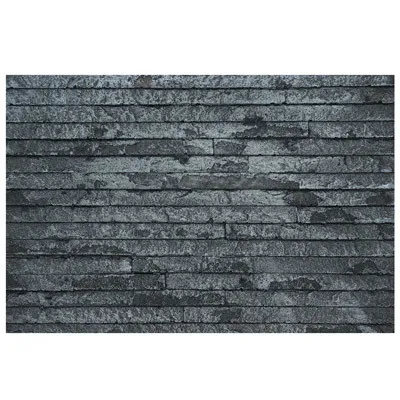
The best way to maintain muretto stone is to prevent damage in the first place. These simple habits will save you time and frustration down the line:
Seal it (but know when). Many muretto stone products come pre-sealed, but over time, that sealant wears off—especially in high-moisture areas like bathrooms or kitchens. How often should you reseal? For light-use areas (like a bedroom wall), every 2–3 years is fine. For high-traffic or wet areas (countertops, showers), aim for every 1–2 years. Look for a water-based penetrating sealer (avoid solvent-based ones, which can yellow lighter stones like muretto stone (beige)). To test if it's time to seal: drop a few drops of water on the surface. If it beads up, the seal is still good. If it soaks in within 5 minutes, grab the sealer.
Use coasters and trivets. This might seem obvious, but it's easy to forget. Hot pans, icy drinks, or cups with condensation can leave marks or etch the surface over time. Keep coasters handy on muretto stone (light grey) coffee tables and trivets near stovetops with dark grey backsplashes—your stone will thank you.
Protect from scratches. Furniture legs, pet claws, or dragging heavy objects can scratch muretto stone floors. Add felt pads to chair and table legs, and lift (don't drag) appliances or decor. For muretto stone (beige) floors, which might show scratches more than dark grey, consider a runner in high-traffic areas like hallways.
Shield from direct sunlight. Over time, UV rays can fade muretto stone, especially lighter colors like beige or light grey. If your stone is near a sunny window, use curtains or blinds during peak hours, or apply a UV-protective film to the glass. This is a small step that makes a big difference in color retention.
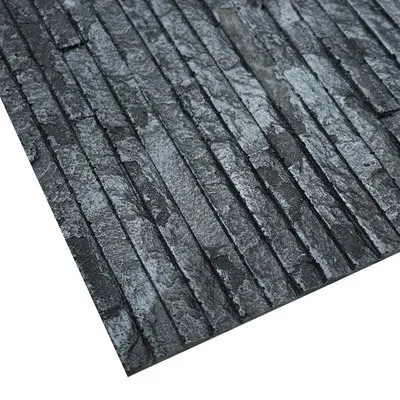
Your muretto stone's needs change with the seasons. Here's how to adapt your routine:
Winter: Cold, wet weather means salt, mud, and slush tracked indoors—especially on muretto stone floors. Sweep or vacuum daily to remove grit, and wipe with a damp cloth (no soap) to avoid salt residue buildup. For outdoor muretto stone (like a patio with dark grey slabs), avoid using salt-based ice melters—opt for sand or calcium chloride instead, which is gentler on the surface.
Summer: Heat and humidity can make muretto stone feel sticky, and pollen or dust can cling more easily. Increase dusting frequency, and wipe surfaces with a dry microfiber cloth to pick up allergens. For outdoor areas, rinse with a hose (low pressure!) to remove pollen, then air-dry. Avoid pressure washing—this can damage the stone's finish.
Spring/Fall: Rainy seasons mean more moisture, which can lead to mold or mildew on muretto stone in damp areas like basements or bathrooms. Wipe down these surfaces weekly with a 50/50 water and hydrogen peroxide solution (test first!) to prevent growth. For muretto stone (light grey), which might show mold spots more clearly, this is especially important.
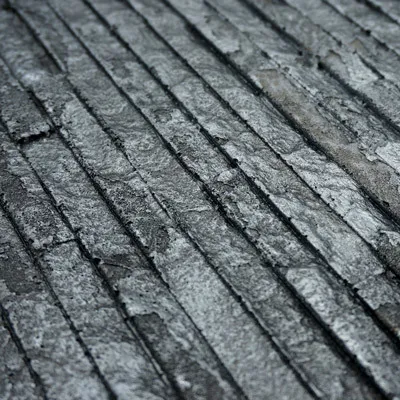
Not all muretto stone is created equal when it comes to color. Here's a quick guide to caring for each shade:
| Muretto Stone Color | Stain Visibility | Cleaning Frequency | Best Practices | Common Pitfalls to Avoid |
|---|---|---|---|---|
| Light Grey | High (shows water spots, dust, light stains) | 3–4x/week (daily in high traffic) | Use pH-neutral cleaners; dry immediately after wiping; seal every 1–2 years | Abrasive sponges (can scratch); leaving water to air-dry (causes spots) |
| Dark Grey | Low (masks scuffs, minor stains) | 2–3x/week | Blot oil stains quickly; avoid harsh soaps (can leave residue); dust regularly | Using vinegar (can dull finish); ignoring deep stains (they may set over time) |
| Beige | Medium-High (shows food stains, discoloration) | 3–4x/week (more if near food prep areas) | Use baking soda paste for stains; shield from sunlight; avoid colored cleaners | Leaving spills unblotted; using lemon juice (can lighten color unevenly) |
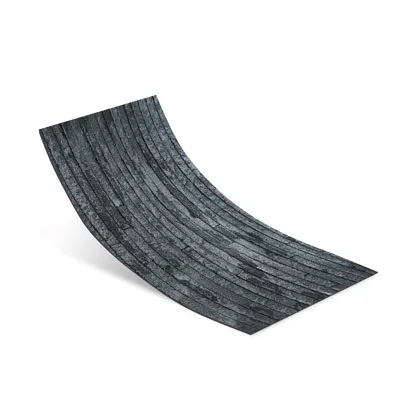
You might be wondering: How does muretto stone compare to other popular materials, like fair-faced concrete? Both are durable and versatile, but their maintenance needs differ. Fair-faced concrete is often denser and less porous, meaning it might resist stains better initially—but it's also more prone to cracking if not sealed properly. Muretto stone, with its flexible composite makeup, is less likely to crack but can be more porous in some finishes. The takeaway? Muretto stone rewards consistent, gentle care, while fair-faced concrete may need heavier-duty sealing but less frequent cleaning. For busy households or commercial spaces, muretto stone's forgiving nature (when cared for) often makes it the more user-friendly choice.
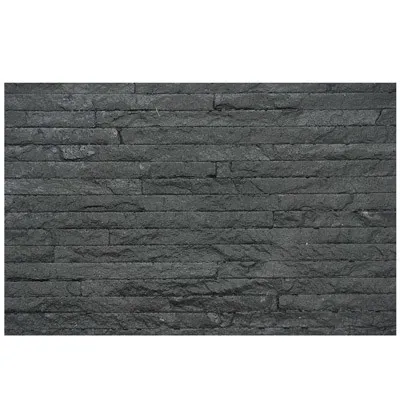
Most muretto stone issues can be fixed with DIY methods, but there are times when a professional is your best bet: if you notice deep cracks, extensive discoloration, or if a stain won't budge after multiple attempts. Professional stone cleaners have access to specialized tools (like low-pressure steam cleaning) and products that can restore your stone without damage. It's better to invest in a pro than risk making the problem worse with guesswork.
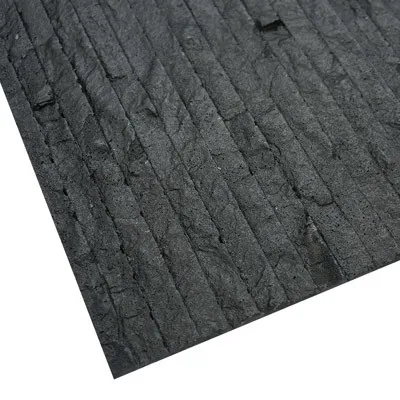
At the end of the day, muretto stone is meant to be lived with. It's okay if it shows a little character over time—that's part of its charm. The goal of maintenance isn't to keep it looking brand-new forever, but to preserve its beauty so you can enjoy it daily. Whether you have light grey, dark grey, or beige muretto stone, remember: small, consistent habits (dusting, blotting spills, sealing when needed) will go further than occasional deep cleans. With these tips, your muretto stone surfaces will continue to be the standout feature of your space for years to come.
So go ahead—pour that morning coffee, host that dinner party, let the kids play on the floor. Your muretto stone can handle it, as long as you give it a little love in return. Here's to many years of beauty together.
Recommend Products












