

Let's talk about Muretto Stone—those elegant, textured surfaces that turn ordinary spaces into something memorable. Whether it's the soft warmth of Muretto Stone (beige) in a boutique hotel lobby, the sleek depth of Muretto Stone (dark grey) lining a corporate hallway, or the versatile charm of Muretto Stone (light grey) in a community center, this material isn't just about looks. It's about durability, character, and the quiet pride of knowing your property stands out. But here's the thing: even the toughest stones need a little care. As a property manager, you're the guardian of these surfaces—keeping them looking their best isn't just a job; it's preserving the story of your space. Let's dive into how to give your Muretto Stone the love it deserves, so it keeps wowing visitors (and easing your maintenance headaches) for years to come.
Muretto Stone comes in three primary shades—light grey, dark grey, and beige—and each has its own personality. Understanding their quirks is the first step to nailing maintenance. Let's break them down:
| Muretto Stone Type | Visual Traits | Common Use Cases | Care Nuances |
|---|---|---|---|
| Light Grey | Bright, airy, with subtle grain patterns | Open lobbies, retail floors, outdoor patios | Shows dust and spills more visibly; needs frequent light cleaning |
| Dark Grey | Rich, moody, hides minor scuffs well | Accent walls, restaurant interiors, high-traffic hallways | Prone to water spots; (drying) quickly is key |
| Beige | Warm, earthy, blends with most decor | Residential complexes, cafes, heritage buildings | Stains (especially oil or coffee) can set quickly; prompt action is a must |
Think of it like caring for three different friends—each has their own preferences, and what works for one might not work for another. For example, that beige Muretto in your café? It'll thank you for blotting spills the second they happen. The dark grey walls in your office? Wipe away rain splatters immediately to avoid those annoying water marks. And that light grey patio? A quick daily sweep will keep it from looking dull by lunchtime.
You don't need a fancy toolkit for daily Muretto care—just consistency. Let's start with the basics:
Even the tiniest particles of dirt can act like sandpaper, scratching Muretto's surface over time. For floors, a soft-bristle broom or a microfiber dust mop (avoid stiff brushes!) should be your morning ritual. For walls, a dry microfiber cloth works wonders—especially on light grey Muretto, where dust shows up like a neon sign. Make it part of your staff's opening checklist: five minutes of sweeping or dusting today saves hours of deep cleaning later.
Coffee spills, soda splashes, rainwater drips—act fast! Muretto is porous (yes, even the tough dark grey kind), so liquids can seep in and leave stains if you wait. Grab a clean, absorbent cloth (paper towels work in a pinch, but microfiber is gentler) and blot the spill—don't rub! Rubbing pushes the liquid deeper into the stone. For Muretto Stone (beige), which has a warmer undertone, acidic spills (like lemon juice or vinegar) are extra risky—they can etch the surface. Blot first, then wipe with a damp cloth and dry immediately.

Daily care keeps the surface clean, but weekly deep cleaning ensures Muretto stays vibrant. Here's how to do it right:
Harsh chemicals like bleach, ammonia, or acidic cleaners (think vinegar-based products) are Muretto's worst enemies. They break down the stone's sealant, dull the color, and can even cause pitting. Instead, opt for a pH-neutral stone cleaner—look for labels that say "safe for natural stone" or "for use on travertine/marble" (Muretto plays well with these formulas). Mix it with warm water (not hot!) and apply with a soft mop or cloth. For tough spots, let the cleaner sit for 2-3 minutes, then wipe—no scrubbing!
Soap residue is the silent killer of Muretto's shine. After mopping with cleaner, go over the surface again with a bucket of plain warm water to rinse away any leftover product. Then, dry the surface with a clean microfiber cloth—this is non-negotiable, especially for dark grey Muretto, which shows water spots like a mirror. Trust me, taking that extra minute to dry will save you from staring at streaks all week.
Your Muretto Stone doesn't care about the calendar, but it does care about weather. Let's adapt your routine to keep up:
If you're in a cold climate, salt and de-icers are public enemy number one for Muretto floors. Those tiny crystals eat away at sealant and leave white, chalky residue. Prevention is key: place heavy-duty mats at entrances to catch salt and slush before it hits the stone. Sweep up salt immediately (don't let it dissolve!) and mop with warm water and pH-neutral cleaner daily. For outdoor Muretto (like patios), consider a winter sealant boost in late fall—it adds an extra layer of protection against freeze-thaw cycles.
Sunlight can fade Muretto, especially the lighter shades (looking at you, light grey). If your Muretto walls face south or west, consider UV-protective window film to reduce direct exposure. Indoors, summer means more foot traffic (hello, vacationers, outdoor events!)—step up daily sweeping and spot-cleaning for sticky spills (ice cream, soda, sunscreen). For outdoor Muretto, hose down surfaces weekly with plain water to rinse off pollen and dust, then dry with a squeegee to prevent water spots.
Even with the best care, stains happen. Here's how to tackle the most common culprits:
Blot the excess with a paper towel (again, no rubbing!). Then, make a paste of baking soda and water (about 3:1 ratio) and spread it over the stain. Cover with plastic wrap (tape the edges to keep it in place) and let it sit overnight. The baking soda will draw the oil out. In the morning, wipe away the paste with a damp cloth and dry. Repeat if needed—this might take 2-3 tries for deep stains.
For fresh stains: blot, then mix 1 tablespoon of hydrogen peroxide with a drop of ammonia (test this on a hidden corner first—ammonia can lighten dark grey Muretto!). Apply with a cloth, let sit 5-10 minutes, then rinse and dry. For older stains, try a poultice made with hydrogen peroxide and flour (it's like a stone-friendly face mask). Apply, cover, and leave for 24 hours, then rinse.
For spray paint, use a graffiti remover specifically labeled safe for natural stone (ask your local hardware store for recommendations). Apply a small amount to a cloth, gently rub the stain, and rinse immediately. For latex paint, let it dry, then scrape gently with a plastic putty knife (metal can scratch!) and wipe with warm, soapy water.
You might have Lime Stone (beige) in other areas of your property, and while it shares Muretto's earthy vibe, their care needs differ. Lime Stone is softer and more porous, so it stains faster and needs sealing more often (every 6-12 months, vs. Muretto's 1-2 years). If you have both, treat Muretto like the sturdier sibling—you can be a bit more relaxed with daily cleaning, but don't skip the sealant! And remember: what works for Muretto (pH-neutral cleaners) works for Lime Stone too, so you can keep one cleaner in stock for both.
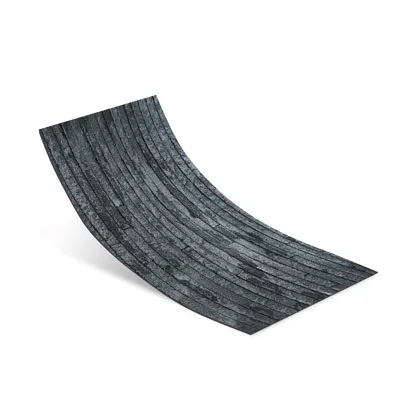
Think of sealant as Muretto's armor. It fills in pores, repels liquids, and keeps stains from setting in. But here's the catch: it wears off over time. How often should you reseal? It depends on traffic:
How to tell if it's time? Do the water test: splash a few drops on the stone. If they bead up, the sealant is good. If they soak in within 5-10 minutes, it's time to reseal. DIY or hire a pro? For small areas, DIY kits work (follow the instructions to the letter!), but for large floors or high walls, a pro with stone-sealing experience is worth the cost—they'll ensure even coverage and no missed spots.
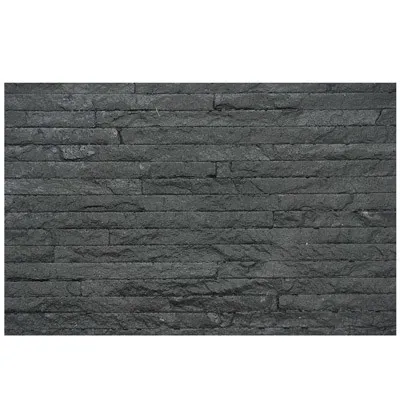
Let's talk about the "why" behind all this care. Well-maintained Muretto Stone isn't just pretty—it adds value to your property. Prospective tenants, guests, or buyers notice details like clean, well-cared-for surfaces; it signals that you take pride in your space, which builds trust. Plus, regular maintenance is cheaper than repairs. A stained, worn Muretto floor might need professional resurfacing (think $$$), but a little daily sweeping and annual sealing? That's a drop in the bucket.
And let's not forget the emotional side. Walk into a space with dull, neglected stone—it feels tired, uninviting. Now walk into one with gleaming Muretto, its texture popping, its color rich. It feels alive. That's the difference care makes. You're not just maintaining a material; you're creating an environment that makes people feel good. And isn't that what property management is all about?
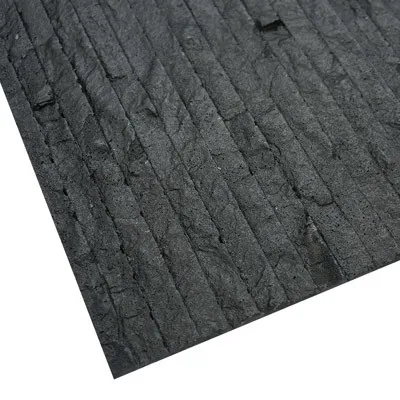
Muretto Stone is tough, but it's not invincible. With daily attention, smart cleaning habits, and a little seasonal prep, you can keep it looking brand-new for decades. Remember: you don't need fancy tools or a huge budget—just consistency and common sense. The next time you walk through your property and run a hand over that smooth Muretto wall, or watch a guest pause to admire the floor, you'll know: all that care was worth it. Your Muretto Stone isn't just a surface—it's a story. And you're the author keeping that story going.
Recommend Products












