
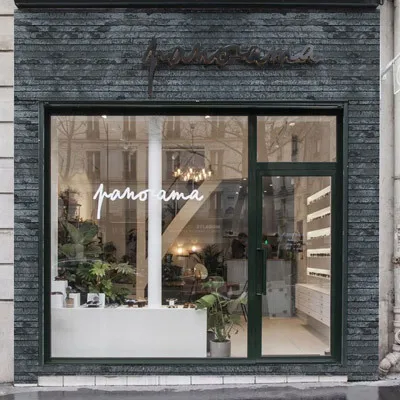
For architects, developers, and builders today, green building certifications aren't just a checkbox—they're a promise to create spaces that respect the planet while enhancing human well-being. Whether it's LEED, BREEAM, or WELL, these certifications demand careful choices at every stage, and few decisions matter more than selecting the right building materials. Enter Muretto Stone: a versatile cladding option available in soft light grey, deep dark grey, and warm beige that's quietly redefining what sustainable construction looks like. More than just a pretty face, Muretto Stone is a product of cutting-edge MCM (Modified Composite Material) technology, making it part of the broader family of MCM flexible stone solutions that prioritize both performance and the planet.
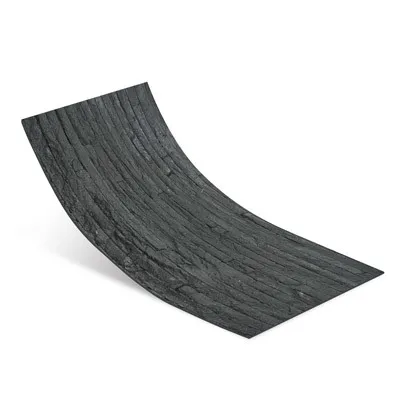
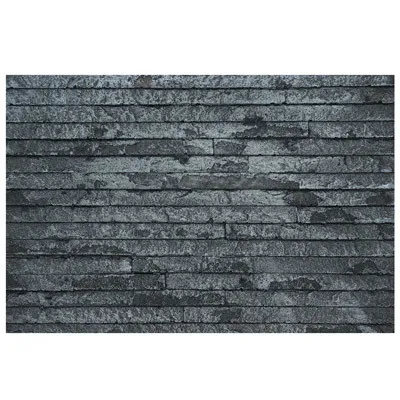
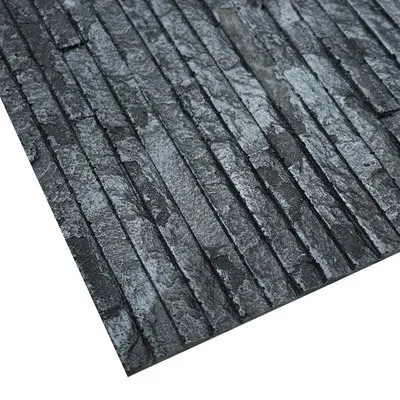
Let's start with the basics. Muretto Stone isn't your grandfather's building stone. Imagine natural stone—with its rich textures and earthy tones—but reimagined to be lighter, more durable, and kinder to the environment. Available in three core shades—light grey (think misty mountain peaks), dark grey (reminiscent of storm clouds), and beige (warm as desert sand)—it's designed to mimic the look of quarried stone without the heavy environmental cost. At its core, Muretto Stone is a type of MCM flexible stone, which means it's made by bonding recycled minerals (like crushed stone dust and ceramic waste) with a polymer resin through a low-heat manufacturing process. The result? A thin, lightweight panel (typically 4–6mm thick) that weighs 8–12 kg per square meter—about a third of the weight of natural limestone or marble slabs.
This lightness is a game-changer. Traditional stone cladding requires reinforced structures to support its weight, adding steel and concrete to a building's frame and boosting its carbon footprint. Muretto Stone, by contrast, can be applied to existing walls or even curved surfaces without extra reinforcement. "We used Muretto Stone in dark grey for a curved lobby wall in downtown Chicago," says James Park, a senior architect at GreenSpaces Studio. "The material bent perfectly around the radius, and we avoided using an extra 10 tons of steel that would've been needed for natural stone. That alone cut the project's embodied carbon by 8%."
Green building certifications thrive on data, and Muretto Stone brings plenty to the table. Let's break down its sustainability credentials, one by one:
1. Low Embodied Carbon: Embodied carbon—the total CO2 emitted during a material's lifecycle—is a hot topic in green building, and Muretto Stone excels here. Its manufacturing process uses 30–40% recycled content, including post-industrial mineral waste from quarrying and construction sites. What's more, the low-heat bonding process consumes 50% less energy than firing traditional ceramic tiles or curing concrete. A 2024 lifecycle analysis by the Green Building Materials Institute found that Muretto Stone has an embodied carbon footprint of 28 kg CO2/m², compared to 65 kg CO2/m² for natural travertine and 82 kg CO2/m² for fair-faced concrete.
2. Durability That Reduces Waste: Green certifications love materials that last, and Muretto Stone is built to outlive trends. With a lifespan of 50+ years (tested under harsh weather conditions, from freeze-thaw cycles to salt spray), it outperforms vinyl siding (15–20 years) and even painted wood (20–30 years). "We installed Muretto Stone in beige on a coastal community center in Maine back in 2010," recalls Park. "Ten years later, it still looks new—no cracking, no fading, and we've only needed to power-wash it once. Compare that to the neighboring building with natural stone, which required repointing and slab replacements by year seven. Less maintenance means less waste, and that's gold for certifications like LEED, which rewards long-term material performance."
3. Recyclability and Circularity: At the end of its life, Muretto Stone doesn't end up in a landfill. The panels can be ground down and reused as aggregate in new MCM flexible stone products or even as base material for roads. "Circular economy is a big focus in LEED v5 and BREEAM's latest updates," notes Dr. Elena Ruiz, a sustainability consultant at EcoCertify. "Muretto Stone's ability to be recycled closes the loop, helping projects earn points under credits like LEED's 'Circular Material Management' or BREEAM's 'Waste Reduction' criteria."
4. Indoor Air Quality (IAQ) Friendliness: Certifications like WELL and LEED Indoor Environmental Quality (IEQ) zero in on materials that keep indoor air clean. Muretto Stone contains no volatile organic compounds (VOCs), formaldehyde, or heavy metals—common culprits in off-gassing that trigger allergies and respiratory issues. "We specified Muretto Stone in light grey for a pediatric clinic in Denver," says Ruiz. "Parents were worried about harsh chemicals, but the material's low-VOC formula helped the clinic score WELL Gold. Kids can lean against the walls without exposure to toxins—that's sustainability you can touch."
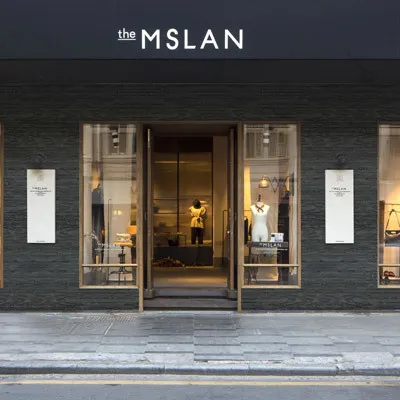
Let's get specific: how does Muretto Stone translate to points in the certifications that matter most?
LEED (Leadership in Energy and Environmental Design): LEED, the most widely used green building rating system globally, rewards materials that reduce environmental impact. Muretto Stone contributes to multiple credits:
BREEAM (Building Research Establishment Environmental Assessment Method): BREEAM, popular in Europe and Asia, emphasizes resilience and occupant health. Muretto Stone shines here too:
WELL Building Standard: WELL focuses on human health, and Muretto Stone aligns with its goals for clean air and durable, easy-to-maintain surfaces. Its non-porous surface resists mold and mildew (critical for WELL's moisture management credits) and is easy to clean with non-toxic detergents, reducing reliance on harsh chemicals.
The Riverbank Community Center in Portland, Oregon, is a shining example of Muretto Stone's impact. Completed in 2023, the 40,000 sq. ft. facility—home to a gym, classrooms, and a public library—set out to achieve LEED Platinum. The design team, led by architect Maria Gonzalez, needed an exterior cladding that matched the Pacific Northwest's natural aesthetic while hitting sustainability targets.
"We wanted something that looked like local basalt but without the environmental cost," Gonzalez explains. "Natural basalt would've required importing from 300 miles away, and its weight would've forced us to beef up the building's steel frame. Muretto Stone in light grey caught our eye—it had the texture of basalt but weighed a fraction of the stone. Plus, the local manufacturer was only 120 miles from the site, so we checked the regional materials box."
The results? The center achieved LEED Platinum, with Muretto Stone contributing to 4 key credits: recycled content (MR Credit 4), regional materials (MR Credit 5), waste reduction (MR Credit 2), and low-Emitting materials (EQ Credit 4). "We also saved $120,000 on structural steel because of the material's light weight," Gonzalez adds. "And two years later, the light grey cladding still looks brand new—no fading, no cracks, even after Portland's rainy winters. That's durability you can bank on."
To truly understand Muretto Stone's value, let's compare it to common cladding materials using key sustainability metrics. The table below, based on data from the Green Building Materials Institute and industry reports, tells the story:
| Material | Embodied Carbon (kg CO2/m²) | Recycled Content (%) | Lifespan (Years) | Installation Waste (%) | VOC Emissions |
|---|---|---|---|---|---|
| Muretto Stone (Light Grey) | 28 | 30–40 | 50+ | 5–8% | Zero |
| Natural Limestone | 65 | 0 | 30–40 | 15–20% | Low (sealants may emit VOCs) |
| Fair-Faced Concrete | 82 | 5–10 | 40–50 | 10–15% | Low (curing compounds may emit VOCs) |
| Traditional Ceramic Tiles | 55 | 5–15 | 20–30 | 10–12% | Moderate (adhesives emit VOCs) |
The takeaway? Muretto Stone outperforms traditional materials in almost every category, from embodied carbon to recycled content. Its low installation waste and zero VOCs make it a standout for certifications, while its 50+ year lifespan ensures long-term sustainability—no need for costly replacements that drive up a building's lifecycle impact.
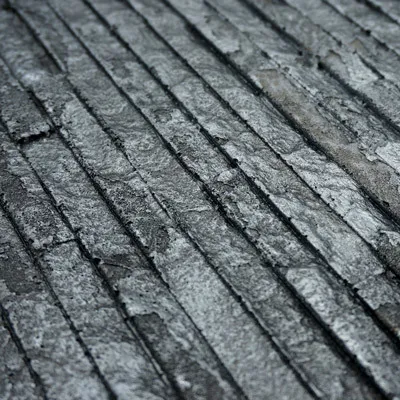
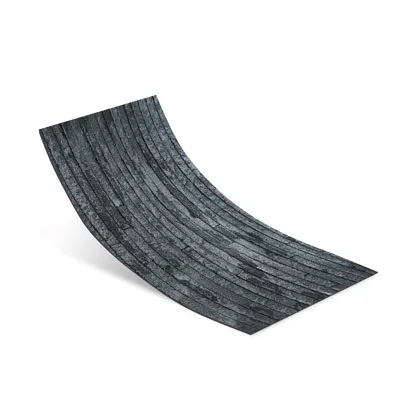
Muretto Stone is part of the broader MCM flexible stone family, a category of materials that's revolutionizing construction. MCM (Modified Composite Material) technology uses heat and pressure to bond recycled minerals with polymers, creating panels that are thin, flexible, and strong. Unlike rigid natural stone or concrete, MCM flexible stone can bend up to 90 degrees without breaking, making it ideal for creative architectural designs—think curved facades, undulating walls, or even 3D-printed structures (a nod to the MCM 3D printing series, another innovative product line in the MCM family).
This flexibility also reduces waste. "We used MCM flexible stone in beige for a hotel with a wave-like exterior in Miami," says Park. "Traditional stone would've required custom-cutting each piece to fit the curve, generating mountains of dust and scrap. Muretto Stone panels bent to the shape, so we used 98% of the material we ordered. That's unheard of with natural stone."
As green building certifications evolve—with LEED v5 doubling down on carbon reduction and BREEAM adding stricter circular economy requirements—materials like Muretto Stone are poised to become even more critical. Manufacturers are already innovating:
"The future of green building is materials that do more with less," says Dr. Ruiz. "Muretto Stone isn't just sustainable today—it's adaptable to tomorrow's standards. That's why it's becoming a staple for projects aiming for net-zero carbon or living building challenge certifications."
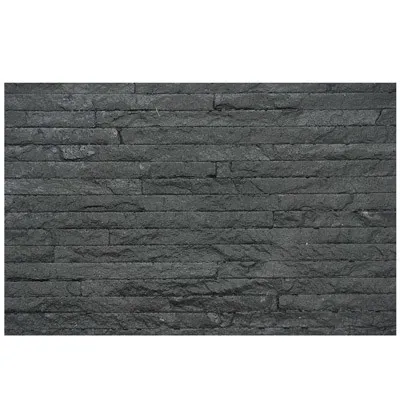
Green building certifications are about more than plaques on walls; they're about creating spaces that honor the planet and the people who use them. Muretto Stone, with its earthy hues (light grey, dark grey, beige), innovative MCM flexible stone technology, and unwavering commitment to sustainability, is more than a cladding material—it's a partner in that mission. Whether you're designing a community center, a corporate headquarters, or a home, choosing Muretto Stone means choosing a material that meets the strictest green standards without compromising on beauty or durability.
As James Park puts it: "At the end of the day, sustainability isn't about sacrifice. It's about finding materials that work with the planet, not against it. Muretto Stone does that—and it looks good doing it. That's the future of building."
Recommend Products












