
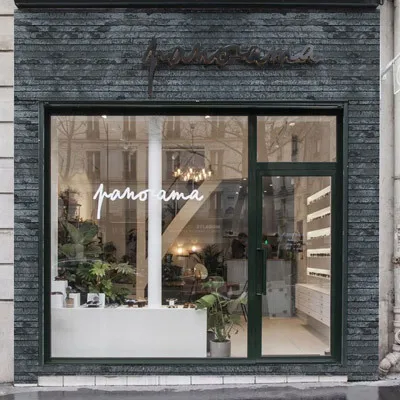
Walk into a home on a blustery winter day, and you'll immediately notice the difference between a well-insulated space and one that's not. Drafts sneak in through window frames, walls feel cold to the touch, and the heater runs nonstop just to keep the temperature above 60°F. In the summer, the opposite happens: sun-baked walls radiate heat, turning rooms into saunas, and the air conditioner struggles to keep up. What many homeowners and builders don't realize is that these daily discomforts come with a steep price tag—both for your wallet and the planet.
According to the U.S. Department of Energy, nearly 40% of a typical home's energy consumption goes toward heating and cooling. Much of that energy is wasted, escaping through poorly insulated walls, roofs, and floors. Over time, those wasted BTUs add up to thousands of dollars in unnecessary utility bills. And it's not just homes: commercial buildings, from offices to retail stores, lose even more energy due to their larger square footage and complex layouts. The solution? It starts with the materials we choose to build with. Enter Muretto Stone—a material that's quietly revolutionizing how we think about thermal insulation in construction.
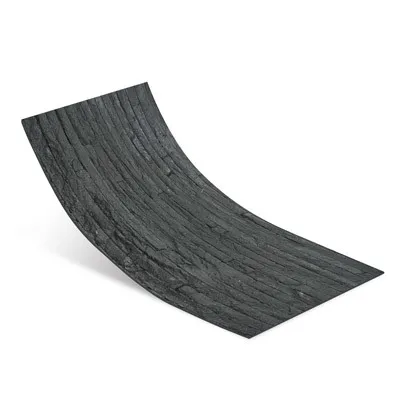
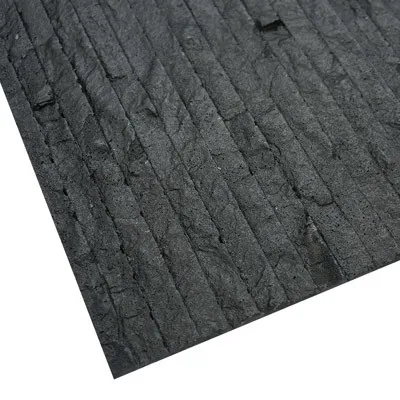
At first glance, Muretto Stone might look like any other natural stone cladding—textured, earthy, and rich with character. But dig deeper, and you'll find a material engineered to do more than just look good. Developed by a team of materials scientists and architects, Muretto Stone is part of a new generation of building materials designed for both aesthetics and performance. Available in three versatile shades—light grey, dark grey, and beige—it blends seamlessly with a range of architectural styles, from modern minimalism to rustic charm.
So, what's in Muretto Stone? Unlike traditional stone, which is often dense and heavy, Muretto Stone is crafted using a proprietary blend of natural aggregates, polymers, and air-entraining agents. This unique composition gives it a porous structure that's both lightweight and remarkably strong. Think of it as a sponge for heat: tiny air pockets within the material trap warm air in winter and block hot air in summer, creating a natural thermal barrier. And because it's made with recycled materials where possible, Muretto Stone also aligns with the growing demand for green building materials—proving that sustainability and performance can go hand in hand.
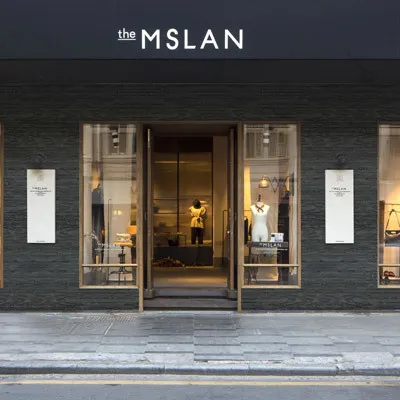
To understand why Muretto Stone is such a star performer in thermal insulation, let's talk about thermal conductivity. This is a measure of how well a material transfers heat, and lower numbers mean better insulation. Traditional stone, like granite, has a thermal conductivity of around 2.0 W/m·K, which is why stone walls in old castles get so cold in winter—they're basically heat conductors. Brick, another common material, isn't much better at 0.8 W/m·K. Muretto Stone, on the other hand, clocks in at just 0.15 W/m·K—comparable to high-quality fiberglass insulation but with the added benefits of being a structural, weather-resistant cladding.
How does it achieve such low conductivity? The secret lies in its microstructure. During manufacturing, Muretto Stone is formed with millions of microscopic air bubbles, each acting as a tiny insulator. When heat tries to pass through the material, these bubbles slow it down, creating a "thermal lag" that keeps indoor temperatures stable. In winter, this means heat from your furnace stays inside longer; in summer, it prevents outdoor heat from seeping in. It's like wrapping your building in a blanket that adjusts to the seasons—no extra effort required.
But Muretto Stone isn't just about blocking heat. It also has a high thermal mass, which means it absorbs and stores heat, then releases it slowly over time. This helps regulate temperature swings, so you won't experience sudden spikes or drops when the sun comes out or the wind picks up. For example, in a home with Muretto Stone walls, the living room might stay warm well into the evening even after the heating turns off, thanks to the stone's ability to hold onto that daytime heat.
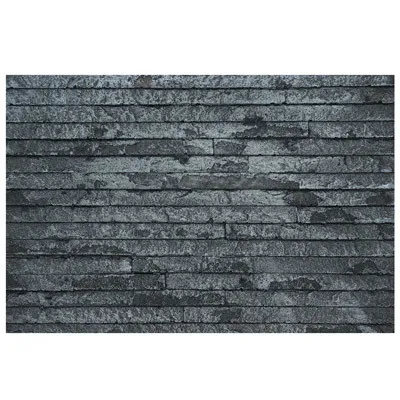
Let's start with the most tangible benefit: comfort. Anyone who's lived in a poorly insulated home knows the frustration of "hot spots" and "cold zones." One room might feel like a sauna while the next is icy, no matter how much you adjust the thermostat. Muretto Stone eliminates this problem by creating a consistent thermal envelope around your space. Its low conductivity ensures heat distributes evenly, so every corner of your home or office stays at the temperature you want—no more huddling near vents or avoiding drafty walls.
For homeowners, this means more than just comfort; it means better sleep (no shivering under the covers), more enjoyable family time (no arguing over the thermostat), and even improved health. Cold, damp walls can lead to mold growth, which triggers allergies and respiratory issues. Muretto Stone's breathability helps regulate moisture, reducing the risk of mold and keeping indoor air healthier. In commercial settings, consistent temperatures boost employee productivity—no one works well when they're too hot or too cold—and keep customers comfortable, encouraging them to stay longer in retail spaces.
Now, let's talk about the bottom line: energy bills. A study by the Green Building Council found that buildings insulated with high-performance materials like Muretto Stone can reduce heating and cooling costs by 25–35% compared to those using traditional stone or concrete. For a typical U.S. household spending $2,000 annually on energy, that's a savings of $500–$700 per year. Over a decade, that adds up to $5,000–$7,000—money that could go toward a vacation, home renovations, or your child's education.
Commercial buildings see even bigger savings. Take a 10,000 sq ft office building in Chicago, where winters are harsh and summers humid. Without proper insulation, such a building might spend $50,000 annually on heating and cooling. With Muretto Stone cladding, that number could drop to $32,500–$37,500—a savings of $12,500–$17,500 per year. Over 20 years, that's $250,000–$350,000 in avoided costs—funds that can be reinvested in employee salaries, equipment upgrades, or sustainability initiatives.
Lower bills are great, but Muretto Stone's benefits extend beyond your bank account. Reducing energy consumption also means reducing your carbon footprint. The average home emits about 5 tons of CO2 per year from heating and cooling. Cut that by 30%, and you're saving 1.5 tons of CO2 annually—equivalent to planting 75 trees or taking a car off the road for six months. For commercial buildings, the impact is even more significant: a 10,000 sq ft office using Muretto Stone could reduce CO2 emissions by 15–20 tons per year.
What's more, Muretto Stone itself is a sustainable choice. Its manufacturing process uses 30% recycled materials, and its durability means it won't need to be replaced for decades—unlike some synthetic insulations that degrade over time. This aligns with global efforts to transition to green building materials, making Muretto Stone a favorite among architects and developers working toward LEED, BREEAM, or WELL certifications. In a world where climate change is top of mind, choosing materials that reduce energy use isn't just smart—it's a responsibility we all share.
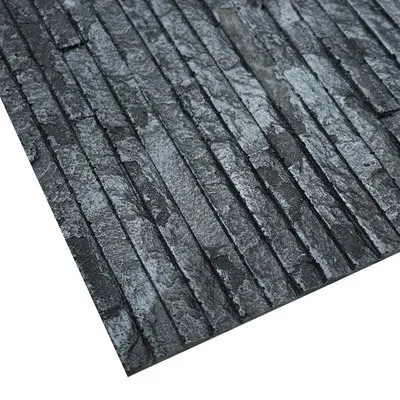
Still not convinced Muretto Stone is the right choice? Let's put it head-to-head with some common building materials. The table below compares Muretto Stone (light grey) with four alternatives: fair-faced concrete, lime stone(beige), foamed aluminium alloy board (vintage silver), and traditional fiberglass insulation (included for reference).
| Material | Thermal Conductivity (W/m·K) | Est. Annual Energy Savings (2,000 sq ft Home) | Installation Complexity | Lifespan (Years) | Sustainability Rating |
|---|---|---|---|---|---|
| Muretto Stone (light grey) | 0.15 | $500–$700 | Moderate (requires trained installers) | 50+ | High (30% recycled materials, low embodied carbon) |
| Fair-Faced Concrete | 1.4 | $0–$100 (minimal savings) | High (heavy, requires formwork) | 80+ | Medium (high embodied carbon, but durable) |
| Lime Stone (beige) | 1.1 | $100–$200 | Moderate (similar to natural stone) | 60+ | Medium (natural material, but high extraction impact) |
| Foamed Aluminium Alloy Board (vintage silver) | 0.20 | $300–$400 | Low (lightweight, easy to cut) | 30–40 | Medium (recyclable, but high manufacturing energy) |
| Fiberglass Insulation (Batt) | 0.04 | $600–$800 | Low (DIY-friendly) | 15–20 | Low (petrochemical-based, short lifespan) |
As the table shows, Muretto Stone strikes a rare balance between insulation performance, durability, and sustainability. While fiberglass offers slightly better thermal conductivity, its short lifespan (15–20 years) means you'll need to replace it multiple times over Muretto Stone's 50+ year lifespan. Fair-faced concrete and lime stone, meanwhile, offer little in the way of energy savings, making them poor choices for efficiency-focused projects. Foamed aluminium alloy board comes close, but its lower sustainability rating and higher cost per square foot give Muretto Stone the edge for eco-conscious builders.
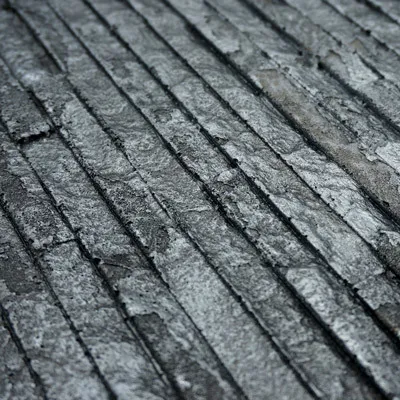
Muretto Stone isn't just for luxury homes—it's a practical choice for any residential project, from single-family houses to townhomes and apartments. Its versatility in color (light grey, dark grey, beige) means it can complement any exterior style: a modern home with clean lines might opt for light grey Muretto Stone for a sleek, monochromatic look, while a cottage-style house could use beige to enhance its warm, inviting feel.
Common residential applications include exterior cladding, accent walls, and even interior feature walls. Imagine a bedroom with a Muretto Stone accent wall behind the bed: in winter, the wall absorbs and radiates heat, keeping the room toasty; in summer, it stays cool to the touch, creating a calming retreat. For homeowners in extreme climates—whether the snowy Northeast or the scorching Southwest—Muretto Stone is a game-changer. In Alaska, where temperatures drop to -30°F, a home with Muretto Stone cladding might use 30% less heating oil than a neighbor's house with vinyl siding. In Arizona, that same home could cut AC usage by a third during the 110°F summer months.
Commercial architects and developers are also falling in love with Muretto Stone. Its durability makes it ideal for high-traffic areas like hotel lobbies, restaurant exteriors, and retail storefronts, where wear and tear are inevitable. Unlike wood or synthetic cladding, Muretto Stone resists scratches, fading, and moisture damage, ensuring buildings look as good in 20 years as they did on day one.
Take a boutique hotel in Boulder, Colorado, that used Muretto Stone (dark grey) for its exterior. The hotel's owners wanted a material that reflected the area's mountainous landscape while keeping energy costs low. After installation, they reported a 28% drop in heating costs during the winter and a 22% reduction in cooling costs during the summer. Guests also noted the rooms felt "naturally comfortable," with fewer temperature fluctuations—a detail that boosted positive reviews and repeat bookings.
Office buildings are another prime candidate. A tech company in Austin, Texas, recently renovated its headquarters with Muretto Stone (beige) cladding. The building's energy bills dropped by $14,000 in the first year, and employees reported higher satisfaction with the indoor environment. "I used to bring a sweater to work even in summer because my desk was right by a drafty window," said one software engineer. "Now, the temperature stays consistent all day—I don't even think about the thermostat anymore."
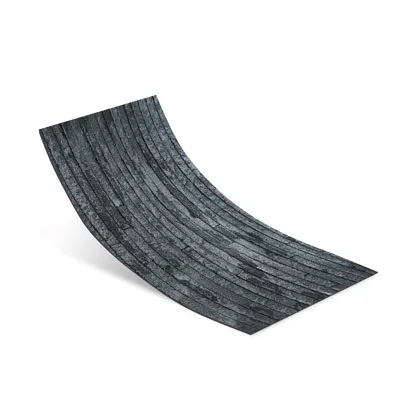
You might be wondering: Is installing Muretto Stone complicated? The short answer is: it requires some expertise, but it's not overly difficult. Unlike heavy natural stone, which needs specialized equipment to lift and place, Muretto Stone is lightweight—about 60% lighter than traditional limestone—making it easier to handle on-site. However, its unique composition means it should be installed by contractors trained in working with engineered stone cladding.
The installation process typically involves attaching a metal lath to the building's sheathing, applying a mortar base, and then setting the Muretto Stone panels with a thin-set adhesive. Joints are filled with a flexible grout to allow for minor movement, preventing cracks. Most importantly, installers must ensure proper flashing and moisture barriers to protect the underlying structure—though Muretto Stone's breathability helps reduce moisture buildup naturally. For a 2,000 sq ft home, installation usually takes 3–5 days, depending on the complexity of the design.
Cost-wise, Muretto Stone is more expensive upfront than vinyl siding or plywood, but it's comparable to high-quality natural stone or fiber cement. However, when you factor in energy savings and reduced maintenance costs, it quickly pays for itself. A homeowner in Portland, Oregon, calculated that their Muretto Stone installation ($15,000 for 1,800 sq ft of exterior cladding) would be fully offset by energy savings in 21 years. But considering the stone's 50+ year lifespan, that's 29+ years of free insulation—and a building that looks better with age.
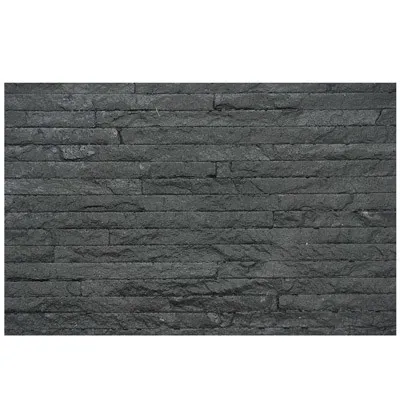
Still on the fence? Let's hear from people who've already made the switch. Take Sarah and Mike, a couple in Minneapolis who renovated their 1950s bungalow with Muretto Stone (light grey) cladding in 2020. "Our old house was freezing in winter—we had ice on the inside of the windows!" Sarah recalls. "We considered vinyl siding, but we wanted something more durable and eco-friendly. Muretto Stone was a splurge, but it's been worth every penny. Our heating bill dropped from $300/month in January to $210, and the house feels so much cozier. Even our cat, who used to avoid the windowsills in winter, now naps there all day—he must love the warm stone!"
On the commercial side, there's the "Green Leaf" office park in Atlanta, Georgia. Developer James Chen chose Muretto Stone (dark grey) for three of the park's six buildings, aiming for LEED Silver certification. "We wanted to stand out as a sustainable office space," Chen says. "Tenants are willing to pay a premium for buildings that reduce their operating costs and carbon footprint. The Muretto Stone buildings leased out 30% faster than the others, and tenants report energy savings of 25–30%. One law firm even told us they're using the savings to give employees annual bonuses—talk about a win-win!"
And then there's the story of a community center in rural Vermont, built entirely with green building materials, including Muretto Stone (beige). The center serves as a library, after-school program, and senior center, so keeping it comfortable year-round was a priority. "We're on a tight budget, so energy costs matter a lot," says director Maria Gonzalez. "Since installing Muretto Stone, we've cut our heating and cooling bills by $8,000 per year. That money now goes toward buying more books and funding art classes for the kids. It's not just a building material—it's helping us serve our community better."
When it comes to building materials, we often focus on the immediate—cost, appearance, availability. But the best choices are those that consider the long game: How will this material perform in 10 years? 20 years? How will it affect my wallet, my comfort, and the planet? Muretto Stone checks all these boxes and more.
Its thermal insulation properties slash energy bills, making it a smart financial investment. Its durability ensures it will last for decades, reducing the need for costly replacements. Its sustainability credentials align with the global push toward green building materials, helping reduce our collective carbon footprint. And let's not forget its beauty—whether in light grey, dark grey, or beige, Muretto Stone adds texture and warmth to any space, turning buildings into something more than just walls and roofs: into homes, offices, and community hubs that feel alive.
So, if you're building a new home, renovating an office, or planning a commercial project, consider Muretto Stone. It's not just a material—it's an investment in comfort, savings, and a more sustainable future. After all, the best buildings are the ones that work for you, not against you. And with Muretto Stone, your building will be working for you for years to come.
Recommend Products












