

Choosing the right exterior cladding for your home or commercial building is like picking the perfect outfit for a lifetime event – it needs to look good, feel comfortable, and stand the test of time. For decades, brick has been the reliable workhorse of the construction world, conjuring images of cozy cottages and historic storefronts. But in recent years, a new material has been turning heads: Muretto stone. Sleek, versatile, and engineered for modern needs, Muretto is challenging brick's reign as the go-to choice. Today, we're diving deep into the debate, pitting Muretto stone against brick on three critical battlegrounds: weight, installation, and longevity. By the end, you'll know which material deserves a spot on your next project.
Let's start with the basics: how much do these materials actually weigh? Bricks, by their very nature, are dense, solid blocks. A standard clay brick tips the scales at 4.5 to 5 pounds, and when you factor in the mortar needed to hold them together, a single square foot of brick wall can weigh 35 to 45 pounds. To put that in perspective, covering a 1,000-square-foot exterior with brick adds 35,000 to 45,000 pounds to your building's load – that's like parking 3 to 4 SUVs on your foundation.
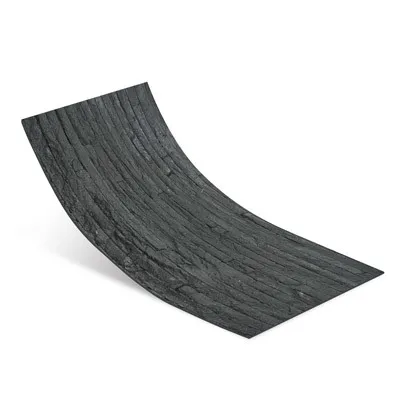
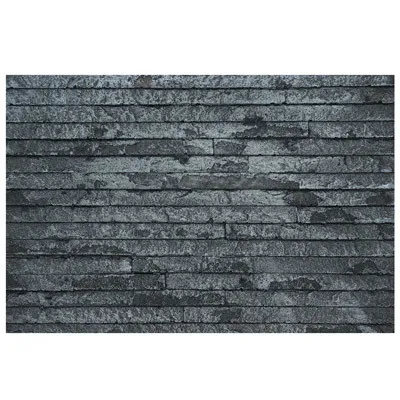
Muretto stone, on the other hand, is a lightweight champion. Crafted from a blend of natural minerals and modified composite materials, it's designed to be strong without the bulk. Take Muretto stone (light grey) or Muretto stone (dark grey) – two of the most popular variants – which weigh in at just 8 to 12 pounds per square foot. That's less than a third of brick's weight! Even the heftier Muretto stone (beige) , with its textured finish, stays well below 15 pounds per square foot. For the same 1,000-square-foot exterior, Muretto adds a mere 8,000 to 12,000 pounds – roughly the weight of a small truck. The difference is staggering.
Why does weight matter? For starters, structural load. Bricks demand robust foundations, reinforced framing, and often limit design flexibility – you wouldn't want to stack heavy brick walls on a second-story addition without reinforcing the floor joists. Muretto, being lightweight, opens up possibilities: it's ideal for retrofits, upper-floor exteriors, or even rooftop patios, where adding excessive weight could compromise safety. "We had a client who wanted to clad their 1920s bungalow's second floor with brick, but the existing foundation couldn't handle the load," recalls Maria, a Chicago-based architect. "Switching to Muretto stone let them keep the look they wanted without tearing up the foundation – a $20,000 savings right there."
Transportation and handling are another win for Muretto. Hauling bricks requires heavy-duty trucks, and unloading often means forklifts or teams of laborers. Muretto panels, by contrast, can be stacked on a standard pickup truck, and even a single worker can carry a 4x8-foot sheet. This cuts delivery costs, reduces carbon emissions from fewer trips, and speeds up on-site logistics. As one contractor put it: "With brick, we'd spend half the day just moving materials. With Muretto, we unload in an hour and start installing – it's a game-changer."
Installing brick is a craft, and there's no shortage of respect for the masons who've mastered it. But let's be honest: it's also slow, messy, and unforgiving. Traditional bricklaying involves mixing mortar, hauling it to the wall, carefully aligning each brick, checking for level with a string line, and cleaning excess mortar before it dries. A skilled mason might lay 500 to 800 bricks in a day – impressive, but that's only about 100 square feet of wall. For a 2,000-square-foot home exterior, you're looking at 20 to 30 days of work, not counting prep time or weather delays.
Muretto stone, by contrast, is engineered for speed. Many Muretto panels come with interlocking edges or peel-and-stick adhesive backings, turning what was once a labor-intensive process into a project that even mid-level crews can handle efficiently. Let's walk through a typical Muretto installation: first, the substrate (the surface you're attaching to) is cleaned and primed – no need for a thick mortar bed. Then, each panel is positioned, pressed into place, and secured with a few screws or clips for extra hold. Since the panels are lightweight and easy to cut with a standard circular saw, fitting them around windows, doors, or architectural details is a breeze. A crew of two can easily cover 500 square feet in a day – that's 2,000 square feet in just 4 days. "We recently finished a restaurant exterior in 10 days with Muretto," says Jake, a commercial contractor in Austin. "The same job with brick would've taken a month, and we would've missed the grand opening deadline."
The difference in skill requirements is also notable. Bricklaying demands years of training to master mortar consistency, alignment, and pattern work. Muretto installation, while not entirely DIY-friendly, requires less specialized skill. General contractors or even experienced homeowners can tackle small projects with minimal guidance. This translates to lower labor costs: hiring a master bricklayer can cost $80 to $120 per hour, while Muretto installation crews typically charge $40 to $60 per hour. Over the course of a project, those savings add up fast.
Waste is another area where Muretto shines. Bricks often break during cutting, and mortar can be overmixed or spilled, leading to extra material costs. Muretto panels are precision-cut at the factory, so you order exactly what you need, and offcuts are minimal. "With brick, we'd order 10% extra to account for breakage," Jake adds. "With Muretto, we order 2% extra – that's hundreds of dollars saved per project."
| Task | Brick | Muretto Stone |
|---|---|---|
| Prep Work | Mix mortar, set up scaffolding, lay foundation bed | Clean substrate, apply primer (if needed) |
| Application | Lay bricks one by one with mortar; check alignment constantly | Press panels into place; secure with screws/clips |
| Finishing | Clean excess mortar; wait 24+ hours for curing | Seal joints (if needed); done in hours |
| Time for 100 sq ft | 1–2 days | 1–2 hours |

Brick has a legendary reputation for durability – after all, ancient Roman brick structures are still standing today. And it's true: a well-maintained brick wall can last 100 years or more. But "well-maintained" is the key phrase here. Bricks are porous, meaning they absorb water like a sponge. In freeze-thaw climates, that trapped water expands, causing cracks and spalling (the flaking of the brick surface). Mortar joints degrade even faster, requiring repointing every 20 to 30 years – a tedious, messy job that can cost $5 to $15 per square foot. Pests like termites and ants also love nesting in crumbling mortar, and bricks are prone to staining from algae, mildew, or pollution. "I inherited a brick home built in the '70s, and the mortar was so degraded that water was seeping into the basement," says Lisa, a homeowner in Boston. "Repointing the entire exterior cost $12,000 – money I wish I'd saved for a Muretto upgrade instead."
Muretto stone, while newer to the scene, is engineered to outlast these issues. Its secret? A composite core that resists moisture, paired with a protective outer layer that stands up to the elements. Unlike brick, Muretto doesn't absorb water, so freeze-thaw damage is a non-issue. It's also impervious to pests – no termite is chomping through a Muretto panel. UV-resistant pigments mean colors stay vibrant for decades, even in sunny climates. Take Muretto stone (dark grey) , a popular choice for modern exteriors: homeowners report that after 10 years, it still looks as sleek as the day it was installed, with nothing more than an annual power wash to remove dust.
Flexibility is another durability win for Muretto. Unlike rigid brick, which cracks under stress, Muretto is a flexible stone that can expand and contract slightly with temperature changes. This makes it ideal for regions with extreme weather swings, where brick walls often develop hairline cracks over time. "We installed Muretto on a school in Minnesota, where temperatures drop to -20°F in winter and hit 90°F in summer," says Tom, a commercial builder. "Five years later, not a single crack – something I can't say for the brick gymnasium next door, which needed repairs after the first winter."
Manufacturers back Muretto's longevity with confidence: most offer 50-year warranties, far longer than the typical 20-year warranty for brick installations. And because Muretto is a lightweight flexible stone sheet , repairs are simple if damage does occur. A cracked panel can be removed and replaced in an hour, whereas fixing a damaged brick section requires chiseling out old mortar, matching brick colors (often impossible for older homes), and repointing – a day-long project.
| Factor | Brick | Muretto Stone |
|---|---|---|
| Average Lifespan | 100+ years (with repointing every 20–30) | 50+ years (warranty-backed; minimal maintenance) |
| Weather Resistance | Prone to water damage, spalling in freeze-thaw | Moisture-resistant; handles extreme temps |
| Maintenance Needs | Regular cleaning, repointing, pest control | Occasional power washing; no repointing |
| Repair Cost | $5–$15 per square foot (repointing) | $2–$5 per square foot (panel replacement) |
Brick will always hold a special place in construction history – it's classic, charming, and proven. But when it comes to weight, installation, and longevity, Muretto stone pulls ahead as the smarter choice for today's projects. Its lightweight design reduces structural stress and transportation costs; its easy installation slashes labor time and expenses; and its durable, low-maintenance formula ensures it looks great for decades. Whether you're building a new home, renovating an old one, or designing a commercial space, Muretto stone offers the best of both worlds: the timeless appeal of natural stone with the innovation of modern engineering.
At the end of the day, the goal of any building material is to make your life easier – not harder. Brick requires patience, skill, and ongoing upkeep. Muretto stone? It lets you build faster, spend less, and enjoy peace of mind for years to come. As more architects and homeowners discover its benefits, it's clear: Muretto stone isn't just a trend – it's the future of exterior cladding.
*Note: All weight and installation time estimates are based on industry averages and may vary by project size, complexity, and regional factors.
Recommend Products












