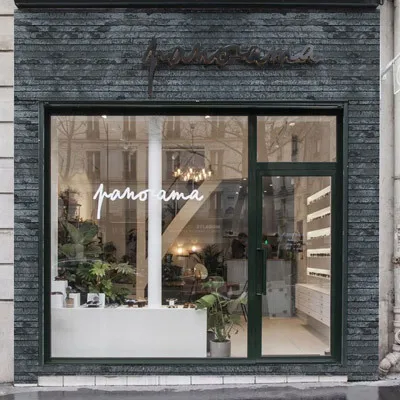
Choosing the right cladding or flooring material for your project is like picking the perfect frame for a painting—it can elevate the entire space or leave it feeling underwhelming. For years, ceramic tiles have been the go-to for their affordability and versatility, but in recent years, materials like
Muretto Stone
have been turning heads with their unique blend of natural charm and modern functionality. If you're stuck between these two options, you're not alone. Let's dive into what makes each material tick, how they stack up in key areas, and which one might just be the missing piece for your next renovation, build, or design project.
Before we jump into the nitty-gritty, let's make sure we're on the same page about what these materials are.
Muretto Stone
—you might have seen it listed as
Muretto stone (light grey)
,
Muretto stone (dark grey)
, or
Muretto stone (beige)
in supplier catalogs—is a type of engineered stone cladding designed to mimic the rugged, time-worn look of traditional stone walls, but with a modern twist. It's part of a broader category of
flexible stone cladding panels
, meaning it's lighter and more adaptable than solid natural stone, making it easier to install on a variety of surfaces.
Ceramic tiles, on the other hand, are the old reliable. Made from clay that's fired at high temperatures, they come in endless colors, patterns, and finishes—from glossy subway tiles to matte stone-look replicas. They've been a staple in homes and commercial spaces for decades, prized for their low cost and easy maintenance. But as design trends shift toward warmth, texture, and sustainability, many are asking: is it time to swap the tile for something with a bit more soul?
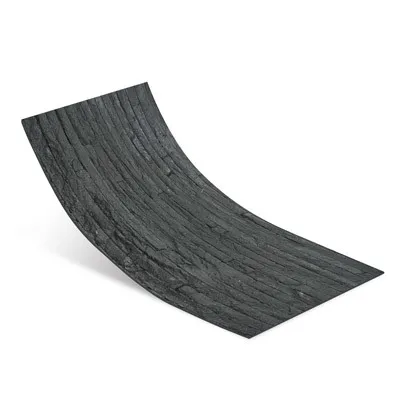
Let's start with the most obvious difference: how they look and feel. At the end of the day, a space's vibe often comes down to aesthetics, and here's where Muretto Stone and ceramic tiles diverge dramatically.
Muretto Stone
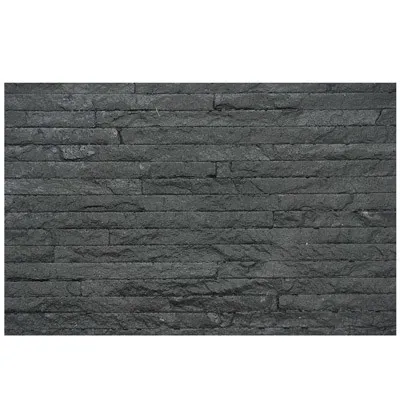
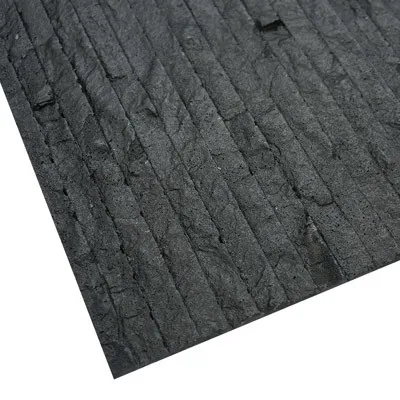
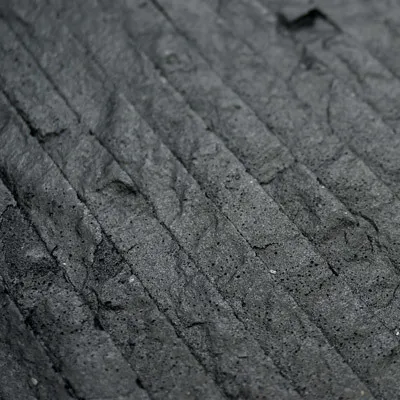
is all about texture and authenticity. Run your hand over a panel, and you'll feel the subtle (aotus—unevenness) of its surface, like the weathered walls of a Tuscan villa or a coastal cottage. Its color palette is earthy and grounded:
light grey
Muretto has a soft, airy quality that brightens up a room without feeling sterile;
dark grey
adds depth and drama, perfect for feature walls; and
beige
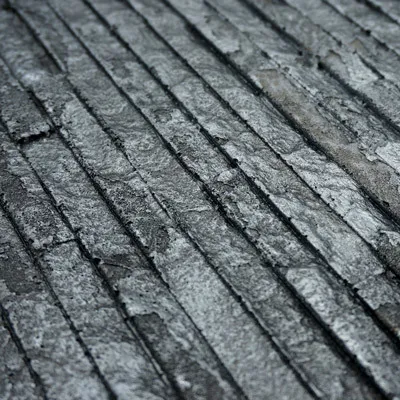
—warm and inviting—feels like a hug from the desert, pairing beautifully with wood tones or greenery. Unlike some synthetic materials that scream "fake," Muretto's charm lies in its imperfections: tiny pits, subtle color variations, and a matte finish that softens light rather than reflecting it harshly.
Ceramic tiles, by contrast, are all about consistency. Whether they're mimicking marble, wood, or concrete, they offer a smooth, uniform surface that's easy to clean and visually "neat." Modern printing technology has gotten impressively good at replicating textures—you can find ceramic tiles with 3D embossing that
look
textured—but they lack the tactile depth of Muretto. For example, a ceramic tile designed to look like
travertine (beige)
might capture the color, but it won't have the same porous, organic feel underfoot or to the touch. If your project calls for a sleek, contemporary look with zero surprises, ceramic tiles deliver. But if you want a space that feels lived-in, like it has a story, Muretto's raw beauty is hard to beat.
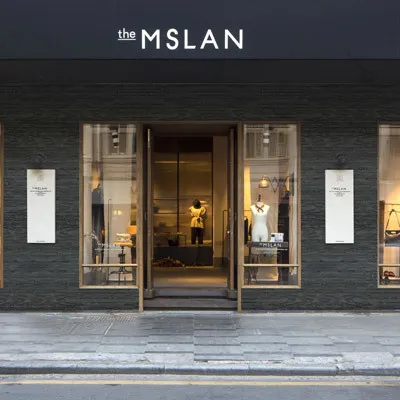
Aesthetics matter, but let's get practical: you don't want to invest in a material that'll chip, fade, or wear out in a few years. Here's how Muretto Stone and ceramic tiles hold up over time.
Muretto Stone
is built tough. As a type of
flexible stone cladding panel
, it's engineered to withstand the elements—rain, wind, UV rays—making it ideal for both indoor and outdoor use. Unlike solid natural stone, which can crack under stress, Muretto's flexibility allows it to expand and contract with temperature changes without breaking. Scratch it with a key (go ahead, test it!), and you'll likely only see a minor mark that blends into its textured surface. Even better, its color runs through the material, not just a top layer, so scratches or chips are less noticeable than they would be on a ceramic tile with a printed design.
Ceramic tiles are no slouches in durability either. They're water-resistant, scratch-resistant, and fireproof, which is why they're a staple in kitchens and bathrooms. But they have a Achilles' heel: brittleness. drop a heavy pot on a ceramic tile, and there's a good chance it'll chip or crack—especially if the grout lines are wide, leaving edges exposed. And while the glaze on ceramic tiles is durable, it can fade over time if exposed to direct sunlight, making them less ideal for outdoor spaces like patios or pool decks.
Winner here? It depends on the use case. For high-traffic indoor areas like hallways or kitchens, both hold up well. But for outdoor walls, exterior facades, or spaces with heavy foot traffic (think commercial lobbies), Muretto Stone's flexibility and resistance to impact give it the edge.
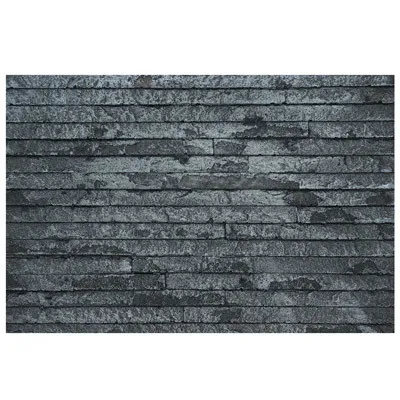
Unless you're a DIY pro, installation costs and complexity can make or break a project budget. Let's break down what you're in for with each material.
Muretto Stone
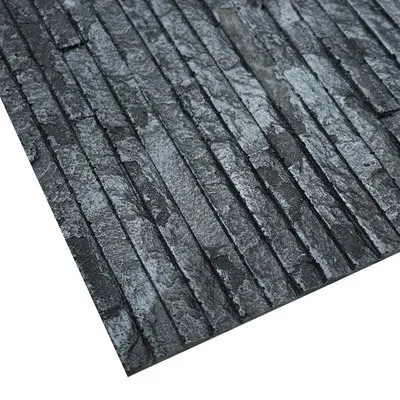
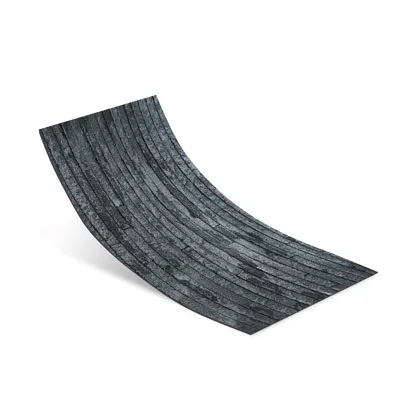
panels are lightweight—usually around 8-12 kg per square meter—compared to solid stone (which can weigh 20+ kg). That means they're easier to handle, reducing labor time and costs. They also come in large, interlocking panels, so installation is faster than laying individual tiles. The real perk? Their flexibility. Unlike rigid materials that require a perfectly flat surface, Muretto can conform to slightly uneven walls or ceilings, making it a great choice for older buildings with wonky substrates. You'll still need a professional to ensure proper adhesion (usually with a special mortar or adhesive), but the process is generally straightforward.
Ceramic tiles, while lightweight per tile, require meticulous prep work. The substrate must be completely level, clean, and dry—any bumps or moisture can lead to tiles cracking or popping off later. Laying them involves spreading thin-set mortar, placing each tile, spacing them with spacers, and then grouting the lines—all of which is time-consuming, especially for large areas. And if you're working with natural stone-look tiles that require precise alignment to match patterns, the labor costs can add up fast.
Bottom line: Muretto Stone is generally quicker and easier to install, especially for uneven surfaces or large projects, which can save you money on labor.
Let's be real: no one wants to spend weekends scrubbing walls or floors. Here's how Muretto Stone and ceramic tiles stack up in the maintenance department.
Muretto Stone
is low-maintenance, but it does require a little TLC upfront. Because it's porous (like natural stone), it should be sealed when installed to prevent stains from liquids like wine or oil. After that, a quick wipe with a damp cloth and mild soap is usually enough to keep it clean. The textured surface can trap dust, so a soft brush or vacuum attachment helps, but the grime blends into the texture, meaning it doesn't look dirty as quickly as a smooth ceramic tile. One thing to note: avoid harsh chemicals or abrasive cleaners, as they can wear down the sealant over time.
Ceramic tiles are the poster child for easy cleaning. Spill coffee? Wipe it up with a paper towel. Mud tracked in? A mop with soapy water does the trick. The downside? Grout lines. Grout is porous and prone to staining, especially in light colors, and it can harbor mold in humid areas like bathrooms. You'll need to seal grout annually (or more often in wet spaces) and scrub it periodically to keep it looking fresh. For large tile floors, this can become a tedious chore.
So, if you're okay with an annual seal and prefer a material that hides dust, Muretto is a breeze. If you want zero-fuss cleaning but don't mind tending to grout, ceramic tiles are your friend.
Let's talk numbers. Ceramic tiles have long been favored for their affordability, but is Muretto Stone worth the splurge?
Upfront, ceramic tiles are cheaper. Basic ceramic tiles start at around $10-15 per square meter, while high-end designs (like those mimicking rare marble) can go up to $50-60. Installation costs add another $20-30 per square meter, depending on complexity.
Muretto Stone
is pricier upfront: panels range from $30-80 per square meter (depending on color and thickness), plus installation at $25-40 per square meter. So for a 50-square-meter project, ceramic might cost $1,500-3,500 total, while Muretto could be $2,750-6,000.
But here's the catch: long-term costs. Ceramic tiles may need replacing sooner if they chip or crack, and grout maintenance adds up over time. Muretto Stone, with its durability and minimal upkeep, can last 20+ years with proper care, making it a better investment for high-value projects or spaces you plan to enjoy for decades. Plus, its unique aesthetic can boost resale value—homebuyers and renters often pay a premium for spaces with "character" materials like natural stone cladding.
In an era where eco-conscious design is no longer optional, sustainability is a key factor. Both materials have pros and cons here, but
green building materials
like Muretto Stone are gaining traction for good reason.
Muretto Stone
is often made from recycled stone aggregates and natural binders, reducing its environmental footprint. Its lightweight nature also cuts down on transportation emissions—trucks can carry more panels per trip compared to heavy stone or concrete. Plus, as a durable material with a long lifespan, it reduces the need for frequent replacements, which means less waste in landfills.
Ceramic tiles, while recyclable, have a higher carbon footprint during production. Making ceramic involves mining clay, firing it in kilns at high temperatures (which uses a lot of energy), and glazing it with chemicals that can be harmful if not disposed of properly. That said, some manufacturers are moving toward more sustainable practices, like using recycled clay or solar-powered kilns, so it's worth checking certifications if eco-friendliness is a priority.
Still on the fence? Let's match each material to common project scenarios:
-
Choose Muretto Stone if…
You're designing a feature wall in a living room, an outdoor patio wall, a boutique hotel facade, or a restaurant with a rustic/industrial vibe. It's also great for older homes where uneven walls make rigid materials tricky, or for anyone who wants a space that feels warm, textured, and timeless.
-
Choose Ceramic Tiles if…
You're tiling a bathroom floor, a kitchen backsplash, or a high-moisture area like a laundry room. They're also ideal for rental properties or projects on a tight budget where quick, affordable installation is key.
At the end of the day, there's no "better" material—only the right one for your project.
Muretto Stone
isn't here to replace ceramic tiles; it's here to offer an alternative for those who crave texture, authenticity, and durability. Its earthy colors (
light grey
,
dark grey
,
beige
), tactile surface, and sustainability credentials make it a standout choice for spaces that aim to feel human and alive.
Ceramic tiles, with their affordability, versatility, and easy maintenance, will always have a place in design. But if you're ready to step beyond the ordinary and create a space that tells a story—one with the weathered charm of Muretto's texture and the warmth of its earthy tones—then it might just be time to make the switch.
So, what's your project's personality? Is it sleek and modern, or warm and rustic? Practical and budget-friendly, or bold and timeless? Whatever it is, both Muretto Stone and ceramic tiles have the power to bring it to life—you just have to pick the one that speaks to you.
|
Feature
|
Muretto Stone
|
Ceramic Tiles
|
|
Aesthetic
|
Textured, earthy, authentic (light grey, dark grey, beige)
|
Smooth, uniform, versatile (mimics various materials)
|
|
Durability
|
Flexible, impact-resistant, weatherproof (great for outdoors)
|
Scratch/water-resistant but brittle (prone to chipping)
|
|
Installation
|
Lightweight, large panels, easy on uneven surfaces
|
Requires level substrate, grouting, more labor-intensive
|
|
Maintenance
|
Annual sealing, hides dust, easy to wipe clean
|
Easy to clean, but grout needs regular sealing/scrubbing
|
|
Cost
|
Higher upfront, lower long-term (durable, low upkeep)
|
Lower upfront, higher long-term (grout upkeep, potential replacement)
|
|
Sustainability
|
Often recycled materials, lightweight (low transport emissions)
|
High energy use in production, but improving with eco-friendly options
|