
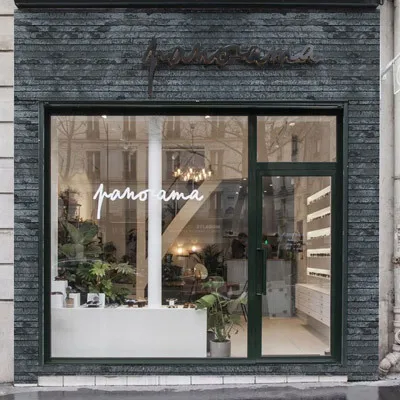
Choosing the right building material is like picking the perfect ingredient for a signature dish—get it right, and the whole project sings. For homeowners, interior designers, and architects alike, two names often rise to the top of the list: Muretto Stone and Granite . Both have earned reputations for beauty and resilience, but they're far from identical. Whether you're revamping a kitchen countertop, designing a commercial lobby, or sprucing up your home's exterior, understanding how these materials stack up can save you time, money, and regret down the line. Let's dive into their world—cost, durability, style, and everything in between—to help you make the choice that feels like *yours*.
Let's start with the practical stuff: budget. We've all been there—falling in love with a material only to wince at the price tag. When it comes to Muretto Stone and Granite, cost isn't just about the material itself; it's about sourcing, production, and installation too.
Granite , a natural stone quarried from the earth, has long been associated with luxury—and for good reason. Its uniqueness (no two slabs are identical) and the labor-intensive process of extracting and cutting it mean it often comes with a higher upfront cost. Prices can vary wildly based on rarity: a common granite like "Uba Tuba" might be more affordable, while exotic varieties with bold veining or rare colors can spike the bill. Factor in installation, and you're looking at a significant investment, especially for large surfaces like kitchen islands or floorings.
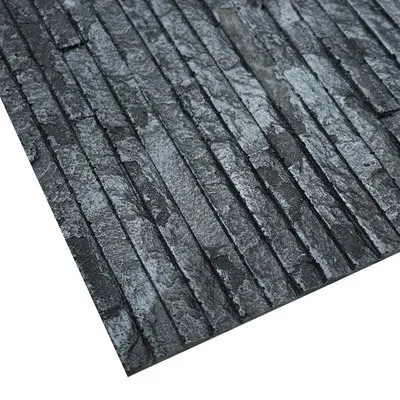
Muretto Stone , on the other hand, is often engineered—think a blend of natural minerals and modern technology. This engineering gives manufacturers more control over production, which typically translates to lower costs. For example, the Lunar Peak series (including Lunar Peak Silvery , Lunar Peak Golden , and Lunar Peak Black ) offers the sleek, metallic sheen of natural stone without the premium price of rare granite. Since Muretto Stone is often lighter and more uniform in size, installation can also be quicker and cheaper, saving you on labor fees. It's not that Muretto is "cheap"—it's that it delivers high-end looks at a more accessible price point, making it a favorite for projects where style and budget need to shake hands.
Of course, exceptions exist. Limited-edition Muretto lines or custom finishes (like the iridescent travertine (starry green) accents sometimes paired with Muretto) can nudge costs upward, just as basic granite slabs might dip below premium Muretto options. But in general, if you're working with a tight budget but refuse to compromise on aesthetics, Muretto Stone tends to be the more forgiving choice.
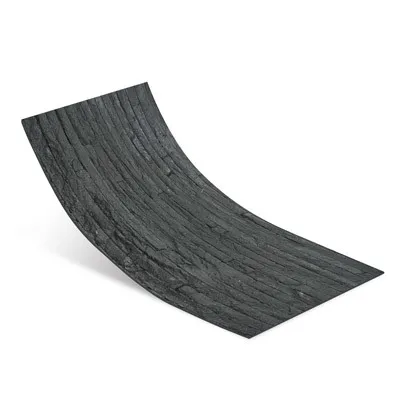
A material's beauty only matters if it can survive the chaos of daily life. Let's talk durability—how well these stones handle scratches, stains, weather, and the occasional dropped mug.
Granite is the tough kid on the block. With a Mohs hardness rating of 6-7 (diamonds are 10, for context), it's resistant to scratches from keys, knives, or pet claws. Spills? Unless you're leaving acidic substances like lemon juice or wine sitting for days, granite holds up well—though it *does* need regular sealing (every 1-3 years) to keep stains at bay. Outdoors, it laughs off rain, snow, and UV rays, making it a staple for patios and exterior cladding. Its natural density also means it's heat-resistant; you can set a hot pan on a granite countertop without worrying about scorch marks.
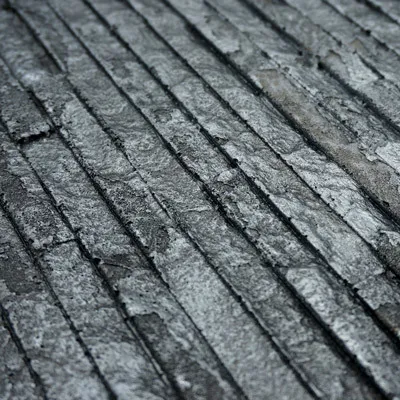
Muretto Stone might not have granite's natural hardness, but its engineered composition is no slouch. Most Muretto varieties are designed to mimic stone's strength while being more flexible—literally. This flexibility makes it less prone to cracking under stress, a big plus for large installations like feature walls or floors with uneven subfloors. Take the Lunar Peak Black variant: its dark, smooth surface hides minor scratches better than light-colored granite, and its non-porous finish means it resists stains without frequent sealing. However, it's not invincible. While it can handle moderate heat, placing a red-hot pot directly on Muretto might leave a mark, and heavy impacts (like a falling tool in a garage) could chip its edges. For high-traffic areas like entryways or commercial lobbies, Muretto holds its own, but it might need a little more TLC than granite in ultra-rough conditions.
Lifespan-wise, both materials are long-term players. Granite, when properly maintained, can last decades—even a lifetime. Muretto Stone, being engineered, typically has a lifespan of 20-30 years with good care, which is more than enough for most homeowners' needs. The key takeaway? If you want a "set it and forget it" material for a space that sees constant action, granite might edge out. But if you value flexibility and lower maintenance over extreme hardness, Muretto is a solid bet.
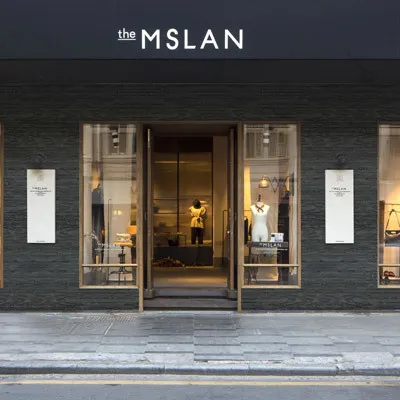
Here's where the fun begins: style. Your choice of stone isn't just about function—it's about telling a story. Do you want your space to feel like a cozy mountain cabin, a sleek urban loft, or a sunlit coastal retreat? Muretto Stone and Granite each bring their own vibe to the table.
Granite is a natural artist. Each slab is a one-of-a-kind masterpiece, with swirls of color, flecks of mineral, and veining that tell the story of its formation deep in the earth. No two pieces are alike, which means your kitchen countertop or fireplace surround will be uniquely yours. Love warm tones? Opt for a golden granite with amber streaks. Prefer something moody? A black granite with white veining (like granite portoro ) adds drama. The downside? That uniqueness can be a double-edged sword—if you need multiple slabs for a large project, matching patterns perfectly is nearly impossible. It's a trade-off for natural beauty.
Muretto Stone is the chameleon of the design world. Engineered to mimic just about any look, it offers consistency that granite can't match. The Lunar Peak series is a prime example: Lunar Peak Silvery shimmers like moonlight on water, adding a futuristic touch to modern spaces; Lunar Peak Golden warms up a room with its soft, metallic glow, perfect for cozy living areas; and Lunar Peak Black exudes sophistication, ideal for minimalist offices or sleek bathroom vanities. Beyond Lunar Peak, Muretto comes in textures that echo travertine (starry green) 's celestial sparkle, fair-faced concrete 's raw industrial charm, or even wood grain for a organic-meets-modern twist. Since it's man-made, you can get identical slabs for large projects, ensuring a seamless, cohesive look—no more fretting over mismatched veining.
The style showdown often boils down to preference: Do you crave the unpredictability of nature (granite) or the precision of design (Muretto)? For traditional homes or spaces where "character" is the goal, granite's natural flaws and uniqueness shine. For contemporary designs, commercial projects, or anyone who wants a specific, repeatable look, Muretto is the clear winner. And if you can't choose? Mix them! Many designers pair a granite accent wall with Muretto flooring, or use travertine (starry green) as a bridge between the two for a layered, dynamic space.
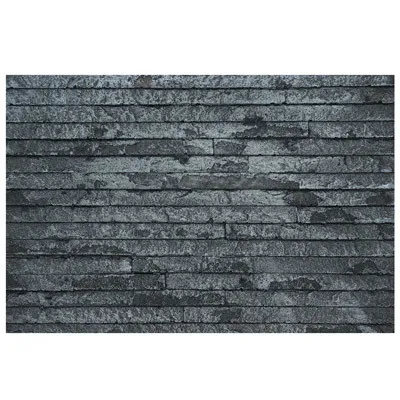
Not every material works everywhere. Let's break down where Muretto Stone and Granite thrive, so you can match the right stone to the right space.
Granite is a workhorse for high-impact areas. Kitchen countertops? It's a classic for a reason—resistant to heat, scratches, and spills. Bathroom vanities? Its density fights moisture better than most materials. Outdoor patios and pool surrounds? It stands up to rain, sun, and chlorine without fading. Even commercial settings like hotel lobbies or restaurant bars benefit from granite's durability and luxury appeal. The only catch? Its weight. Granite slabs can be heavy, requiring reinforced cabinets or structural support for upper installations like wall cladding. For small spaces or projects with weight restrictions, it might not be the most practical pick.
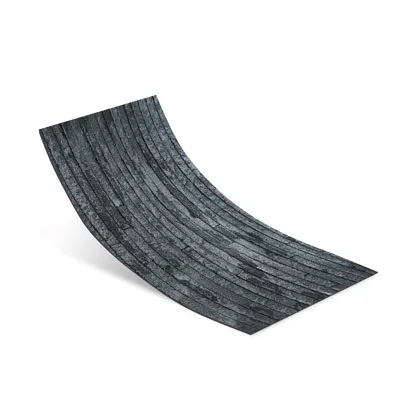
Muretto Stone excels where versatility and adaptability are key. Thanks to its lighter weight, it's a star for vertical applications: think feature walls, backsplashes, or even ceiling panels. The Lunar Peak Silvery variant, with its reflective surface, can make small rooms feel larger by bouncing light around. Exteriors? Muretto holds up well to weather, but it's especially popular for modern home facades, where its uniform finish creates clean, crisp lines. It's also a favorite for commercial projects like retail stores or offices, where large, seamless installations are needed. And let's not forget fair-faced concrete -style Muretto—its raw, industrial look is perfect for loft apartments or trendy cafes, offering the aesthetic of poured concrete without the cost or weight.
A quick example: If you're designing a beach house, granite might be overkill for the living room floor (unless you want that "luxury villa" vibe), while Muretto in a light, airy finish could mimic sand or driftwood without the upkeep. Conversely, a mountain cabin's stone fireplace would feel more authentic with rough-hewn granite than sleek Muretto. It's all about context.
Let's be real: no one wants a material that turns into a high-maintenance diva. Here's how Muretto and Granite stack up in the care department.
Granite needs a little attention to stay gorgeous. As mentioned earlier, sealing is a must—every 1-3 years, depending on use. This keeps liquids from seeping into its pores and causing stains. Daily cleaning is simple: warm water and a mild soap, no harsh chemicals. Avoid abrasive sponges, which can dull the surface. Oh, and skip the vinegar or lemon-based cleaners—their acidity can etch the stone over time. With proper sealing and care, granite stays looking new for decades, but it does require that regular commitment.
Muretto Stone is the low-maintenance friend we all need. Most varieties come pre-sealed, and their non-porous finish means stains are rare. A quick wipe with a damp cloth is usually enough for daily cleaning, and you don't have to stress about sealing (though a yearly once-over with a stone sealer can't hurt). Even better, Muretto is less likely to show water spots or fingerprints than polished granite, making it ideal for busy families or anyone who hates constant cleaning. The only exception? Harsh chemicals like bleach or ammonia can damage its finish, so stick to gentle cleaners.
| Feature | Muretto Stone | Granite |
|---|---|---|
| Cost |
More affordable; engineered production lowers costs.
Example: Lunar Peak series offers premium looks at mid-range prices. |
Higher upfront cost; natural sourcing and labor increase expenses.
Example: Exotic granite varieties can be significantly pricier. |
| Durability |
Flexible and crack-resistant; handles moderate wear.
Less heat-resistant than granite; minor chipping risk with heavy impacts. |
Extremely hard (Mohs 6-7); scratch and heat-resistant.
Prone to cracking under stress; needs sealing to resist stains. |
| Style |
Uniform, customizable finishes (e.g., Lunar Peak Silvery, fair-faced concrete).
Ideal for modern, cohesive designs. |
Unique, natural veining and patterns; one-of-a-kind slabs.
Perfect for traditional or character-driven spaces. |
| Best For | Feature walls, large installations, commercial projects, modern homes. | Countertops, high-traffic floors, outdoor spaces, traditional designs. |
| Maintenance | Low; no regular sealing needed; easy to clean with mild soap. | Moderate; seal every 1-3 years; avoid acidic cleaners. |
At the end of the day, there's no "better" material—only the better choice for *you*. If you prioritize natural beauty, extreme durability, and don't mind a higher budget and maintenance, Granite is your stone. If you want versatility, affordability, and a modern, customizable look with lower upkeep, Muretto Stone (especially lines like Lunar Peak or those inspired by travertine (starry green) ) will steal your heart.
And remember: design is about creativity. Don't limit yourself to one material. Mix Muretto flooring with a granite countertop, or use fair-faced concrete accents to tie them together. The goal is to create a space that feels uniquely yours—whether that means the raw beauty of granite, the sleek precision of Muretto, or a little bit of both.
Whichever you choose, you're not just picking a stone—you're building a foundation for memories. And that's the real beauty of it all.
Recommend Products












