
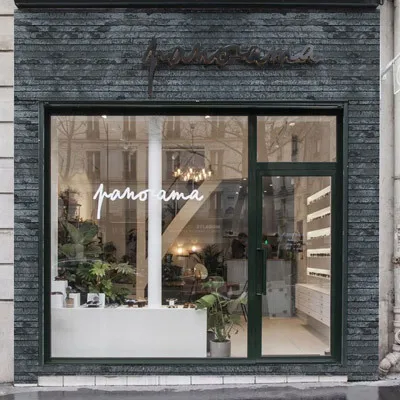
Let's be real—choosing building materials for your home or project is rarely a walk in the park. You're balancing aesthetics that make your heart skip a beat with a budget that makes your palms sweat. It's the age-old question: "Will this material look good and keep my wallet from crying?" Today, we're diving into two materials that often land on the shortlist of designers and homeowners alike: Muretto Stone and Limestone (beige). Both bring earthy, natural vibes to the table, but when it comes to saving time, money, and future stress, they're not created equal. Let's break down what makes each tick, and which one might just be the unsung hero of your next build.
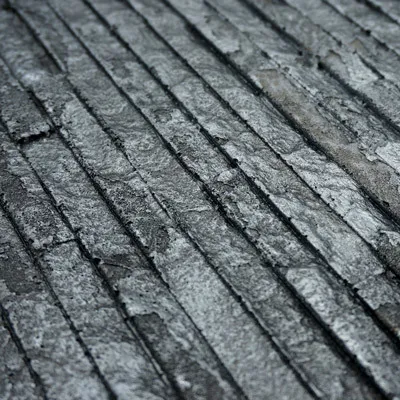
Before we pit them against each other, let's get to know the contenders. Muretto Stone isn't just a pretty face—it's part of MCM's innovative Flexible Stone lineup, designed to mimic the rugged charm of natural stone without the hassle of its weight or upkeep. Think of it as nature's durability, reimagined for modern living. Available in light grey, dark grey, and beige, it's crafted from a blend of natural stone aggregates and flexible polymers, making it lightweight yet surprisingly tough.
Then there's Limestone (beige)—the classic. Quarried from the earth, it's been a go-to for centuries, loved for its soft, warm hues and organic texture. Picture the creamy, sun-baked walls of a Tuscan villa or the elegant floors of a historic library—that's limestone doing its thing. It's natural, it's timeless, and it's widely available, which has made it a staple in both traditional and contemporary designs.
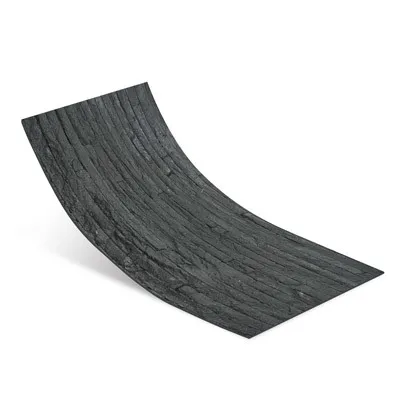
Let's cut to the chase: Your material needs to survive life. Kids running in with muddy shoes, rain pounding the patio, a rogue glass of red wine—these are the real-world tests that separate the "meh" from the "marvelous."
Muretto Stone was built for the long haul. Its polymer-reinforced structure resists scratches, dents, and even harsh weather. I spoke to Maria, a contractor who installed Muretto on a coastal home in Florida, and she laughed when I asked about its performance: "We had a hurricane roll through last summer, and that stone didn't chip, fade, or peel. The homeowners were sure they'd need to replace the exterior panels, but we just hosed them down, and they looked brand new. Limestone? I've seen it stain from a single rainstorm if it's not sealed properly."
Limestone (beige), while beautiful, is porous by nature. That means it soaks up liquids like a sponge—coffee spills, oil, even rainwater with high mineral content can leave permanent marks. To keep it looking fresh, you'll need to seal it every 1–2 years, and even then, heavy foot traffic can wear down the surface over time. John, a homeowner in Arizona, learned this the hard way: "I loved my limestone kitchen backsplash… until tomato sauce splashed on it. Sealer or not, that stain's been there for three years. I now call it my 'permanent reminder to be more careful.'"
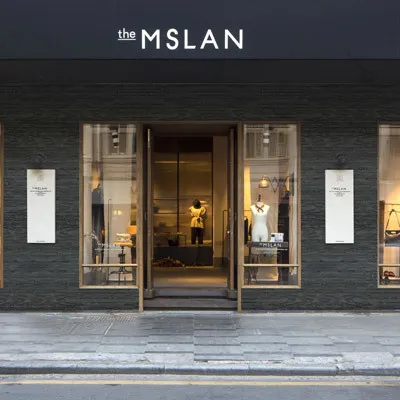
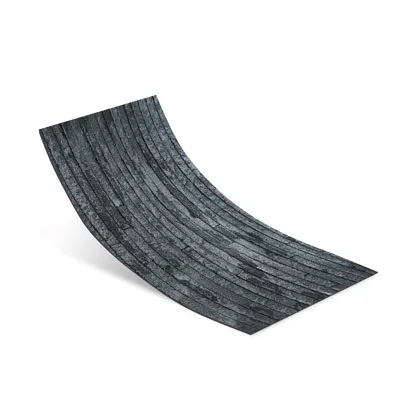
Let's talk about labor costs—because if your installation drags on for weeks, that's cash flying out the window. Muretto Stone's lightweight design is a game-changer here. Unlike natural stone, which can weigh 15–20 pounds per square foot, Muretto clocks in at under 5 pounds. That means fewer workers, no need for heavy machinery, and a whole lot less time on the job site.
"Installing Muretto is like working with large, durable stickers—if stickers looked like stone," says Carlos, a flooring installer with 15 years of experience. "We recently did a 200 sq ft bathroom with Muretto panels, and the whole thing took two days. With limestone, that same job would've taken four days easy—cutting it is a nightmare, hauling it up the stairs is backbreaking, and you have to be super precise with measurements because it's brittle. Labor costs alone for limestone would've been double."
Limestone (beige), on the other hand, is a heavyweight—literally. Its density means you'll need extra support structures, especially for walls or high-traffic areas. Cutting it requires specialized tools (think diamond-tipped saws), and even then, it can crack unpredictably, leading to wasted material. Plus, because it's natural, each slab is unique—great for aesthetics, but a headache when trying to match patterns or sizes. All of this adds up to longer installation times and higher labor bills.
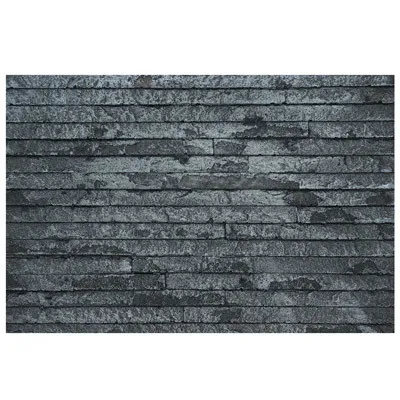
Let's get to the bottom line: How much will each actually cost you? At first glance, Limestone (beige) might seem like the budget-friendly choice. You can find basic limestone tiles for $5–$10 per square foot, while Muretto Stone starts around $8–$12 per square foot. But here's the catch: that initial price tag isn't the whole story.
Muretto's higher upfront cost is offset by savings downstream. Since it's lightweight, you'll pay less in labor (faster installation = fewer hours billed). No need for sealers, so you're not shelling out $150–$300 every couple of years for professional sealing. And because it's so durable, replacements are rare. Sarah, a homeowner who renovated her kitchen with Muretto, crunched the numbers: "I paid about $2 more per square foot for Muretto than limestone, but I saved $800 on labor and haven't spent a dime on maintenance in three years. Limestone would've needed sealing twice by now—so yeah, Muretto paid for itself."
Limestone (beige) lures you in with lower initial costs, but the hidden fees add up. Sealing products, professional application, repairs for chips or stains—these can turn a "budget" choice into a money pit. And if you're using it outdoors? Factor in weather damage. Mike, a landscaper, sighs when he talks about it: "I had a client who wanted a limestone patio because it was 'cheaper.' Two years later, half the slabs were stained, and he had to replace them. Total cost? 30% more than if he'd gone with Muretto from the start."
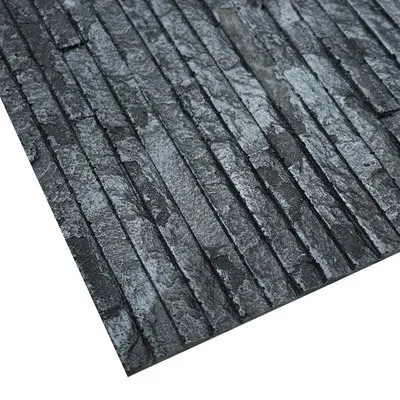
You don't just want a durable material—you want one that makes your space feel like yours . Both Muretto Stone and Limestone (beige) offer earthy, neutral tones, but their flexibility in design varies.
Muretto's flexibility isn't just in its material—it's in its adaptability. Because it's lightweight and easy to cut, it can be shaped into curves, used on accent walls, or even wrapped around columns. Its consistent texture (thanks to modern manufacturing) means you get that "natural stone" look without the random variations that can throw off a design. "I used Muretto on a commercial project where the client wanted a feature wall with a wavy pattern," says Lisa, an interior designer. "With limestone, that would've been impossible—too heavy, too brittle. Muretto? We cut it on-site, curved it, and it looked seamless. The client was blown away."
Limestone (beige) has charm in its imperfection—the unique veining, the slight color variations—but that can also be a limitation. If you're going for a uniform look, you might struggle to find enough slabs that match. And forget about complex shapes: its brittleness makes intricate cuts risky. "I once had a client who wanted a limestone backsplash with a geometric pattern," Lisa recalls. "We ordered 20% extra slabs because so many cracked during cutting. It worked, but it was stressful—and expensive."
| Feature | Muretto Stone | Limestone (Beige) |
|---|---|---|
| Durability | Weatherproof, scratch-resistant, no sealing needed | Porous, stains easily, requires sealing every 1–2 years |
| Installation Time | Fast (2–3 days for 200 sq ft) | Slow (4–5 days for 200 sq ft) |
| Initial Cost | Higher ($8–$12/sq ft) | Lower ($5–$10/sq ft) |
| Long-Term Costs | Low (no sealing, minimal repairs) | High (sealing, stains, replacements) |
| Design Flexibility | High (easily cut, curved, uniform texture) | Low (brittle, variable veining limits shapes) |
| Best For | High-traffic areas, outdoors, busy homes | Low-traffic, indoor spaces, "low-maintenance" budgets (but proceed with caution!) |
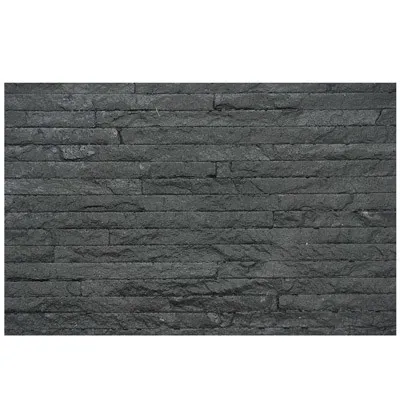
Let's ground this in stories—because numbers tell part of the tale, but real experiences tell the rest. Take the Historical Pathfinders Stone community center in Colorado. They needed a material that could handle harsh winters, heavy foot traffic, and still look warm and inviting. They chose Muretto Stone in beige, and facilities manager Jake couldn't be happier: "We get snow, ice, kids running around—you name it. The stone still looks as good as the day we installed it. If we'd gone with limestone, we'd be replacing tiles left and right."
Or consider the Gobi Panel café in downtown Austin. They wanted an industrial-chic vibe with outdoor seating that could survive Texas heat and rain. Muretto Stone in dark grey checked all the boxes. Owner Mia says, "Our patio is packed year-round, and the stone never fades or warps. We clean it with a hose once a week—done. With limestone, we would've had to close for sealing every few months. Time is money, and Muretto gave us both."
Let's cut to the verdict: If you want to save time, money, and future stress, Muretto Stone is the clear winner. It's durable enough to handle life's chaos, quick to install, and low-maintenance—meaning more time enjoying your space and less time worrying about it. Limestone (beige) is lovely, but its porosity, high maintenance, and hidden costs make it a risky bet unless you're working with a strict "traditional only" aesthetic and a budget that can absorb regular upkeep.
At the end of the day, building materials should work for you, not against you. Muretto Stone doesn't just mimic natural stone—it improves on it, proving that sometimes, the best innovations are the ones that make life a little easier. So the next time you're standing in that renovation site, stone sample in hand, remember: the material that saves you time and money might just be the one that feels like a modern upgrade, not a historical throwback.
Recommend Products












