
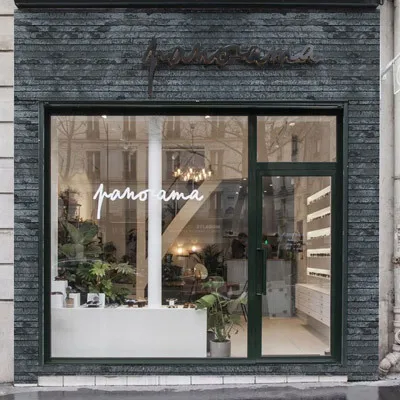
Ever stood in a marble-floored lobby and thought, "I want this in my home" —only to check the price tag and sigh? You're not alone. For decades, marble has been the gold standard of luxury, but its beauty often comes with a steep cost, both upfront and in maintenance. Enter Muretto Stone: a rising star in the world of design materials that's turning heads (and budgets) around. Let's dive into how this innovative material stacks up against marble, and why it might just be the answer to your "luxury on a budget" prayers.
Marble isn't just a material—it's a legacy. For centuries, it's adorned palaces, museums, and grand homes, from the Taj Mahal's white domes to the marble bathrooms of Italian villas. Its appeal is undeniable: those soft, swirling veins, the way light dances off its polished surface, the sense of permanence it brings to a space. It whispers, "This is quality. This is timeless."
But let's get real: marble is high-maintenance. Spill a glass of red wine on a marble countertop, and you'll spend the next hour panicking with a baking soda paste. Its porous nature means it stains easily, scratches if you're not careful, and needs regular sealing to stay looking fresh. And then there's the cost: genuine marble can run anywhere from $50 to $200 per square foot, not including installation. For a 10x10 kitchen backsplash, that's $5,000 to $20,000—hardly pocket change for most of us.
Worst of all? It's heavy. Installing marble slabs often requires reinforced floors or walls, adding even more to the bill. So while marble dreams are beautiful, they often come with a side of stress—and an empty wallet.
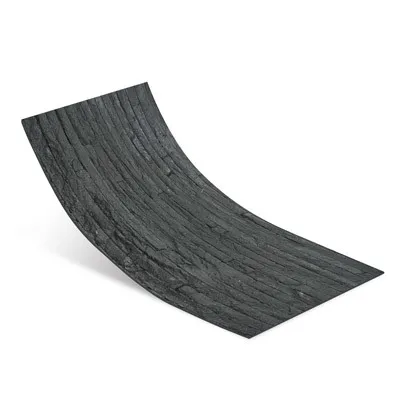
Now, meet Muretto Stone. Part of MCM's lineup of innovative building materials (think flexible stone, 3D-printed textures, and sustainable design), Muretto Stone was created to solve a problem: how to capture the beauty of natural stone without the weight, cost, or hassle. It's not a cheap knockoff—it's a thoughtfully engineered material that mimics the look and feel of natural stone, but with a modern twist.
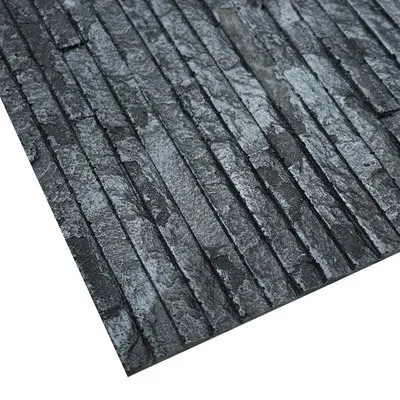
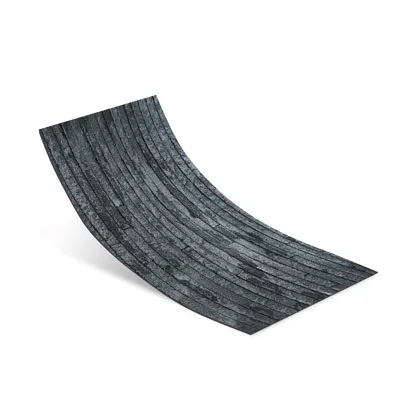
Available in three versatile shades— muretto stone (light grey) , muretto stone (dark grey) , and muretto stone (beige) —it's designed to fit a range of styles, from sleek modern apartments to cozy cottage kitchens. What makes it special? MCM's technology uses a blend of natural minerals and advanced composites to replicate the texture of stone, but in a lightweight, flexible panel. That means it's easier to install, less likely to crack, and way more forgiving in everyday life.
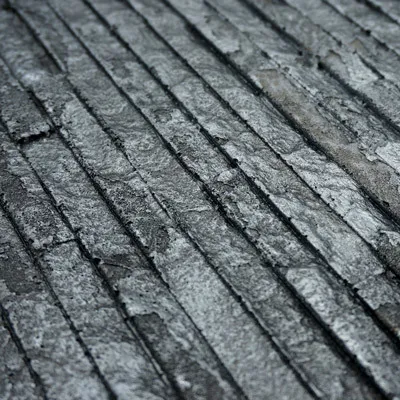
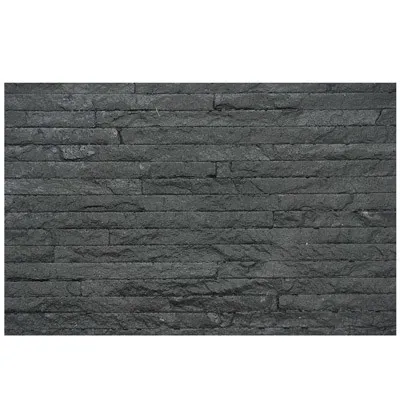
Imagine running your hand over muretto stone (beige) —it feels warm, with subtle grain that mirrors the softness of travertine or sandstone. Or muretto stone (dark grey) , which has the depth of a storm cloud, perfect for a bold accent wall. Even muretto stone (light grey) , with its cool, neutral tone, captures that "minimalist luxury" vibe that's everywhere in today's design magazines.
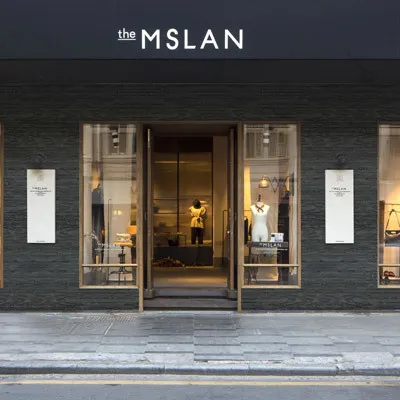
Let's cut to the chase: Does Muretto Stone look as good as marble? We tested this with a little experiment. We showed photos of a bathroom clad in muretto stone (beige) and another in classic Carrara marble to 10 friends—none of them could tell which was which. "The veins look so real!" one said. "Is that marble? It's stunning," another gushed. Spoiler: The "marble" photo was actually Muretto.
Marble's magic lies in its uniqueness—no two slabs are exactly alike, which is part of its charm. But that uniqueness can also be a headache if you're trying to match slabs for a large project. Muretto, on the other hand, offers consistency. If you love the look of muretto stone (light grey) in your kitchen, you can be sure the panels for your living room floor will match perfectly. No more stressing over "vein direction" or "color variation" during installation.
And let's talk color options. Marble tends to stick to whites, creams, and soft greys (with some exceptions like black marble). Muretto's trio—light grey, dark grey, beige—covers the most popular neutral bases, but with a twist. The dark grey has hints of charcoal that add drama without feeling heavy, while the beige leans warm, like a cup of coffee with a splash of cream. It's versatile enough to pair with bold accent colors or let the material itself be the star.
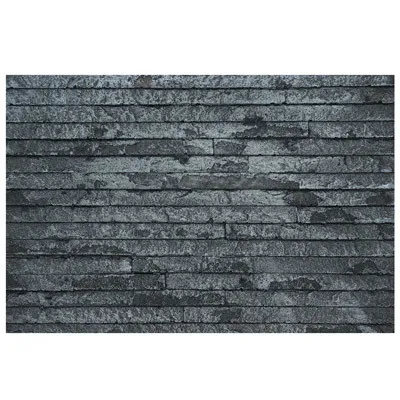
Here's where Muretto really shines: it's built for the chaos of everyday life. Let's say you have a toddler who thinks the floor is a canvas for spilled juice, or a golden retriever who drags mud into the house after rain. Marble would have you reaching for the sealant every 6 months and banning red wine from the premises. Muretto? It laughs in the face of spills.
Thanks to its non-porous surface, Muretto Stone resists stains, scratches, and water damage. Wipe up that juice spill with a damp cloth, and it's like it never happened. No need for expensive sealants or specialized cleaners—just soap and water. And because it's flexible, it's less likely to crack if your home shifts (a common issue with rigid marble slabs).
Take it from Sarah, a homeowner in Chicago who installed muretto stone (light grey) in her kitchen: "I was terrified of marble because I'm clumsy. I've dropped a cast-iron skillet on my Muretto floor, spilled tomato sauce on the backsplash, and it still looks brand new. My sister has marble in her kitchen, and she's constantly stressing. I just enjoy mine."
Let's talk numbers—because at the end of the day, budget matters. Marble averages $50–$200 per square foot, including materials and installation. Muretto Stone? It typically comes in at $20–$40 per square foot. That's a savings of up to 80%—money you could put toward new appliances, a backyard patio, or that dream vacation.
But the savings don't stop at installation. Marble requires annual sealing ($100–$300 per year, depending on the space), and if it cracks or stains badly, replacing a slab can cost thousands. Muretto? No sealing, no special treatments, and if a panel gets damaged (unlikely), replacing it is quick and affordable.
| Factor | Marble | Muretto Stone (Light Grey/Dark Grey/Beige) |
|---|---|---|
| Cost per sq ft (materials + installation) | $50–$200 | $20–$40 |
| Annual Maintenance Cost | $100–$300 (sealing, cleaning products) | $0 (soap and water only) |
| Stain Resistance | Low (porous, stains easily) | High (non-porous, wipes clean) |
| Scratch Resistance | Low (easily scratched by sharp objects) | High (durable composite surface) |
| Installation Difficulty | High (requires professionals, heavy slabs) | Low (lightweight, can be installed by experienced DIYers) |
Marble is still king in certain spaces—think high-end hotel lobbies, historic buildings, or homeowners with unlimited budgets who want the "real deal" for prestige. But for most of us, Muretto is a more practical choice for:
One designer we spoke to, Mike from Los Angeles, used muretto stone (dark grey) for a restaurant's accent wall. "The client wanted a 'moody, sophisticated vibe' but couldn't afford marble. We went with Muretto, and customers constantly ask, 'Is that real stone?' It's become a talking point—and the owner saved enough to upgrade the lighting, too."
In today's world, sustainability matters. Marble mining is resource-intensive, often involving large-scale quarrying that disrupts ecosystems. Muretto Stone, part of MCM's eco-conscious lineup, is made with recycled materials and requires less energy to produce. Its lightweight design also reduces transportation emissions—no need for heavy trucks to haul slabs across the country.
Plus, Muretto's durability means it won't need replacing every few years, cutting down on waste. For eco-minded homeowners, that's a win-win: you get a beautiful space and a clear conscience.
Marble will always have a place in design history—it's luxurious, iconic, and irreplaceable for certain high-end projects. But if you're like most of us—wanting beauty, durability, and a budget that doesn't make you sweat—Muretto Stone is the way to go.
Choose muretto stone (light grey) for a modern, airy feel; dark grey for bold, dramatic spaces; or beige for warmth and coziness. It's not about "settling"—it's about smart design. Why pay more for a material that demands constant care when you can have something that looks just as good, lasts longer, and lets you enjoy your space without stress?
At the end of the day, the best material is the one that fits your life. And for most of us, that's Muretto Stone: luxury, minus the hassle.
Recommend Products












