

Picture this: You're standing in the middle of a half-finished living room, or maybe you're an architect staring at blueprints for a new commercial building. The walls are bare, and the big question looms: What material will bring this space to life? For decades, the answer has often been natural stone—marble, granite, limestone—with their timeless beauty and earthy charm. But in recent years, a new player has entered the ring: engineered stones like Muretto Stone. Lightweight, versatile, and designed for the demands of modern construction, Muretto Stone is turning heads. But how does it stack up against the tried-and-true natural stone? Let's dive in, break down the differences, and explore which might be the better fit for your project.
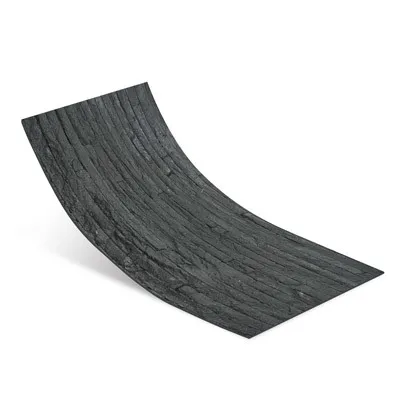
If you're not familiar with Muretto Stone, you're not alone. It's part of a broader category of building materials called MCM (Modified Composite Material) panels—think of them as the "new kids on the block" of cladding solutions. Muretto Stone, specifically, is a type of flexible stone cladding panel designed to mimic the look and feel of natural stone but with a few clever upgrades.
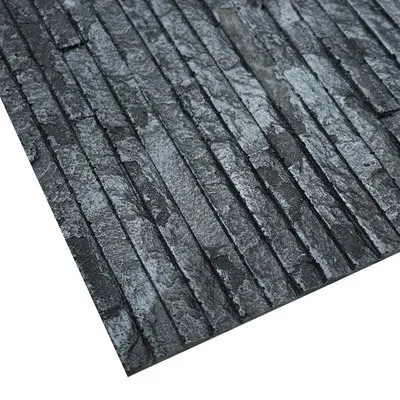
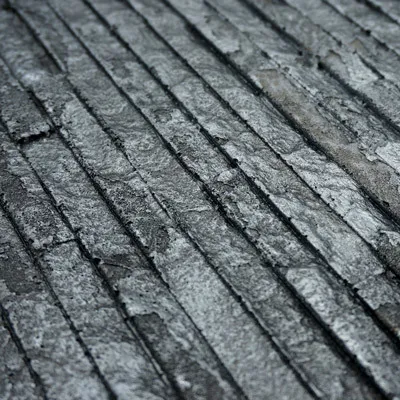
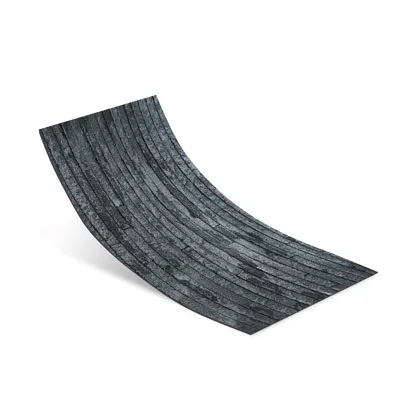
So, what's in it? Unlike natural stone, which is hacked straight from the earth, Muretto Stone is a composite. It's made by blending natural stone aggregates (think crushed marble, granite, or limestone bits) with modified polymers and resins. This mix is then pressed into thin, lightweight sheets, often with textures and finishes that replicate the real deal—like the soft neutral tones of Muretto stone (light grey), the deeper richness of Muretto stone (dark grey), or the warm, earthy vibe of Muretto stone (beige). The result? A panel that looks like natural stone but weighs a fraction of the real thing and bends without breaking.
One of the standout features of Muretto Stone is its flexibility. Traditional natural stone is rigid and heavy, but Muretto panels can curve around corners, wrap columns, or even be installed on uneven surfaces. This makes it a favorite for architects and designers who want to push the boundaries of what's possible with stone-like aesthetics. Plus, since it's a man-made material, you get consistency in color and pattern—no more worrying about that one slab of natural stone that's slightly off-shade from the rest.
Natural stone, on the other hand, needs no introduction. For thousands of years, humans have been using it to build everything from the pyramids of Giza to the countertops in your local coffee shop. It's exactly what it sounds like: stone quarried directly from the earth, cut into slabs, and polished (or left rough) for use in construction. Think marble with its swirly veins, granite with its speckled patterns, or limestone with its soft, porous texture.
The appeal of natural stone is simple: authenticity. Every slab is one-of-a-kind. No two pieces will ever look exactly the same, thanks to the unique mineral deposits, pressure, and time that formed them underground. That uniqueness is a big draw for homeowners and designers who want a space that feels "real" and full of character. There's also a certain prestige attached to natural stone—it's seen as a luxury material, a sign of quality and craftsmanship.
But natural stone isn't without its quirks. It's heavy—really heavy. A single slab of granite, for example, can weigh hundreds of pounds, which means installing it often requires structural support and heavy machinery. It's also porous, which makes it prone to staining if you spill wine or oil on it (hence why kitchen countertops often need sealing). And because it's a finite resource, quarrying natural stone can have environmental impacts, from habitat disruption to energy use.

Now that we know what each material is, let's break down their differences. Think of this as a head-to-head comparison—no holds barred.
The biggest difference lies in what they're made of. Natural stone is 100% Mother Nature—calcium carbonate (for marble/limestone), quartz and feldspar (for granite), or other minerals. Muretto Stone, by contrast, is a hybrid: it uses natural stone aggregates but binds them with synthetic polymers and resins. This engineering gives Muretto its lightweight, flexible properties, while natural stone's composition makes it dense and rigid.
Let's talk numbers. A typical natural stone slab (say, 2cm thick granite) weighs around 15-20 pounds per square foot. Muretto Stone? It's usually less than 3 pounds per square foot. That's a huge difference! For builders, this means Muretto is easier to transport, handle, and install—no need for cranes or reinforced walls. Imagine trying to hang a natural stone slab on a second-story exterior wall; you'd need to beef up the structure first. With Muretto, you can just screw or glue it on (depending on the substrate) and call it a day.
Both materials are durable, but "durable" means different things here. Natural stone is hard—granite, for example, is one of the hardest natural materials on Earth, scoring a 6-7 on the Mohs scale (diamonds are a 10). That makes it scratch-resistant, which is why it's great for high-traffic areas like kitchen countertops. But it's also brittle: drop a heavy pot on a natural stone counter, and it might crack.
Muretto Stone, thanks to its polymer binders, is more flexible. It can bend without breaking, which makes it resistant to impacts that might shatter natural stone. It's also less porous, so stains are less of a worry. However, it's not as scratch-resistant as granite—drag a sharp knife across Muretto, and you might leave a mark. When it comes to weather resistance, both hold up well, but Muretto's lightweight nature makes it less prone to cracking in freeze-thaw cycles (a common issue with natural stone in cold climates).
Installing natural stone is not a weekend DIY project. Because of its weight, you need a team of professionals, maybe a crane, and often structural modifications to the building. For example, if you're cladding an entire exterior wall with natural stone, the building's frame might need extra support to handle the load. Sealing is also a must after installation to prevent staining.
Muretto Stone, on the other hand, is designed for ease. Its lightweight and flexibility mean one or two people can handle installation. It can be cut with standard tools (no diamond blades required), and many panels come with interlocking systems or adhesive backings that simplify the process. Some homeowners even install it themselves for small projects like accent walls. No structural support needed, no heavy machinery—just a little elbow grease.
Let's talk money. Natural stone is generally more expensive upfront. A slab of high-quality marble or granite can cost $50-$100 per square foot, plus installation (which adds another $20-$40 per square foot). Muretto Stone is usually cheaper, ranging from $20-$50 per square foot, including installation. But here's the catch: natural stone, if maintained properly, can last a lifetime. Muretto Stone has a lifespan of around 20-30 years, which might mean replacing it sooner. So, it's a trade-off: pay more now for something that lasts, or pay less now and replace later.
Environmental impact is a hot topic these days, and both materials have pros and cons. Natural stone quarrying can disrupt ecosystems, use a lot of water, and generate waste. However, natural stone is biodegradable and doesn't off-gas harmful chemicals. Muretto Stone, being a composite, uses recycled stone aggregates and less energy to produce than quarrying. Its lightweight nature also reduces transportation emissions. But since it contains polymers, it's not fully biodegradable (though some manufacturers are working on more eco-friendly formulas).
Natural stone offers a stunning range of colors and patterns, but you're limited to what the earth provides. Want a bright pink granite? Good luck—nature doesn't make that. Muretto Stone, though, can be dyed and textured to match almost any color or finish. From the cool neutrality of Muretto stone (light grey) to the bold contrast of Muretto stone (dark grey) or the warmth of Muretto stone (beige), the options are nearly endless. It can also mimic rare or expensive stones (like travertine or onyx) at a fraction of the cost. And because it's flexible, it can be used on curved surfaces, 3D walls, or even furniture—something natural stone can't do without custom cutting (and a big budget).
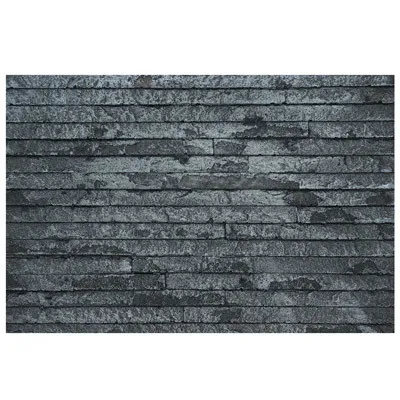
Let's start with the perks of choosing Muretto Stone. For one, it's a dream for projects where weight or installation ease is key. Think high-rise buildings, renovation projects where you can't add structural support, or DIY home improvements. Its flexibility also opens up design possibilities—imagine a curved accent wall in your living room, clad in Muretto stone (beige), that looks like real limestone but weighs nothing.
Maintenance is another win. Muretto Stone is non-porous, so you don't need to seal it. Spill coffee on it? Wipe it up with a cloth—no stain. It's also resistant to mold and mildew, which is great for humid climates or outdoor use. And since it's color-consistent, you won't have mismatched slabs ruining your design.
Finally, cost. For budget-conscious projects, Muretto Stone offers the look of natural stone without the sticker shock. It's a great way to add "high-end" appeal to a space without breaking the bank.
Natural stone's biggest advantage is its authenticity. There's something irreplaceable about the feel of real marble under your hand or the unique veining of a granite slab that tells a story of millions of years of geological history. It's a status symbol, too—natural stone is often associated with luxury, which can boost property values.
Durability is another plus. When properly sealed and maintained, natural stone can last centuries. Ancient Roman buildings still stand with marble columns; your kitchen countertop could be around for your grandkids. It's also heat-resistant, making it ideal for fireplaces or outdoor kitchens.
And let's not forget sustainability in the long run. Since it's a natural material, it doesn't contribute to plastic waste (though quarrying has its own issues). For eco-conscious homeowners who prioritize longevity over upfront cost, natural stone is a strong choice.
| Feature | Muretto Stone | Natural Stone |
|---|---|---|
| Composition | Natural stone aggregates + polymers/resins (composite) | 100% natural minerals (marble, granite, limestone, etc.) |
| Weight | ~3 lbs/sq ft (lightweight) | 15-20 lbs/sq ft (heavy) |
| Installation | Easy; no structural support needed; DIY-friendly | Requires professionals, heavy machinery, and structural support |
| Cost | $20-$50/sq ft (including installation) | $50-$140/sq ft (including installation) |
| Durability | 20-30 years; resistant to impacts and weathering | Centuries with proper maintenance; prone to staining/etching |
| Maintenance | Low; no sealing needed; easy to clean | High; requires sealing; prone to stains/scratches |
| Sustainability | Uses recycled aggregates; low transportation emissions; some polymer content | Biodegradable; quarrying has environmental impacts |
| Design Flexibility | Custom colors/finishes; flexible for curved surfaces | Limited by natural availability; rigid (hard to use on curves) |
The answer depends on your project, budget, and priorities. If you want authenticity, longevity, and don't mind the cost and maintenance, natural stone is unbeatable. It's perfect for high-end homes, historic renovations, or spaces where "realness" is key.
But if you need something lightweight, easy to install, budget-friendly, or customizable, Muretto Stone is a standout. It's ideal for modern buildings, DIY projects, or spaces where design flexibility (like curved walls or bold colors) matters more than having 100% natural material. And with options like Muretto stone (light grey), dark grey, and beige, it can still achieve that timeless, earthy look—just with a modern twist.
At the end of the day, both Muretto Stone and natural stone have their place in the world of building materials. Natural stone is the wise elder, steeped in history and authenticity. Muretto Stone is the innovative upstart, designed for the challenges of today's construction. Whether you choose the classic charm of natural stone or the modern convenience of Muretto, the most important thing is that it fits your vision, budget, and needs. After all, the best building material is the one that turns your space into something you love—now and for years to come.
Recommend Products












